Human Reviewed
Parent feedback
46 families found this review helpful
Christian Movie Review
The Hunchback of Notre Dame Christian Movie Review
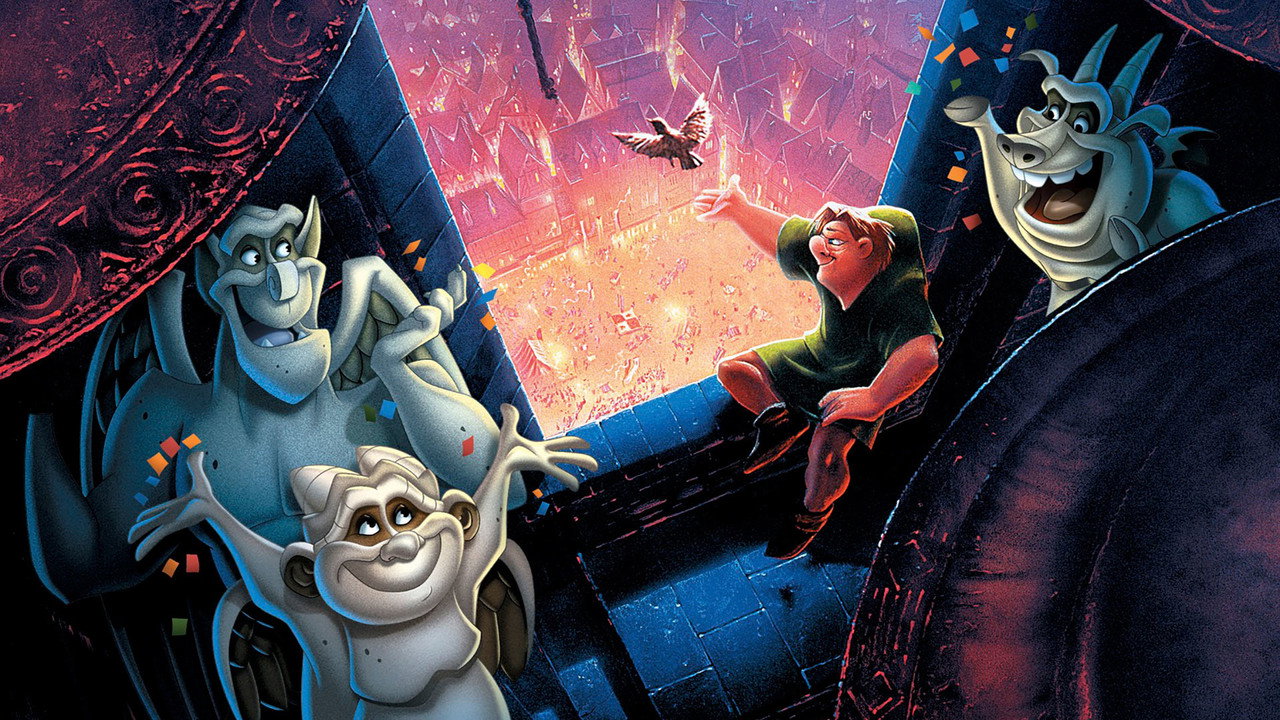
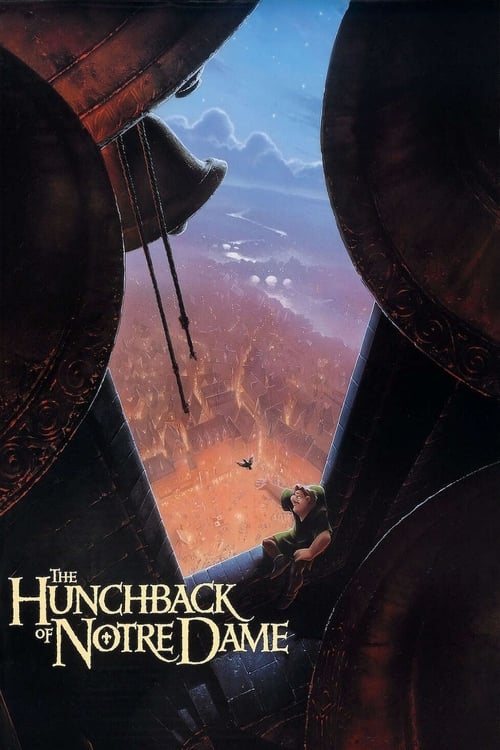
(1996)This animated Disney film follows Quasimodo, the bell-ringer of Notre Dame, as he steps into the city during the Festival of Fools and becomes caught up in a conflict involving Esmeralda, Judge Frollo, and the fear stirred by new ideas and outsiders. It blends songs, comedy, romance, and dark dramatic tension around prejudice, power, and mercy.
The surface content is mostly family-friendly, but the film carries heavier material in its cruelty, persecution, and intense villainy. Christian families may want to talk through how the story treats dignity, justice, and the difference between human compassion and corrupt authority.
Use the content rating for the peril and cruelty, and the Christian guidance rating for the film’s deeper messages about prejudice, power, and truth.
Content Indicators

Reviewed 15 May 2026
Micah covers action, fantasy, and franchise releases, with close attention to violence, spiritual themes, and moral framing.
The Hunchback of Notre Dame Christian Movie Review (1996)
Guidance: Talk Together
The surface content is mostly family-friendly, but the film carries heavier material in its cruelty, persecution, and intense villainy. Christian families may want to talk through how the story treats dignity, justice, and the difference between human compassion and corrupt authority.
Why This Guidance Level
This is a classic animated film with broad appeal, but it is not light in tone. The cruelty toward Quasimodo and Esmeralda, the riot, the threats, and Frollo’s controlling worldview give it more weight than the ratings alone suggest. For Christian families, the bigger issue is not explicit content but the film’s moral framing around prejudice, authority, and the use of religion to excuse oppression, which makes it a strong conversation piece.
Faith & Worldview Perspective
The film honors compassion, courage, and the dignity of the overlooked, while also showing how fear can harden into cruelty and how authority can be abused. It gives a useful contrast between outward appearance and inward character, and parents may want to discuss how Christian hope in Christ calls believers to truth, mercy, and justice without contempt for others.
Truths Reflected
- Every person has dignity beyond outward appearance.
- Cruel power and prejudice damage communities.
Tensions to Discuss
- Frollo’s religious language is used to justify exclusion and control rather than humble obedience to God.
- The film treats human institutions and personal desire as the main battleground for truth, so parents may want to discuss how Christ, not fear or power, defines righteousness.
Content & Discernment Markers
Occult & Spiritual Content
- Occult material does not stand out here. The film uses cathedral imagery, superstition, and talk of being “possessed,” but these are part of the story’s medieval atmosphere rather than a focus on magic or spiritual practice. Parents may want to discuss the difference between folklore and real spiritual truth in Christ.
Sexuality & Relationships
- Romantic interest is present in the story, especially in the attention given to Esmeralda, but it stays within a family-film range. The more important issue is how characters talk about her beauty and race, which turns attraction into objectification and prejudice.
Identity Themes
- Quasimodo is repeatedly mocked as “the Hunchback” and Esmeralda is singled out as a “Gypsy,” making identity and social status central to the story. The film pushes viewers to see beyond labels, and parents may want to discuss how Scripture calls us to judge rightly and love our neighbor.
Violence & Intensity
- The story includes a hostile crowd, a riot, threats to hang the printer, attempted murders, and scenes of public punishment and chase. The violence is not graphic, but the tension is sustained enough to feel heavy for younger children.
Language & Humour
- The dialogue includes repeated insults and mocking phrases such as “ugly,” “idiot,” “stupid,” and “Hunchback,” along with taunting crowd chants like “Ugly faces!” The language is not profane, but it is cruel and demeaning in context.
Other Content Notes
- The opening debate over the printing press and “On the Freedom of Thought” gives the film a strong theme about censorship, fear of ideas, and the misuse of religious authority. Parents may want to discuss why truth is not protected by intimidation.
Notable Moments
- Printing press debate: The film opens with a tense discussion about books, the printing press, and “On the Freedom of Thought,” with Frollo calling the press a threat to the kingdom.
“This small press can destroy a kingdom.”
- Festival of Fools: Quasimodo is crowned and mocked in public as the crowd turns humiliation into entertainment, making his isolation painfully clear.
“Ugly faces! Ugly faces!”
- Anti-Gypsy prejudice: Frollo openly speaks of protecting France from Gypsies and other outsiders, tying his authority to exclusion and fear.
“I will protect France from these printed books, as I will protect it… from witches, sorcerers and Gypsies.”
- Esmeralda singled out: Esmeralda is admired for her beauty, but the scene also shows how quickly she is reduced to race and appearance.
“She is a Gypsy, sire. Who cares about her race? She’s pretty.”
Discussion Prompts
- Dignity and prejudice: Why do you think the crowd treats Quasimodo and Esmeralda so unfairly, and what would it look like to see them the way God does?
- Biblical guidance: Scripture teaches that people are made in God’s image and should not be judged by outward appearance alone.
- Scripture: Genesis 1:27, 1 Samuel 16:7, James 2:1-9
- Authority and truth: What is the difference between using authority to protect people and using it to control them?
- Biblical guidance: Jesus Christ shows that true authority serves with truth, humility, and mercy rather than fear and domination.
- Scripture: Mark 10:42-45, John 18:36, Micah 6:8
- Books, ideas, and discernment: Why does the film make the printing press such a big issue, and how should Christians think about new ideas and learning?
- Biblical guidance: Believers can value learning while testing every idea against God’s truth instead of reacting with fear.
- Scripture: Acts 17:11, 1 Thessalonians 5:21, Proverbs 1:7
- Compassion for outsiders: How does Quasimodo’s story challenge the way people treat those who look different or feel left out?
- Biblical guidance: Christian love moves toward the overlooked with mercy, not mockery, because Christ welcomes the brokenhearted.
- Scripture: Luke 14:12-14, Romans 15:7, Psalm 34:18
Common questions about The Hunchback of Notre Dame
- What age is The Hunchback of Notre Dame suitable for?
- The Hunchback of Notre Dame suits children of about 6 and older in most families. The main reason is violence and peril. The story includes a hostile crowd, a riot, threats to hang the printer, attempted murders, and scenes of public punishment and chase. Younger viewers may still enjoy it alongside a parent, and it raises worldview questions worth talking through afterwards.
- Is The Hunchback of Notre Dame okay for a 4-year-old?
- The Hunchback of Notre Dame is generally better suited to children of about 6 and up, so a 4-year-old may find parts of it a stretch. The story includes a hostile crowd, a riot, threats to hang the printer, attempted murders, and scenes of public punishment and chase. Families whose children handle violence and peril well may still be comfortable watching together.
Age guidance is derived from this review's content findings and the film's official classifications. It is a starting point for your own judgement, not a rule.
Parent comments
Leave a comment on this review
Share a short note on The Hunchback of Notre Dame, or help other parents with discernment.
Submit will ask you to sign in first.
Weekend family picks
Get the short family movie list before the weekend
Example newsletter: 3 movies to watch this weekend with your family, plus one question to ask after the credits.
Sample: 3 movies to watch this weekend with your family
One cinema pick, one streaming pick, one conversation-starter pick.
Related Articles
A few bigger-picture reads for parents who want more context than a single review page can hold.

Animal Farm And Talking With Kids About Power, Truth, And Sin
Animal Farm can help older children see how slogans, fear, and corrupted authority distort truth, but parents should frame the story with a biblical view of sin.
Read article
Disney And Pixar Films For Christian Families: Why They Still Need Discernment
Disney and Pixar films often feel safer than they really are. This guide helps Christian parents notice the spiritual assumptions, emotional messages, and identity themes that can slip past a quick first impression.
Read article
5 Things To Notice In Kids Movies Before The Message Lands
A child can absorb a movie long before they can explain it. These five checkpoints help Christian parents notice what a film is training the heart to love, fear, excuse, or trust.
Read articleMore Reviews

Official regional ratings
Local ratings remain available for reference, but LionLens separates those classifications from Christian family discernment.
Review Method
How this review was prepared
LionLens reviews are written with subtitle and dialogue evidence where available, official regional ratings data, source research, and final human editorial review before publication.