Human Reviewed
Parent feedback
57 families found this review helpful
Christian Movie Review
The Hobbit Christian Movie Review
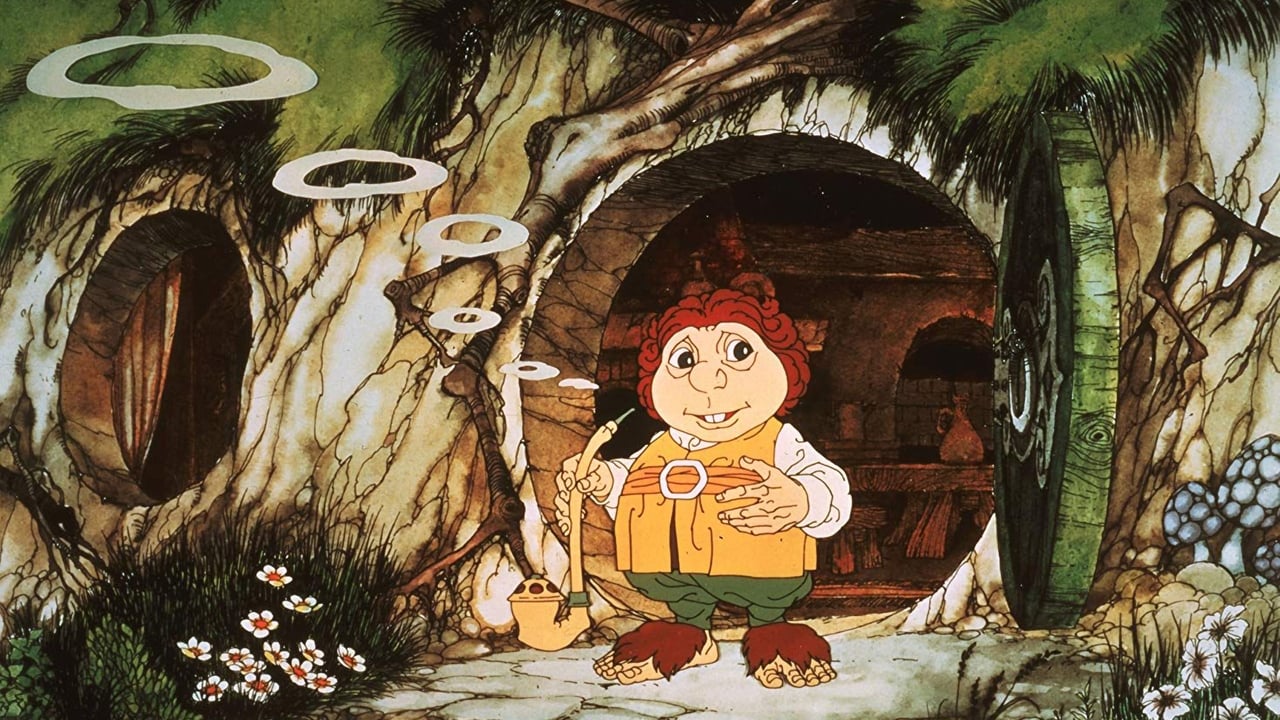
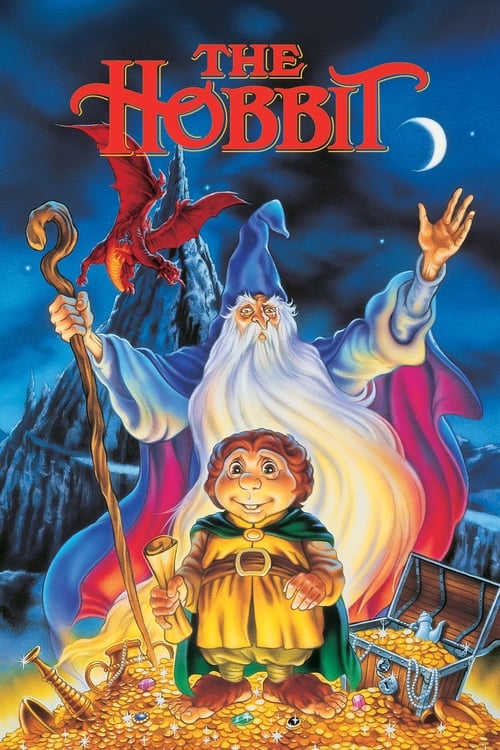
(1977)This animated adaptation of J.R.R. Tolkien's story follows Bilbo Baggins, a comfort-loving hobbit who is drawn into a quest with Gandalf and a band of dwarves to reclaim treasure from the dragon Smaug. The film mixes songs, fantasy adventure, and moments of danger as Bilbo leaves home and faces a much larger world.
This is a classic fantasy adventure with mild language, recurring peril, and a worldview shaped by magic and myth rather than Christian faith. Many families will find the content manageable, but the dragon destruction, death references, and enchanted setting give it enough weight to merit conversation.
Use the content rating for surface issues and the Christian guidance rating for the film's deeper messages and spiritual framework.
Content Indicators

Reviewed 11 September 2026
Esther handles review quality, clarity, and the practical guidance families need after the credits roll.
The Hobbit Christian Movie Review (1977)
Guidance: Talk Together
This is a classic fantasy adventure with mild language, recurring peril, and a worldview shaped by magic and myth rather than Christian faith. Many families will find the content manageable, but the dragon destruction, death references, and enchanted setting give it enough weight to merit conversation.
Why This Guidance Level
This lands in the middle guidance range because the surface content is fairly typical for an older family fantasy, but the film repeatedly uses magic, enchanted treasure, and a wizard-centered quest as part of its world. It also gives families worthwhile themes to discuss, especially courage, greed, fear, and what truly makes a person great.
Faith & Worldview Perspective
The story honors courage, friendship, and sacrificial risk, especially through Bilbo’s growth from comfort-loving homebody to willing adventurer. It also shows greed and the love of treasure as destructive forces. The tension for Christian families is that the film’s moral world is carried through mythic magic, spells, and enchanted objects rather than through dependence on the living God. Parents may want to discuss how true courage and hope are grounded in Jesus Christ, not in destiny, power, or treasure.
Truths Reflected
- Courage can grow in an unlikely person.
- Greed brings harm and can distort good desires.
Tensions to Discuss
- The story normalizes a fantasy world shaped by wizards, spells, and enchanted power rather than pointing to God’s authority.
- The quest is partly driven by reclaiming treasure, which can open discussion about whether wealth or righteousness is the greater good.
Content & Discernment Markers
Occult & Spiritual Content
- Magic is part of the film’s setting from the opening, where Middle Earth is described as a world shared by “Elves, Dwarves, Wizards, Goblins, Dragons.” Gandalf is a central guide, and Thorin’s history includes the line, “The Dwarves of yore made mighty spells.” This is fantasy material rather than real-world occult practice, but parents may still want to discuss the difference between imaginative fiction and spiritual truth centered on God.
- The dwarves sing of seeking “the pale, enchanted gold,” tying wonder and desire to treasure with a magical aura. That can be a useful moment to talk about how Scripture warns against setting the heart on riches.
Sexuality & Relationships
- Sexual content does not stand out here. The story is focused on adventure, danger, and treasure rather than romance or sensuality.
Identity Themes
- Bilbo begins as a quiet hobbit who resists adventure, saying, “We Hobbits are plain quiet folk. Adventures make one late for dinner.” He is then drawn toward a larger calling and says he wants “to wear a sword instead of a walking-stick. Just once.” Parents may want to discuss whether identity is discovered through self-assertion, through duty, or through faithful character.
Violence & Intensity
- The backstory of Smaug is intense for a children’s film. Gandalf’s song describes the dragon’s attack in vivid terms: “The fire was red, it flaming spread; The trees like torches blazed with light,” and “The Dragon’s ire more fierce than fire / Laid low their towers and houses frail.” This establishes real destruction and death, even in animated form.
- Thorin speaks openly about loss and killing: “Curses to the Dragon! Curses to Smaug! He killed our men and stole our gold!” The line gives the quest a grief-and-revenge edge that parents may want to talk through with children.
- The contract includes the phrase, “Funeral expenses if necessary,” which turns death into a joke while still reminding viewers that the journey is dangerous. That mix of humor and peril may go over younger children differently than older ones.
Language & Humour
- Language is mild. Bilbo says, “Dear me, no!” and Thorin repeatedly says, “Curses to the Dragon!” There is also light comic chaos in the dwarves’ songs and table manners. Nothing especially coarse stands out in the reviewed dialogue.
Other Content Notes
- Pipe smoking is part of the hobbit atmosphere and old-world fantasy setting. It is not heavily emphasized in the reviewed dialogue, but it is associated with comfort and leisure in this story world.
- The film strongly celebrates adventure with lyrics like “The greatest adventure is what lies ahead” and “The mold of your life is in your hands to break.” Parents may want to discuss where Christian freedom differs from a message of self-directed destiny.
Notable Moments
- Bilbo resists adventure: Bilbo defines hobbit life by comfort and quiet, setting up his later growth.
“We Hobbits are plain quiet folk. Adventures make one late for dinner.”
- Treasure quest explained: The dwarves reveal that the journey is about reclaiming treasure they believe belongs to them.
“We seek a treasure… that which is rightfully ours.”
- Dragon destruction: The film describes Smaug’s attack on Dale and the dwarves’ mountain home in vivid poetic language.
“The Dragon’s ire more fierce than fire / Laid low their towers and houses frail.”
- Death treated lightly: A comic contract line reminds Bilbo that the quest may be deadly.
“Funeral expenses if necessary.”
Discussion Prompts
- Courage and calling: Bilbo starts afraid and comfortable. What is the difference between reckless adventure and faithful courage?
- Biblical guidance: Scripture calls believers to be strong and courageous because God is with them, not because danger is exciting.
- Scripture: Joshua 1:9, 2 Timothy 1:7
- Greed and treasure: Why do the dwarves want their gold back, and when can a right desire become a controlling one?
- Biblical guidance: Jesus warns that treasure can capture the heart, so families can talk about justice, loss, and the danger of loving wealth too much.
- Scripture: Matthew 6:21, 1 Timothy 6:10
- Magic and spiritual imagination: How is the wizard and spell-filled world of this story different from real spiritual truth?
- Biblical guidance: Fantasy can be discussed as make-believe, while Christian hope and power come from the Lord, not from spells or enchanted objects.
- Scripture: Deuteronomy 18:10-12, Ephesians 6:10-12
- Identity and purpose: Bilbo talks about changing his life and becoming more than he expected. What should shape who we become?
- Biblical guidance: Christians are not meant to invent themselves from scratch but to live faithfully before God, growing in the good works He gives.
- Scripture: Ephesians 2:10, Romans 12:2
Common questions about The Hobbit
- What age is The Hobbit suitable for?
- The Hobbit suits children of about 8 and older in most families. That follows its official classification. It is rated PG in the US, New Zealand and Canada. The backstory of Smaug is intense for a children's film. Younger viewers may still enjoy it alongside a parent, and it raises worldview questions worth talking through afterwards.
- Is The Hobbit okay for a 6-year-old?
- The Hobbit is generally better suited to children of about 8 and up, so a 6-year-old may find parts of it a stretch. It is rated PG in the US, New Zealand and Canada. The backstory of Smaug is intense for a children's film. Families comfortable watching a little above the classification together may still be fine with it.
Age guidance is derived from this review's content findings and the film's official classifications. It is a starting point for your own judgement, not a rule.
Parent comments
Leave a comment on this review
Share a short note on The Hobbit, or help other parents with discernment.
Submit will ask you to sign in first.
Weekend family picks
Get the short family movie list before the weekend
Example newsletter: 3 movies to watch this weekend with your family, plus one question to ask after the credits.
Sample: 3 movies to watch this weekend with your family
One cinema pick, one streaming pick, one conversation-starter pick.
Related Articles
A few bigger-picture reads for parents who want more context than a single review page can hold.

How To Talk With Kids About Magic, Fate, And Spiritual Themes In Movies
Many family movies use magic, destiny, spirits, or cosmic balance to drive the story. This article helps Christian parents respond without overreacting, while still drawing clear lines back to biblical truth.
Read article
How To Talk With Kids About Dragon magic In Family Movies
A parent-friendly guide to discussing dragon magic in family movies through a Christian lens.
Read article
How To Talk With Kids About Mild fantasy peril In Family Movies
A parent-friendly guide to discussing mild fantasy peril in family movies through a Christian lens.
Read articleMore Reviews

Official regional ratings
Local ratings remain available for reference, but LionLens separates those classifications from Christian family discernment.
Review Method
How this review was prepared
LionLens reviews are written with subtitle and dialogue evidence where available, official regional ratings data, source research, and final human editorial review before publication.