Human Reviewed
Parent feedback
51 families found this review helpful
Christian Movie Review
The Grinch Christian Movie Review
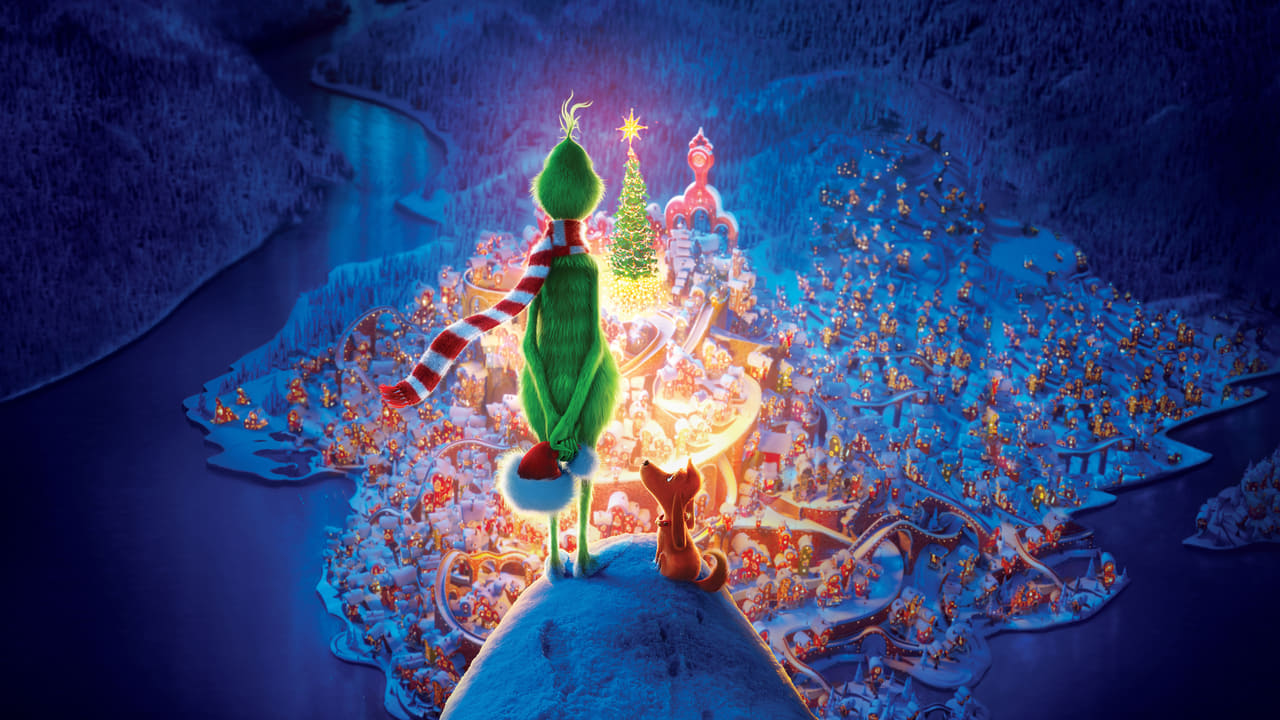
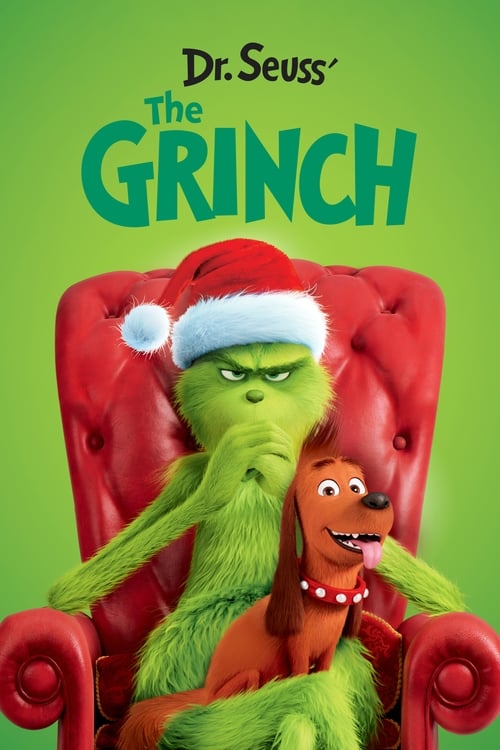
(2018)The Grinch hatches a scheme to ruin Christmas when the residents of Whoville plan their annual holiday celebration.
This animated retelling is light in surface content, with mild comic peril, sarcasm, and a few crude jokes. Its strongest family discussion point is the contrast between Christmas as noise, excess, and self-focus versus love, generosity, and changed hearts.
Start with the content rating, then use the Christian guidance rating to decide how much conversation your family may need.
Content Indicators

Reviewed 19 April 2026
Micah covers action, fantasy, and franchise releases, with close attention to violence, spiritual themes, and moral framing.
The Grinch Christian Movie Review (2018)
Guidance: Talk Together
This animated retelling is light in surface content, with mild comic peril, sarcasm, and a few crude jokes. Its strongest family discussion point is the contrast between Christmas as noise, excess, and self-focus versus love, generosity, and changed hearts.
Why This Guidance Level
The Grinch stays in the normal range for family animation, with mostly mild content concerns: sarcastic remarks, a comic line about attacking unfriendly people, slapstick chaos, and a little gross humor in a busy household scene. The bigger reason for guidance is worldview conversation. The film clearly pushes toward heart change, kindness, and community, but it treats Christmas mainly as a cultural celebration rather than pointing to Jesus Christ, so Christian families may want to talk about the difference between seasonal warmth and the deeper hope of Christmas in Christ.
Faith & Worldview Perspective
The film reflects real truths about loneliness, bitterness, selfishness, and the healing power of love and community. It also critiques excess and self-centered holiday expectations. That said, Christmas is presented mainly through celebration, sentiment, and social belonging, not through the birth of Jesus Christ. Parents may want to discuss how a changed heart is good, but Christian hope rests not in holiday cheer alone, but in Christ who reconciles sinners to God and teaches us to love others.
Truths Reflected
- Isolation and resentment can harden a person, while kindness can soften the heart.
- Material excess and self-focus do not satisfy as deeply as love, gratitude, and community.
Tensions to Discuss
- Christmas is treated more as a cultural feeling than as a celebration centered on Jesus Christ and the gospel.
- The story points to inner change through human kindness, which is worth affirming, but Christian parents may want to explain that lasting heart change ultimately comes through Christ.
Content & Discernment Markers
Occult & Spiritual Content
- Occult material does not stand out here. Santa is part of the fantasy Christmas setting, including a child wanting to deliver an important letter to him, which parents may simply want to place in the category of holiday make-believe rather than spiritual truth.
Sexuality & Relationships
- Sexual content is not a meaningful concern in the material at hand. Relationships are framed around family life, neighbors, and holiday interactions.
Identity Themes
- The story leans into outsider identity and social belonging, especially in the Grinch’s bitterness toward the Whos and his assumption that others are deceptive or selfish. Parents may want to discuss how hurt can shape identity, but it should not define how we treat people.
Violence & Intensity
- Threats and peril are mostly comic. The clearest example is the Grinch telling Max, “You have my full permission to attack anyone who so much as says one kind word to us,” which plays as exaggerated hostility rather than realistic violence. There is also slapstick chaos with rushing, collisions, and a child nearly losing an important letter in the snow. Parents may want to discuss the difference between funny exaggeration and loving speech.
Language & Humour
- Language is mild and mostly built around grumbling, sarcasm, and dismissive humor. Phrases like “Ugh,” “What is wrong with you?” and “Me, me, me” reflect irritation and mockery more than profanity. There is also a joke about “emotional eating” and some household gross-out humor involving a child’s head “not breakfast” and a sibling being fed “with your feet.”
Other Content Notes
- Christmas is portrayed with warmth, music, decorations, and community excitement, but also with pressure, busyness, and excess, including talk that the mayor wants Christmas to be “three times bigger.” This can open a useful conversation about whether celebration has become more about spectacle than gratitude. Parents may want to discuss what makes Christmas meaningful in a Christ-centered home.
Notable Moments
- Comic hostility: The Grinch frames the Whos as deceptive and jokingly authorizes Max to attack anyone who is kind to them, showing his bitterness and distrust.
“You have my full permission to attack anyone who so much as says one kind word to us.”
- Childlike sincerity: Cindy-Lou’s urgency over her letter shows earnest faith in what she hopes for and sets up a contrast with the Grinch’s cynicism.
“This isn’t just a letter, this is the letter.”
- Heart problem named: The familiar narration frames the Grinch’s deeper issue as a heart problem, pointing toward the story’s redemption arc.
“I think the most likely reason of all may have been that his heart was two sizes too small.”
Discussion Prompts
- What Christmas is really about: The Whos love Christmas, but what makes Christmas truly meaningful in our family?
- Biblical guidance: Enjoying celebration is fine, but Christians remember Christmas because Jesus Christ came into the world to save sinners.
- Scripture: Luke 2:10-11, Matthew 1:21, John 1:14
- Bitterness and the heart: Why do you think the Grinch assumes the worst about everyone, and what does God want us to do with hurt or bitterness?
- Biblical guidance: Scripture warns against bitterness and points us toward compassion, forgiveness, and new life in Christ.
- Scripture: Ephesians 4:31-32, Proverbs 4:23, 2 Corinthians 5:17
- Kindness versus sarcasm: Which words in the movie were funny, and which words were unkind? How can we tell the difference?
- Biblical guidance: Our speech should build others up, even when we are frustrated or trying to be funny.
- Scripture: Ephesians 4:29, Proverbs 15:1, Colossians 4:6
- Stuff, celebration, and contentment: When the town wants Christmas bigger and bigger, what does that say about people? Can more stuff ever replace love or joy?
- Biblical guidance: The Bible teaches contentment, gratitude, and generosity rather than chasing bigger experiences or possessions.
- Scripture: Luke 12:15, 1 Timothy 6:6-8, Hebrews 13:5
Common questions about The Grinch
- What age is The Grinch suitable for?
- The Grinch suits all ages, including young children.
- Can young children watch The Grinch?
- Yes. The Grinch is gentle enough for young children, with nothing in the content that needs an older audience.
Age guidance is derived from this review's content findings and the film's official classifications. It is a starting point for your own judgement, not a rule.
Parent comments
Leave a comment on this review
Share a short note on The Grinch, or help other parents with discernment.
Submit will ask you to sign in first.
Weekend family picks
Get the short family movie list before the weekend
Example newsletter: 3 movies to watch this weekend with your family, plus one question to ask after the credits.
Sample: 3 movies to watch this weekend with your family
One cinema pick, one streaming pick, one conversation-starter pick.
Related Articles
A few bigger-picture reads for parents who want more context than a single review page can hold.

3 Family Movies To Watch With The Kids This Weekend
Three family movie options with quick Christian discernment notes, review links, and simple conversation prompts for parents.
Read article
3 Family Movies To Watch With The Kids This Weekend
Three family movie options with quick Christian discernment notes, review links, and simple conversation prompts for parents.
Read article
3 Family Movies To Watch With The Kids This Weekend
Three family movie options with quick Christian discernment notes, review links, and simple conversation prompts for parents.
Read articleMore Reviews



Official regional ratings
Local ratings remain available for reference, but LionLens separates those classifications from Christian family discernment.
Review Method
How this review was prepared
LionLens reviews are written with subtitle and dialogue evidence where available, official regional ratings data, source research, and final human editorial review before publication.