Human Reviewed
Parent feedback
54 families found this review helpful
Christian Movie Review
The Emoji Movie Christian Movie Review
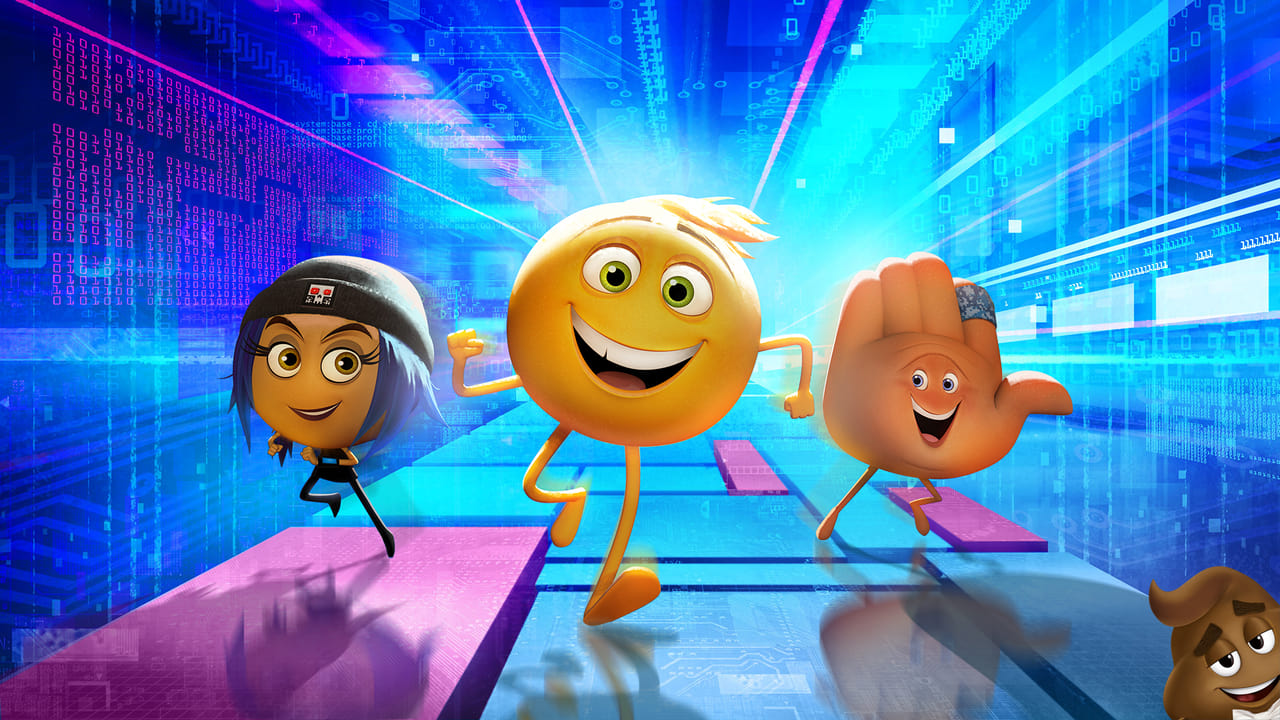
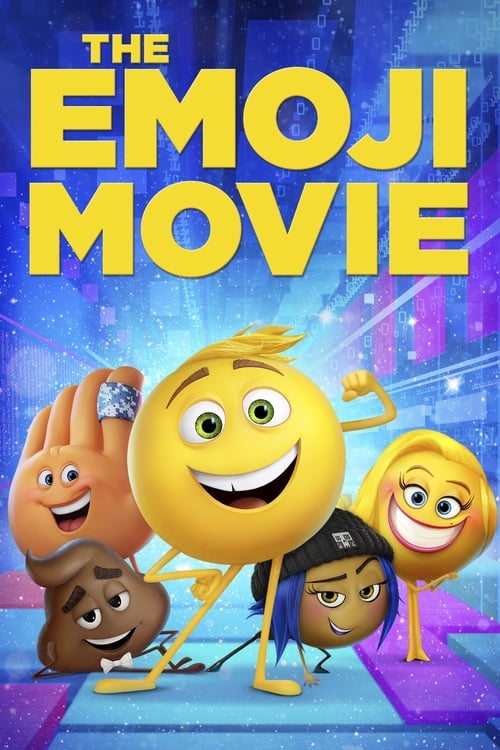
(2017)This animated comedy imagines a bustling world inside a smartphone, where each emoji is expected to perform one expression perfectly every time. When Gene, a Meh emoji who cannot stay one-note, causes a public glitch, he sets off a chase across apps while trying to find where he belongs.
Surface content stays fairly light, with comic peril, mild insults, and potty humor. The bigger reason for family discussion is the movie's message about identity, purpose, and self-expression in a phone-centered world.
Use the content rating for what children will hear and see, and the Christian guidance rating for what the story encourages them to believe.
Content Indicators

Reviewed 27 December 2025
Esther handles review quality, clarity, and the practical guidance families need after the credits roll.
The Emoji Movie Christian Movie Review (2017)
Guidance: Talk Together
Surface content stays fairly light, with comic peril, mild insults, and potty humor. The bigger reason for family discussion is the movie’s message about identity, purpose, and self-expression in a phone-centered world.
Why This Guidance Level
This lands in the middle guidance range because the surface content is light, but the movie repeatedly presses questions about identity, purpose, fitting in, and self-expression. Those themes are not hostile to Christian faith, yet they are strong enough that many parents will want a short conversation afterward about where a person’s worth truly comes from.
Faith & Worldview Perspective
The story reflects real longings children feel: to belong, to be known, and not to be reduced to one label. It also shows the pressure of performance and the fear of public failure. Where the film leans away from Christian truth is in treating identity as something discovered mainly by expressing your inner self and finding your function in the system around you. Scripture points children beyond self-definition toward being created by God on purpose and ultimately finding life and hope in Jesus Christ. Parents may want to discuss the difference between honest emotion and letting feelings define who we are.
Truths Reflected
- People should not be valued only for performance or usefulness.
- Honesty, friendship, and sacrificial help for others are presented as good.
Tensions to Discuss
- The film treats personal authenticity as the main path to identity, rather than grounding identity in God’s design.
- Purpose is tied strongly to role, acceptance, and usefulness inside a digital system, which can shrink a fuller view of human worth before God.
Content & Discernment Markers
Occult & Spiritual Content
- Occult material does not stand out here. The fantasy setting is technological rather than spiritual, so the main concerns are worldview and messaging, not magic or supernatural practice.
Sexuality & Relationships
- Romantic material is very light. The story includes mild flirting and affectionate moments, but sexuality is not a major focus for most families.
Identity Themes
- Gene is told, “Here, each of us does one thing, and we have to nail it every time,” and his struggle centers on not fitting that role. The film strongly sympathizes with a child who feels different and wants to belong. Parents may want to discuss how God gives identity and worth even when a child feels out of place.
- Gene pleads, “I want to be a working emoji… Then I would finally fit in,” tying belonging to performance and acceptance. This can open a helpful conversation about whether our value comes from doing the right thing perfectly or from being loved by God in Christ.
Violence & Intensity
- The movie includes repeated chase-and-deletion tension as Gene and others try to avoid being erased by system bots. The danger is stylized and family-friendly, but the threat of deletion and pursuit can feel intense for younger viewers.
- Early scenes build pressure around Gene’s first day, and his mistake triggers panic and a sense that something has gone badly wrong. The intensity is more suspenseful than violent, but it shapes the adventure.
Language & Humour
- Language is mostly mild name-calling and ridicule, including “weirdo,” “freak,” and “knucklehead.” These moments reinforce the film’s bullying theme and may be worth discussing with children who copy playground talk.
- Rude humor includes the repeated chant “We’re number two!” in a bathroom-joke context. It is juvenile rather than harsh, but parents of younger children may want to know it is played for laughs.
Other Content Notes
- The film presents smartphone life as central and all-consuming, even saying a teenager’s “whole life, everything, revolves around his phone.” That satirical setup can still normalize a phone-centered imagination if families do not talk about it.
- Parental pressure and fear of embarrassment show up in Gene’s home life, especially when his parents worry about him failing in public. The story eventually moves toward support, which gives families a natural opening to talk about grace and truth together.
Notable Moments
- Pressure to perform: The opening establishes a world where every emoji must perform one role perfectly, setting up the film’s central conflict about identity and usefulness.
“Here, each of us does one thing, and we have to nail it every time.”
- Longing to belong: Gene connects his desire for work with his desire to fit in, which becomes one of the movie’s strongest emotional ideas.
“I want to be a working emoji, you know, like… Like everybody else, and then… Then I would finally fit in.”
- Phone-centered framing: The movie openly frames teenage life around smartphone use, which is both a joke and a worldview cue.
“His whole life, everything, revolves around his phone.”
- Public ridicule: Gene is mocked for being different, reinforcing the film’s anti-bullying and conformity themes.
“Stick to your one face, weirdo.”
Discussion Prompts
- Identity and belonging: Gene wants to fit in by doing his job perfectly. Where should our deepest identity come from?
- Biblical guidance: Children can be reminded that their worth is not earned by performance but received from the God who made them and knows them. Christian hope is rooted in belonging to Christ, not in fitting a role perfectly.
- Scripture: Psalm 139:13-14, Ephesians 2:10, Galatians 2:20
- Honesty and self-expression: Is being honest about your feelings always the same as following what is right?
- Biblical guidance: The film values honest expression, which can be good, but Scripture also teaches that our hearts need wisdom and truth. Jesus Christ calls us to speak truthfully while also being shaped by God’s Word.
- Scripture: Ephesians 4:15, Proverbs 4:23, John 14:6
- Bullying and words: How do words like “weirdo” or “freak” affect someone who already feels different?
- Biblical guidance: This is a good chance to talk about using speech to build others up rather than shame them, especially when someone is awkward or struggling.
- Scripture: Ephesians 4:29, Proverbs 18:21, James 3:9-10
- Technology and attention: What does the movie say about phones, and what should control our attention in real life?
- Biblical guidance: The story treats phone life as normal and central, but families can talk about using technology wisely instead of letting it shape our habits, identity, or relationships.
- Scripture: 1 Corinthians 6:12, Romans 12:2, Psalm 90:12
Common questions about The Emoji Movie
- What age is The Emoji Movie suitable for?
- The Emoji Movie suits children of about 6 and older in most families. The main reason is violence and peril. The movie includes repeated chase-and-deletion tension as Gene and others try to avoid being erased by system bots.
- Is The Emoji Movie okay for a 4-year-old?
- The Emoji Movie is generally better suited to children of about 6 and up, so a 4-year-old may find parts of it a stretch. The movie includes repeated chase-and-deletion tension as Gene and others try to avoid being erased by system bots. Families whose children handle violence and peril well may still be comfortable watching together.
Age guidance is derived from this review's content findings and the film's official classifications. It is a starting point for your own judgement, not a rule.
Parent comments
Leave a comment on this review
Share a short note on The Emoji Movie, or help other parents with discernment.
Submit will ask you to sign in first.
Weekend family picks
Get the short family movie list before the weekend
Example newsletter: 3 movies to watch this weekend with your family, plus one question to ask after the credits.
Sample: 3 movies to watch this weekend with your family
One cinema pick, one streaming pick, one conversation-starter pick.
Related Articles
A few bigger-picture reads for parents who want more context than a single review page can hold.

Animal Farm And Talking With Kids About Power, Truth, And Sin
Animal Farm can help older children see how slogans, fear, and corrupted authority distort truth, but parents should frame the story with a biblical view of sin.
Read article
5 Things To Notice In Kids Movies Before The Message Lands
A child can absorb a movie long before they can explain it. These five checkpoints help Christian parents notice what a film is training the heart to love, fear, excuse, or trust.
Read article
How To Talk With Kids About Magic, Fate, And Spiritual Themes In Movies
Many family movies use magic, destiny, spirits, or cosmic balance to drive the story. This article helps Christian parents respond without overreacting, while still drawing clear lines back to biblical truth.
Read articleMore Reviews




Official regional ratings
Local ratings remain available for reference, but LionLens separates those classifications from Christian family discernment.
Review Method
How this review was prepared
LionLens reviews are written with subtitle and dialogue evidence where available, official regional ratings data, source research, and final human editorial review before publication.