Human Reviewed
Parent feedback
81 families found this review helpful
Christian Movie Review
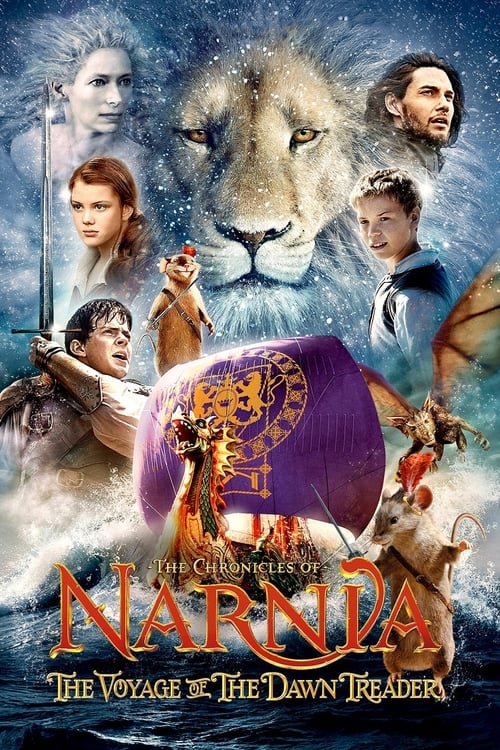
The Chronicles of Narnia: The Voyage of the Dawn Treader Christian Movie Review
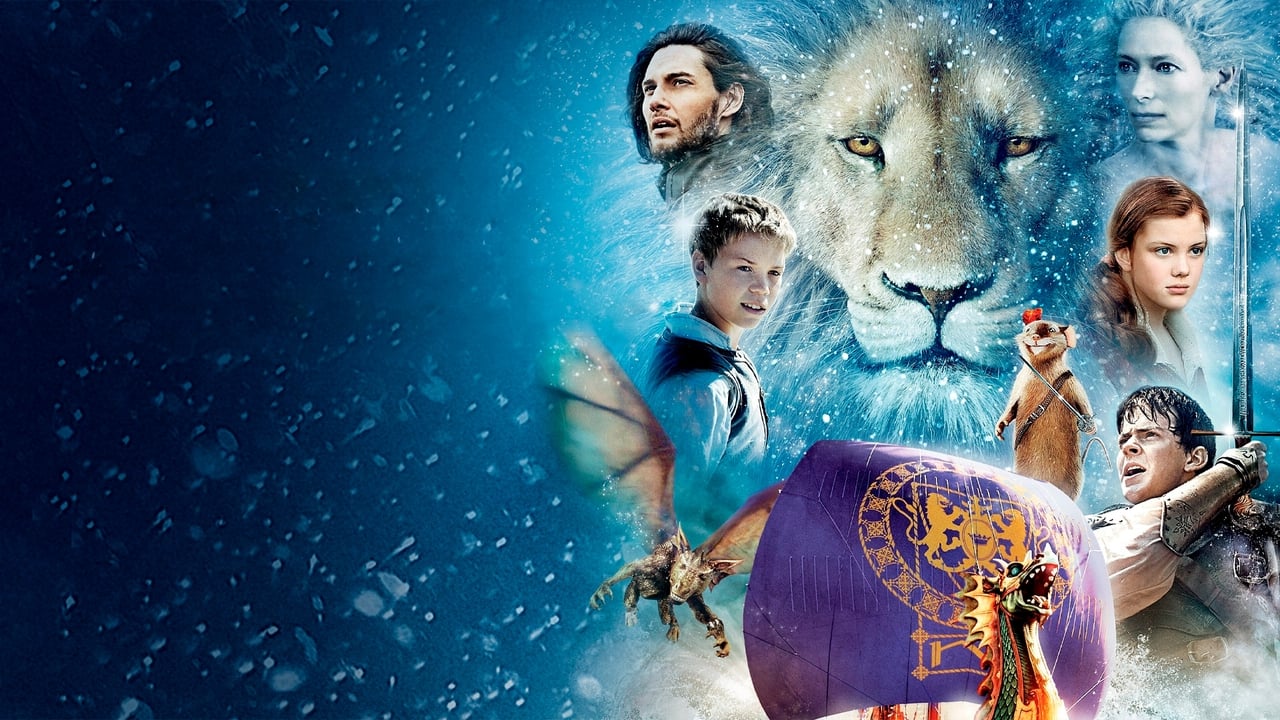
(2010)In this third Narnia film, Lucy and Edmund Pevensie return to Narnia with their cousin Eustace and join King Caspian on a sea voyage to mysterious islands. The journey tests each character through temptation, fear, and hard choices.
This is a fantasy adventure with moderate peril and a strong moral focus on temptation, courage, and choosing what is right. For Christian families, the main guidance need is less about surface content and more about talking through its spiritual imagery, identity themes, and the film's Christ-like Aslan moments.
Use the content rating for intensity and the Christian guidance rating for worldview and discussion needs.
Content Indicators

Reviewed 11 February 2026
Rachel focuses on animated films, family viewing habits, and helping parents spot worldview themes quickly.
The Chronicles of Narnia: The Voyage of the Dawn Treader Christian Movie Review (2010)
Guidance: Talk Together
This is a fantasy adventure with moderate peril and a strong moral focus on temptation, courage, and choosing what is right. For Christian families, the main guidance need is less about surface content and more about talking through its spiritual imagery, identity themes, and the film’s Christ-like Aslan moments.
Why This Guidance Level
This lands in the middle guidance range because the movie is still a fairly accessible family fantasy, but it repeatedly deals with temptation, supernatural forces, fear made visible, and identity longing. The content itself is not especially harsh, yet the spiritual and moral ideas are important enough that many Christian parents will want conversation afterward.
Faith & Worldview Perspective
The story reflects real moral truths: selfish desires can distort judgment, courage often requires sacrifice, and people need help beyond themselves. Lucy’s longing to be “beautiful like Susan” exposes envy and identity insecurity, and the film treats that desire as spiritually dangerous rather than harmless. Aslan’s presence points many viewers toward grace, authority, and loving correction, which can open a helpful conversation about Jesus Christ as the true source of identity, forgiveness, and hope. Parents may want to discuss the difference between fantasy allegory and the gospel itself.
Truths Reflected
- Choices have consequences, and selfish desire can lead us into sin.
- Courage, humility, and self-sacrifice are presented as virtues.
Tensions to Discuss
- The film uses magic, enchantment, and fantasy spiritual imagery that are not a model for Christian practice.
- A child’s longing for beauty and approval can be shaped by outward appearance rather than identity in Christ.
Content & Discernment Markers
Occult & Spiritual Content
- The film is built around fantasy supernatural elements, including Narnia itself, Aslan’s interventions, enchantment, and fear-driven spiritual testing. Aslan’s correction of Lucy after her choice carries moral weight, but parents may still want to explain that Christian hope rests in Jesus Christ, not in fantasy magic or mystical experiences.
Sexuality & Relationships
- Romantic material is light. The main thread is Lucy’s desire to be seen as beautiful and attractive like Susan, which ties appearance to worth and attention. This matters for Christian families because it opens a conversation about beauty, comparison, and identity.
Identity Themes
- Lucy says, “I just wanted to be beautiful like Susan,” revealing envy and insecurity about appearance. The film treats that desire as a doorway to harmful choices. Parents may want to discuss where true worth comes from and how identity is grounded in God’s love rather than comparison.
Violence & Intensity
- There is recurring fantasy-adventure peril tied to the voyage, threats, and confrontations with danger. The tone is more adventurous than graphic, but some moments of fear, conflict, and mortal risk may feel intense for younger children.
Language & Humour
- Language is mild and in line with family adventure banter, including insults and exclamations such as “idiot,” “shut up,” “what the blazes,” “sod,” “bleedin,’” “thick,” “crap,” and “oh God” used as an exclamation. Parents sensitive to casual disrespect or light blasphemous speech may want to note it.
Other Content Notes
- A key emotional moment comes when Lucy is drawn into a distorted version of life as Susan, leading to confusion and distress before Aslan confronts her choice: “But you chose it, Lucy.” The scene matters because it connects temptation, fantasy, and personal responsibility in a way children can understand.
Notable Moments
- Lucy as Susan: Lucy is pulled into a troubling alternate life where she is treated as Susan, and the moment exposes her envy, confusion, and regret.
“I just wanted to be beautiful like Susan. That’s all.”
- Aslan’s correction: After the vision collapses, Aslan confronts Lucy about the moral weight of her choice rather than excusing it.
“But you chose it, Lucy.”
- Return to Narnia: The children are abruptly drawn back into Narnia, creating a sudden transition from ordinary life into supernatural adventure.
“Go back where? To Narnia.”
Discussion Prompts
- Envy and identity: Why did Lucy want to be like Susan, and what did that desire do to her thinking?
- Biblical guidance: God warns against envy and teaches us to receive our identity as His workmanship rather than comparing ourselves to others.
- Scripture: Exodus 20:17, Psalm 139:14, Ephesians 2:10
- Choices and responsibility: What do you think Aslan meant when he said, “But you chose it, Lucy”?
- Biblical guidance: Scripture teaches that our choices matter, and repentance begins with honestly owning our sin before God.
- Scripture: Galatians 6:7, 1 John 1:9, James 1:14-15
- Fear and courage: How does the movie show fear becoming powerful, and what helps the characters keep going?
- Biblical guidance: Christians face fear not by pretending it is unreal, but by trusting God who is with us.
- Scripture: Isaiah 41:10, Psalm 56:3-4, 2 Timothy 1:7
- Aslan and Jesus Christ: What parts of Aslan reminded you of Jesus, and where is Aslan still only a story figure and not the same as Christ?
- Biblical guidance: Stories can point toward truth, but our real Savior is Jesus Christ revealed in Scripture.
- Scripture: John 14:6, Colossians 1:15-17, Hebrews 1:1-3
Common questions about The Chronicles of Narnia: The Voyage of the Dawn Treader
- What age is The Chronicles of Narnia: The Voyage of the Dawn Treader suitable for?
- The Chronicles of Narnia: The Voyage of the Dawn Treader suits children of about 8 and older in most families. That follows its official classification. It is rated PG in Australia, the US, New Zealand, the UK and Canada. There is recurring fantasy-adventure peril tied to the voyage, threats, and confrontations with danger. Younger viewers may still enjoy it alongside a parent, and it raises worldview questions worth talking through afterwards.
- Is The Chronicles of Narnia: The Voyage of the Dawn Treader okay for a 6-year-old?
- The Chronicles of Narnia: The Voyage of the Dawn Treader is generally better suited to children of about 8 and up, so a 6-year-old may find parts of it a stretch. It is rated PG in Australia, the US, New Zealand, the UK and Canada. There is recurring fantasy-adventure peril tied to the voyage, threats, and confrontations with danger. Families comfortable watching a little above the classification together may still be fine with it.
Age guidance is derived from this review's content findings and the film's official classifications. It is a starting point for your own judgement, not a rule.
Parent comments
Leave a comment on this review
Share a short note on The Chronicles of Narnia: The Voyage of the Dawn Treader, or help other parents with discernment.
Submit will ask you to sign in first.
Weekend family picks
Get the short family movie list before the weekend
Example newsletter: 3 movies to watch this weekend with your family, plus one question to ask after the credits.
Sample: 3 movies to watch this weekend with your family
One cinema pick, one streaming pick, one conversation-starter pick.
Related Articles
A few bigger-picture reads for parents who want more context than a single review page can hold.

How To Talk With Kids About Magic, Fate, And Spiritual Themes In Movies
Many family movies use magic, destiny, spirits, or cosmic balance to drive the story. This article helps Christian parents respond without overreacting, while still drawing clear lines back to biblical truth.
Read article
How To Talk With Kids About Dragon magic In Family Movies
A parent-friendly guide to discussing dragon magic in family movies through a Christian lens.
Read article
How To Talk With Kids About Mild fantasy peril In Family Movies
A parent-friendly guide to discussing mild fantasy peril in family movies through a Christian lens.
Read articleMore Reviews

Official regional ratings
Local ratings remain available for reference, but LionLens separates those classifications from Christian family discernment.
Review Method
How this review was prepared
LionLens reviews are written with subtitle and dialogue evidence where available, official regional ratings data, source research, and final human editorial review before publication.