Human Reviewed
Parent feedback
42 families found this review helpful
Christian Movie Review
The Chronicles of Narnia: The Lion, the Witch and the Wardrobe Christian Movie Review
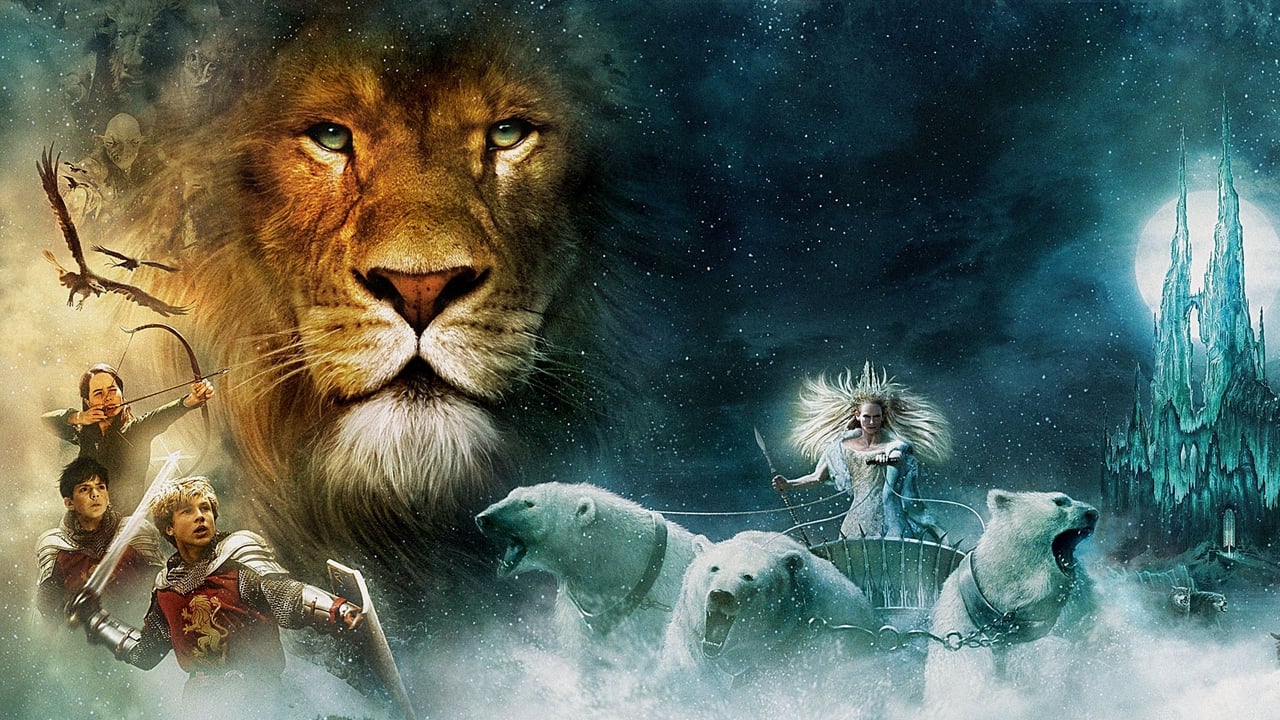
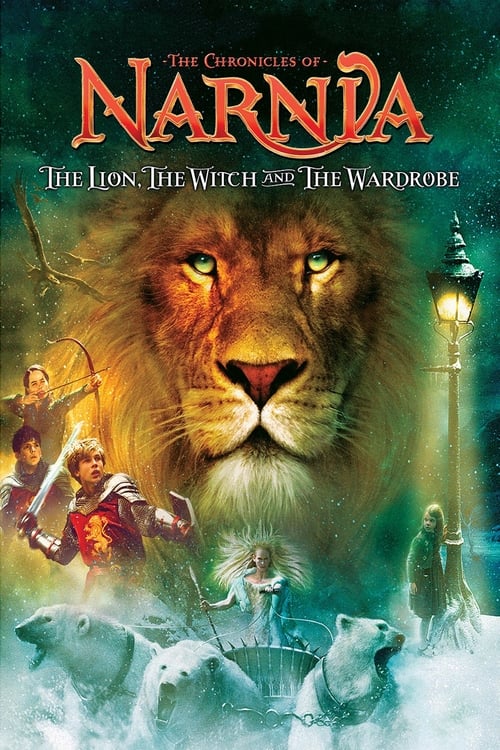
(2005)During World War II, four siblings are sent from London to the countryside and discover a hidden world inside a wardrobe. In Narnia, they are drawn into a conflict involving a tyrannical White Witch, talking creatures, and the hope of the land's true king.
This adaptation carries strong themes of courage, betrayal, sacrifice, and restoration, but it also includes battle peril, frightening moments, and fantasy spirituality. Many Christian families will notice rich points of connection to Christian truth alongside scenes that may be intense for younger children.
Use the content rating for intensity and the Christian guidance rating for worldview and faith discussion.
Content Indicators

Reviewed 19 March 2026
Esther handles review quality, clarity, and the practical guidance families need after the credits roll.
The Chronicles of Narnia: The Lion, the Witch and the Wardrobe Christian Movie Review (2005)
Guidance: Talk Together
This adaptation carries strong themes of courage, betrayal, sacrifice, and restoration, but it also includes battle peril, frightening moments, and fantasy spirituality. Many Christian families will notice rich points of connection to Christian truth alongside scenes that may be intense for younger children.
Why This Guidance Level
This lands in discussion-advised territory because the film is rich in Christian-adjacent meaning but also carries notable fantasy spirituality and several intense scenes of war, betrayal, and battle. The main need for parents is less about crude content and more about helping children process the story’s symbolism, fear, and moral choices in light of Jesus Christ and biblical truth.
Faith & Worldview Perspective
The story presents a morally clear conflict between evil and goodness, and it honors courage, repentance, loyalty, and self-giving love. Its strongest resonance for Christian families is the pattern of a righteous king who gives himself for the guilty and brings restoration, which can open a natural conversation about Jesus Christ without confusing Aslan with Christ himself. The tension is that Narnia is still a fantasy world shaped by magic, mythical creatures, and supernatural forces that are not biblical descriptions of the real spiritual world. Parents may want to discuss how stories can echo the gospel while remaining fiction.
Truths Reflected
- Sacrificial love for the sake of others is powerful and life-giving.
- Betrayal, repentance, forgiveness, and restored fellowship matter.
Tensions to Discuss
- The film uses magic and mythic beings as part of its world, which may need clarification for children learning a Christian view of spiritual reality.
- An allegorical savior figure can point toward Christ, but Christian hope rests in the real Jesus Christ, not in fantasy symbolism.
Content & Discernment Markers
Occult & Spiritual Content
- Fantasy spirituality is woven into the world of Narnia through magic, enchanted winter, mythical creatures, and the White Witch’s supernatural power. This is not presented as real-world occult practice, but it is a major part of the story’s atmosphere. Parents may want to discuss the difference between fantasy symbolism and the true spiritual hope Christians have in Jesus Christ.
Sexuality & Relationships
- Sexual content does not stand out here. Relationships center on family bonds, sibling conflict, loyalty, and care for others.
Identity Themes
- The children grow into roles of courage and responsibility, especially as Peter is told, “Promise me you’ll look after the others.” The film treats identity as something shaped by character, duty, and moral choice rather than self-invention. Parents may want to discuss how God calls people to faithfulness and courage.
Violence & Intensity
- The opening London bombing raid is intense for a family film, with shouted warnings like “the shelter. Now!” and “Get down!” as the children run for safety. This wartime danger may be especially unsettling for younger viewers.
- Peril continues through the story with kidnapping, imprisonment, pursuit, and battle scenes involving swords, bows, spears, and close combat. The violence is mostly bloodless, but the threat is real and includes injuries and deaths that give the conflict emotional weight.
- The White Witch and her forces create a steady sense of menace, especially when children are targeted or separated from safety. For Christian families, the emotional intensity matters as much as the action itself.
Language & Humour
- Language is mild and mostly tied to sibling conflict. Notable lines include “Come on, you idiot, run!” and “You’re so selfish!” There is also some sharp bickering and impatient speech, but stronger profanity is not a feature.
Other Content Notes
- The film begins with wartime evacuation and the pain of children leaving their mother while their father is away fighting. Lines like “If Dad were here” and “My father’s fighting in the war” give the story a real sadness beneath the fantasy adventure.
- A professor is shown smoking a pipe briefly. This is minor and not emphasized.
Notable Moments
- WWII air raid opening: The film begins with urgent wartime danger as the children run for shelter during a bombing raid.
“Peter, quickly, the shelter. Now!”
- Family separation: The evacuation scenes underline fear, grief, and uncertainty as the children leave their mother.
“If Dad were here, he wouldn’t make us go.”
- Tumnus confession: Lucy learns that the faun who welcomed her has been planning to betray her, introducing the film’s themes of temptation and repentance.
“It’s not something I have done, Lucy Pevensie. It’s something I am doing.”
- Kidnapping threat: The danger becomes personal when Lucy hears a direct admission of intended capture.
“I’m kidnapping you.”
Discussion Prompts
- Sacrifice and redemption: What does the story show about someone giving himself for others, and how is that similar to or different from what Jesus Christ has done?
- Biblical guidance: Use the film’s sacrificial themes to point children to the true gospel: Jesus willingly laid down His life for sinners and rose again in victory.
- Scripture: John 10:11, Romans 5:8, 1 Peter 3:18
- Betrayal, repentance, and forgiveness: How should we respond when someone fails badly and then turns back in sorrow?
- Biblical guidance: The story gives a good opening to talk about sin, repentance, and the mercy God offers, while also discussing the hard work of rebuilding trust.
- Scripture: Luke 15:11-24, 1 John 1:9, Ephesians 4:32
- Courage in fearful moments: What kind of courage do the children need, and how is biblical courage different from just acting brave?
- Biblical guidance: Christian courage is not pretending fear is gone; it is trusting God and doing what is right in the middle of fear.
- Scripture: Joshua 1:9, Psalm 27:1, 2 Timothy 1:7
- Fantasy magic and spiritual truth: How can a made-up story contain true ideas without teaching us to believe in its magic as real?
- Biblical guidance: Help children distinguish between imaginative storytelling and the real spiritual world revealed by God in Scripture, keeping their hope centered on Jesus Christ.
- Scripture: Philippians 4:8, Deuteronomy 18:10-12, Colossians 2:8
Common questions about The Chronicles of Narnia: The Lion, the Witch and the Wardrobe
- What age is The Chronicles of Narnia: The Lion, the Witch and the Wardrobe suitable for?
- The Chronicles of Narnia: The Lion, the Witch and the Wardrobe suits children of about 9 and older in most families. The main reason is violence and peril. The opening London bombing raid is intense for a family film, with shouted warnings like "the shelter. Younger viewers may still enjoy it alongside a parent, and it raises worldview questions worth talking through afterwards.
- Is The Chronicles of Narnia: The Lion, the Witch and the Wardrobe okay for a 7-year-old?
- The Chronicles of Narnia: The Lion, the Witch and the Wardrobe is generally better suited to children of about 9 and up, so a 7-year-old may find parts of it a stretch. The opening London bombing raid is intense for a family film, with shouted warnings like "the shelter. Families whose children handle violence and peril well may still be comfortable watching together.
Age guidance is derived from this review's content findings and the film's official classifications. It is a starting point for your own judgement, not a rule.
Parent comments
Leave a comment on this review
Share a short note on The Chronicles of Narnia: The Lion, the Witch and the Wardrobe, or help other parents with discernment.
Submit will ask you to sign in first.
Weekend family picks
Get the short family movie list before the weekend
Example newsletter: 3 movies to watch this weekend with your family, plus one question to ask after the credits.
Sample: 3 movies to watch this weekend with your family
One cinema pick, one streaming pick, one conversation-starter pick.
Related Articles
A few bigger-picture reads for parents who want more context than a single review page can hold.

How To Talk With Kids About Magic, Fate, And Spiritual Themes In Movies
Many family movies use magic, destiny, spirits, or cosmic balance to drive the story. This article helps Christian parents respond without overreacting, while still drawing clear lines back to biblical truth.
Read article
How To Talk With Kids About Dragon magic In Family Movies
A parent-friendly guide to discussing dragon magic in family movies through a Christian lens.
Read article
How To Talk With Kids About Mild fantasy peril In Family Movies
A parent-friendly guide to discussing mild fantasy peril in family movies through a Christian lens.
Read articleMore Reviews


Official regional ratings
Local ratings remain available for reference, but LionLens separates those classifications from Christian family discernment.
Review Method
How this review was prepared
LionLens reviews are written with subtitle and dialogue evidence where available, official regional ratings data, source research, and final human editorial review before publication.