Human Reviewed
Parent feedback
33 families found this review helpful
Christian Movie Review
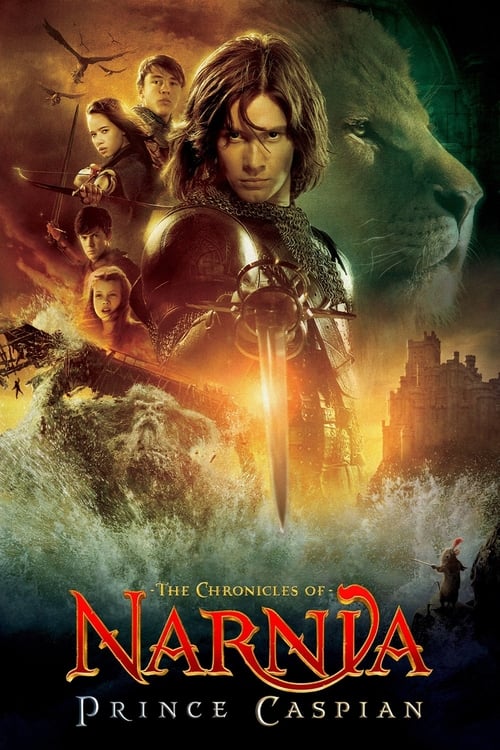
The Chronicles of Narnia: Prince Caspian Christian Movie Review
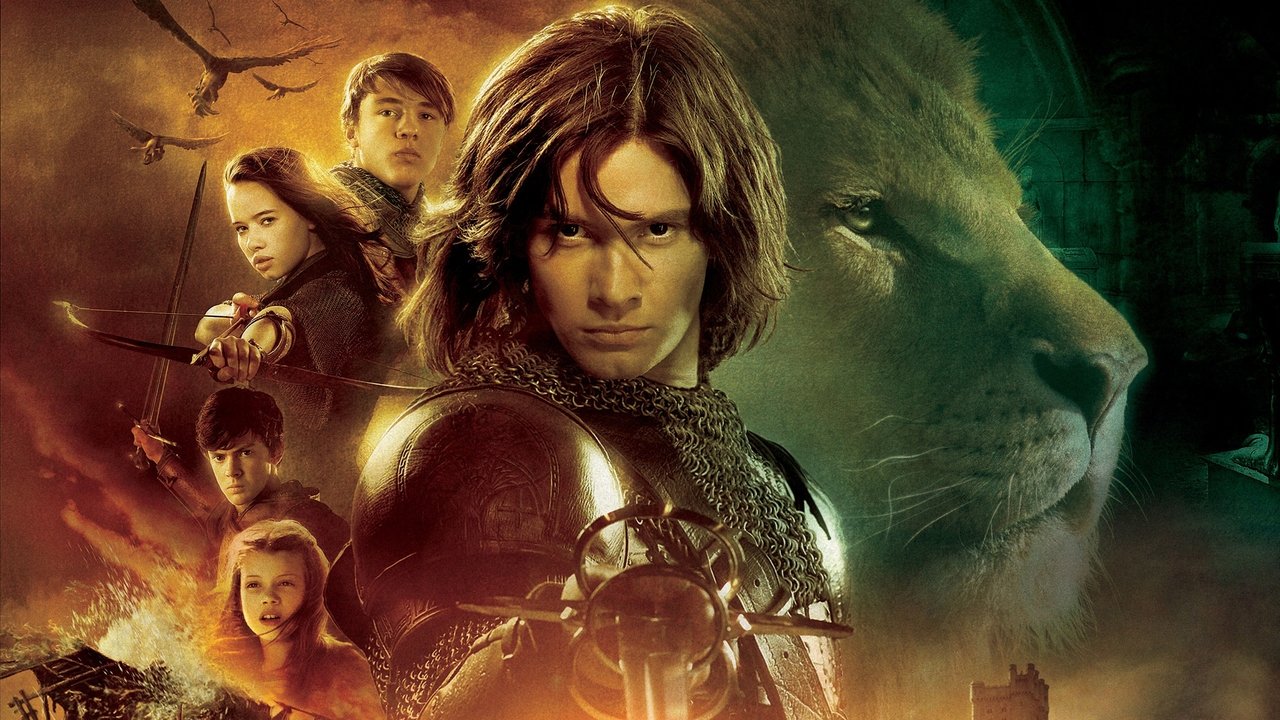
(2008)The Pevensie children return to Narnia and find that centuries have passed. They join Prince Caspian and the remaining Narnians in a struggle against King Miraz, whose rule is marked by fear, betrayal, and war.
This sequel carries more battle tension and darker political conflict than the first film. Its strongest family discussion points are war, revenge, rightful authority, and the film's magical world surrounding Aslan, prophecy, and the "Deep Magic."
Use the content rating for surface intensity and the Christian guidance rating for worldview and follow-up conversation.
Content Indicators

Reviewed 6 March 2026
Esther handles review quality, clarity, and the practical guidance families need after the credits roll.
The Chronicles of Narnia: Prince Caspian Christian Movie Review (2008)
Guidance: Talk Together
This sequel carries more battle tension and darker political conflict than the first film. Its strongest family discussion points are war, revenge, rightful authority, and the film’s magical world surrounding Aslan, prophecy, and the “Deep Magic.”
Why This Guidance Level
This lands in the middle guidance range because the film is still a mainstream family fantasy, but it is clearly darker and more war-focused than a light children’s adventure. The main reasons for discussion are sustained battle peril, revenge language, and the fantasy-spiritual framework of magic objects, prophecy, and the “Deep Magic,” alongside strong themes of rightful kingship, mercy, and hope.
Faith & Worldview Perspective
The film presents a morally serious conflict between tyranny and rightful rule, and it honors courage, loyalty, and mercy over fear and vengeance. It also uses a fantasy world where magic, ancient powers, and supernatural signs are treated as real parts of the story. Christian families may want to talk about how the longing for a true king and rescuer echoes the hope fulfilled in Jesus Christ, while making clear that Christian faith rests in Christ, not in magical power or mystical forces.
Truths Reflected
- Tyranny, deceit, and hatred of the weak are shown as evil.
- Mercy matters, even when fear and revenge feel justified.
Tensions to Discuss
- The film’s supernatural framework includes magic and “Deep Magic,” which may need clarification so children do not confuse fantasy power with real spiritual truth.
- Some characters speak in dehumanizing ways about enemies, and Christian parents may want to discuss why Scripture forbids treating people as less than human.
Content & Discernment Markers
Occult & Spiritual Content
- Magic is part of the story world. Susan’s horn is treated as a magical object, Lucy says, “It feels like magic,” and characters speak of “the Deep Magic.” For Christian families, this is a good place to discuss the difference between fantasy storytelling and trust in Jesus Christ rather than supernatural power.
- Aslan is spoken of in reverent, mythic language: “When Aslan bares his teeth, winter meets its death. When he shakes his mane… we shall have spring again.” The moment carries spiritual weight in the story and may invite conversation about why many families see Aslan as a Christ-figure rather than a model for real-world spiritual practice.
Sexuality & Relationships
- Romantic content is very light, limited to mild flirting and a tender kiss near the end. Nothing sexual stands out here.
Identity Themes
- Peter struggles with no longer being treated as a king and resents being treated like a child: “I mean, don’t you ever get tired of being treated like a kid?” The film ties identity to calling, maturity, and remembered status. Parents may want to discuss finding identity in God’s truth rather than past glory or pride.
Violence & Intensity
- The story opens with political betrayal and an attempted killing of Prince Caspian after Miraz’s son is born. The threat is immediate, and Caspian is forced to flee for his life.
- War language is frequent and direct. Miraz speaks of exterminating Narnians as “vermin,” says they have been “breeding like cockroaches under a rock,” and vows to “finish what our ancestors began.” This matters for Christian families because the film shows how hatred and fear can justify cruelty.
- Battle and attack material includes references to assaults on Cair Paravel, catapults, sword fighting, arrows, and repeated threats to kill. The overall tone is more intense than the first film, though it remains within family-fantasy territory rather than graphic gore.
- There is also a schoolyard fight at the train station. Boys urge, “Kick him in the face!” and Peter admits, “That’s when I hit him.” It is brief, but it gives parents a concrete moment to discuss anger and self-control.
- A tense conversation follows Caspian’s injury: “We can’t kill him now” and “It would be like murdering a guest.” The scene highlights fear, prejudice, and the moral line between defense and murder.
Language & Humour
- Language is mild. Insults and sharp phrases include “shut up,” “idiot,” “rotten egg,” and mocking put-downs during arguments and action scenes. The tone is more teasing and hostile than profane.
Other Content Notes
- The film includes prejudice and dehumanization as part of its villainy. Narnians are called “vermin” and compared to “cockroaches,” which clearly frames ethnic hatred and fear of the other as evil. Parents may want to connect this to the biblical command to honor the image of God in others.
- Authority and rightful rule are central themes. Miraz seizes power through deceit, while the story honors lawful kingship and sacrificial leadership. This can open a helpful conversation about authority under God’s justice.
Notable Moments
- Train station fight: Peter gets into a brief physical altercation with other boys, showing his frustration and pride before the Narnia story resumes.
“Edmund! Go on! Kick him in the face!”
- Miraz’s hatred speech: Miraz stirs fear by describing Narnians as less than human and calling for violent action.
“Much of our forefathers’ blood was shed to exterminate this vermin.”
- Magic return to Narnia: The children are pulled back into Narnia through a supernatural event and immediately recognize magical elements in the world.
“It feels like magic.”
- Mercy over murder: Characters argue over whether an injured enemy should be killed, making mercy and revenge a clear moral issue.
“We can’t kill him now.”
Discussion Prompts
- Mercy versus revenge: When characters wanted to kill an enemy because they were afraid, what made mercy harder? What does God call us to do when anger feels justified?
- Biblical guidance: Scripture calls believers away from personal vengeance and toward mercy, justice, and self-control.
- Scripture: Romans 12:17-21, James 1:19-20
- Rightful kingship and hope: Why do stories about a true king returning feel powerful? How does that longing point beyond Narnia to Jesus Christ?
- Biblical guidance: The Bible teaches that our deepest hope is fulfilled in Christ, the true King whose rule is righteous and good.
- Scripture: Isaiah 9:6-7, Revelation 19:16
- Prejudice and dehumanizing speech: What was wrong with calling Narnians “vermin” and comparing them to “cockroaches”? How does that kind of speech prepare people to do evil?
- Biblical guidance: Every person bears God’s image, so contempt and dehumanization oppose God’s design for human dignity.
- Scripture: Genesis 1:27, James 3:9-10
- Fantasy magic and Christian faith: How is the movie’s magic different from real faith in God? Why should Christians place their trust in Jesus Christ rather than in power, signs, or mystical forces?
- Biblical guidance: Christian hope rests in the Lord, not in magical objects or hidden spiritual power.
- Scripture: Deuteronomy 18:10-12, Colossians 2:8-10
Common questions about The Chronicles of Narnia: Prince Caspian
- What age is The Chronicles of Narnia: Prince Caspian suitable for?
- The Chronicles of Narnia: Prince Caspian suits children of about 9 and older in most families. The main reason is violence and peril. The story opens with political betrayal and an attempted killing of Prince Caspian after Miraz's son is born. Younger viewers may still enjoy it alongside a parent, and it raises worldview questions worth talking through afterwards.
- Is The Chronicles of Narnia: Prince Caspian okay for a 7-year-old?
- The Chronicles of Narnia: Prince Caspian is generally better suited to children of about 9 and up, so a 7-year-old may find parts of it a stretch. The story opens with political betrayal and an attempted killing of Prince Caspian after Miraz's son is born. Families whose children handle violence and peril well may still be comfortable watching together.
Age guidance is derived from this review's content findings and the film's official classifications. It is a starting point for your own judgement, not a rule.
Parent comments
Leave a comment on this review
Share a short note on The Chronicles of Narnia: Prince Caspian, or help other parents with discernment.
Submit will ask you to sign in first.
Weekend family picks
Get the short family movie list before the weekend
Example newsletter: 3 movies to watch this weekend with your family, plus one question to ask after the credits.
Sample: 3 movies to watch this weekend with your family
One cinema pick, one streaming pick, one conversation-starter pick.
Related Articles
A few bigger-picture reads for parents who want more context than a single review page can hold.

How To Talk With Kids About Magic, Fate, And Spiritual Themes In Movies
Many family movies use magic, destiny, spirits, or cosmic balance to drive the story. This article helps Christian parents respond without overreacting, while still drawing clear lines back to biblical truth.
Read article
How To Talk With Kids About Dragon magic In Family Movies
A parent-friendly guide to discussing dragon magic in family movies through a Christian lens.
Read article
How To Talk With Kids About Mild fantasy peril In Family Movies
A parent-friendly guide to discussing mild fantasy peril in family movies through a Christian lens.
Read articleMore Reviews


Official regional ratings
Local ratings remain available for reference, but LionLens separates those classifications from Christian family discernment.
Review Method
How this review was prepared
LionLens reviews are written with subtitle and dialogue evidence where available, official regional ratings data, source research, and final human editorial review before publication.