Human Reviewed
Parent feedback
54 families found this review helpful
Christian Movie Review
The Cat in the Hat Christian Movie Review
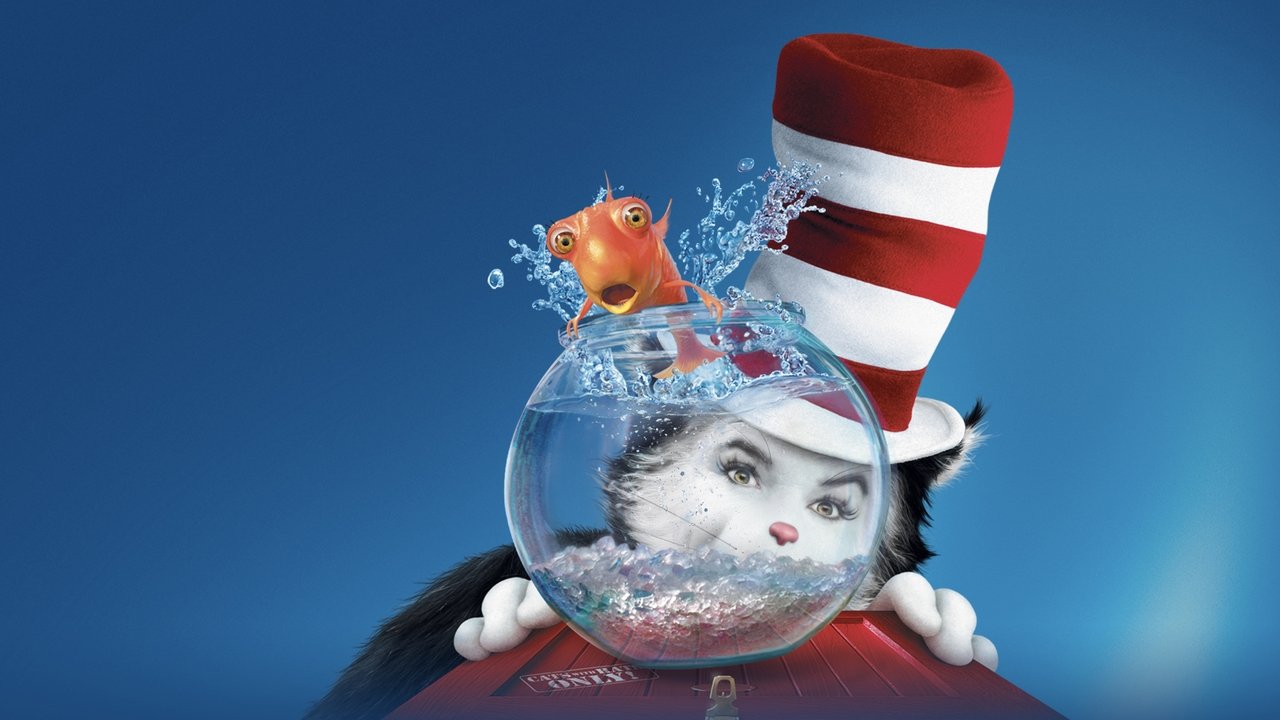
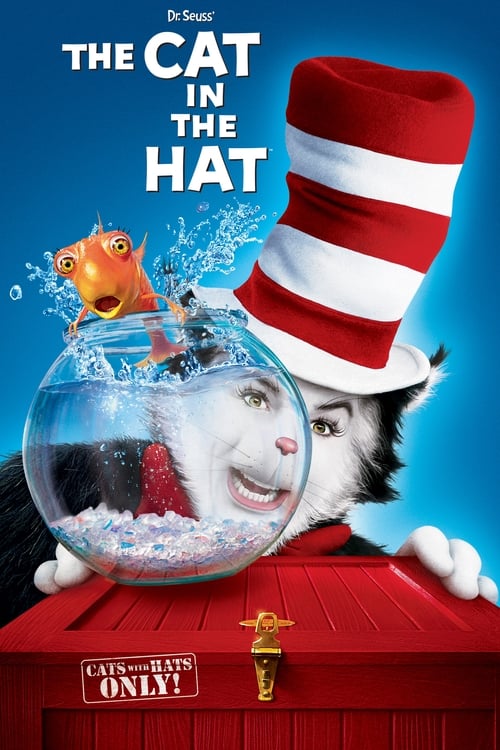
(2003)This live-action adaptation of Dr. Seuss follows Conrad and Sally Walden, two children whose orderly day is thrown into chaos when the Cat in the Hat arrives. The film leans heavily into exaggerated comedy, household destruction, and a clash between strict order and reckless fun.
This is a noisy, chaotic family comedy with slapstick peril, crude humor, and a few adult-oriented jokes that may catch parents off guard. Its bigger discernment issue is the way rebellion, disrespect, and disorder are often played for laughs before consequences come into view.
Use the content rating for surface issues and the Christian guidance rating for the film's deeper messages and tone.
Content Indicators

Reviewed 23 September 2026
Micah covers action, fantasy, and franchise releases, with close attention to violence, spiritual themes, and moral framing.
The Cat in the Hat Christian Movie Review (2003)
Guidance: Talk Together
This is a noisy, chaotic family comedy with slapstick peril, crude humor, and a few adult-oriented jokes that may catch parents off guard. Its bigger discernment issue is the way rebellion, disrespect, and disorder are often played for laughs before consequences come into view.
Why This Guidance Level
This lands in the middle because the surface content is not extreme, but the film’s tone and humor create more to talk through than many family titles. Crude jokes, reckless behavior, and a playful celebration of disorder may not trouble every household equally, yet they give parents good reason to discuss wisdom, respect, and self-control.
Faith & Worldview Perspective
The film reflects real family strain, including a single mother under pressure and children who need guidance, but it often frames chaos as liberating and authority as either oppressive or ridiculous. That mixed moral picture can be worth discussing in light of Christian wisdom: joy is good, but freedom without self-control becomes foolishness, and lasting hope is not found in disorder but in truth and right relationship. Parents may want to discuss how Jesus Christ calls us to both joy and obedience.
Truths Reflected
- Children need loving guidance and consequences.
- Family relationships matter more than appearances and social performance.
Tensions to Discuss
- Rebellion and disrespect are often played for laughs rather than treated with moral seriousness.
- Authority is frequently portrayed as foolish, harsh, or manipulative, which may need balance with biblical teaching on honor and wise correction.
Content & Discernment Markers
Occult & Spiritual Content
- The story introduces magical disruption into an ordinary home, with the narrator saying that “something magical would happen” to the children. This fantasy element is whimsical rather than occult instruction, but it still presents supernatural power outside any Christian frame. Parents may want to discuss the difference between playful fantasy and real spiritual truth.
Sexuality & Relationships
- A flirtatious adult dynamic appears around Joan and Larry, with lines like “And here I thought you were only dating me for my good looks.” The film also carries mild innuendo and crude humor that push beyond simple children’s comedy.
Identity Themes
- Conrad is treated as the problem child, and talk of sending him to the “Colonel Wilhelm Military Academy for Troubled Youth” reinforces a label-driven view of his behavior. This can open a conversation about correcting sin without reducing a child to his worst actions.
Violence & Intensity
- Comic peril includes risky stunts inside the home, especially Conrad announcing, “You are about to witness the third most spectacular stunt… ever performed under this roof!” followed by “indoor stair luge!” The scene models unsafe behavior in a playful way that younger children could imitate.
- The film also uses threat-based discipline for humor and tension, including discussion of military school with “brutal forced marches” and “soul-crushing discipline.” The tone is comic, but the idea of harsh punishment is still part of the story’s pressure.
Language & Humour
- Language is mostly mild, with put-downs and disrespectful speech such as “Go have no fun somewhere else,” “dude,” and sarcastic back-and-forth between children and adults. The bigger issue is the film’s crude humor and innuendo, including jokes that aim at adults as much as kids.
Other Content Notes
- A stressed boss fires an employee on the spot with repeated “Fired,” and then threatens Joan: “If your house is as messy as last time, you’re fired!” This adds workplace pressure and humiliation to the family tension.
- The film repeatedly centers on disorder in the home, with Joan saying, “Why did you have to pick today to destroy the house?” and confronting Conrad for doing “the exact opposite of what I say.” Parents may want to discuss why self-control and obedience matter even when chaos feels fun.
Notable Moments
- Risky stunt comedy: Conrad performs a dangerous indoor stunt that turns household chaos into a comic set piece.
“You are about to witness the third most spectacular stunt… ever performed under this roof!… And now, for the indoor stair luge!”
- Harsh discipline pressure: Larry raises the possibility of sending Conrad away to military school, framing discipline in severe terms.
“Have you given some thought about the Wilhelm Academy? You mean the Colonel Wilhelm Military Academy for Troubled Youth?”
- Work and family strain: Joan is squeezed between job expectations and caring for her children.
“Mr. Humberfloob, I have to get home to my kids… If your house is as messy as last time, you’re fired!”
Discussion Prompts
- Freedom and self-control: When does fun cross the line into foolishness or harm? How should we think about freedom when other people can get hurt?
- Biblical guidance: Scripture connects wisdom with self-control, not chaos. Real freedom is shaped by love and responsibility.
- Scripture: Galatians 5:13, Proverbs 25:28, 1 Corinthians 14:33
- Honoring parents and authority: How does Conrad respond when his mother gives clear instructions? What does honoring a parent look like even when you feel frustrated?
- Biblical guidance: Children are called to obey and honor parents, while parents are called to guide with patience and care.
- Scripture: Ephesians 6:1-4, Colossians 3:20
- Correction without harshness: What is the difference between wise discipline and humiliating or fear-based control?
- Biblical guidance: Christian correction should aim at love, truth, and restoration, not manipulation or crushing pressure.
- Scripture: Proverbs 13:24, Colossians 3:21, Hebrews 12:11
- Truth, appearances, and family pressure: Why is Joan so worried about how the house looks and what others think? What matters more to God than keeping up appearances?
- Biblical guidance: People often focus on outward image, but the Lord cares about the heart. Christian hope in Christ frees families from living for appearances.
- Scripture: 1 Samuel 16:7, Matthew 6:33, John 14:27
Common questions about The Cat in the Hat
- What age is The Cat in the Hat suitable for?
- The Cat in the Hat suits children of about 9 and older in most families. The main reason is sexual content. A flirtatious adult dynamic appears around Joan and Larry, with lines like "And here I thought you were only dating me for my good looks."
- Is The Cat in the Hat okay for a 7-year-old?
- The Cat in the Hat is generally better suited to children of about 9 and up, so a 7-year-old may find parts of it a stretch. A flirtatious adult dynamic appears around Joan and Larry, with lines like "And here I thought you were only dating me for my good looks." Families whose children handle sexual content well may still be comfortable watching together.
Age guidance is derived from this review's content findings and the film's official classifications. It is a starting point for your own judgement, not a rule.
Parent comments
Leave a comment on this review
Share a short note on The Cat in the Hat, or help other parents with discernment.
Submit will ask you to sign in first.
Weekend family picks
Get the short family movie list before the weekend
Example newsletter: 3 movies to watch this weekend with your family, plus one question to ask after the credits.
Sample: 3 movies to watch this weekend with your family
One cinema pick, one streaming pick, one conversation-starter pick.
Related Articles
A few bigger-picture reads for parents who want more context than a single review page can hold.

Animal Farm And Talking With Kids About Power, Truth, And Sin
Animal Farm can help older children see how slogans, fear, and corrupted authority distort truth, but parents should frame the story with a biblical view of sin.
Read article
Disney And Pixar Films For Christian Families: Why They Still Need Discernment
Disney and Pixar films often feel safer than they really are. This guide helps Christian parents notice the spiritual assumptions, emotional messages, and identity themes that can slip past a quick first impression.
Read article
5 Things To Notice In Kids Movies Before The Message Lands
A child can absorb a movie long before they can explain it. These five checkpoints help Christian parents notice what a film is training the heart to love, fear, excuse, or trust.
Read articleMore Reviews

Official regional ratings
Local ratings remain available for reference, but LionLens separates those classifications from Christian family discernment.
Review Method
How this review was prepared
LionLens reviews are written with subtitle and dialogue evidence where available, official regional ratings data, source research, and final human editorial review before publication.