
Human Reviewed
Parent feedback
37 families found this review helpful
Christian Movie Review
The Boy, the Mole, the Fox and the Horse Christian Movie Review
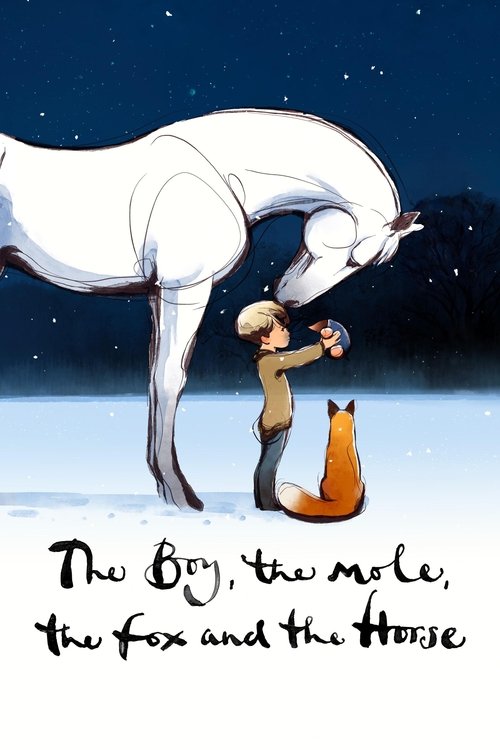
(2022)This animated short follows a lost boy who journeys through a winter landscape with a mole, a fox, and a horse as they search for home together. Along the way, the group shares gentle reflections about fear, kindness, courage, love, and belonging.
This is a tender, visually gentle family film with only mild peril, but its strongest impact comes from its emotional and philosophical messaging. Christian families may appreciate its compassion and honesty while also wanting to talk about where lasting hope, identity, and love are grounded.
Use the content rating for surface concerns and the Christian guidance rating for the film's deeper messages.
Content Indicators

Reviewed 26 September 2026
Micah covers action, fantasy, and franchise releases, with close attention to violence, spiritual themes, and moral framing.
The Boy, the Mole, the Fox and the Horse Christian Movie Review (2022)
Guidance: Low Concern
This is a tender, visually gentle family film with only mild peril, but its strongest impact comes from its emotional and philosophical messaging. Christian families may appreciate its compassion and honesty while also wanting to talk about where lasting hope, identity, and love are grounded.
Why This Guidance Level
This film is very gentle on surface content, but it carries repeated messages about identity, worth, love, and hope that are worth discussing with children. Its comfort is sincere and often beautiful, yet it frames those truths in a general inspirational way rather than in the saving love and truth of Jesus Christ.
Faith & Worldview Perspective
The story reflects real grace notes: kindness matters, fear can distort our thinking, honesty is good, and people need love, help, and belonging. At the same time, the film presents these comforts as universal wisdom rather than gifts rooted in the character of God. Parents may want to discuss how Christian hope goes beyond self-acceptance and rests in being known and loved by God through Jesus Christ.
Truths Reflected
- Kindness, compassion, and bearing one another’s burdens are treated as deeply valuable.
- The film recognizes that fear, discouragement, and isolation affect the heart and that people need help and love.
Tensions to Discuss
- Identity is often framed through inward affirmation such as “you’re enough” rather than through our need for God and new life in Christ.
- The film offers comfort in broad spiritual language without naming God, truth, sin, repentance, or the hope of Jesus Christ.
Content & Discernment Markers
Occult & Spiritual Content
- Occult material does not stand out here. The horse later reveals, “I can fly,” which functions as gentle fantasy rather than spiritual practice or supernatural teaching. Parents may simply note the difference between storybook fantasy and real spiritual truth.
Sexuality & Relationships
- There is no sexual content or romantic storyline. Relationships are centered on friendship, care, and belonging.
Identity Themes
- The film repeatedly speaks to self-worth and emotional struggle with lines such as “Life is difficult… but you are loved,” “You are loved and important,” and “Always remember… you’re enough. Just as you are.” These are tender and comforting, but Christian families may want to discuss how our deepest identity is found in God’s love and truth, not only in self-affirmation.
Violence & Intensity
- A trapped fox warns the mole, “If I wasn’t caught in this snare, I’d kill you,” creating one of the film’s sharpest moments of threat. The scene is brief, but younger children may notice the hostility.
- There is mild adventure peril when the group travels through snow and darkness, the boy slips near the river, and another character is rescued from the water. The danger is real but handled gently and without graphic injury.
- A storm sequence brings fear and disorientation as the characters lose sight of the lights they were following. The scene may prompt conversation about fear and where we turn for help.
Language & Humour
- Language is very clean. Mild exclamations include phrases like “good grief,” “oh, gosh,” and “golly,” and much of the humor comes from the mole’s repeated talk about cake.
Other Content Notes
- The story includes emotional distress and sadness. The boy says, “I’m lost,” later admits, “I just don’t think I can do this,” and the film speaks openly about tears, fear, and hopeless thoughts. This can be helpful for children, and parents may want to discuss bringing fear and sadness honestly to God.
- The film strongly emphasizes asking for help, including the line, “What’s the bravest thing you’ve ever said? ‘Help.’” This is one of its healthiest themes and can open a practical family conversation.
Notable Moments
- Fox threat: The fox, caught in a snare, lashes out verbally before being helped.
“If I wasn’t caught in this snare, I’d kill you.”
- Help as courage: One of the film’s clearest statements about vulnerability and perseverance.
“What’s the bravest thing you’ve ever said? “Help.""
- Identity affirmation: The horse comforts the discouraged boy with a direct statement about worth and purpose.
“You are loved and important, and you bring to this world things that no one else can.”
- Home and belonging: The ending reframes home as loving relationship rather than only a physical place.
“Home isn’t always a place, is it?”
Discussion Prompts
- Asking for help: Why do you think the film says the bravest word can be “help”? Who can we go to when we feel afraid or overwhelmed?
- Biblical guidance: Scripture teaches that weakness should move us toward God and toward wise help from others, not toward hiding.
- Scripture: Psalm 46:1, Galatians 6:2, James 5:16
- Identity and worth: The film says, “You’re enough. Just as you are.” What is helpful about that, and what does the Bible say about where our worth comes from?
- Biblical guidance: Children can be reminded that every person has dignity because they are made by God, and our deepest hope is not self-confidence but being loved and redeemed in Jesus Christ.
- Scripture: Genesis 1:27, Romans 5:8, 2 Corinthians 5:17
- Fear and truth: When the boy feels hopeless, what helps him keep going? How can fear tell us things that are not true?
- Biblical guidance: The Bible calls us to test our thoughts and remember what is true, honorable, and hopeful in Christ.
- Scripture: Philippians 4:8, 2 Timothy 1:7, John 14:27
- Love and belonging: What does the film mean when it says home is not always a place? How does God’s family give people a place to belong?
- Biblical guidance: Christian belonging is more than warm feelings; in Christ, believers are adopted into God’s family and called to love one another deeply.
- Scripture: John 13:34-35, Romans 8:15-17, 1 John 4:19
Common questions about The Boy, the Mole, the Fox and the Horse
- What age is The Boy, the Mole, the Fox and the Horse suitable for?
- The Boy, the Mole, the Fox and the Horse suits children of about 6 and older in most families. The main reason is violence and peril. A trapped fox warns the mole, "If I wasn't caught in this snare, I'd kill you," creating one of the film's sharpest moments of threat.
- Is The Boy, the Mole, the Fox and the Horse okay for a 4-year-old?
- The Boy, the Mole, the Fox and the Horse is generally better suited to children of about 6 and up, so a 4-year-old may find parts of it a stretch. A trapped fox warns the mole, "If I wasn't caught in this snare, I'd kill you," creating one of the film's sharpest moments of threat. Families whose children handle violence and peril well may still be comfortable watching together.
Age guidance is derived from this review's content findings and the film's official classifications. It is a starting point for your own judgement, not a rule.
Parent comments
Leave a comment on this review
Share a short note on The Boy, the Mole, the Fox and the Horse, or help other parents with discernment.
Submit will ask you to sign in first.
Weekend family picks
Get the short family movie list before the weekend
Example newsletter: 3 movies to watch this weekend with your family, plus one question to ask after the credits.
Sample: 3 movies to watch this weekend with your family
One cinema pick, one streaming pick, one conversation-starter pick.
Related Articles
A few bigger-picture reads for parents who want more context than a single review page can hold.
Animal Farm And Talking With Kids About Power, Truth, And Sin
Animal Farm can help older children see how slogans, fear, and corrupted authority distort truth, but parents should frame the story with a biblical view of sin.
Read article
5 Things To Notice In Kids Movies Before The Message Lands
A child can absorb a movie long before they can explain it. These five checkpoints help Christian parents notice what a film is training the heart to love, fear, excuse, or trust.
Read article
3 Family Movies To Watch With The Kids This Weekend
Three family movie options with quick Christian discernment notes, review links, and simple conversation prompts for parents.
Read articleMore Reviews


Official regional ratings
Local ratings remain available for reference, but LionLens separates those classifications from Christian family discernment.
Review Method
How this review was prepared
LionLens reviews are written with subtitle and dialogue evidence where available, official regional ratings data, source research, and final human editorial review before publication.