
Human Reviewed
Parent feedback
20 families found this review helpful
Christian Movie Review
Teenage Mutant Ninja Turtles Christian Movie Review
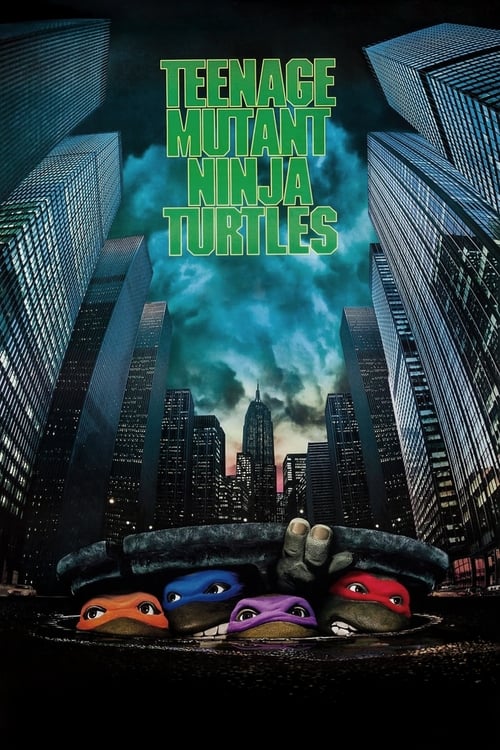
(1990)Four mutated turtles trained in ninjutsu leave the sewers to protect New York City from a criminal gang led by Shredder. The film mixes comic-book action, brotherly banter, and a steady stream of fight scenes with a light, playful tone.
This is a lively PG action-comedy with moderate fighting, some crude jokes, and a few sexualized comments aimed at April. It also carries a stronger concern in its moral framing of violence as punishment and its use of Eastern-style spiritual discipline apart from Christian hope in Christ.
Use the film’s action and teamwork as a conversation starter about justice, self-control, and the difference between heroic restraint and revenge.
Content Indicators

Reviewed 14 May 2026
Micah covers action, fantasy, and franchise releases, with close attention to violence, spiritual themes, and moral framing.
Teenage Mutant Ninja Turtles Christian Movie Review (1990)
Guidance: Talk Together
This is a lively PG action-comedy with moderate fighting, some crude jokes, and a few sexualized comments aimed at April. It also carries a stronger concern in its moral framing of violence as punishment and its use of Eastern-style spiritual discipline apart from Christian hope in Christ.
Why This Guidance Level
This film sits in the middle for family discernment. The surface content is mostly PG-level action, with repeated fighting, some crude language, and a few sexualized remarks, but nothing graphic. The bigger issue for Christian families is the moral framing: the movie celebrates vigilantism, treats punishment as a personal mission, and draws on ninjutsu spirituality and shadow language without a Christian center. That makes it a good candidate for guided discussion rather than a simple yes-or-no reaction.
Faith & Worldview Perspective
The movie values loyalty, discipline, and protecting the vulnerable, and it gives Splinter a strong mentor role that reinforces self-control. At the same time, it normalizes street justice and presents spiritual discipline in a way that sits outside Christian hope in Christ, so parents may want to discuss what true justice and peace look like under God’s authority.
Truths Reflected
- Brotherhood and loyalty matter
- Anger needs restraint and wise guidance
Tensions to Discuss
- Violence is framed as personal punishment rather than justice under God
- The film’s spiritual language centers on ninjutsu discipline instead of Christ
Content & Discernment Markers
Occult & Spiritual Content
- Splinter teaches the turtles to live by ninjutsu discipline, invisibility, and the shadow: “Our domain is the shadow” and “the art of invisibility.” The film treats this as wise training rather than something to question, so parents may want to discuss how Christian wisdom and peace in Christ differ from mystical self-mastery.
Sexuality & Relationships
- April is repeatedly treated as an object of male attention, with leering comments and suggestive joking around her. The movie keeps this brief, but the way men talk about her can be worth a family conversation about honoring others as image-bearers of God.
Identity Themes
- The turtles are defined by brotherhood, loyalty, and a shared mission, and Splinter reminds them that they are unique among their brothers. The film presents identity through team belonging and training, which parents may want to discuss alongside identity in Christ.
Violence & Intensity
- The movie opens with purse-snatching and street crime, then moves into rooftop fights, weapon clashes, and Casey Jones beating criminals while calling it “the penalty.” The action stays stylized, but the repeated combat and revenge language make the violence a real part of the viewing experience; parents may want to discuss the difference between justice and payback.
Language & Humour
- The dialogue includes mild profanity and crude banter such as “what the hell,” “damn,” “freak,” “idiot,” and “jackass,” along with jokes like “major league butt-kicking” and “Class is Pain 101.” The tone is playful, but families sensitive to coarse teasing may want to notice how casually the film uses those words.
Other Content Notes
- The film’s humor is constant, with pizza jokes, goofy one-liners, and comic reactions that soften the action. That light tone keeps the movie accessible, even when the story is about crime, fear, and retaliation.
Notable Moments
- Street crime opening: The film begins with a news report about a “silent crime wave” and then cuts to a purse-snatching attack that sets the city’s anxious tone.
“Get her purse. Get away from me!”
- Casey Jones vigilante fight: Casey turns criminal punishment into a joke, treating violence like a personal lesson and calling his bat work “the penalty.”
“Class is Pain 101. Your instructor is Casey Jones.”
- Splinter on anger: Splinter gives the film its clearest moral warning when he explains that anger can become an enemy if it is turned inward.
“Anger clouds the mind.”
- Brotherhood celebration: After a fight, the turtles celebrate their teamwork with loud, goofy enthusiasm, showing the film’s playful brotherhood theme.
“We were awesome, bros. Awesome!”
Discussion Prompts
- Anger and self-control: What does Splinter mean when he says anger clouds the mind, and how does that compare with the way Jesus teaches us to respond to wrongs?
- Biblical guidance: Scripture calls believers to be slow to anger and to leave vengeance to God, not to turn hurt into personal revenge.
- Scripture: James 1:19-20, Romans 12:19
- Justice versus revenge: When Casey Jones says criminals need to be taught a lesson, what is the difference between justice and payback?
- Biblical guidance: God cares about justice, but He also calls His people to act with restraint, mercy, and truth.
- Scripture: Micah 6:8, Proverbs 24:29
- Identity and belonging: The turtles find strength in brotherhood and training. Where should a Christian find identity and security first?
- Biblical guidance: Our deepest identity is in Christ, not in a team, skill set, or image we build for ourselves.
- Scripture: Galatians 2:20, 1 Peter 2:9
Common questions about Teenage Mutant Ninja Turtles
- What age is Teenage Mutant Ninja Turtles suitable for?
- Teenage Mutant Ninja Turtles suits children of about 9 and older in most families. The main reason is sexual content. April is repeatedly treated as an object of male attention, with leering comments and suggestive joking around her.
- Is Teenage Mutant Ninja Turtles okay for a 7-year-old?
- Teenage Mutant Ninja Turtles is generally better suited to children of about 9 and up, so a 7-year-old may find parts of it a stretch. April is repeatedly treated as an object of male attention, with leering comments and suggestive joking around her. Families whose children handle sexual content well may still be comfortable watching together.
Age guidance is derived from this review's content findings and the film's official classifications. It is a starting point for your own judgement, not a rule.
Parent comments
Leave a comment on this review
Share a short note on Teenage Mutant Ninja Turtles, or help other parents with discernment.
Submit will ask you to sign in first.
Weekend family picks
Get the short family movie list before the weekend
Example newsletter: 3 movies to watch this weekend with your family, plus one question to ask after the credits.
Sample: 3 movies to watch this weekend with your family
One cinema pick, one streaming pick, one conversation-starter pick.
Related Articles
A few bigger-picture reads for parents who want more context than a single review page can hold.

How To Talk With Kids About Magic, Fate, And Spiritual Themes In Movies
Many family movies use magic, destiny, spirits, or cosmic balance to drive the story. This article helps Christian parents respond without overreacting, while still drawing clear lines back to biblical truth.
Read article
How To Talk With Kids About Dragon magic In Family Movies
A parent-friendly guide to discussing dragon magic in family movies through a Christian lens.
Read article
How To Talk With Kids About Mild fantasy peril In Family Movies
A parent-friendly guide to discussing mild fantasy peril in family movies through a Christian lens.
Read articleMore Reviews




Official regional ratings
Local ratings remain available for reference, but LionLens separates those classifications from Christian family discernment.
Review Method
How this review was prepared
LionLens reviews are written with subtitle and dialogue evidence where available, official regional ratings data, source research, and final human editorial review before publication.