Human Reviewed
Parent feedback
54 families found this review helpful
Christian Movie Review
Storks Christian Movie Review
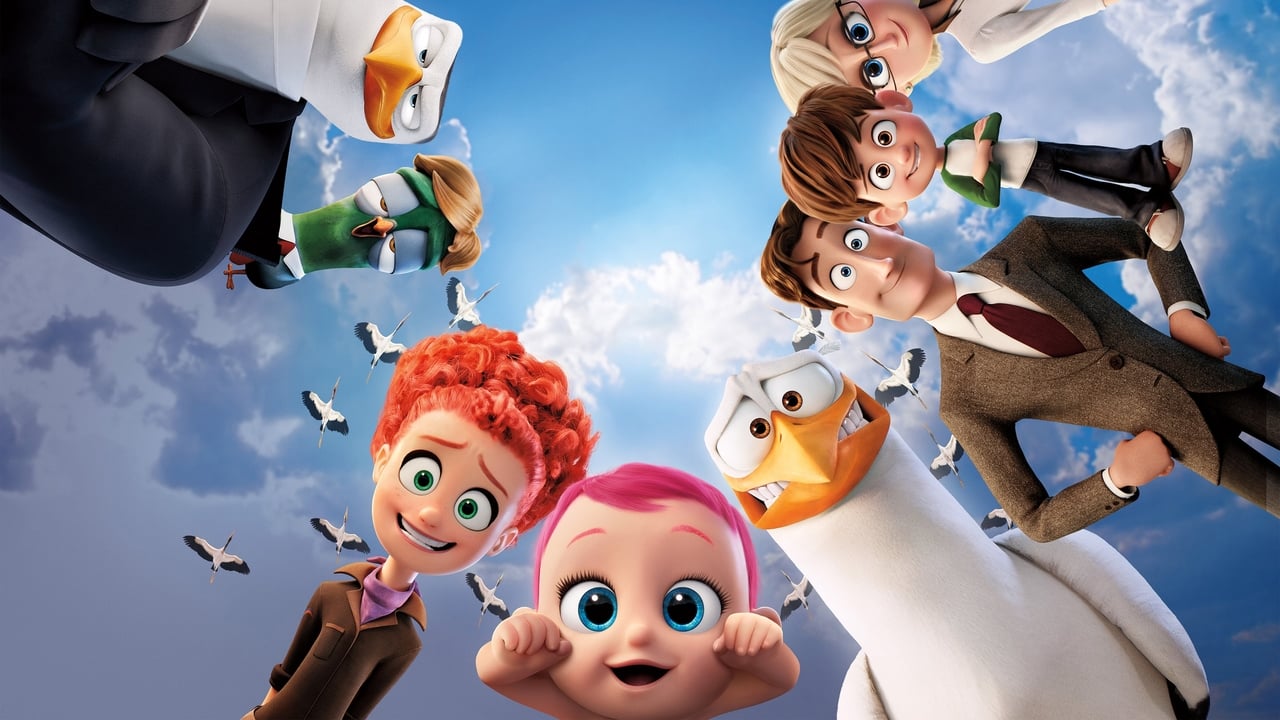
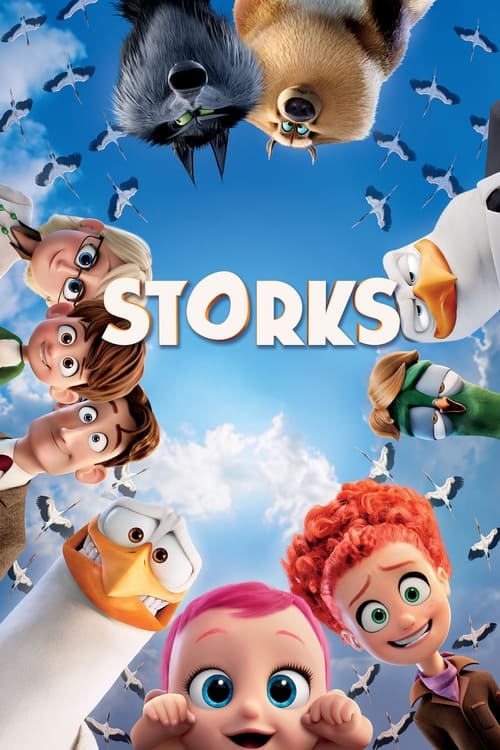
(2016)Storks deliver babies...or at least they used to. Now they deliver packages for a global internet retail giant. Junior, the company’s top delivery stork, is about to be promoted when he accidentally activates the Baby Making Machine, producing an adorable and wholly unauthorized baby girl...
Storks is a bright, fast family comedy with affectionate themes about belonging, family, and care for children. Most concerns come from animated peril, mild insults, and a worldview built around the stork-baby myth, along with a corporate message that treats people as problems until love and responsibility break through.
Start with the content rating, then use the Christian guidance rating to decide how much conversation your family may need.
Content Indicators

Reviewed 22 March 2026
Micah covers action, fantasy, and franchise releases, with close attention to violence, spiritual themes, and moral framing.
Storks Christian Movie Review (2016)
Guidance: Talk Together
Storks is a bright, fast family comedy with affectionate themes about belonging, family, and care for children. Most concerns come from animated peril, mild insults, and a worldview built around the stork-baby myth, along with a corporate message that treats people as problems until love and responsibility break through.
Why This Guidance Level
This lands in a middle category mainly because it is a family comedy with repeated chase-and-peril moments, some relational hurt, and a few mild insults, while also raising worthwhile conversations about loneliness, family, work, and what gives life meaning. The content itself is generally light, but the film gives parents several natural openings to talk about compassion, truth, and God’s design for family.
Faith & Worldview Perspective
The film warmly affirms that children are gifts, family life matters, and career success without love feels empty. It also shows the pain of exclusion through Junior and Tulip, and it criticizes a profit-first mindset that treats people as disposable. At the same time, the story uses the familiar stork-delivery myth and a few jokes around where babies come from rather than grounding family in God’s design. Christian parents may want to discuss how every child is made by God with purpose, and how our deepest belonging is not earned by performance but received in love through Jesus Christ.
Truths Reflected
- Family and loving responsibility are shown as more important than status or profit.
- Lonely and overlooked people are treated as worthy of care and inclusion.
Tensions to Discuss
- The film leans on a folklore version of where babies come from rather than treating life and family as gifts from God.
- A child can be spoken of as a business problem to solve, which conflicts with the biblical view that people bear God’s image and should not be valued by usefulness alone.
Content & Discernment Markers
Occult & Spiritual Content
- Occult material does not stand out here. The main spiritual-adjacent element is the fantasy folklore that storks deliver babies, which functions as a comic story device rather than spiritual instruction. Parents may still want to clarify that life is created by God, not by myth or magic.
Sexuality & Relationships
- Sexual content is very light. The film includes a brief joke when a character says there are now ‘so many other ways of getting babies,’ which is aimed more at adults than children. Family affection and caregiving are emphasized far more than romance.
Identity Themes
- Belonging and exclusion are central. Junior tries to celebrate his work milestone, but coworkers brush him off with family plans, highlighting his isolation. Tulip says, ‘I don’t fit in anywhere and all I want to do is help,’ and another character calls her a ‘weirdo.’ Parents may want to discuss how Christ calls us to welcome outsiders and speak with kindness.
Violence & Intensity
- There is repeated animated peril in a comic style, including flying mishaps, falls, crashes, and frantic danger. In one sequence, Tulip’s homemade flying attempt goes wrong, with lines like ‘We’re flying!’ followed by ‘I’m fallin’.’ The tone is slapstick, but younger children may still feel the tension.
- The broader adventure includes chase-and-danger sequences tied to protecting a baby and escaping threats. The film treats these moments with humor more than realism, but the repeated peril is one of the main content considerations for families.
Language & Humour
- Language is mostly mild and teasing. Notable phrases include ‘What is wrong with me?,’ ‘What’s the matter with you?,’ and ‘weirdo,’ along with casual banter like ‘brah.’ Some humor also leans childish or scatological in the wider film. This is more rude than profane, but parents may still want to talk about using words to build others up.
Other Content Notes
- A recurring theme is corporate coldness. Hunter talks about profit charts and tells Junior to ‘liberate’ Tulip, then clarifies, ‘I mean fire her.’ The scene matters because it treats a vulnerable person as an obstacle to advancement. Christian parents may want to discuss the difference between using people and loving them as image-bearers.
- Tulip’s status as an orphan is played partly for comedy and partly for sympathy, including her line, ‘Orphan hurts my heart.’ The film uses that pain to build empathy, but it may touch a tender spot for some children.
Notable Moments
- Junior’s loneliness: Junior tries to turn his work success into a shared celebration, but everyone around him is busy with family, underscoring how alone he feels.
“What are you guys doing this weekend?… Oh. Just wanted to confirm. That you were all busy.”
- Profit over people: Hunter frames Tulip as a problem on a chart and pressures Junior to remove her in order to advance.
“The only thing you need to do to be named boss on Monday is liberate the orphan Tulip… I mean fire her!”
- Tulip’s longing to belong: Tulip openly expresses her pain and desire to help after another failed attempt to fit in.
“I don’t fit in anywhere and all I want to do is help!”
- Painful firing scene: A comic setup turns into a sad emotional beat when Tulip thinks Junior came to celebrate her birthday but instead tells her she has been fired.
“For you to come to wish me a happy birthday, that’s just the nicest… You have been liberated… Well, it means that you are fired.”
Discussion Prompts
- Belonging and loneliness: How could you tell Junior and Tulip both wanted to belong? What can we do when someone around us seems left out?
- Biblical guidance: Scripture calls believers to welcome others, carry burdens, and show special care to those who feel alone.
- Scripture: Romans 12:15-16, Galatians 6:2, James 2:1-4
- People versus profit: Why was it wrong to treat Tulip like a problem to remove? How does God want us to value people?
- Biblical guidance: People are made in God’s image and should never be reduced to usefulness, productivity, or inconvenience.
- Scripture: Genesis 1:27, Micah 6:8, Philippians 2:3-4
- Family as a gift: What does the movie get right about children and family time? What would you add from a Christian view?
- Biblical guidance: Children are a gift from the Lord, and family love is meant to reflect God’s care and faithfulness.
- Scripture: Psalm 127:3, Deuteronomy 6:6-7, Ephesians 6:4
- Identity and hope: If someone feels like they do not fit in, where can they find real worth and hope?
- Biblical guidance: Our deepest identity is not in popularity or performance but in being known and loved by God through Jesus Christ.
- Scripture: Psalm 139:13-14, John 1:12, Ephesians 2:10
Common questions about Storks
- What age is Storks suitable for?
- Storks suits children of about 6 and older in most families. The main reason is violence and peril. There is repeated animated peril in a comic style, including flying mishaps, falls, crashes, and frantic danger.
- Is Storks okay for a 4-year-old?
- Storks is generally better suited to children of about 6 and up, so a 4-year-old may find parts of it a stretch. There is repeated animated peril in a comic style, including flying mishaps, falls, crashes, and frantic danger. Families whose children handle violence and peril well may still be comfortable watching together.
Age guidance is derived from this review's content findings and the film's official classifications. It is a starting point for your own judgement, not a rule.
Parent comments
Leave a comment on this review
Share a short note on Storks, or help other parents with discernment.
Submit will ask you to sign in first.
Weekend family picks
Get the short family movie list before the weekend
Example newsletter: 3 movies to watch this weekend with your family, plus one question to ask after the credits.
Sample: 3 movies to watch this weekend with your family
One cinema pick, one streaming pick, one conversation-starter pick.
Related Articles
A few bigger-picture reads for parents who want more context than a single review page can hold.
Animal Farm And Talking With Kids About Power, Truth, And Sin
Animal Farm can help older children see how slogans, fear, and corrupted authority distort truth, but parents should frame the story with a biblical view of sin.
Read article
5 Things To Notice In Kids Movies Before The Message Lands
A child can absorb a movie long before they can explain it. These five checkpoints help Christian parents notice what a film is training the heart to love, fear, excuse, or trust.
Read article
How To Talk With Kids About Magic, Fate, And Spiritual Themes In Movies
Many family movies use magic, destiny, spirits, or cosmic balance to drive the story. This article helps Christian parents respond without overreacting, while still drawing clear lines back to biblical truth.
Read articleMore Reviews


Official regional ratings
Local ratings remain available for reference, but LionLens separates those classifications from Christian family discernment.
Review Method
How this review was prepared
LionLens reviews are written with subtitle and dialogue evidence where available, official regional ratings data, source research, and final human editorial review before publication.