Human Reviewed
Parent feedback
27 families found this review helpful
Christian Movie Review
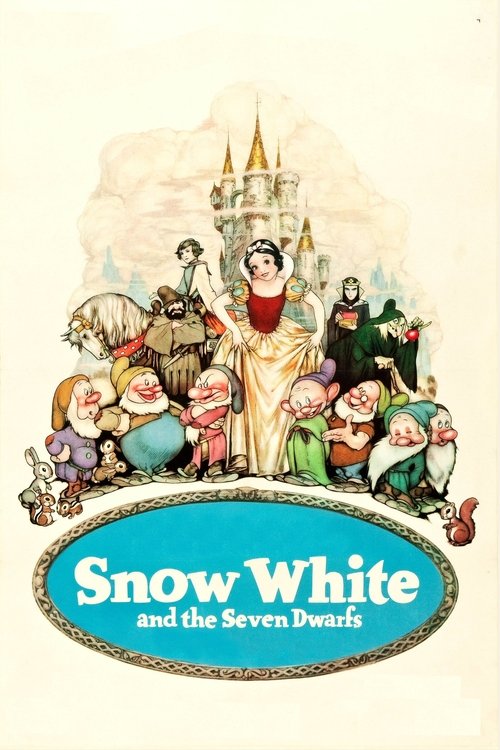
Snow White and the Seven Dwarfs Christian Movie Review
(1938)Disney's first animated feature follows Snow White, a young princess driven from danger who finds shelter with seven dwarfs. The film blends fairy-tale songs, comic character moments, romance, and darker scenes of threat and fear.
This classic fairy tale is gentle in language and sexuality, but it includes memorable menace, frightening imagery, and supernatural fairy-tale elements centered on the Queen and her Magic Mirror. Many families will find it manageable, though younger or sensitive children may need reassurance and conversation.
Use the content rating for surface intensity and the Christian guidance rating for worldview and follow-up conversation.
Content Indicators

Reviewed 11 January 2026
Rachel focuses on animated films, family viewing habits, and helping parents spot worldview themes quickly.
Snow White and the Seven Dwarfs Christian Movie Review (1938)
Guidance: Talk Together
This classic fairy tale is gentle in language and sexuality, but it includes memorable menace, frightening imagery, and supernatural fairy-tale elements centered on the Queen and her Magic Mirror. Many families will find it manageable, though younger or sensitive children may need reassurance and conversation.
Why This Guidance Level
This lands in the middle because the film is still a family classic with light surface content overall, yet its darker peril and fairy-tale magic are significant enough to shape the experience for many children. The main need is not heavy objectionable material but thoughtful discussion about fear, vanity, supernatural power, and where true hope and rescue are found.
Faith & Worldview Perspective
Snow White presents a morally clear fairy tale where evil grows out of pride, envy, and the desire to be supreme, while goodness is shown through humility, kindness, and cheerful service. That moral clarity is helpful, but the story also normalizes supernatural power through the Queen and the Magic Mirror as part of its fantasy world. Christian families may want to discuss the difference between fairy-tale magic and the real spiritual world, and to point children to Jesus Christ as the true source of life, safety, and hope.
Truths Reflected
- Jealousy and pride destroy people and harm others.
- Kindness, hospitality, and courage toward the vulnerable are good.
Tensions to Discuss
- The story uses magical power and a speaking mirror as accepted parts of its world, which may blur spiritual categories for younger children.
- The ending leans on romantic rescue in a way that can overshadow wiser conversations about love, agency, and our deeper need for salvation in Christ.
Content & Discernment Markers
Occult & Spiritual Content
- The Queen turns to the ‘Magic Mirror’ for supernatural knowledge and authority, including the command ‘Slave!’ as she summons the face in the mirror. This is classic fairy-tale magic rather than Christian spirituality, but it still places occult-style power at the center of key story turns. Parents may want to explain the difference between fantasy magic and trusting the Lord for truth.
Sexuality & Relationships
- Romance is limited to fairy-tale longing and a climactic kiss presented as true-love rescue. The material is not sensual, but the kiss on an unconscious Snow White may be something parents want to discuss in age-appropriate terms about love, wisdom, and care for another person.
Identity Themes
- The Queen’s obsession with being ‘the fairest’ ties worth and status to beauty, creating a simple but strong message about vanity and comparison. This may conflict with a biblical view when outward beauty becomes an idol, so a Christian parent may want to discuss how God looks at the heart.
Violence & Intensity
- The central threat is serious for a family film: the Queen orders Snow White killed, and the story includes pursuit, terror, poisoning, and the sense of ‘sleeping death.’ The scenes are stylized rather than graphic, but the danger is real enough to unsettle younger viewers. Parents may want to prepare children for scary moments and talk about courage under fear.
- Several sequences lean into fear rather than action, especially when Snow White flees through the dark forest and when the Queen becomes more openly menacing. The intensity comes from mood, threat, and imagery more than from visible injury.
Language & Humour
- Language is very mild. The most notable line is the Queen’s harsh summons, ‘Slave!’ directed toward the Magic Mirror, which parents may still want to note because of its demeaning tone.
Other Content Notes
- The poisoned apple functions as a drugging and deception moment, with Snow White harmed through false appearance and manipulation. That can open a useful conversation about temptation, discernment, and the danger of evil presenting itself as attractive.
Notable Moments
- Magic Mirror summons: The Queen seeks supernatural confirmation of who is ‘fairest,’ framing power and identity around magical knowledge.
“Slave!”
- Murder plot: The Queen’s plan against Snow White establishes the film’s darker edge and may be the main source of fear for children.
- Poisoned apple: A gift-like object becomes the means of deception and harm, reinforcing the story’s warning about evil disguised as something desirable.
Discussion Prompts
- Jealousy and vanity: What did the Queen want most, and how did that desire change the way she treated Snow White?
- Biblical guidance: Jealousy and pride can rule the heart when beauty, status, or praise become idols instead of gifts from God.
- Scripture: James 3:16, 1 Samuel 16:7, Proverbs 27:4
- Fear and courage: Which parts felt scary, and what does it look like to trust God when we feel afraid?
- Biblical guidance: Children can be reminded that fear is real, but God’s presence is greater, and Christian hope rests in the Lord’s care.
- Scripture: Psalm 56:3-4, Isaiah 41:10, John 14:27
- Magic and truth: How is the Magic Mirror different from praying to God or seeking wisdom from His Word?
- Biblical guidance: The film uses fairy-tale magic, but Christians look to God alone for truth, guidance, and spiritual authority through Jesus Christ.
- Scripture: Deuteronomy 18:10-12, James 1:5, John 14:6
- Kindness and service: Where do you see kindness, hospitality, or care for others in the story?
- Biblical guidance: The film reflects the goodness of serving others with humility, though Christians can go further by connecting that love to Christlike character.
- Scripture: Philippians 2:3-4, Galatians 5:13, Ephesians 4:32
Common questions about Snow White and the Seven Dwarfs
- What age is Snow White and the Seven Dwarfs suitable for?
- Snow White and the Seven Dwarfs suits children of about 6 and older in most families. The main reason is violence and peril. The central threat is serious for a family film: the Queen orders Snow White killed, and the story includes pursuit, terror, poisoning, and the sense of 'sleeping death.' Younger viewers may still enjoy it alongside a parent, and it raises worldview questions worth talking through afterwards.
- Is Snow White and the Seven Dwarfs okay for a 4-year-old?
- Snow White and the Seven Dwarfs is generally better suited to children of about 6 and up, so a 4-year-old may find parts of it a stretch. The central threat is serious for a family film: the Queen orders Snow White killed, and the story includes pursuit, terror, poisoning, and the sense of 'sleeping death.' Families whose children handle violence and peril well may still be comfortable watching together.
Age guidance is derived from this review's content findings and the film's official classifications. It is a starting point for your own judgement, not a rule.
Parent comments
Leave a comment on this review
Share a short note on Snow White and the Seven Dwarfs, or help other parents with discernment.
Submit will ask you to sign in first.
Weekend family picks
Get the short family movie list before the weekend
Example newsletter: 3 movies to watch this weekend with your family, plus one question to ask after the credits.
Sample: 3 movies to watch this weekend with your family
One cinema pick, one streaming pick, one conversation-starter pick.
Related Articles
A few bigger-picture reads for parents who want more context than a single review page can hold.

How To Talk With Kids About Magic, Fate, And Spiritual Themes In Movies
Many family movies use magic, destiny, spirits, or cosmic balance to drive the story. This article helps Christian parents respond without overreacting, while still drawing clear lines back to biblical truth.
Read article
How To Talk With Kids About Dragon magic In Family Movies
A parent-friendly guide to discussing dragon magic in family movies through a Christian lens.
Read article
How To Talk With Kids About Mild fantasy peril In Family Movies
A parent-friendly guide to discussing mild fantasy peril in family movies through a Christian lens.
Read articleMore Reviews



Official regional ratings
Local ratings remain available for reference, but LionLens separates those classifications from Christian family discernment.
Review Method
How this review was prepared
LionLens reviews are written with subtitle and dialogue evidence where available, official regional ratings data, source research, and final human editorial review before publication.