
Human Reviewed
Parent feedback
27 families found this review helpful
Christian Movie Review
Smurfs: The Lost Village Christian Movie Review
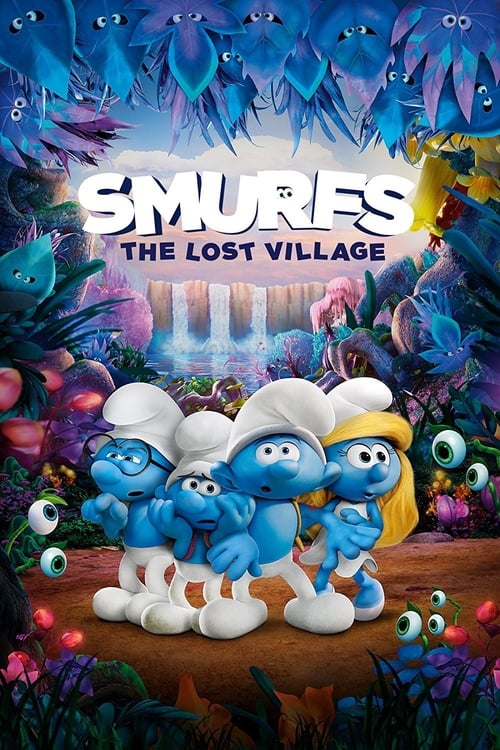
(2017)In this fully animated, all-new take on the Smurfs, a mysterious map sets Smurfette and her friends Brainy, Clumsy and Hefty on an exciting race through the Forbidden Forest leading to the discovery of the biggest secret in Smurf history.
This animated adventure stays in family-friendly territory for language and sexual content, but it is built around fantasy magic, a villainous wizard, and repeated cartoon peril. Its bigger discussion point for Christian families is the film’s message about identity, belonging, and finding worth within yourself rather than grounding identity in the God who made us and the hope we have in Jesus Christ.
Start with the content rating, then use the Christian guidance rating to decide how much conversation your family may need.
Content Indicators

Reviewed 23 March 2026
Rachel focuses on animated films, family viewing habits, and helping parents spot worldview themes quickly.
Smurfs: The Lost Village Christian Movie Review (2017)
Guidance: Talk Together
This animated adventure stays in family-friendly territory for language and sexual content, but it is built around fantasy magic, a villainous wizard, and repeated cartoon peril. Its bigger discussion point for Christian families is the film’s message about identity, belonging, and finding worth within yourself rather than grounding identity in the God who made us and the hope we have in Jesus Christ.
Why This Guidance Level
This film fits the usual family-animation range for action and humor, but magic and sorcery are central to the story world rather than incidental. That, along with a self-discovery message that can drift away from a Christ-centered understanding of identity, makes this less about surface content and more about what families may want to talk through afterward.
Faith & Worldview Perspective
The story leans into familiar children’s themes of courage, friendship, and discovering one’s purpose, which can open good conversations about design and calling. At the same time, it frames the world through fantasy magic and tends to treat identity as something discovered by looking inward and proving yourself. Christian parents may want to contrast that with the truth that our deepest identity is received from the God who created us, and that lasting hope is found in Jesus Christ rather than in self-definition alone.
Truths Reflected
- Friendship, sacrifice, and protecting others are treated as good and meaningful.
- The film recognizes that each person has value and a purpose.
Tensions to Discuss
- Magic and sorcery are part of the story’s normal problem-solving world, which may conflict with a biblical caution toward spiritual power outside God’s ways.
- The film may suggest that identity is mainly found by looking within and proving your uniqueness, which a Christian parent may want to discuss because Scripture roots identity in God’s design and love.
Content & Discernment Markers
Occult & Spiritual Content
- Magic and sorcery are woven into the story through the Smurfs’ fantasy world and the threat posed by the wizard Gargamel. Spells, enchanted objects, and magical pursuit are not presented as horror, but they are central to the plot and worth discussing with children who are sensitive to spiritual themes.
Sexuality & Relationships
- Sexual content does not stand out here. Relationships stay in the light, child-oriented lane typical of animated adventure stories.
Identity Themes
- A major thread centers on Smurfette asking who she is and where she belongs. That search for identity can be meaningful, but the film may steer children toward the idea that worth comes from discovering something special inside yourself. Parents may want to discuss how God gives identity and purpose.
Violence & Intensity
- The movie includes chase scenes, capture threats, slapstick danger, and villain-driven peril tied to Gargamel’s pursuit. The action is stylized and aimed at children, but it is repeated enough to be a noticeable part of the experience.
Language & Humour
- Language appears to stay mild, with the kind of teasing, comic frustration, and light insults common to family animation. Parents are more likely to notice the tone of banter than any strong profanity.
Other Content Notes
- The film’s humor and bright adventure tone keep heavier themes light, but the villain’s schemes and the pressure to prove oneself may still prompt conversation about fear, courage, and where true worth comes from in Christ.
Notable Moments
- Identity search: The story repeatedly returns to Smurfette’s question of who she is and whether she truly belongs.
- Wizard threat: Gargamel’s magical pursuit drives much of the danger and keeps sorcery at the center of the conflict.
Discussion Prompts
- Identity and belonging: When Smurfette wonders who she is, where does the movie say identity comes from? How is that different from what God says about us?
- Biblical guidance: Scripture teaches that our identity is received from the God who made us, not earned by proving we are special. In Christ, we are loved and given purpose.
- Scripture: Psalm 139:13-14, Ephesians 2:10, 1 John 3:1
- Magic and spiritual power: How does the movie treat magic? Does it make supernatural power seem normal or harmless, and how should Christians think about that?
- Biblical guidance: The Bible warns God’s people not to seek spiritual power through occult means. Christian hope and help come from the Lord, not from magic.
- Scripture: Deuteronomy 18:10-12, Isaiah 8:19, James 1:17
- Courage and sacrifice: Which characters use their gifts to protect others? What does real courage look like when someone is afraid?
- Biblical guidance: The film reflects that laying yourself down for others is good. Christians can connect that idea to the greater love shown by Jesus Christ.
- Scripture: John 15:13, Joshua 1:9, Philippians 2:3-4
- Worth and purpose: Do you think the movie says your value comes from being unique, useful, or accepted by others? What does God say gives a person worth?
- Biblical guidance: A child’s worth is not based on performance or fitting in. Each person bears God’s image and is called to live for Him.
- Scripture: Genesis 1:27, Colossians 3:17, Romans 12:4-5
Common questions about Smurfs: The Lost Village
- What age is Smurfs: The Lost Village suitable for?
- Smurfs: The Lost Village suits children of about 6 and older in most families. The main reason is violence and peril. The movie includes chase scenes, capture threats, slapstick danger, and villain-driven peril tied to Gargamel’s pursuit. Younger viewers may still enjoy it alongside a parent, and it raises worldview questions worth talking through afterwards.
- Is Smurfs: The Lost Village okay for a 4-year-old?
- Smurfs: The Lost Village is generally better suited to children of about 6 and up, so a 4-year-old may find parts of it a stretch. The movie includes chase scenes, capture threats, slapstick danger, and villain-driven peril tied to Gargamel’s pursuit. Families whose children handle violence and peril well may still be comfortable watching together.
Age guidance is derived from this review's content findings and the film's official classifications. It is a starting point for your own judgement, not a rule.
Parent comments
Leave a comment on this review
Share a short note on Smurfs: The Lost Village, or help other parents with discernment.
Submit will ask you to sign in first.
Weekend family picks
Get the short family movie list before the weekend
Example newsletter: 3 movies to watch this weekend with your family, plus one question to ask after the credits.
Sample: 3 movies to watch this weekend with your family
One cinema pick, one streaming pick, one conversation-starter pick.
Related Articles
A few bigger-picture reads for parents who want more context than a single review page can hold.

How To Talk With Kids About Magic, Fate, And Spiritual Themes In Movies
Many family movies use magic, destiny, spirits, or cosmic balance to drive the story. This article helps Christian parents respond without overreacting, while still drawing clear lines back to biblical truth.
Read article
How To Talk With Kids About Dragon magic In Family Movies
A parent-friendly guide to discussing dragon magic in family movies through a Christian lens.
Read article
How To Talk With Kids About Mild fantasy peril In Family Movies
A parent-friendly guide to discussing mild fantasy peril in family movies through a Christian lens.
Read articleMore Reviews



Official regional ratings
Local ratings remain available for reference, but LionLens separates those classifications from Christian family discernment.
Review Method
How this review was prepared
LionLens reviews are written with subtitle and dialogue evidence where available, official regional ratings data, source research, and final human editorial review before publication.