Human Reviewed
Parent feedback
45 families found this review helpful
Christian Movie Review
Sleeping Beauty Christian Movie Review
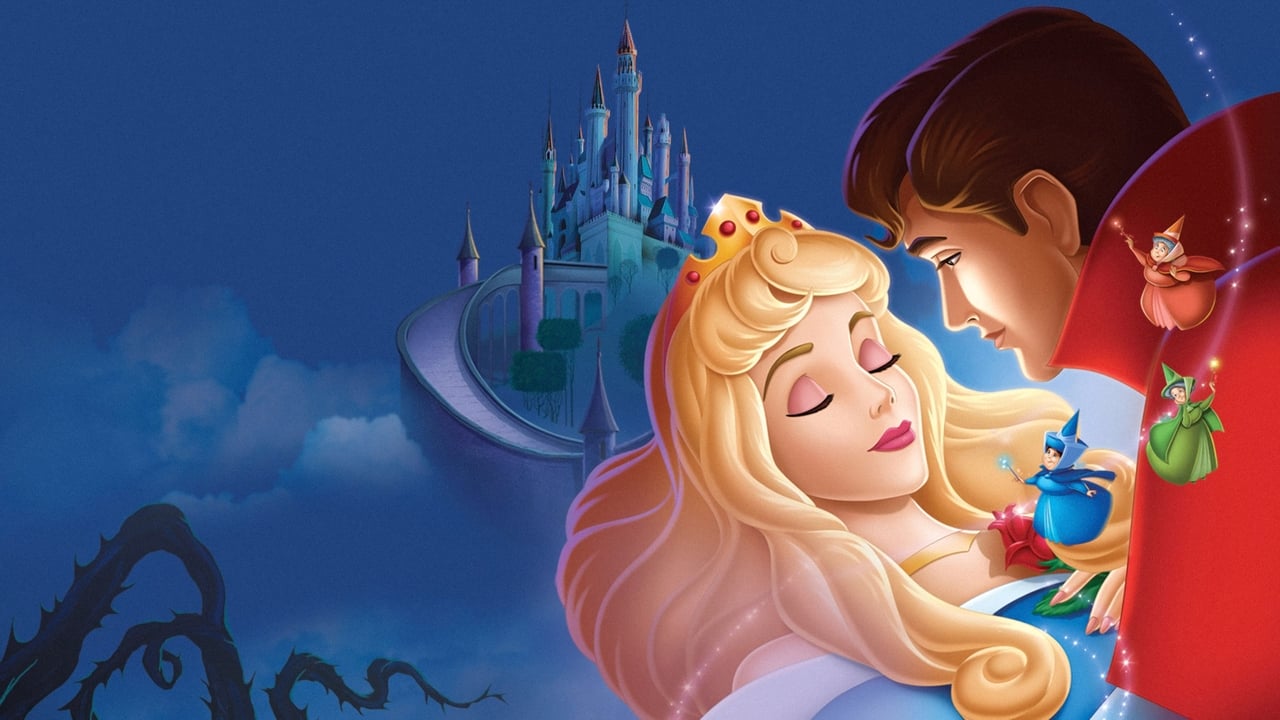
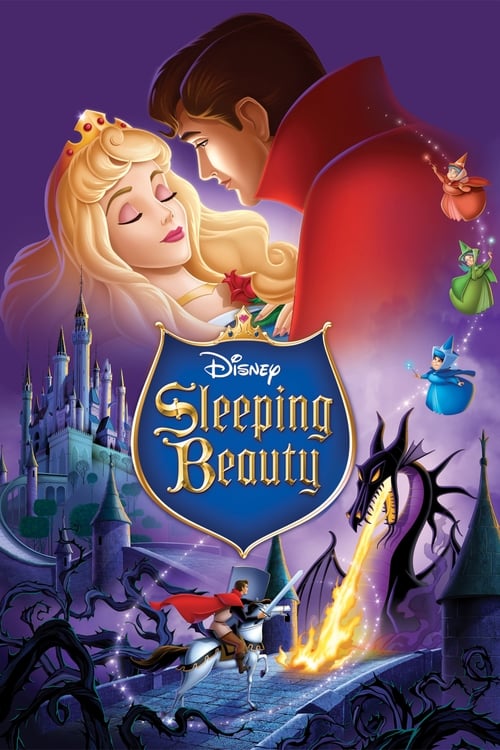
(1959)Disney’s Sleeping Beauty is a classic fairy tale about Princess Aurora, a curse placed at her birth, and the efforts of good fairies and Prince Phillip to protect her. The film moves between courtly celebration, forest refuge, and a final confrontation with Maleficent.
This is a bright, traditional family fantasy with clear good-versus-evil storytelling, but it includes a frightening curse, a tense dragon battle, and some sharp insults. Christian families may also want to talk about the film’s romantic and spiritual framing of love as the power that breaks the spell.
Use the content rating to gauge the scary fantasy material, and the Christian guidance rating to think through the film’s message about love, destiny, and spiritual rescue.
Content Indicators

Reviewed 10 May 2026
Micah covers action, fantasy, and franchise releases, with close attention to violence, spiritual themes, and moral framing.
Sleeping Beauty Christian Movie Review (1959)
Guidance: Talk Together
This is a bright, traditional family fantasy with clear good-versus-evil storytelling, but it includes a frightening curse, a tense dragon battle, and some sharp insults. Christian families may also want to talk about the film’s romantic and spiritual framing of love as the power that breaks the spell.
Why This Guidance Level
Sleeping Beauty is a gentle classic overall, but it is not free of concerns for younger or more sensitive viewers. The curse scene is ominous, the final battle is intense, and Maleficent’s threats create a real sense of danger. Beyond the surface content, the film also invites family discussion because it frames rescue through a fairy-tale kiss and magical destiny, which can sit differently beside a Christian understanding of redemption in Christ.
Faith & Worldview Perspective
The film’s worldview is a fairy-tale moral universe with a clear split between goodness and evil, and it gives real weight to love, protection, and sacrifice. Its deepest tension for Christian families is that salvation comes through romantic true love and enchantment rather than through God’s grace, truth, or the hope found in Jesus Christ. Parents may want to discuss that contrast with children.
Truths Reflected
- Love and self-giving can confront evil.
- Goodness, kindness, and protection matter.
Tensions to Discuss
- The story treats a kiss and destiny as the power that breaks the curse, rather than pointing to God’s saving work in Christ.
- Magic and prophecy function as the governing forces of rescue, which can blur the difference between fairy-tale enchantment and biblical hope.
Content & Discernment Markers
Occult & Spiritual Content
- Maleficent’s curse drives the whole story: she declares that Aurora will p**** her finger on a spindle and die, and Merryweather counters with a sleep spell that can only be broken by true love’s kiss. The fairies’ magic is presented as real and decisive, so parents may want to discuss how this kind of enchantment differs from Christian hope in Christ.
Sexuality & Relationships
- The film centers on an arranged betrothal between Aurora and Prince Phillip, and the romantic thread is built around the line, “You’ll love me at once.” The only physical expression of romance is a kiss, but the story treats romantic love as the key to rescue, so parents may want to discuss what healthy love looks like.
Identity Themes
- Aurora is defined by prophecy, beauty, and destiny from the start: she is named for the dawn, blessed as an infant, and later described as the girl whose future is already foretold. The film ties identity closely to appearance and fate, so parents may want to discuss how Scripture roots identity in being made by God and known by Him.
Violence & Intensity
- The curse scene is frightening, and the climax turns into a dangerous rescue with kidnapping, beating, a sword fight, and Maleficent transforming into a fire-breathing dragon. The danger is stylized rather than graphic, but the threat is sustained enough to matter for younger viewers.
Language & Humour
- Maleficent hurls sharp insults like “fools,” “idiots,” and “imbeciles,” and there is also a brief reference to “hell.” The language is not heavy, but it is pointed enough that parents may want to note it with children.
Other Content Notes
- There is a brief comic drinking moment at the royal celebration, but it is minor and not a major feature of the film.
Notable Moments
- Curse at the christening: Maleficent crashes the royal celebration, rejects the court’s welcome, and pronounces the curse that Aurora will die by a spindle on her sixteenth birthday. It is the film’s most unsettling moment and sets the danger that hangs over the whole story.
“before the sun sets on her sixteenth birthday, she shall p*** her finger on the spindle of a spinning wheel… and die.”*
- True love’s kiss: Merryweather softens the curse from death to sleep and says Aurora will wake when true love’s kiss breaks the spell. This is the film’s central rescue idea and a key point for Christian discussion about what kind of love truly saves.
“Not in death, but just in sleep… the fateful prophecy you’ll keep.”
- Dragon battle: The climax turns into a dangerous showdown as Maleficent becomes a dragon and fights Prince Phillip, creating the film’s biggest burst of peril. Parents of younger children may want to be ready for the intensity of that sequence.
Discussion Prompts
- Love and rescue: What makes the film’s idea of “true love” different from the way the Bible talks about love?
- Biblical guidance: Christian love is self-giving and truthful, and the deepest rescue comes through Jesus Christ rather than romance or magic.
- Scripture: 1 Corinthians 13:4-7, John 3:16
- Identity and destiny: Do you think Aurora is defined more by her beauty and fate, or by who she is as a person?
- Biblical guidance: Scripture teaches that people are made in God’s image and known by Him, not reduced to appearance or a foretold role.
- Scripture: Genesis 1:27, Psalm 139:13-14
- Good and evil: Why does the story make Maleficent so clearly evil, and what helps the good characters stand firm?
- Biblical guidance: The Bible also shows real evil, but it points to God’s power, truth, and victory in Christ rather than to magic or fate.
- Scripture: Ephesians 6:10-12, Romans 12:21
Common questions about Sleeping Beauty
- What age is Sleeping Beauty suitable for?
- Sleeping Beauty suits children of about 6 and older in most families. The main reason is language. Maleficent hurls sharp insults like “fools,” “idiots,” and “imbeciles,” and there is also a brief reference to “hell.” Younger viewers may still enjoy it alongside a parent, and it raises worldview questions worth talking through afterwards.
- Is Sleeping Beauty okay for a 4-year-old?
- Sleeping Beauty is generally better suited to children of about 6 and up, so a 4-year-old may find parts of it a stretch. Maleficent hurls sharp insults like “fools,” “idiots,” and “imbeciles,” and there is also a brief reference to “hell.” Families whose children handle language well may still be comfortable watching together.
Age guidance is derived from this review's content findings and the film's official classifications. It is a starting point for your own judgement, not a rule.
Parent comments
Leave a comment on this review
Share a short note on Sleeping Beauty, or help other parents with discernment.
Submit will ask you to sign in first.
Weekend family picks
Get the short family movie list before the weekend
Example newsletter: 3 movies to watch this weekend with your family, plus one question to ask after the credits.
Sample: 3 movies to watch this weekend with your family
One cinema pick, one streaming pick, one conversation-starter pick.
Related Articles
A few bigger-picture reads for parents who want more context than a single review page can hold.

How To Talk With Kids About Magic, Fate, And Spiritual Themes In Movies
Many family movies use magic, destiny, spirits, or cosmic balance to drive the story. This article helps Christian parents respond without overreacting, while still drawing clear lines back to biblical truth.
Read article
How To Talk With Kids About Dragon magic In Family Movies
A parent-friendly guide to discussing dragon magic in family movies through a Christian lens.
Read article
How To Talk With Kids About Mild fantasy peril In Family Movies
A parent-friendly guide to discussing mild fantasy peril in family movies through a Christian lens.
Read articleMore Reviews


Official regional ratings
Local ratings remain available for reference, but LionLens separates those classifications from Christian family discernment.
Review Method
How this review was prepared
LionLens reviews are written with subtitle and dialogue evidence where available, official regional ratings data, source research, and final human editorial review before publication.