Human Reviewed
Parent feedback
67 families found this review helpful
Christian Movie Review
Shrek the Third Christian Movie Review
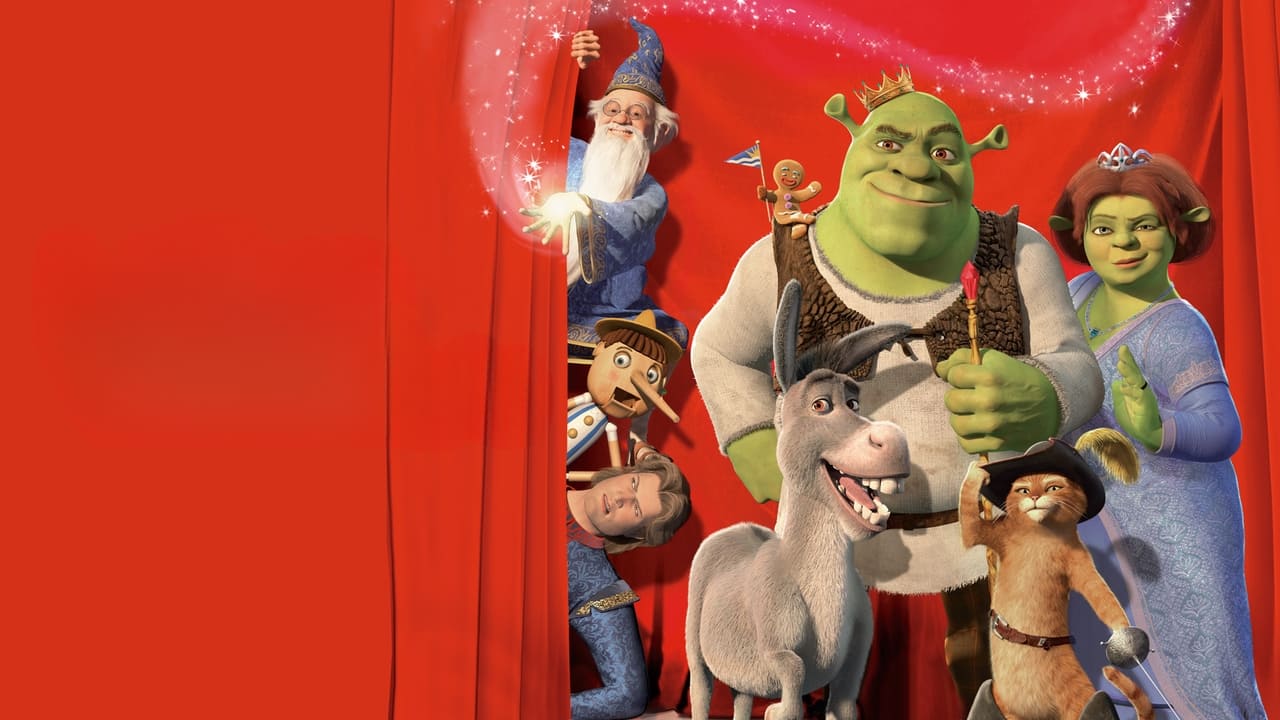
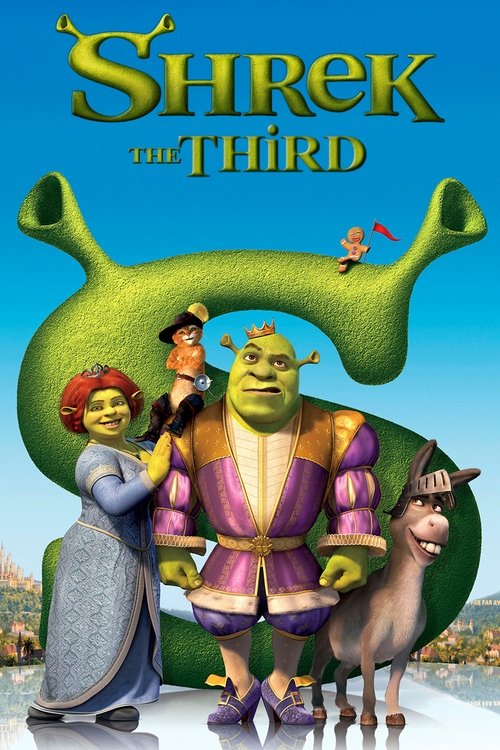
(2007)In this animated sequel, Shrek is pulled into royal duties when the throne of Far Far Away needs an heir. As he searches for Arthur, the story mixes fairy-tale parody, comic chaos, and questions about family, identity, and responsibility.
This is a light family comedy on the surface, with mild cartoon peril, insults, crude humor, and a few adult-leaning jokes. The bigger reason for guidance is its message about identity, leadership, and family responsibility, which gives parents several worthwhile conversation points.
Use the content rating for what children will hear and see, and the Christian guidance rating for what the story encourages them to believe and admire.
Content Indicators

Reviewed 11 March 2026
Rachel focuses on animated films, family viewing habits, and helping parents spot worldview themes quickly.
Shrek the Third Christian Movie Review (2007)
Guidance: Talk Together
This is a light family comedy on the surface, with mild cartoon peril, insults, crude humor, and a few adult-leaning jokes. The bigger reason for guidance is its message about identity, leadership, and family responsibility, which gives parents several worthwhile conversation points.
Why This Guidance Level
This lands in the middle because the content itself is fairly mild, but the film gives families more to discuss than its playful tone suggests. The main issues are identity, responsibility, mockery, and a fantasy world where enchanted characters and magic are treated casually. Many families will find the content manageable while still wanting thoughtful conversation afterward.
Faith & Worldview Perspective
The story values loyalty, courage, and family commitment, and it pushes back against shallow judgments based on appearance or status. Those are meaningful strengths. Still, the film often frames identity as something discovered by rejecting expectations and following what feels true to oneself, rather than receiving purpose as a gift from God. Authority is frequently played for laughs, and the enchanted fairy-tale setting normalizes magic as part of the world. Parents may want to discuss how confidence and calling are strongest when rooted in God’s design and in Christian hope through Jesus Christ, not merely in escaping pressure or proving yourself to others.
Truths Reflected
- Family love carries real responsibility, not just personal comfort.
- A person’s worth should not be measured by appearance, popularity, or status.
Tensions to Discuss
- The film leans toward self-defined identity rather than identity received under God’s authority.
- Magic and enchanted characters are treated as ordinary background entertainment, which may need context for younger viewers.
Content & Discernment Markers
Occult & Spiritual Content
- The movie lives in a fairy-tale world filled with enchanted characters, curses, witches, and magical assumptions. This material is mostly comic and storybook in tone rather than dark or instructional, but it still presents supernatural power outside any Christian framework. Parents may want to remind children that fantasy magic is not the same as the hope and power of Jesus Christ.
Sexuality & Relationships
- Shrek and Fiona are shown as an affectionate married couple, including a morning-in-bed scene with playful dialogue: “Morning breath. I know. Isn’t it wonderful?” The tone is light and marital, but some families may still want to note the bed-sharing context.
- The story includes direct conversation about having children, with Fiona hinting at “the pitter-patter of little feet” and Shrek reacting anxiously to babies who “eat and poop, and they cry.” The material stays comic and family-oriented rather than sexualized.
- A few side jokes lean more adult, including flirtation in the tavern and a cut-off line about clothing that “doesn’t quite cover” someone. These moments are brief but part of the film’s parent-aimed humor.
Identity Themes
- A central line comes when Shrek says, “I am an ogre. I’m not cut out for this, Fiona, and I never will be.” The film treats authenticity as a major virtue, which can open a good discussion about the difference between honest self-knowledge and refusing a responsibility God may place before us.
- Prince Charming rallies rejected villains by appealing to grievance and a rewritten story of who the “losers” are. The scene shows how hurt identity can be manipulated into bitterness and revenge. Parents may want to discuss whether being wronged gives someone the right to do wrong.
Violence & Intensity
- There are repeated comic threats and fantasy-action lines such as “Fear not, fair maiden. I shall slay the monster” and “Prepare, foul beast… to enter into a world of pain.” The tone is theatrical and exaggerated rather than graphic.
- The story includes villain plotting, hostile confrontations, and slapstick injury, including Shrek getting jabbed in the eye during a public appearance. The peril is real enough for younger children to notice, but it stays in family-adventure territory.
Language & Humour
- Language is mostly mild insults and mocking talk, including “twit,” “fool,” “ugly,” “losers,” and “fat foot.” The humor also leans on crude body talk like “My butt is itching up a storm” and repeated jokes about babies who “poop.”
Other Content Notes
- There is a brief alcohol reference when Prince Charming asks, “What does a prince have to do to get a drink here?” and orders a “Fuzzy Navel.” It is played as tavern comedy, not as a serious substance-use scene.
- The film includes bullying-style humor and social humiliation themes, including talk associated with school cruelty like “wedgies” and “swirlies.” Parents may want to discuss how laughter can normalize unkindness.
Notable Moments
- Royal pressure: King Harold tells Shrek that the kingdom needs a new king, pushing the story toward duty and leadership.
“This kingdom needs a new king. You and Fiona are next in line for the throne.”
- Shrek resists identity shift: Shrek openly rejects the royal role and defines himself by what he already is.
“I am an ogre. I’m not cut out for this, Fiona, and I never will be.”
- Family conversation: Fiona raises the possibility of children, and Shrek responds with anxious comic exaggeration about babies.
“They just eat and poop, and they cry… then they cry when they poop and poop when they cry.”
- Villain grievance speech: Prince Charming gathers other rejected characters by appealing to resentment and unfairness.
“Once upon a time, someone decided that we were the losers.”
Discussion Prompts
- Identity and calling: When Shrek says, “I am an ogre” and acts like that settles everything, what is the difference between knowing who you are and refusing a responsibility?
- Biblical guidance: Scripture teaches that identity is not just self-expression; we are made by God and called to faithful obedience.
- Scripture: Psalm 139:13-14, Ephesians 2:10, 1 Peter 2:9
- Family responsibility: What does the movie get right about family, and what does it treat as a joke when Shrek fears becoming a father?
- Biblical guidance: Children are not a burden to mock but a gift from the Lord, and family love includes sacrifice.
- Scripture: Psalm 127:3, Ephesians 5:25, 1 Timothy 5:8
- Bitterness and revenge: Why are the villains so easy for Charming to stir up, and what should we do when we feel overlooked or treated unfairly?
- Biblical guidance: The Bible warns against letting hurt grow into bitterness or revenge, and points us to forgiveness and trust in God.
- Scripture: Romans 12:17-21, Ephesians 4:31-32, Hebrews 12:15
- Fantasy magic and Christian hope: How is the movie’s fairy-tale magic different from the real hope Christians have in Jesus Christ?
- Biblical guidance: Fantasy can be make-believe fun, but our trust belongs to Christ alone, not to magical power or enchanted solutions.
- Scripture: Deuteronomy 18:10-12, Colossians 1:16-17, Hebrews 1:3
Common questions about Shrek the Third
- What age is Shrek the Third suitable for?
- Shrek the Third suits children of about 8 and older in most families. That follows its official classification. It is rated PG in Australia, the US and New Zealand, and U in the UK. There are repeated comic threats and fantasy-action lines such as "Fear not, fair maiden. Younger viewers may still enjoy it alongside a parent, and it raises worldview questions worth talking through afterwards.
- Is Shrek the Third okay for a 6-year-old?
- Shrek the Third is generally better suited to children of about 8 and up, so a 6-year-old may find parts of it a stretch. It is rated PG in Australia, the US and New Zealand, and U in the UK. There are repeated comic threats and fantasy-action lines such as "Fear not, fair maiden. Families comfortable watching a little above the classification together may still be fine with it.
Age guidance is derived from this review's content findings and the film's official classifications. It is a starting point for your own judgement, not a rule.
Parent comments
Leave a comment on this review
Share a short note on Shrek the Third, or help other parents with discernment.
Submit will ask you to sign in first.
Weekend family picks
Get the short family movie list before the weekend
Example newsletter: 3 movies to watch this weekend with your family, plus one question to ask after the credits.
Sample: 3 movies to watch this weekend with your family
One cinema pick, one streaming pick, one conversation-starter pick.
Related Articles
A few bigger-picture reads for parents who want more context than a single review page can hold.
Animal Farm And Talking With Kids About Power, Truth, And Sin
Animal Farm can help older children see how slogans, fear, and corrupted authority distort truth, but parents should frame the story with a biblical view of sin.
Read article
Disney And Pixar Films For Christian Families: Why They Still Need Discernment
Disney and Pixar films often feel safer than they really are. This guide helps Christian parents notice the spiritual assumptions, emotional messages, and identity themes that can slip past a quick first impression.
Read article
5 Things To Notice In Kids Movies Before The Message Lands
A child can absorb a movie long before they can explain it. These five checkpoints help Christian parents notice what a film is training the heart to love, fear, excuse, or trust.
Read articleMore Reviews


Official regional ratings
Local ratings remain available for reference, but LionLens separates those classifications from Christian family discernment.
Review Method
How this review was prepared
LionLens reviews are written with subtitle and dialogue evidence where available, official regional ratings data, source research, and final human editorial review before publication.