
Human Reviewed
Parent feedback
21 families found this review helpful
Christian Movie Review
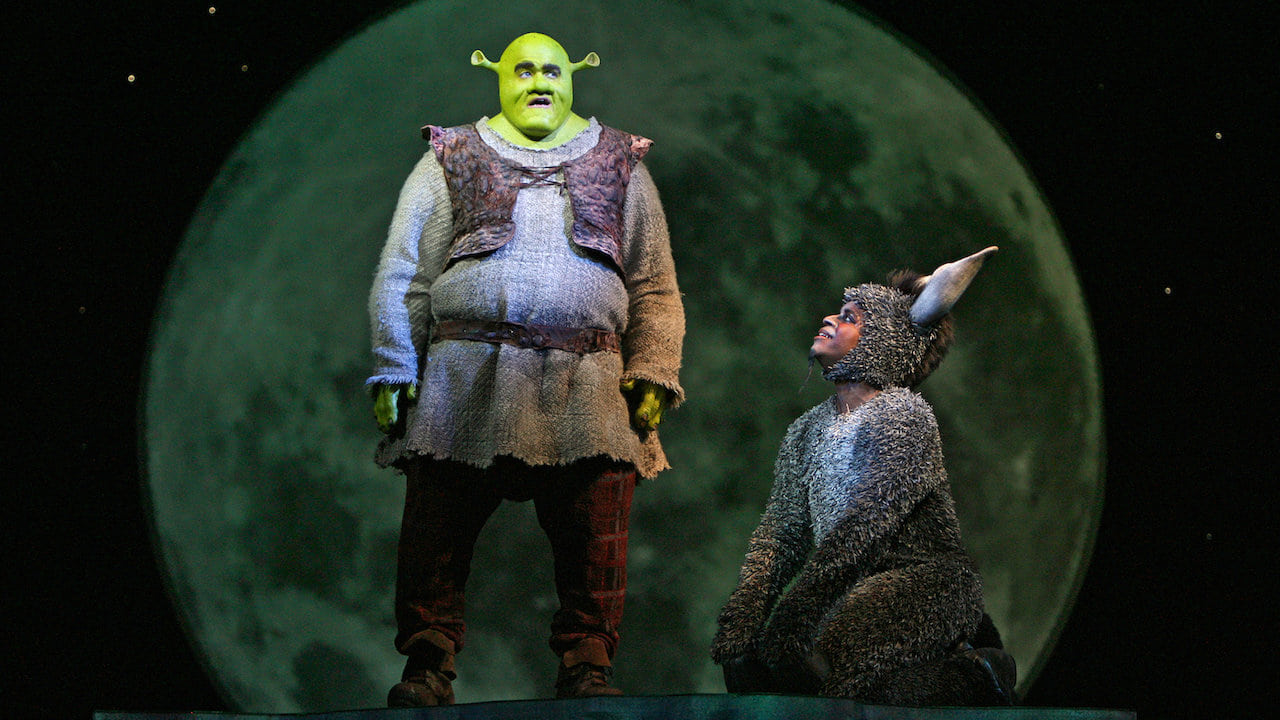
Shrek the Musical Christian Movie Review
(2013)This filmed stage musical adapts the Shrek story into a Broadway-style fantasy comedy with songs, fairy-tale parody, and broad humor. Shrek sets out on a quest involving Princess Fiona, Donkey, Lord Farquaad, and a crowd of familiar storybook characters.
Shrek the Musical keeps the franchise's message about accepting outsiders, but it also leans into rude humor, mild profanity, adult innuendo, and a few moments of peril. For Christian families, the bigger conversation is less about heavy content and more about how the film frames identity, belonging, and self-acceptance.
Use the content rating for surface issues and the Christian guidance rating for the film's deeper messages.
Content Indicators

Reviewed 22 January 2026
Esther handles review quality, clarity, and the practical guidance families need after the credits roll.
Shrek the Musical Christian Movie Review (2013)
Guidance: Talk Together
Shrek the Musical keeps the franchise’s message about accepting outsiders, but it also leans into rude humor, mild profanity, adult innuendo, and a few moments of peril. For Christian families, the bigger conversation is less about heavy content and more about how the film frames identity, belonging, and self-acceptance.
Why This Guidance Level
This lands in the middle range because the content is mostly mild-to-moderate family-comedy material, but the musical repeatedly mixes rude humor, innuendo, and identity messaging that many Christian parents will want to process with children. The main concern is not graphic content; it is the film’s cheerful push toward self-defined acceptance without much moral or spiritual depth.
Faith & Worldview Perspective
The story strongly values compassion for misfits, rejects shallow judgments based on appearance, and treats outsiders with sympathy. Those are meaningful truths Christians can affirm, since every person bears God’s image. The tension comes in how the musical celebrates identity: it often treats the answer to shame as public self-assertion rather than repentance, truth, and secure identity in God’s love through Christ. Parents may want to discuss how Jesus Christ welcomes the outcast without teaching that every form of self-expression is automatically wise or good.
Truths Reflected
- People should not be mocked or discarded because they look different.
- Real love sees beyond appearance and social status.
Tensions to Discuss
- The film can blur the line between honoring human dignity and treating self-expression itself as the highest good.
- Its moral vision is warm and inclusive, but it offers little sense that identity and hope are grounded in God rather than in the self.
Content & Discernment Markers
Occult & Spiritual Content
- Fantasy creatures, a dragon, and fairy-tale magic are part of the comic story world, but occult material does not stand out as a central concern here.
Sexuality & Relationships
- The musical includes adult innuendo woven into the comedy, including jokes around Lord Farquaad’s tower that play as suggestive humor for older viewers more than children.
- A quoted line from the Big Bad Wolf includes the slur “tranny” in a joke about appearance and dress. This matters for Christian families because it turns gender confusion into a punchline while also normalizing crude identity humor.
Identity Themes
- A major theme is embracing those seen as odd, ugly, or unwanted. That can open a good conversation about human dignity, but the film often frames identity in terms of declaring yourself to the world rather than receiving identity from God. Parents may want to discuss where lasting worth comes from.
Violence & Intensity
- There are family-fantasy threats involving angry villagers with torches and pitchforks, banishment, and talk of execution. The tone stays theatrical, but younger children may still feel the menace.
- A dragon chase and stage imagery involving skeletons add a few scarier moments than some children may expect from the comedy. Parents may want to prepare sensitive viewers for fantasy peril.
Language & Humour
- Language includes mild profanity such as “hell” and “damn,” along with insulting terms like “fruitcakes and freaks.” The humor also leans heavily on burping, farting, and other gross-out jokes that shape the tone of several scenes.
Other Content Notes
- There is brief drinking, with characters shown having cocktails, and a passing reference to “funny mushrooms.”
- The stage-comedy style likely includes exaggerated physical gags and suggestive visual humor, especially around Farquaad, which may matter more to some families than the dialogue alone.
Notable Moments
- Identity anthem: The musical’s acceptance message comes to the front in a celebratory number about being different and no longer hiding.
“It’s time to stop the hiding, it’s time to stand up tall / Sing, hey, world, I’m different, and here I am, splinters and all!”
- Mild profanity: A few lines use mild profane words that some families still prefer to avoid in children’s entertainment.
“hell”
- Derogatory lyric: One lyric uses a slur in a comic context, which may prompt a conversation about speech, dignity, and mockery.
“They tore my granny dress and called me a hot and tranny mess.”
Discussion Prompts
- Acceptance and human dignity: The story says people should not be rejected for looking different. How does that fit with the Bible’s teaching about every person?
- Biblical guidance: Scripture teaches that every person has dignity because we are made in God’s image, so kindness to outsiders is right and important.
- Scripture: Genesis 1:27, James 2:1-4
- Identity and self-expression: What is the difference between saying ‘this is who I am’ and asking ‘who does God say I am’?
- Biblical guidance: Christian hope is not built on self-definition alone but on belonging to God through Jesus Christ.
- Scripture: Psalm 139:13-16, 2 Corinthians 5:17
- Words that wound: Why do insulting or crude jokes sometimes get laughs, and why should Christians still be careful with words?
- Biblical guidance: The Bible calls believers to speech that gives grace rather than tearing people down.
- Scripture: Ephesians 4:29, Proverbs 18:21
- Outcasts and Christlike love: How did Jesus treat people others looked down on, and how is that similar to or different from this story’s message?
- Biblical guidance: Jesus welcomed the rejected with compassion, but he also called people into truth, repentance, and new life.
- Scripture: Luke 19:1-10, John 1:14
Common questions about Shrek the Musical
- What age is Shrek the Musical suitable for?
- Shrek the Musical suits children of about 9 and older in most families. The main reason is sexual content. The musical includes adult innuendo woven into the comedy, including jokes around Lord Farquaad's tower that play as suggestive humor for older viewers more than children.
- Is Shrek the Musical okay for a 7-year-old?
- Shrek the Musical is generally better suited to children of about 9 and up, so a 7-year-old may find parts of it a stretch. The musical includes adult innuendo woven into the comedy, including jokes around Lord Farquaad's tower that play as suggestive humor for older viewers more than children. Families whose children handle sexual content well may still be comfortable watching together.
Age guidance is derived from this review's content findings and the film's official classifications. It is a starting point for your own judgement, not a rule.
Parent comments
Leave a comment on this review
Share a short note on Shrek the Musical, or help other parents with discernment.
Submit will ask you to sign in first.
Weekend family picks
Get the short family movie list before the weekend
Example newsletter: 3 movies to watch this weekend with your family, plus one question to ask after the credits.
Sample: 3 movies to watch this weekend with your family
One cinema pick, one streaming pick, one conversation-starter pick.
Related Articles
A few bigger-picture reads for parents who want more context than a single review page can hold.
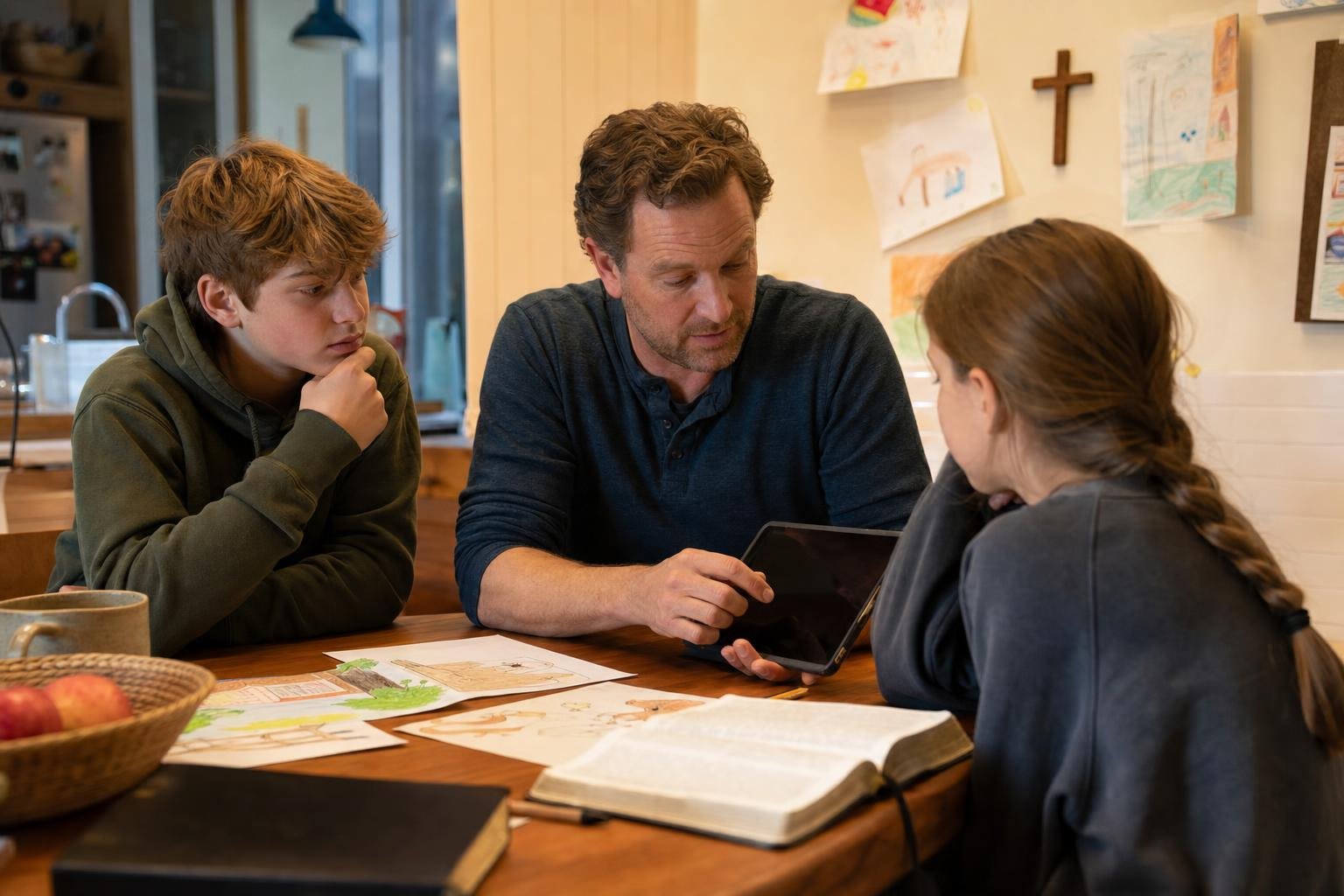
Animal Farm And Talking With Kids About Power, Truth, And Sin
Animal Farm can help older children see how slogans, fear, and corrupted authority distort truth, but parents should frame the story with a biblical view of sin.
Read article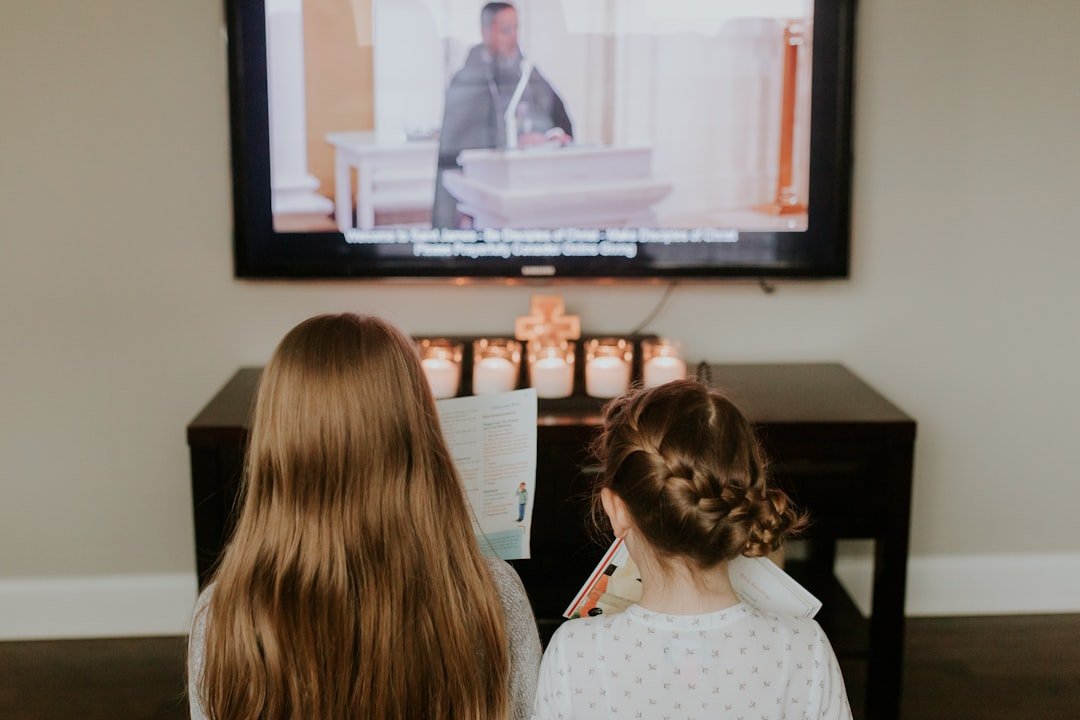
5 Things To Notice In Kids Movies Before The Message Lands
A child can absorb a movie long before they can explain it. These five checkpoints help Christian parents notice what a film is training the heart to love, fear, excuse, or trust.
Read article
How To Talk With Kids About Magic, Fate, And Spiritual Themes In Movies
Many family movies use magic, destiny, spirits, or cosmic balance to drive the story. This article helps Christian parents respond without overreacting, while still drawing clear lines back to biblical truth.
Read articleMore Reviews



Official regional ratings
Local ratings remain available for reference, but LionLens separates those classifications from Christian family discernment.
Review Method
How this review was prepared
LionLens reviews are written with subtitle and dialogue evidence where available, official regional ratings data, source research, and final human editorial review before publication.