Human Reviewed
Parent feedback
80 families found this review helpful
Christian Movie Review
Shrek Forever After Christian Movie Review
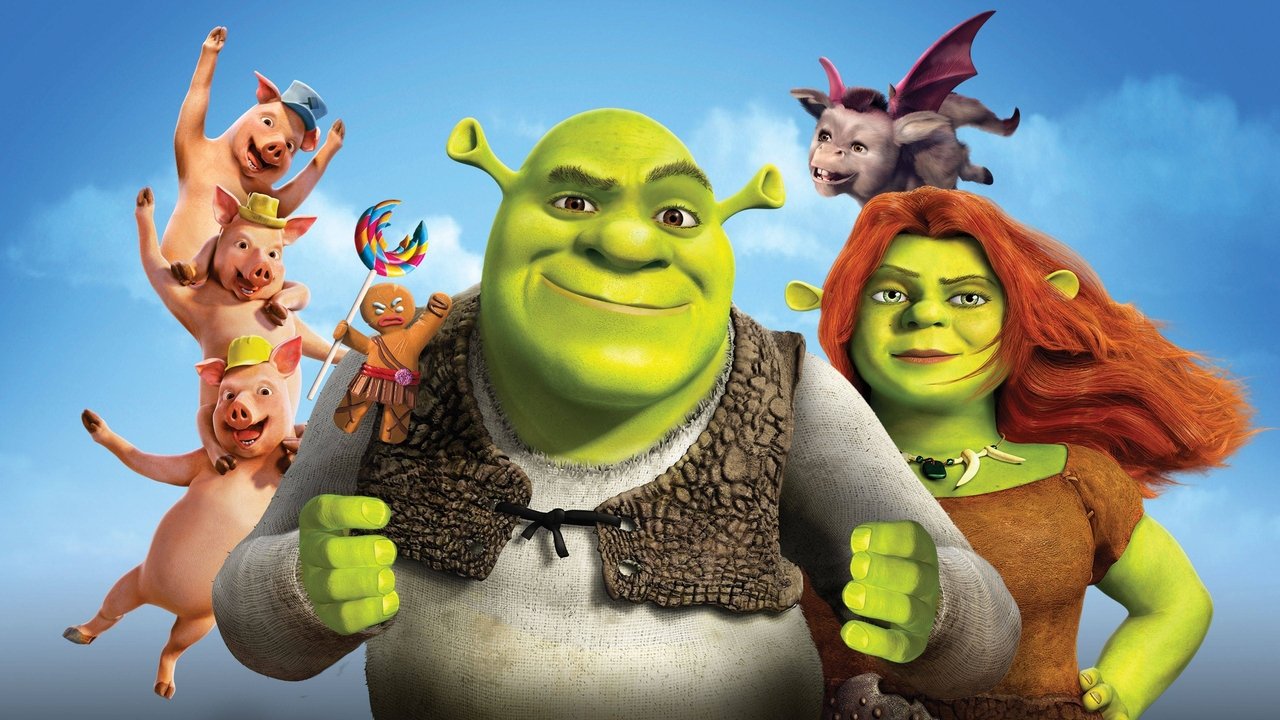
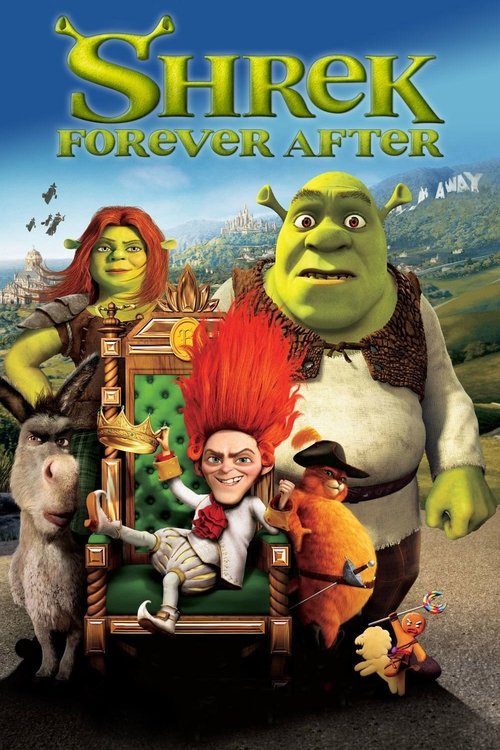
(2010)In this fourth Shrek film, Shrek grows restless with family life and makes a reckless deal that throws him into an alternate version of his world. The story follows his attempt to set things right and rediscover the value of his wife, children, and ordinary life.
This is a light fantasy comedy with mild fight scenes, brief crude language, and a strong focus on regret, identity, and gratitude for family. For many Christian families, the bigger conversation is not surface content but the film’s magical bargain and Shrek’s longing to escape responsibility.
Use the content rating for what children will hear and see, and the Christian guidance rating for what the story may prompt you to discuss.
Content Indicators

Reviewed 15 February 2026
Rachel focuses on animated films, family viewing habits, and helping parents spot worldview themes quickly.
Shrek Forever After Christian Movie Review (2010)
Guidance: Talk Together
This is a light fantasy comedy with mild fight scenes, brief crude language, and a strong focus on regret, identity, and gratitude for family. For many Christian families, the bigger conversation is not surface content but the film’s magical bargain and Shrek’s longing to escape responsibility.
Why This Guidance Level
This lands in discussion-advised territory because the surface content is mild, but the story leans heavily on a magical contract, fairy-tale curse language, and a deeper message about resenting ordinary family responsibilities. The film ultimately moves toward gratitude and faithful love, yet Christian parents may still want to talk through where true hope and identity are found in Jesus Christ rather than in fantasy solutions or a reclaimed former self.
Faith & Worldview Perspective
The film values marriage, children, loyalty, and sacrificial love, and it clearly shows that selfish escape fantasies can damage what God has given. At the same time, it uses magic, curses, and deal-making as central plot machinery, and Shrek’s crisis is rooted in the false idea that freedom from responsibility would restore his true self. Parents may want to discuss how Christian freedom is not freedom from love or duty, but freedom to love rightly in Christ.
Truths Reflected
- Family and faithful love are gifts worth cherishing.
- Impulsive choices made in frustration can bring painful consequences.
Tensions to Discuss
- The story’s supernatural framework rests on curses and magical transactions rather than hope in God’s providence.
- Shrek treats his former, feared identity as more authentic, which can conflict with the Christian call to grow through love, humility, and self-giving.
Content & Discernment Markers
Occult & Spiritual Content
- The opening centers on a fairy-tale curse and the line, “The curse can be lifted only the kiss of true love,” then introduces Rumpelstiltskin as a deal-maker offering to make problems disappear. The fantasy setting is playful, but magic and bargaining drive the plot in a way Christian families may want to discuss.
- Rumpelstiltskin is described as someone who arranges transactions and desperate solutions, which gives the story a strong supernatural-contract theme. Parents may want to contrast this with trusting God instead of looking for a shortcut when life feels hard.
Sexuality & Relationships
- Relationship content stays mild and family-oriented, with Shrek and Fiona framed through marriage, children, and true love. Affection is tied to romance and commitment rather than sexualized material.
Identity Themes
- A major thread is Shrek’s frustration with domestic life and his longing to feel like a “true ogre” again. He says, “All I want is for things to be as they were,” and later, “Sometimes I wish I had some for even one day I feel that an ogre again.” This matters because the film treats identity as something he thinks he lost when he became husband and father. Parents may want to discuss how love and responsibility can mature us rather than erase us.
- Fiona pushes back by reminding him he has “three beautiful children, a wife who loves you, friends who love you,” which gives the film one of its clearest moral anchors. The tension is useful for talking about gratitude versus self-pity.
Violence & Intensity
- Official ratings note low-level violence and mild fight scenes. The tone is fantasy-comic rather than graphic, but the story includes pursuit, threat, and conflict around ogres being feared or hunted.
- There is also brief peril played for laughs, including cries like “Help me! Someone, anyone!” and moments of panic in the alternate-world setup. Younger children sensitive to chase scenes or capture themes may need reassurance.
Language & Humour
- Language is mild overall, but one notable line is “Not now, jackass,” used in comic frustration toward Donkey. The humor also includes put-downs and irritated banter that fit the Shrek style more than harsh profanity.
Other Content Notes
- The film repeatedly contrasts noisy family life with Shrek’s desire for peace, privacy, and his old fearsome reputation. That emotional setup may connect with adults, but it also invites a conversation with children about selfishness, thankfulness, and serving family when everyday life feels tiring.
Notable Moments
- Fairy-tale curse setup: The opening retells Fiona’s curse and frames true love as the means of breaking it, establishing the film’s fantasy worldview from the start.
“The curse can be lifted only the kiss of true love.”
- Shrek resents family life: At the birthday celebration, Shrek voices his frustration and nostalgia for the days when people feared him.
“All I want is for things to be as they were.”
- Fiona names his blessings: Fiona answers Shrek’s complaint by pointing him back to his wife, children, and friends.
“Shrek have three beautiful children, a wife who loves you, friends who love you.”
- Temptation through escape: The story sharpens when Shrek admits he wants one day to feel like himself again, opening the door to a dangerous bargain.
“Sometimes I wish I had some for even one day I feel that an ogre again.”
Discussion Prompts
- Gratitude versus grumbling: Why does Shrek stop seeing his family as a gift? How can we tell when our hearts are becoming ungrateful?
- Biblical guidance: Scripture calls us to give thanks and resist complaining, even in ordinary responsibilities.
- Scripture: 1 Thessalonians 5:18, Philippians 2:14-15
- Identity and maturity: Shrek thinks being a husband and father made him less of his “real” self. What does God say makes a person truly mature and strong?
- Biblical guidance: In Christ, maturity is not found in getting our old life back but in growing in love, humility, and faithfulness.
- Scripture: Ephesians 4:22-24, Colossians 3:12-14
- Shortcuts and desperate choices: Why are people tempted to make quick deals when they are upset? What would wise waiting and prayer look like instead?
- Biblical guidance: God warns against leaning on our own understanding and invites us to seek wisdom from Him.
- Scripture: Proverbs 3:5-6, James 1:5
- Love that keeps covenant: How does the story show that real love is more than a feeling? What makes Christian love different from fairy-tale magic?
- Biblical guidance: The deepest picture of faithful love is found in Jesus Christ, who loves sacrificially and keeps His promises.
- Scripture: John 15:13, Ephesians 5:25, 1 Corinthians 13:4-7
Common questions about Shrek Forever After
- What age is Shrek Forever After suitable for?
- Shrek Forever After suits children of about 6 and older in most families. The main reason is violence and peril. Official ratings note low-level violence and mild fight scenes. Younger viewers may still enjoy it alongside a parent, and it raises worldview questions worth talking through afterwards.
- Is Shrek Forever After okay for a 4-year-old?
- Shrek Forever After is generally better suited to children of about 6 and up, so a 4-year-old may find parts of it a stretch. Official ratings note low-level violence and mild fight scenes. Families whose children handle violence and peril well may still be comfortable watching together.
Age guidance is derived from this review's content findings and the film's official classifications. It is a starting point for your own judgement, not a rule.
Parent comments
Leave a comment on this review
Share a short note on Shrek Forever After, or help other parents with discernment.
Submit will ask you to sign in first.
Weekend family picks
Get the short family movie list before the weekend
Example newsletter: 3 movies to watch this weekend with your family, plus one question to ask after the credits.
Sample: 3 movies to watch this weekend with your family
One cinema pick, one streaming pick, one conversation-starter pick.
Related Articles
A few bigger-picture reads for parents who want more context than a single review page can hold.

How To Talk With Kids About Magic, Fate, And Spiritual Themes In Movies
Many family movies use magic, destiny, spirits, or cosmic balance to drive the story. This article helps Christian parents respond without overreacting, while still drawing clear lines back to biblical truth.
Read article
How To Talk With Kids About Dragon magic In Family Movies
A parent-friendly guide to discussing dragon magic in family movies through a Christian lens.
Read article
How To Talk With Kids About Mild fantasy peril In Family Movies
A parent-friendly guide to discussing mild fantasy peril in family movies through a Christian lens.
Read articleMore Reviews



Official regional ratings
Local ratings remain available for reference, but LionLens separates those classifications from Christian family discernment.
Review Method
How this review was prepared
LionLens reviews are written with subtitle and dialogue evidence where available, official regional ratings data, source research, and final human editorial review before publication.