
Human Reviewed
Parent feedback
59 families found this review helpful
Christian Movie Review
Shrek Christian Movie Review
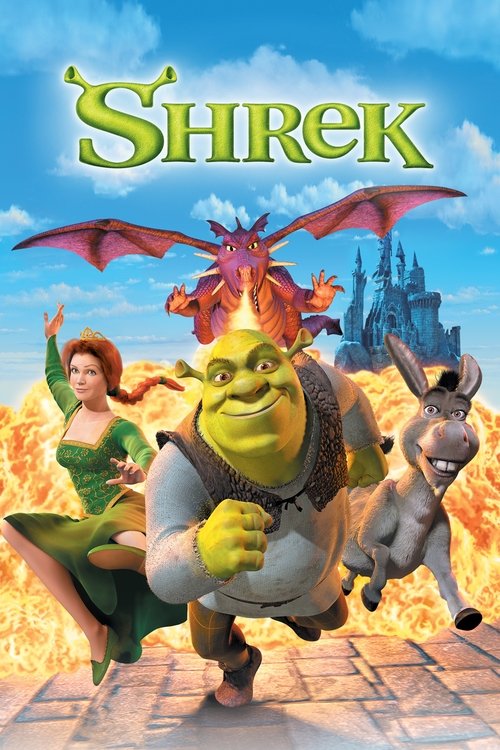
(2001)This animated comedy retells fairy-tale conventions with a grumpy ogre, a talkative donkey, and a quest involving a princess, a dragon, and a scheming ruler. It mixes slapstick action, parody, and a story about friendship, rejection, and looking past appearances.
Shrek is lighter in surface content than many family adventures, but it includes comic peril, crude humor, mild coarse language, and a fairy-tale world shaped by enchantment and "true love's first kiss." For many Christian families, the bigger value is the conversation it opens about dignity, loneliness, and how identity is handled.
Use the content rating for what children will hear and see, and the Christian guidance rating for the ideas worth talking through afterward.
Content Indicators

Reviewed 10 April 2026
Micah covers action, fantasy, and franchise releases, with close attention to violence, spiritual themes, and moral framing.
Shrek Christian Movie Review (2001)
Guidance: Talk Together
Shrek is lighter in surface content than many family adventures, but it includes comic peril, crude humor, mild coarse language, and a fairy-tale world shaped by enchantment and “true love’s first kiss.” For many Christian families, the bigger value is the conversation it opens about dignity, loneliness, and how identity is handled.
Why This Guidance Level
This lands in a middle category because the surface content is fairly typical for a broad family comedy, but the movie gives parents several worthwhile discussion points. The strongest issues are crude humor, mild coarse speech, fairy-tale enchantment, and the way identity and acceptance are framed. None of that dominates the film, yet it is present enough that many families will benefit from a short conversation before or after viewing.
Faith & Worldview Perspective
Shrek pushes back against judging people by appearance and shows the pain of being treated like a monster or a nuisance. That reflects a biblical concern for the overlooked and mistreated. The story also celebrates friendship and loyalty in ways families can affirm. Still, the film’s world is built on enchantment, magical creatures, and the fairy-tale idea that “love’s first kiss” breaks a curse. Its deeper answer to shame is largely self-acceptance and being loved by the right people, rather than reconciliation with God through Jesus Christ. Parents may want to discuss where true identity and lasting hope come from.
Truths Reflected
- People should not be judged only by outward appearance.
- Friendship and compassion can help the lonely and rejected.
Tensions to Discuss
- The story treats enchantment and magical rescue as normal and harmless parts of its world.
- Personal worth is framed mainly through acceptance and romance rather than identity rooted in God’s design and hope in Christ.
Content & Discernment Markers
Occult & Spiritual Content
- The opening fairy-tale setup centers on an enchantment that can be broken only by “love’s first kiss,” and the princess is kept in a dragon-guarded tower. This is standard fantasy material, but it still presents supernatural power outside a Christian frame. Parents may want to explain the difference between fantasy magic and the real spiritual hope Christians have in Jesus Christ.
Sexuality & Relationships
- Romance drives the fairy-tale premise through the line that the enchantment can be broken by “love’s first kiss.” In this portion, relationship content stays mild and story-focused.
Identity Themes
- The film strongly emphasizes outsider identity and social rejection. Donkey pleads, “You don’t know what it’s like to be considered a freak,” and Shrek asks, “What am I?… I’m an ogre.” These moments matter because children may connect with the pain of being mocked or excluded. Parents may want to discuss how every person bears God’s image.
- Shrek’s privacy and defensiveness are played for humor, but they also show a lonely character who expects rejection. Donkey’s persistence turns the story toward friendship and belonging.
Violence & Intensity
- Comic threat is frequent early on. Villagers approach with torches and pitchforks, soldiers chase and try to seize characters, and there is talk of a “terrible fire-breathing dragon” with roaring and panic. The action is stylized rather than graphic, but younger children may still find parts intense.
- Several lines use grotesque imagery for laughs: “They’ll make a suit from your freshly peeled skin,” “They’ll shave your liver,” and “Squeeze the jelly from your eyes!” The tone is jokey, yet the wording is vivid enough that some children may remember it.
- Fairy-tale creatures are caged, sold, and threatened during the roundup scenes, including “Please don’t turn me in” and “Father, please! Don’t let them do this!” The scene introduces injustice in a way children can understand.
Language & Humour
- Language is mild to moderate for a family comedy. Notable phrases include “damn,” “fool,” “boneheaded dolt,” and a cut-off “What a load of…” used as a joke before a toilet flush. The speech is more rude and coarse than profane, but it is noticeable.
- Humor also leans crude, with belching, a toilet-flush gag, comments about bad breath needing “Tic Tacs,” and Donkey’s line about “gases eking out of my butt.” Parents of younger children may want to discuss the difference between funny and honorable speech.
Other Content Notes
- Authority is portrayed through Lord Farquaad’s soldiers rounding up fairy-tale creatures for money, with lines like “Twenty pieces of silver for the witch” and “Five shillings for the possessed toy.” The scene highlights cruelty and exploitation rather than healthy authority.
Notable Moments
- Fairy-tale enchantment: The opening storybook narration frames the princess’s situation around a curse broken by romantic love.
“She had an enchantment upon her of a fearful sort, which could only be broken by love’s first kiss.”
- Crude opening gag: The movie undercuts the fairy-tale tone with a bathroom joke right away.
“Like that’s ever gonna happen. What a load of… (TOILET FLUSHING)”
- Grotesque comic threat: Shrek scares villagers with exaggerated descriptions of what ogres do to people.
“They’ll make a suit from your freshly peeled skin. They’ll shave your liver. Squeeze the jelly from your eyes!”
- Rejected outsiders: The roundup of fairy-tale creatures introduces themes of fear, prejudice, and unjust treatment.
""Wanted. Fairy tale creatures.""
- Identity and belonging: Donkey and Shrek connect over being treated as unwanted or frightening.
“You don’t know what it’s like to be considered a freak.”
Discussion Prompts
- Judging by appearance: Why are people afraid of Shrek before they know him? How does God want us to treat people who seem different or unwanted?
- Biblical guidance: Scripture warns against judging by outward appearance and teaches that every person has dignity before God.
- Scripture: 1 Samuel 16:7, James 2:1-4, Genesis 1:27
- Loneliness and friendship: What does Donkey want most from Shrek? What makes someone a good friend, and how can we care for lonely people?
- Biblical guidance: God made us for loving relationships, and faithful friendship reflects His care.
- Scripture: Proverbs 17:17, Ecclesiastes 4:9-10, John 15:12-13
- Identity and worth: When Shrek says, “I’m an ogre,” what does he believe about himself? Where should Christians find their deepest identity and worth?
- Biblical guidance: Our value is not based on popularity or appearance but on being made by God and, for believers, belonging to Jesus Christ.
- Scripture: Psalm 139:13-14, Ephesians 2:10, 2 Corinthians 5:17
- Speech and humor: Which jokes in the movie were silly, and which ones were crude or unkind? How should followers of Christ think about the way we talk?
- Biblical guidance: Christians are called to speech that is clean, gracious, and fitting, even when we enjoy humor.
- Scripture: Ephesians 4:29, Colossians 4:6, Ephesians 5:4
Common questions about Shrek
- What age is Shrek suitable for?
- Shrek suits children of about 8 and older in most families. That follows its official classification. It is rated PG in Australia, the US, New Zealand and Canada, and U in the UK. Language is mild to moderate for a family comedy. Younger viewers may still enjoy it alongside a parent, and it raises worldview questions worth talking through afterwards.
- Is Shrek okay for a 6-year-old?
- Shrek is generally better suited to children of about 8 and up, so a 6-year-old may find parts of it a stretch. It is rated PG in Australia, the US, New Zealand and Canada, and U in the UK. Language is mild to moderate for a family comedy. Families comfortable watching a little above the classification together may still be fine with it.
Age guidance is derived from this review's content findings and the film's official classifications. It is a starting point for your own judgement, not a rule.
Parent comments
Leave a comment on this review
Share a short note on Shrek, or help other parents with discernment.
Submit will ask you to sign in first.
Weekend family picks
Get the short family movie list before the weekend
Example newsletter: 3 movies to watch this weekend with your family, plus one question to ask after the credits.
Sample: 3 movies to watch this weekend with your family
One cinema pick, one streaming pick, one conversation-starter pick.
Related Articles
A few bigger-picture reads for parents who want more context than a single review page can hold.

How To Talk With Kids About Magic, Fate, And Spiritual Themes In Movies
Many family movies use magic, destiny, spirits, or cosmic balance to drive the story. This article helps Christian parents respond without overreacting, while still drawing clear lines back to biblical truth.
Read article
How To Talk With Kids About Dragon magic In Family Movies
A parent-friendly guide to discussing dragon magic in family movies through a Christian lens.
Read article
How To Talk With Kids About Mild fantasy peril In Family Movies
A parent-friendly guide to discussing mild fantasy peril in family movies through a Christian lens.
Read articleMore Reviews


Official regional ratings
Local ratings remain available for reference, but LionLens separates those classifications from Christian family discernment.
Review Method
How this review was prepared
LionLens reviews are written with subtitle and dialogue evidence where available, official regional ratings data, source research, and final human editorial review before publication.