
Human Reviewed
Parent feedback
51 families found this review helpful
Christian Movie Review
Shark Tale Christian Movie Review
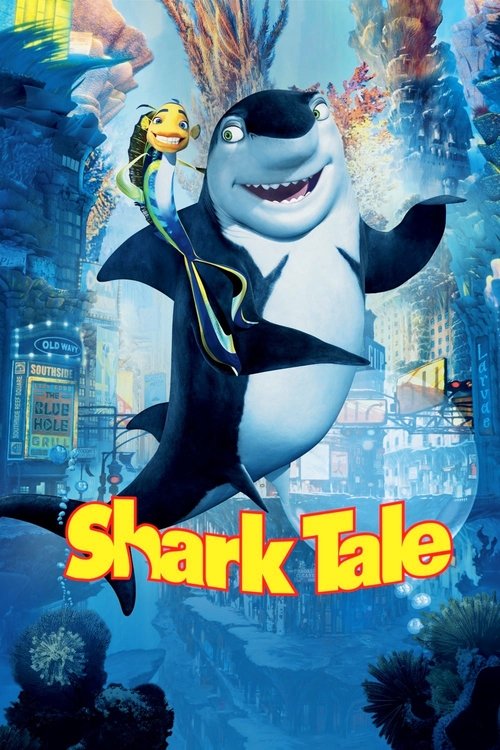
(2004)Shark Tale is an animated comedy about Oscar, a fast-talking fish who gains fame after a lie makes him look like a shark-slaying hero. As his status rises, he forms an unlikely friendship with Lenny, a gentle shark who does not fit his family's expectations.
This is a flashy, joke-heavy family film with mild comic peril, mob-style humor, and a steady message about image, fame, and pretending to be someone you are not. The bigger concern for many Christian families is not the surface content but the film's mixed moral world, where deception and status drive much of the story before truth and friendship finally matter more.
Use the content rating for what shows up on screen, and the Christian guidance rating for what the movie encourages children to admire or question.
Content Indicators

Reviewed 1 February 2026
Rachel focuses on animated films, family viewing habits, and helping parents spot worldview themes quickly.
Shark Tale Christian Movie Review (2004)
Guidance: Talk Together
This is a flashy, joke-heavy family film with mild comic peril, mob-style humor, and a steady message about image, fame, and pretending to be someone you are not. The bigger concern for many Christian families is not the surface content but the film’s mixed moral world, where deception and status drive much of the story before truth and friendship finally matter more.
Why This Guidance Level
This lands in the middle because the on-screen content is fairly mild, but the film gives a lot of space to deception, vanity, greed, and image-making before it turns toward honesty and loyal friendship. That makes it less about shielding children from harsh content and more about helping them sort through what kind of success is worth wanting.
Faith & Worldview Perspective
Shark Tale reflects real truths when it shows that lies grow, fame is hollow, and genuine friendship matters more than public image. Its tension comes from a world built on hustle, status, fear, and self-invention, where Oscar tries to become somebody through performance instead of truth. The film eventually pushes back against that emptiness, but the path there is noisy and morally mixed. Parents may want to discuss how our deepest identity is not earned by applause but grounded in truth before God and hope in Jesus Christ.
Truths Reflected
- Lies may bring quick rewards, but they damage trust and eventually collapse.
- Friendship and sacrificial care matter more than wealth, image, or popularity.
Tensions to Discuss
- The film spends much of its runtime treating deception as a workable path to success, which conflicts with God’s call to truthfulness.
- Its status-driven vision of identity can pull against the Christian view that worth is not built on fame, money, or performance.
Content & Discernment Markers
Occult & Spiritual Content
- Occult material does not stand out here. The story uses fantasy sea-creature comedy, but there is no spiritual practice, spellcasting, or supernatural teaching for families to sort through.
Sexuality & Relationships
- A few jokes lean flirtatious or mildly suggestive. One customer says, “It is mating season, and I’m feelin’ lucky,” and Oscar pushes Angie to dance with him using lines like “Dance with me, mama. Let me see it.” The humor is brief, but parents may want to note the film’s playful use of adult-style flirting.
- A song cue includes the lyric “I like big butts and I cannot lie,” used as part of the movie’s pop-culture comedy. It passes quickly, but it is the kind of line many parents will want to know is there.
Identity Themes
- Oscar builds his image on a lie and enjoys the attention that comes with looking important and powerful. His fantasy of the “good life” centers on money, luxury, and being admired, which gives families a clear opening to discuss whether identity should come from status or truth.
- Lenny is pressured to fit a family role he does not want, especially the expectation that he be a “killer” like the rest of the sharks. That conflict can open a useful conversation about resisting sinful expectations while still honoring family rightly.
Violence & Intensity
- The film uses repeated shark fear for comedy and tension. The opening plays on the “Jaws” theme, characters shriek, and lines like “Are they gone?” and news reports about the “shark menace” keep the sense of danger active even when the tone stays playful.
- There are chase scenes, mob-style threats, and comic fights, including a staged public fight between a fish and a shark. A shark also dies, though the movie handles it in a stylized, family-film way rather than with graphic detail.
Language & Humour
- Language is mostly mild and comic, with insults and put-downs such as “little wormie,” “smart mouth,” and jokes about being broke. The tone is more teasing and swagger than outright profanity, but the movie’s humor can still model a sharp tongue.
Other Content Notes
- The undersea world is framed with organized-crime parody. Dialogue like “The boss be needin’ to see you right now,” “Capiche?” and Don Lino’s family hierarchy give the sharks a mafia flavor. It is played for laughs, but it normalizes intimidation and power games as part of the setting.
- Oscar repeatedly chases get-rich-quick ideas, including pitching “Bottled water” as a sure thing and dreaming about escaping work through easy money. Christian families may want to discuss greed, contentment, and honest labor.
Notable Moments
- Opening shark scare: The movie opens with shrieks, the “Jaws” theme, and frightened reactions, setting up sharks as a source of comic fear even while Lenny is introduced as gentle.
“That song gives me the creeps.”
- Oscar’s fame fantasy: Oscar imagines a glamorous life full of luxury and admiration, showing how deeply he wants status and wealth.
“Welcome to my crib. The good life, the way the other half lives.”
- Get-rich-quick mindset: Oscar pitches another scheme instead of doing his work faithfully, reinforcing the film’s early focus on shortcuts and ambition.
“This is like the best idea ever… Bottled water.”
- Mob-family pressure: Don Lino’s crime-family structure shapes the story’s authority dynamic, with intimidation and inherited expectations driving conflict.
“From now on you work for Frankie and Lenny. Capiche?”
Discussion Prompts
- Truth and lying for approval: Why did Oscar enjoy the lie so much, and what did it cost him and others when people believed it?
- Biblical guidance: God calls us to speak truth and put away falsehood, even when a lie makes us look important.
- Scripture: Ephesians 4:25, Proverbs 12:22
- Identity and image: What does the movie say makes someone valuable: fame, money, toughness, or something else? What does Jesus say gives a person worth?
- Biblical guidance: A Christian’s identity is not built on image or applause but on belonging to God in Christ.
- Scripture: Genesis 1:27, Galatians 2:20, Matthew 16:26
- Peer pressure and family expectations: How did Lenny respond when his family expected him to be someone he was not? When is it right to resist pressure?
- Biblical guidance: We honor family, but we must not join in what is wrong. Christian courage means choosing what is good before God.
- Scripture: Exodus 20:12, Acts 5:29, 1 Corinthians 15:33
- Money, ambition, and contentment: What did Oscar think money would fix? Did wealth actually make him secure or honest?
- Biblical guidance: Scripture warns against loving money and points us toward contentment, honest work, and hope in Christ rather than quick success.
- Scripture: 1 Timothy 6:9-10, Hebrews 13:5, Colossians 3:23-24
Common questions about Shark Tale
- What age is Shark Tale suitable for?
- Shark Tale suits children of about 6 and older in most families. The main reason is violence and peril. The film uses repeated shark fear for comedy and tension.
- Is Shark Tale okay for a 4-year-old?
- Shark Tale is generally better suited to children of about 6 and up, so a 4-year-old may find parts of it a stretch. The film uses repeated shark fear for comedy and tension. Families whose children handle violence and peril well may still be comfortable watching together.
Age guidance is derived from this review's content findings and the film's official classifications. It is a starting point for your own judgement, not a rule.
Parent comments
Leave a comment on this review
Share a short note on Shark Tale, or help other parents with discernment.
Submit will ask you to sign in first.
Weekend family picks
Get the short family movie list before the weekend
Example newsletter: 3 movies to watch this weekend with your family, plus one question to ask after the credits.
Sample: 3 movies to watch this weekend with your family
One cinema pick, one streaming pick, one conversation-starter pick.
Related Articles
A few bigger-picture reads for parents who want more context than a single review page can hold.

Animal Farm And Talking With Kids About Power, Truth, And Sin
Animal Farm can help older children see how slogans, fear, and corrupted authority distort truth, but parents should frame the story with a biblical view of sin.
Read article
5 Things To Notice In Kids Movies Before The Message Lands
A child can absorb a movie long before they can explain it. These five checkpoints help Christian parents notice what a film is training the heart to love, fear, excuse, or trust.
Read article
How To Talk With Kids About Magic, Fate, And Spiritual Themes In Movies
Many family movies use magic, destiny, spirits, or cosmic balance to drive the story. This article helps Christian parents respond without overreacting, while still drawing clear lines back to biblical truth.
Read articleMore Reviews



Official regional ratings
Local ratings remain available for reference, but LionLens separates those classifications from Christian family discernment.
Review Method
How this review was prepared
LionLens reviews are written with subtitle and dialogue evidence where available, official regional ratings data, source research, and final human editorial review before publication.