
Human Reviewed
Parent feedback
20 families found this review helpful
Christian Movie Review
Ruby Gillman, Teenage Kraken Christian Movie Review
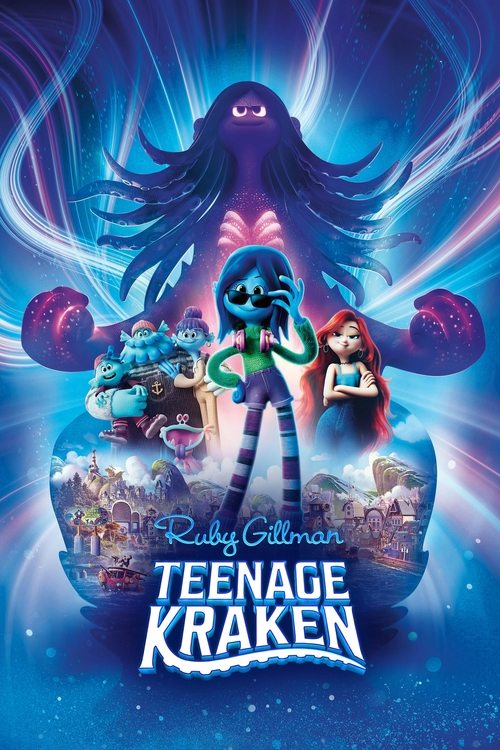
(2023)Ruby Gillman is a shy teen who wants to fit in at school, go to prom, and live a normal life. Her family’s secret kraken identity pulls her into a fantasy conflict involving mermaids, family rules, and the question of what it means to grow up.
This is a bright, family-friendly animated adventure with mild peril, some rude language, and a strong emphasis on self-acceptance. Christian parents may want to talk through the film’s message about identity, authority, and the way family secrecy is handled.
Use the content rating for the mild peril and language, and the Christian guidance rating for the film’s identity-and-authority message.
Content Indicators

Reviewed 21 June 2026
Micah covers action, fantasy, and franchise releases, with close attention to violence, spiritual themes, and moral framing.
Ruby Gillman, Teenage Kraken Christian Movie Review (2023)
Guidance: Talk Together
This is a bright, family-friendly animated adventure with mild peril, some rude language, and a strong emphasis on self-acceptance. Christian parents may want to talk through the film’s message about identity, authority, and the way family secrecy is handled.
Why This Guidance Level
This is a mild animated fantasy with a few tense moments, light rude language, and very limited romance. The bigger reason for discussion is not the surface content but the film’s message: it praises self-discovery and independence while treating family secrecy and parental control too casually. That makes it a good fit for families who want to talk about truth, identity, and honoring parents without losing sight of a child’s growing maturity.
Faith & Worldview Perspective
The film affirms courage, belonging, and the desire to be known, and it gives a warm picture of family loyalty. At the same time, it leans hard into the idea that a teen must define herself by embracing hidden powers and pushing past parental limits, which can flatten the role of wise authority and truthfulness. Parents may want to discuss how Christian identity is received from God, not manufactured through self-acceptance alone.
Truths Reflected
- People long to belong and be known.
- Family love can be protective and sacrificial.
Tensions to Discuss
- The film treats deception as a small family habit, which conflicts with Scripture’s call to truthfulness.
- It presents self-definition and independence as the path to flourishing, rather than identity rooted in God’s design and Christ.
Content & Discernment Markers
Occult & Spiritual Content
- The movie uses fantasy sea-lore rather than occult practice. Krakens, mermaids, and ocean mythology drive the story, but there is no spellcasting or spiritual instruction to weigh heavily here.
Sexuality & Relationships
- Teen romance stays light, centered on prom, crushes, and a couple of quick kisses. The focus is social pressure and fitting in rather than sexual content.
Identity Themes
- Ruby’s central struggle is identity: she says, “I am a kraken who is barely pulling off this whole human thing,” and the story keeps pushing her toward embracing what makes her different. That can encourage confidence, but parents may want to discuss whether identity comes from self-discovery alone or from belonging to God. Talk with your child about where true identity is found.
- The family’s secrecy is played for comedy when Ruby asks, “Does it bother you guys that we lie to everyone all the time?” and the reply is, “We’re not lying. We’re just omitting.” That casual attitude toward dishonesty is worth a family conversation about truth and integrity.
Violence & Intensity
- There is mild fantasy danger around the ocean, a stormy boat setting, and a later sea-creature battle that creates peril for teens and marine life. The action is stylized and not especially graphic, but it does include a sinking rescue moment and monster-threat language that may feel tense for younger viewers.
Language & Humour
- The language is mostly mild teasing and rude humor, including “trash,” “Tadpole,” “Blech,” “dum-dum,” “shut up,” and “stupid.” These are not heavy profanities, but parents may still want to note the repeated snarky tone.
Other Content Notes
- The prom storyline drives much of the teen pressure, with Ruby calling junior prom “the sacred rite of every human teenager.” The film uses that social milestone to explore belonging, independence, and the fear of missing out.
Notable Moments
- Prom plea: Ruby makes an earnest case for going to prom, arguing that she needs to blend in and that the boat setting is safe. The scene captures teen pressure and her longing to fit in.
“Junior prom is the sacred rite of every human teenager.”
- Family secrecy: Ruby directly questions the family’s habit of hiding the truth, and the answer treats deception as harmless omission. This is one of the clearest places for a Christian conversation about honesty.
“Does it bother you guys that we lie to everyone all the time?”
- Identity reveal: The film frames Ruby’s kraken nature as something to embrace rather than fear, which gives the story its emotional lift but also its main worldview tension.
“I am a kraken who is barely pulling off this whole human thing.”
Discussion Prompts
- Identity and belonging: What does Ruby think makes her valuable, and how is that different from how Christians understand identity?
- Biblical guidance: Scripture teaches that our worth comes from being made by God and redeemed in Christ, not from self-invention or fitting in.
- Scripture: Genesis 1:27, 2 Corinthians 5:17, Ephesians 2:10
- Truthfulness in family life: Why does the family call lying “omitting,” and why does that matter?
- Biblical guidance: God calls His people to speak truthfully and to let their yes be yes, even when honesty is inconvenient.
- Scripture: Ephesians 4:25, Matthew 5:37, Proverbs 12:22
- Authority and growing up: When is it wise to listen to parents, and when does growing up mean learning to reason with them respectfully?
- Biblical guidance: Children are called to honor parents, and wise parents use authority to protect rather than control for its own sake.
- Scripture: Exodus 20:12, Ephesians 6:1-4, Colossians 3:20
- Fear and courage: What helps Ruby move from fear to courage, and how does Christian hope in Christ steady us differently?
- Biblical guidance: Courage grows when we trust God’s presence and promises, not just our own hidden strengths.
- Scripture: Joshua 1:9, Psalm 56:3, John 16:33
Common questions about Ruby Gillman, Teenage Kraken
- What age is Ruby Gillman, Teenage Kraken suitable for?
- Ruby Gillman, Teenage Kraken suits children of about 6 and older in most families. The main reason is violence and peril. There is mild fantasy danger around the ocean, a stormy boat setting, and a later sea-creature battle that creates peril for teens and marine life. Younger viewers may still enjoy it alongside a parent, and it raises worldview questions worth talking through afterwards.
- Is Ruby Gillman, Teenage Kraken okay for a 4-year-old?
- Ruby Gillman, Teenage Kraken is generally better suited to children of about 6 and up, so a 4-year-old may find parts of it a stretch. There is mild fantasy danger around the ocean, a stormy boat setting, and a later sea-creature battle that creates peril for teens and marine life. Families whose children handle violence and peril well may still be comfortable watching together.
Age guidance is derived from this review's content findings and the film's official classifications. It is a starting point for your own judgement, not a rule.
Parent comments
Leave a comment on this review
Share a short note on Ruby Gillman, Teenage Kraken, or help other parents with discernment.
Submit will ask you to sign in first.
Weekend family picks
Get the short family movie list before the weekend
Example newsletter: 3 movies to watch this weekend with your family, plus one question to ask after the credits.
Sample: 3 movies to watch this weekend with your family
One cinema pick, one streaming pick, one conversation-starter pick.
Related Articles
A few bigger-picture reads for parents who want more context than a single review page can hold.
Animal Farm And Talking With Kids About Power, Truth, And Sin
Animal Farm can help older children see how slogans, fear, and corrupted authority distort truth, but parents should frame the story with a biblical view of sin.
Read article
Disney And Pixar Films For Christian Families: Why They Still Need Discernment
Disney and Pixar films often feel safer than they really are. This guide helps Christian parents notice the spiritual assumptions, emotional messages, and identity themes that can slip past a quick first impression.
Read article
5 Things To Notice In Kids Movies Before The Message Lands
A child can absorb a movie long before they can explain it. These five checkpoints help Christian parents notice what a film is training the heart to love, fear, excuse, or trust.
Read articleMore Reviews



Official regional ratings
Local ratings remain available for reference, but LionLens separates those classifications from Christian family discernment.
Review Method
How this review was prepared
LionLens reviews are written with subtitle and dialogue evidence where available, official regional ratings data, source research, and final human editorial review before publication.