Human Reviewed
Parent feedback
58 families found this review helpful
Christian Movie Review
Raya and the Last Dragon Christian Movie Review
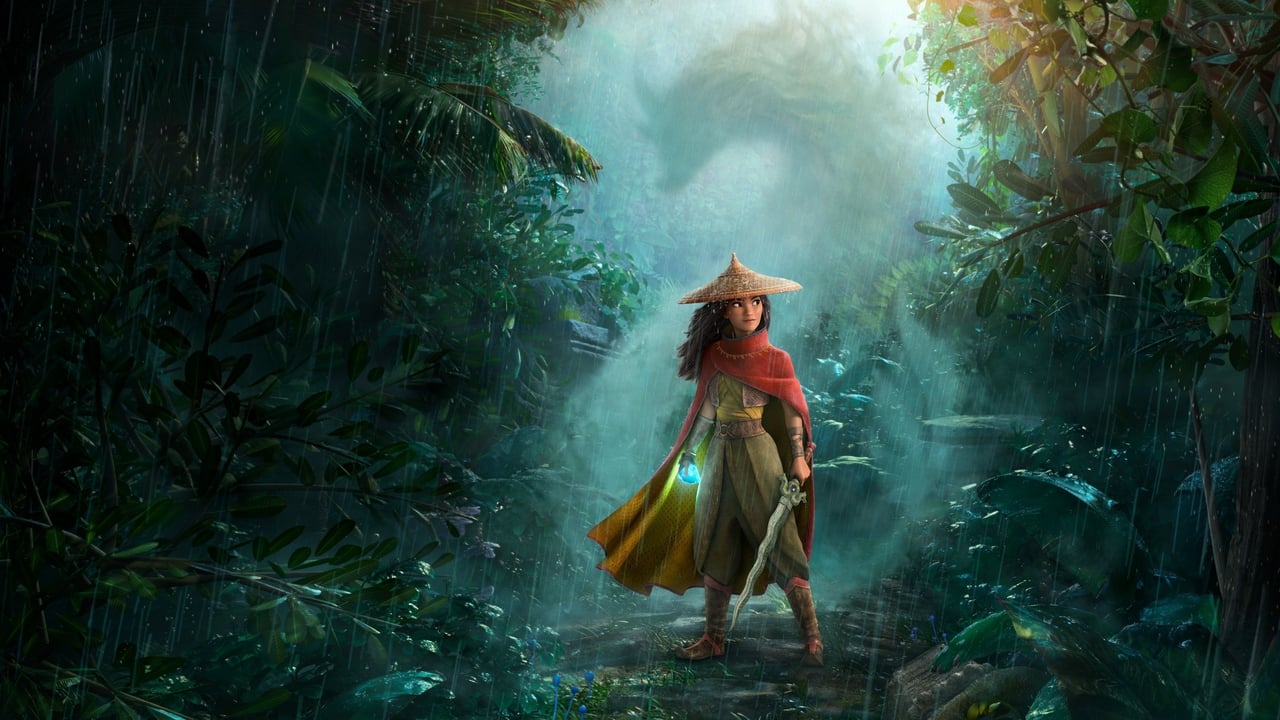
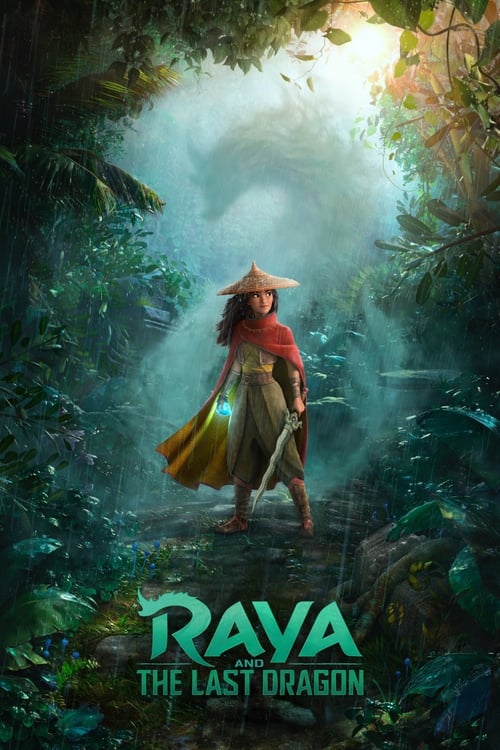
(2021)Raya and the Last Dragon is an animated fantasy adventure set in the divided land of Kumandra, where a young warrior travels across rival regions to recover hope and restore trust. The story blends action, humor, grief, and reconciliation as Raya and her allies confront a supernatural plague and the legacy of a lost dragon.
This is a lively PG adventure with fantasy peril, some rude language, and a strong focus on trust, unity, and healing division. Christian families may want to talk through the film’s spiritual imagery and its message about hope, sacrifice, and reconciliation.
Use the content rating to gauge the action and scary moments, and the Christian guidance rating to think through the film’s worldview and spiritual imagery.
Content Indicators

Reviewed 1 June 2026
Micah covers action, fantasy, and franchise releases, with close attention to violence, spiritual themes, and moral framing.
Raya and the Last Dragon Christian Movie Review (2021)
Guidance: Talk Together
This is a lively PG adventure with fantasy peril, some rude language, and a strong focus on trust, unity, and healing division. Christian families may want to talk through the film’s spiritual imagery and its message about hope, sacrifice, and reconciliation.
Why This Guidance Level
This is a family adventure with moderate fantasy danger rather than heavy content, so the surface concerns stay in the mild-to-some range. The bigger issue for Christian families is the film’s spiritual framing: dragon magic, a sacred relic, and spirit language carry the story’s hope and restoration, which makes it worth a thoughtful conversation even though the movie’s moral tone is largely positive.
Faith & Worldview Perspective
The film celebrates trust, shared sacrifice, and the healing of divided communities, and those are strong themes for family discussion. Its deepest worldview layer is mythic and spiritual rather than biblical, with salvation-like power placed in dragon magic and a sacred gem instead of in God’s providence and the hope found in Christ.
Truths Reflected
- Reconciliation matters and distrust destroys communities.
- Sacrifice and perseverance can serve the good of others.
Tensions to Discuss
- Hope and restoration are tied to dragon magic and a sacred relic rather than to God’s saving work in Christ.
- The film’s spirit-like and mythic framework can blur the line between fantasy symbolism and spiritual truth.
Content & Discernment Markers
Occult & Spiritual Content
- Dragon magic drives the whole backstory: the last dragon pours her power into a gem, the gem is called a sacred relic, and Raya later speaks of “the spirit of Sisu.” The film treats this supernatural force as the key to healing the world, so Christian parents may want to discuss how this differs from hope in God rather than magical power.
Sexuality & Relationships
- Romantic content does not stand out. The story focuses instead on family loyalty, friendship, and rivalries between young warriors and leaders.
Identity Themes
- The movie emphasizes identity through belonging, legacy, and national division. Raya is named a guardian of the gem, and the story keeps returning to whether people will live as enemies or become one people again. Parents may want to discuss where identity comes from and how Christ reshapes pride, fear, and belonging.
Violence & Intensity
- The opening explains that the Druun are a plague-like force that turns people to stone, and later scenes include blades, arrows, axes, combat, and frantic escapes. The action is stylized and family-friendly in tone, but the stone-turning threat gives the movie a real sense of danger.
Language & Humour
- Language stays light, with rude or dismissive lines like “Kumandra’s a joke!” and “Looks like someone’s trying to be clever.” The film also uses playful banter and teasing rather than stronger profanity.
Other Content Notes
- The story is built around grief, loss, and political division. Chief Benja warns that if people do not learn to trust again, they will tear each other apart, and that tension shapes the whole film.
Notable Moments
- Dragon sacrifice: The opening explains that the dragons gave themselves to save humanity, and Sisu concentrates her magic into a gem to drive back the Druun. This is the film’s central mythic event and the source of its spiritual framework.
“That’s when the Mighty Sisudatu, the last dragon, concentrated all her magic into a gem…”
- Trust speech: Chief Benja explains that the lands became enemies because they stopped trusting one another, and he calls for unity instead of fear. This is one of the film’s clearest moral statements.
“If we don’t stop and learn to trust one another again, it’s only a matter of time before we tear each other apart.”
- Sacred relic dispute: At the gathering, characters argue over whether the gem is a weapon or a sacred relic, showing how power and fear distort the nations. The scene matters because it ties the conflict to competing beliefs about what saves people.
“The gem’s not a weapon. It’s a sacred relic.”
Discussion Prompts
- Trust and reconciliation: Why do you think the characters find it so hard to trust one another, and what helps them move toward peace?
- Biblical guidance: Scripture teaches that peace and reconciliation matter, but they are grounded in God’s truth and grace, not just good intentions.
- Scripture: Ephesians 4:32, Romans 12:18
- Hope and sacrifice: What kind of sacrifice changes the world in this story, and how is that different from the hope Christians have in Jesus Christ?
- Biblical guidance: The film points to self-giving love, which can open a conversation about Christ’s greater sacrifice and saving work.
- Scripture: John 15:13, 1 Peter 2:24
- Spiritual imagery: What role does dragon magic play in the story, and why might Christians be careful about where they place their hope?
- Biblical guidance: Christians look to God, not magical power or sacred objects, for rescue and restoration.
- Scripture: Colossians 1:16-17, Psalm 20:7
- Identity and belonging: What gives Raya and the other characters their sense of identity, and how does that compare with belonging to Christ?
- Biblical guidance: The Bible roots identity in being made by God and redeemed in Christ, not in tribe, status, or legacy.
- Scripture: Galatians 3:28, 2 Corinthians 5:17
Common questions about Raya and the Last Dragon
- What age is Raya and the Last Dragon suitable for?
- Raya and the Last Dragon suits children of about 8 and older in most families. That follows its official classification. It is rated PG in Australia, the US, New Zealand, the UK and Canada. The opening explains that the Druun are a plague-like force that turns people to stone, and later scenes include blades, arrows, axes, combat, and frantic escapes. Younger viewers may still enjoy it alongside a parent, and it raises worldview questions worth talking through afterwards.
- Is Raya and the Last Dragon okay for a 6-year-old?
- Raya and the Last Dragon is generally better suited to children of about 8 and up, so a 6-year-old may find parts of it a stretch. It is rated PG in Australia, the US, New Zealand, the UK and Canada. The opening explains that the Druun are a plague-like force that turns people to stone, and later scenes include blades, arrows, axes, combat, and frantic escapes. Families comfortable watching a little above the classification together may still be fine with it.
Age guidance is derived from this review's content findings and the film's official classifications. It is a starting point for your own judgement, not a rule.
Parent comments
Leave a comment on this review
Share a short note on Raya and the Last Dragon, or help other parents with discernment.
Submit will ask you to sign in first.
Weekend family picks
Get the short family movie list before the weekend
Example newsletter: 3 movies to watch this weekend with your family, plus one question to ask after the credits.
Sample: 3 movies to watch this weekend with your family
One cinema pick, one streaming pick, one conversation-starter pick.
Related Articles
A few bigger-picture reads for parents who want more context than a single review page can hold.

How To Talk With Kids About Magic, Fate, And Spiritual Themes In Movies
Many family movies use magic, destiny, spirits, or cosmic balance to drive the story. This article helps Christian parents respond without overreacting, while still drawing clear lines back to biblical truth.
Read article
How To Talk With Kids About Dragon magic In Family Movies
A parent-friendly guide to discussing dragon magic in family movies through a Christian lens.
Read article
How To Talk With Kids About Mild fantasy peril In Family Movies
A parent-friendly guide to discussing mild fantasy peril in family movies through a Christian lens.
Read articleMore Reviews


Official regional ratings
Local ratings remain available for reference, but LionLens separates those classifications from Christian family discernment.
Review Method
How this review was prepared
LionLens reviews are written with subtitle and dialogue evidence where available, official regional ratings data, source research, and final human editorial review before publication.