
Human Reviewed
Parent feedback
38 families found this review helpful
Christian Movie Review
Ralph Breaks the Internet Christian Movie Review
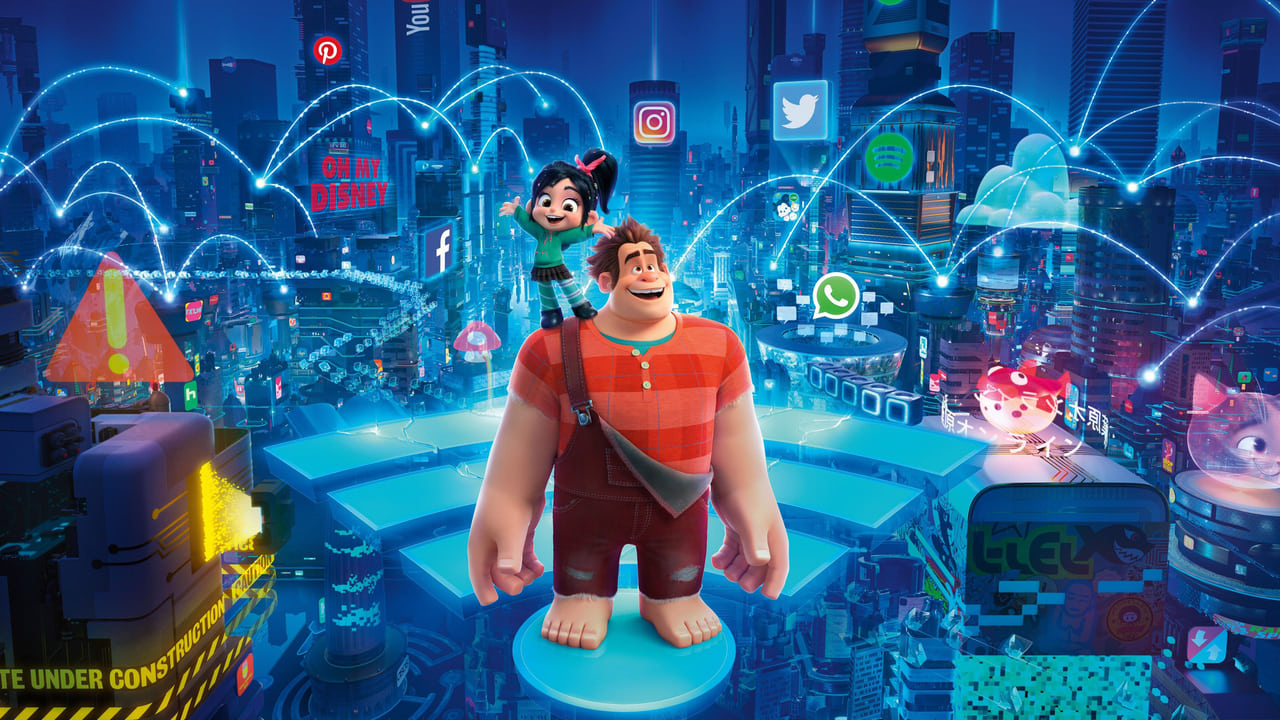
(2018)Video game bad guy Ralph and fellow misfit Vanellope von Schweetz must risk it all by traveling to the World Wide Web in search of a replacement part to save Vanellope's video game, Sugar Rush. In way over their heads, Ralph and Vanellope rely on the citizens of the internet - the netizens - to help navigate their way, including an entrepreneur named Yesss, who is the head algorithm and the heart and soul of trend-making site BuzzzTube.
This sequel is a bright, fast-moving family comedy with mild peril and broad humor, but its bigger talking points are relational: insecurity, possessiveness, online validation, and the pressure to define yourself through success or popularity. For many Christian families, the main concern is less surface content and more the film’s message about friendship, identity, and what happens when love turns controlling.
Start with the content rating, then use the Christian guidance rating to decide how much conversation your family may need.
Content Indicators

Reviewed 19 April 2026
Micah covers action, fantasy, and franchise releases, with close attention to violence, spiritual themes, and moral framing.
Ralph Breaks the Internet Christian Movie Review (2018)
Guidance: Talk Together
This sequel is a bright, fast-moving family comedy with mild peril and broad humor, but its bigger talking points are relational: insecurity, possessiveness, online validation, and the pressure to define yourself through success or popularity. For many Christian families, the main concern is less surface content and more the film’s message about friendship, identity, and what happens when love turns controlling.
Why This Guidance Level
This lands in a middle category because the content is generally in the range many families expect from mainstream animation, with comic danger, chase scenes, and mild rude humor rather than heavy material. The stronger issue is the film’s emotional and cultural messaging: it treats insecurity, codependence, and online attention in ways that can open very worthwhile conversations, especially about loving others without trying to control them and finding identity in Christ rather than in approval or achievement.
Faith & Worldview Perspective
At its best, the film sees that friendship can be damaged by fear, jealousy, and selfish attachment, and it shows the need for humility and letting others grow. That reflects a real truth: love seeks another person’s good, not just personal comfort. At the same time, the story leans more on self-expression and personal fulfillment than on any deeper source of identity. Christian families may want to talk about how freedom and growth are good gifts, but they are safest when rooted in truth, sacrificial love, and hope in Jesus Christ rather than in online praise or personal ambition alone.
Truths Reflected
- Jealousy and insecurity can distort love and damage close relationships.
- Healthy friendship includes honesty, repentance, and giving others room to grow.
Tensions to Discuss
- The film tends to frame identity and purpose around personal desire and success rather than who we are before God in Christ.
- Some of its emotional logic can blur the line between devoted friendship and controlling attachment, which Christian parents may want to discuss in light of self-giving love.
Content & Discernment Markers
Occult & Spiritual Content
- Occult material does not stand out here. The film uses fantasy and digital-world imagination rather than spiritual practice, though some dark-web imagery may feel eerie for younger children.
Sexuality & Relationships
- There is no major sexual content concern, but there are a few moments of broad humor and stylized character designs that play for laughs in the internet setting. The main relationship focus is friendship rather than romance.
Identity Themes
- The story centers on whether a close friendship can survive change. Ralph’s insecurity pushes him toward clingy, manipulative choices because he fears being left behind. Parents may want to discuss how love differs from possession.
- Vanellope’s desire for a new path is presented as exciting and freeing, which can encourage healthy growth, but it also reflects a common cultural message that fulfillment comes mainly from following your feelings and finding the next adventure. A Christian parent may want to discuss how identity is steadied by Christ, not just by chasing what feels most alive in the moment.
Violence & Intensity
- Animated action includes chase scenes, crashes, threats, and large-scale digital chaos. The danger is stylized rather than graphic, but some sequences are intense enough to unsettle very young viewers.
- A later sequence turns Ralph’s insecurity into a visually overwhelming threat, with swarming versions of himself creating a more frightening image than the film’s usual comic tone. Parents may want to talk about how unchecked fear can grow into destructive behavior.
Language & Humour
- Language is generally mild, with family-film insults, exasperated outbursts, and internet-era joke writing rather than strong profanity. Humor also includes some rude and chaotic online gags that parents may find immature more than offensive.
Other Content Notes
- The internet setting brings constant references to trends, viral fame, pop-up culture, and monetized attention. That satire is often funny, but it also normalizes a world where value can seem tied to clicks, popularity, and performance. Parents may want to discuss what real worth looks like before God.
- Dark web scenes are played in a comic-adventure style, but the setting carries a shady tone and introduces morally dubious behavior as part of the online world the characters navigate.
Notable Moments
- Friendship under strain: Ralph’s fear of losing Vanellope drives choices that damage trust and expose how insecurity can turn affection into control.
- Dark web sequence: A trip into the darker corners of the internet adds shady atmosphere and mild tension within an otherwise playful adventure.
- Insecurity made visible: The film externalizes Ralph’s inner fears in a chaotic visual climax, making the emotional lesson easy for children to grasp.
Discussion Prompts
- Friendship vs. control: When does wanting to keep a friend close become selfish or controlling? How could Ralph have loved his friend better?
- Biblical guidance: Real love seeks the good of another person and is not self-seeking or possessive.
- Scripture: 1 Corinthians 13:4-5, Philippians 2:3-4
- Identity and approval: What does the movie suggest makes someone valuable: success, excitement, popularity, or something deeper? Where should a Christian find identity?
- Biblical guidance: Our deepest worth is not in applause or achievement but in belonging to God through Jesus Christ.
- Scripture: Galatians 2:20, Psalm 139:13-14
- Jealousy and fear: How did fear of being left behind affect Ralph’s choices? What should we do when jealousy starts growing in us?
- Biblical guidance: We are called to bring anxious hearts to God and to put away bitterness and selfish anger.
- Scripture: James 3:16, Philippians 4:6-7, Ephesians 4:31-32
- Online culture and truth: What parts of the internet world in the movie seem funny but also unhealthy? How can we use technology without letting it shape our value system?
- Biblical guidance: Christians are called to test what influences them and to set their minds on what is true and worthy.
- Scripture: Romans 12:2, Philippians 4:8, 1 Thessalonians 5:21
Common questions about Ralph Breaks the Internet
- What age is Ralph Breaks the Internet suitable for?
- Ralph Breaks the Internet suits children of about 8 and older in most families. That follows its official classification. It is rated PG in Australia, the US, New Zealand, the UK and Canada. Animated action includes chase scenes, crashes, threats, and large-scale digital chaos.
- Is Ralph Breaks the Internet okay for a 6-year-old?
- Ralph Breaks the Internet is generally better suited to children of about 8 and up, so a 6-year-old may find parts of it a stretch. It is rated PG in Australia, the US, New Zealand, the UK and Canada. Animated action includes chase scenes, crashes, threats, and large-scale digital chaos. Families comfortable watching a little above the classification together may still be fine with it.
Age guidance is derived from this review's content findings and the film's official classifications. It is a starting point for your own judgement, not a rule.
Parent comments
Leave a comment on this review
Share a short note on Ralph Breaks the Internet, or help other parents with discernment.
Submit will ask you to sign in first.
Weekend family picks
Get the short family movie list before the weekend
Example newsletter: 3 movies to watch this weekend with your family, plus one question to ask after the credits.
Sample: 3 movies to watch this weekend with your family
One cinema pick, one streaming pick, one conversation-starter pick.
Related Articles
A few bigger-picture reads for parents who want more context than a single review page can hold.
Animal Farm And Talking With Kids About Power, Truth, And Sin
Animal Farm can help older children see how slogans, fear, and corrupted authority distort truth, but parents should frame the story with a biblical view of sin.
Read article
5 Things To Notice In Kids Movies Before The Message Lands
A child can absorb a movie long before they can explain it. These five checkpoints help Christian parents notice what a film is training the heart to love, fear, excuse, or trust.
Read article
How To Talk With Kids About Magic, Fate, And Spiritual Themes In Movies
Many family movies use magic, destiny, spirits, or cosmic balance to drive the story. This article helps Christian parents respond without overreacting, while still drawing clear lines back to biblical truth.
Read articleMore Reviews



Official regional ratings
Local ratings remain available for reference, but LionLens separates those classifications from Christian family discernment.
Review Method
How this review was prepared
LionLens reviews are written with subtitle and dialogue evidence where available, official regional ratings data, source research, and final human editorial review before publication.