Human Reviewed
Parent feedback
60 families found this review helpful
Christian Movie Review
Puss in Boots Christian Movie Review
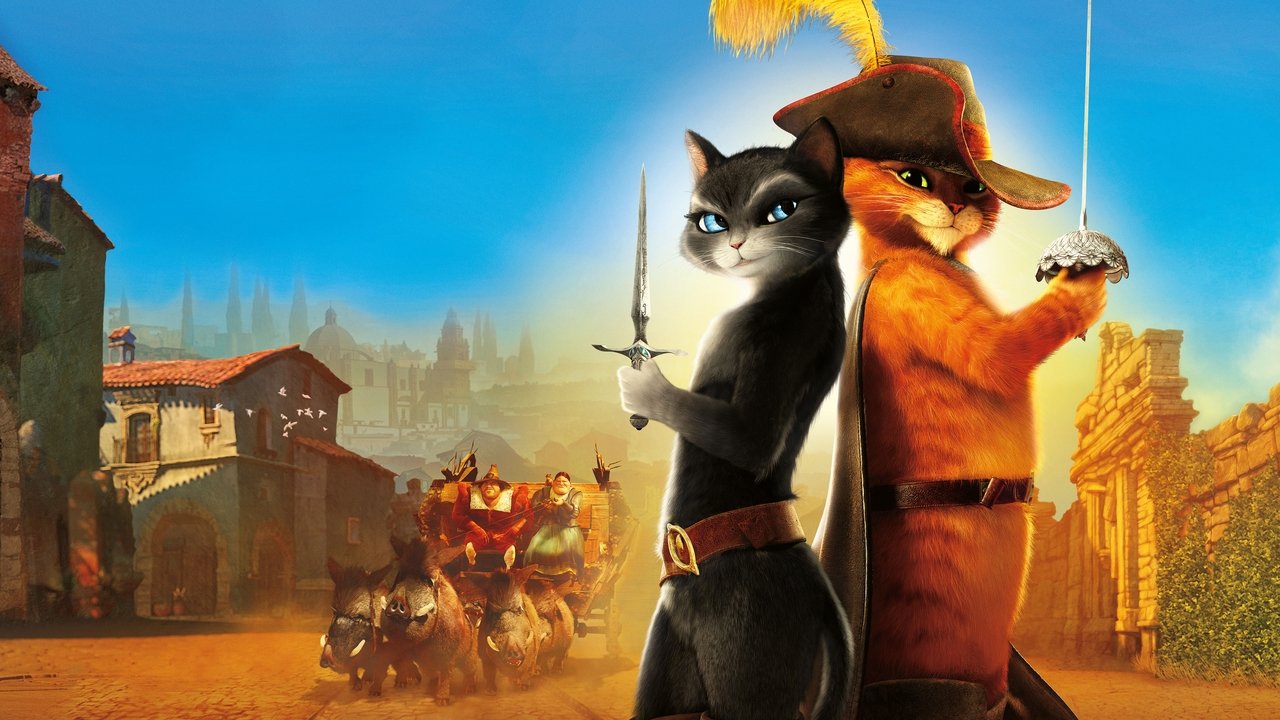
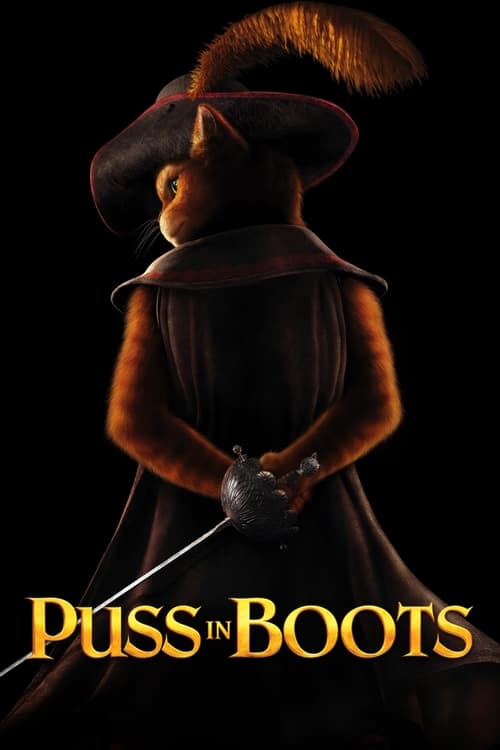
(2011)This animated Shrek spin-off follows the swaggering outlaw Puss in Boots as he chases magic beans, a legendary goose, and a chance to clear his name. The story mixes fairy-tale adventure, comedy, betrayal, and reconciliation.
Puss in Boots is a lively family adventure with cartoon swordplay, chase scenes, mild flirtation, and a few adult-leaning jokes. For many families, the bigger discernment issue is not harsh content but the film's playful treatment of stealing, revenge, and romantic swagger.
Use the content rating for what children will hear and see, and the Christian guidance rating for what the story may invite you to discuss.
Content Indicators

Reviewed 7 February 2026
Micah covers action, fantasy, and franchise releases, with close attention to violence, spiritual themes, and moral framing.
Puss in Boots Christian Movie Review (2011)
Guidance: Talk Together
Puss in Boots is a lively family adventure with cartoon swordplay, chase scenes, mild flirtation, and a few adult-leaning jokes. For many families, the bigger discernment issue is not harsh content but the film’s playful treatment of stealing, revenge, and romantic swagger.
Why This Guidance Level
This lands in the middle because the content is fairly mild for a family adventure, but the story gives parents several worthwhile conversation points. The film celebrates courage and loyalty while also normalizing outlaw behavior, flirtation, and a reputation-driven idea of redemption that benefits from Christian discussion.
Faith & Worldview Perspective
The story values friendship, sacrifice, mercy, and the chance to make things right after betrayal. It also builds its hero around charm, theft, revenge, and self-made honor, so the moral picture is mixed rather than fully clear. Magic beans, giants, and fairy-tale legend function as fantasy adventure rather than serious spiritual teaching, but parents may still want to remind children that Christian hope is not found in luck, legend, or treasure, but in Jesus Christ. A helpful family conversation is the difference between clearing your name and truly repenting before God.
Truths Reflected
- Friendship and loyalty matter, especially when trust has been broken.
- People can choose courage, sacrifice, and forgiveness instead of selfish gain.
Tensions to Discuss
- The film treats stealing and deception as stylish tools of a lovable hero, which can blur God’s commands about honesty and justice.
- Redemption is framed largely as restoring honor and friendship rather than repentance and new life in Christ.
Content & Discernment Markers
Occult & Spiritual Content
- Fantasy elements include magic beans, a beanstalk leading to giants, and the promise of a golden goose. This is fairy-tale magic rather than occult practice, but it still places power and hope in legend and treasure instead of truth from God. Parents may want to discuss the difference between fantasy adventure and real spiritual hope in Jesus Christ.
Sexuality & Relationships
- Puss introduces himself with romantic nicknames like “The Furry Lover” and “Frisky Two Times,” then slips away from a woman whose name he cannot remember: “Margarita… I mean… Rosa.” The joke presents him as a charming womanizer in a light comic way.
- Flirtation continues with lines like “Senorita, wait! Let me buy you some leche!” and “I am a lover not a…fighter.” Puss and Kitty’s chemistry is playful rather than explicit, but it leans into adult-style romantic banter.
- A crude joke appears when someone says, “Show him the golden eggs!” followed by “No! Please uh…you have uh…shown enough.” The humor suggests an anatomical gag that some parents may find unnecessary in a family film.
- Jack and Jill are presented as a couple, and Jack says, “I want a baby… of ours, Jill.” The exchange is brief and not explicit, but it introduces adult relationship themes into the comedy.
Identity Themes
- Puss builds his identity around reputation and many names: “Diablo Gato, The Furry Lover… Chupa Cabra, Frisky Two Times.” The film enjoys the legend of self-invention and outlaw fame. Parents may want to discuss finding identity in God’s truth rather than image or applause.
Violence & Intensity
- The film includes repeated swashbuckling action, threats, and comic aggression. Dialogue includes “You are going to pay for that!” and “Put up your paws up!” with fights framed as adventurous fun rather than graphic harm.
- One confrontation turns into a stylized “dance fight,” capped by the line, “I will tuesday night dance fight you to the death!” The tone is playful, but the threat language is still present.
- Peril is tied to outlaw pursuits and dangerous targets, including “Only a cat with a death wish would steal the beans from Jack and Jill.” Younger children may feel some tension around pursuit, capture, and danger.
- The story also includes betrayal and injury language, including being left “cracked in pieces on a bridge, surrounded by soldiers.” The emotional weight of broken trust matters as much as the physical danger.
Language & Humour
- Language is mostly mild and comic, with insults and taunts such as “bad kitty,” “crazy, woman,” “amateur,” and “ball of thread.” There is no standout profanity, but the teasing tone is frequent.
- Humor often comes through swagger and mock threats, including lines like “You made the cat angry” and “Fear me if you dare!” Parents of younger children may want to note how bravado and ridicule are played for laughs.
Other Content Notes
- The film repeatedly centers on theft and outlaw life. Puss refuses some targets with lines like “I do not steal from churches!” and “I do not steal from orphans!” but the story still treats stealing as a normal part of the adventure. Christian parents may want to discuss why partial moral limits do not make wrongdoing right.
- A pub scene uses milk in place of alcohol, with “Bottle of leche, please” and “One leche coming up!” The setting imitates a saloon atmosphere without actual drinking content standing out.
- The plot leans on betrayal, grudges, and old debts, including “How long are you going to hold a grudge?” and “You are a curse on my life!” This gives families a good opening to talk about forgiveness, trust, and wise reconciliation.
Notable Moments
- Womanizer introduction: Puss is introduced with flirtatious aliases and sneaks away from a woman whose name he mixes up, setting a roguish romantic tone.
“I’ll never forget you, Margarita… I mean… Rosa. Sorry. I think maybe I should go.”
- Moral limit on theft: Puss draws lines around what he will steal, which gives the film a partial moral code even while keeping him in outlaw territory.
“I do not steal from churches!… I do not steal from orphans!”
- Crude golden eggs gag: A joke around “golden eggs” pushes into mild crude humor that may catch parents off guard in an otherwise family-friendly adventure.
“Show him the golden eggs! No! Please uh…you have uh…shown enough.”
- Betrayal and brotherhood: The emotional center of the story turns on broken trust between Puss and Humpty.
“Because we were brothers and brothers are supposed to look after each other.”
Discussion Prompts
- Reputation versus true redemption: Puss wants to clear his name, but what is the difference between looking honorable and actually repenting when we have done wrong?
- Biblical guidance: Scripture points beyond image management to confession, repentance, and new life through Jesus Christ.
- Scripture: Psalm 51:10, Luke 18:13-14, 1 John 1:9
- Friendship, betrayal, and forgiveness: When someone hurts us deeply, what does wise forgiveness look like, and how is it different from pretending nothing happened?
- Biblical guidance: Christians are called to forgive as God forgave us in Christ, while also loving truth and wisdom.
- Scripture: Ephesians 4:32, Proverbs 4:23, Colossians 3:13
- Stealing with limits: Puss says there are some people he will not steal from. Why are partial rules not enough if the action itself is wrong?
- Biblical guidance: God’s commands call us not only to avoid certain victims, but to love truth, honesty, and our neighbor.
- Scripture: Exodus 20:15, Ephesians 4:28, Micah 6:8
- Identity and swagger: Puss loves his many names and his image. Where should a Christian find identity when the world celebrates charm, fame, and confidence?
- Biblical guidance: Our deepest identity is not in performance or popularity, but in belonging to Christ.
- Scripture: Galatians 2:20, 1 Peter 2:9-10, Colossians 3:12
Common questions about Puss in Boots
- What age is Puss in Boots suitable for?
- Puss in Boots suits children of about 9 and older in most families. The main reason is sexual content. Puss introduces himself with romantic nicknames like "The Furry Lover" and "Frisky Two Times," then slips away from a woman whose name he cannot remember: "Margarita... Younger viewers may still enjoy it alongside a parent, and it raises worldview questions worth talking through afterwards.
- Is Puss in Boots okay for a 7-year-old?
- Puss in Boots is generally better suited to children of about 9 and up, so a 7-year-old may find parts of it a stretch. Puss introduces himself with romantic nicknames like "The Furry Lover" and "Frisky Two Times," then slips away from a woman whose name he cannot remember: "Margarita... Families whose children handle sexual content well may still be comfortable watching together.
Age guidance is derived from this review's content findings and the film's official classifications. It is a starting point for your own judgement, not a rule.
Parent comments
Leave a comment on this review
Share a short note on Puss in Boots, or help other parents with discernment.
Submit will ask you to sign in first.
Weekend family picks
Get the short family movie list before the weekend
Example newsletter: 3 movies to watch this weekend with your family, plus one question to ask after the credits.
Sample: 3 movies to watch this weekend with your family
One cinema pick, one streaming pick, one conversation-starter pick.
Related Articles
A few bigger-picture reads for parents who want more context than a single review page can hold.

How To Talk With Kids About Magic, Fate, And Spiritual Themes In Movies
Many family movies use magic, destiny, spirits, or cosmic balance to drive the story. This article helps Christian parents respond without overreacting, while still drawing clear lines back to biblical truth.
Read article
How To Talk With Kids About Dragon magic In Family Movies
A parent-friendly guide to discussing dragon magic in family movies through a Christian lens.
Read article
How To Talk With Kids About Mild fantasy peril In Family Movies
A parent-friendly guide to discussing mild fantasy peril in family movies through a Christian lens.
Read articleMore Reviews



Official regional ratings
Local ratings remain available for reference, but LionLens separates those classifications from Christian family discernment.
Review Method
How this review was prepared
LionLens reviews are written with subtitle and dialogue evidence where available, official regional ratings data, source research, and final human editorial review before publication.