Human Reviewed
Parent feedback
79 families found this review helpful
Christian Movie Review
Pokémon the Movie: The Power of Us Christian Movie Review
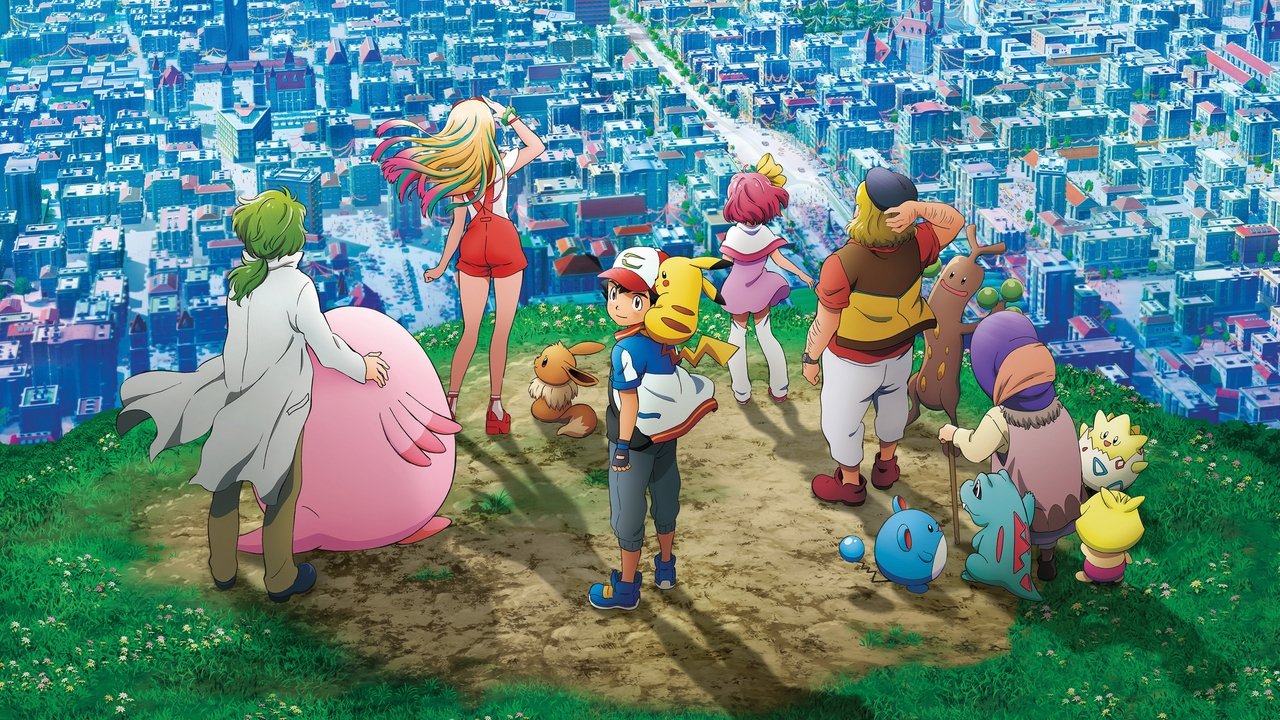
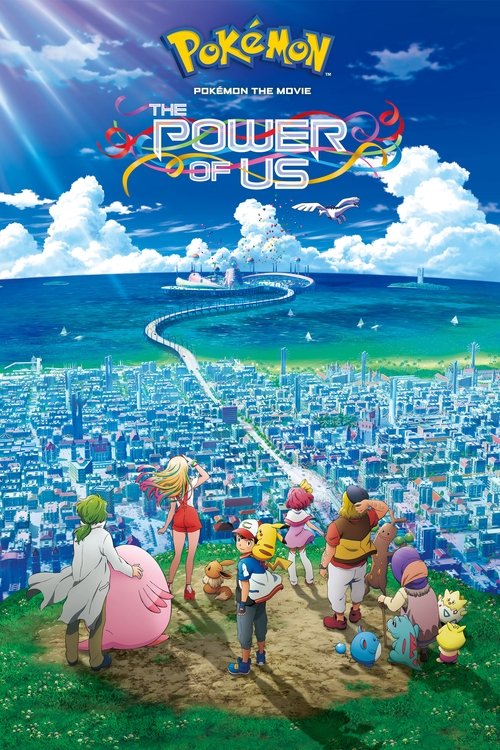
(2018)Set during Fula City's Wind Festival, this animated Pokémon adventure follows Ash and several townspeople whose personal struggles become tied to the city's traditions, its relationship with Pokémon, and a looming crisis. The story blends festival fun, comic character moments, and family-friendly action.
Surface content stays fairly light for a family adventure, with cartoon battling, brief threats, and moments of peril. The bigger area for Christian families is the film's spiritual-fantasy framework around Lugia, along with themes of truth, fear, and trust that are worth discussing.
Use the content rating for what children will see and hear, and the Christian guidance rating for what the story may prompt you to talk through.
Content Indicators

Reviewed 11 February 2026
Micah covers action, fantasy, and franchise releases, with close attention to violence, spiritual themes, and moral framing.
Pokémon the Movie: The Power of Us Christian Movie Review (2018)
Guidance: Talk Together
Surface content stays fairly light for a family adventure, with cartoon battling, brief threats, and moments of peril. The bigger area for Christian families is the film’s spiritual-fantasy framework around Lugia, along with themes of truth, fear, and trust that are worth discussing.
Why This Guidance Level
This lands in the middle because the movie’s surface content is light, but its fantasy spirituality and moral themes give parents real material to discuss. The action is mild by family-adventure standards, yet the story’s ideas about spiritual power, truthfulness, fear, and community make it more than simple background viewing.
Faith & Worldview Perspective
The movie celebrates sacrificial care, courage, and the good of community, which can echo biblical truths about loving neighbors and serving others. Its central spiritual frame, however, treats Lugia as a source of blessing, protection, and the city’s continuing wind, placing created power where Christians would point children to God’s providence and hope in Jesus Christ. The story also treats exaggeration and lying with some humor, so parents may want to discuss why truth matters even when a lie sounds entertaining.
Truths Reflected
- People flourish when they help one another and act for the good of the community.
- Fear, prejudice, and selfishness can be overcome through courage, compassion, and responsibility.
Tensions to Discuss
- The film’s spiritual imagination centers on Lugia as a giver of blessing and protection, which may conflict with a Christian view that creation is under God’s authority alone.
- A character brushes off lying with “It’s not lying. It’s dramatic license,” which may need discussion because Scripture calls God’s people to truthfulness.
Content & Discernment Markers
Occult & Spiritual Content
- Festival lore says Lugia promised the city “the power of wind” and returns each year to give “the gift of the wind for another year.” This is fantasy material rather than occult practice, but it still places spiritual significance and blessing in a legendary creature rather than in the Lord. Parents may want to discuss the difference between fantasy worldbuilding and real hope in Jesus Christ.
- A story about a mountain fire says, “I called for Lugia, hoping for help! And Lugia came and put out that mountain fire!” The moment reinforces Lugia as a rescuer figure, which Christian families may want to contrast with prayer to God rather than to created beings.
Sexuality & Relationships
- No sexualized material stands out here. Relationships shown here are family-centered, including sibling care and an uncle entertaining a child at the festival.
Identity Themes
- One thread involves fear and prejudice toward Pokémon, including “Keep it away from me!” and the comment that a woman is “world-famous for hating Pokémon!” The story uses this tension to explore mistrust and empathy. Parents may want to talk about how fear can harden into unfair judgment.
Violence & Intensity
- Action includes a brief Pokémon scuffle after a confrontation, with commands like “Get him! Phanpy!” “Use Rollout!” “Use Iron Tail! Pikachu!” and “Phanpy, use Tackle!” It is stylized and non-graphic, but still presents hitting, charging, and combat language.
- There are a few heated threat lines during the argument, including “Don’t give me that!” and “You’ll pay for this!” The tone is tense for a moment but remains within family-film territory.
- Peril includes talk of a mountain fire and people being told, “The fire’s coming closer! Run!” This adds disaster tension without graphic injury in the material here.
- A sudden “[gunshot]” is heard near the beginning. In context it likely functions as a race-start sound, but younger children sensitive to loud noises may still notice it.
Language & Humour
- Language is very mild. The sharper lines are frustrated remarks and insults such as “Don’t give me that!” and “You’ll pay for this!” rather than profanity.
Other Content Notes
- A recurring honesty issue appears when a storyteller is confronted with “You lied! Why do you do that?” and replies, “It’s not lying. It’s dramatic license.” The line is played lightly, but Christian families may want to discuss why entertaining exaggeration can still train the heart away from truth.
- Family pressure and emotional manipulation show up when Risa’s brother pleads for help catching a Pokémon and dramatizes his condition: “What if I suddenly collapsed?” The scene is comic, but it models guilt-based persuasion that may be worth naming.
Notable Moments
- Lugia festival lore: A festival broadcast explains that Lugia grants the city wind each year because of the bond between people and Pokémon.
“Lugia saw their bonds of friendship and promised to grant them the power of wind!”
- Truth challenged: A child calls out an adult storyteller for making up details, and the adult dismisses it as dramatic license.
“You lied! Why do you do that? - It’s not lying. It’s dramatic license.”
- Pokémon confrontation: A verbal dispute escalates into a short Pokémon battle with attack commands and comic action.
“Get him! Phanpy! - Use Rollout!… Now use Iron Tail! Pikachu!”
Discussion Prompts
- Truthfulness: Why do you think calling a lie “dramatic license” can still be a problem? When does a fun story cross into dishonesty?
- Biblical guidance: God calls His people to speak truthfully, even when exaggeration feels harmless or funny.
- Scripture: Ephesians 4:25, Proverbs 12:22
- Where help and blessing come from: How is the movie’s view of Lugia different from trusting God? Who truly rules creation and gives what we need?
- Biblical guidance: Christian hope rests in the Lord, not in created beings or spiritual powers. Jesus Christ is our true source of hope and rescue.
- Scripture: Psalm 121:1-2, Colossians 1:16-17, Acts 17:24-25
- Fear and prejudice: What happens when fear turns into hatred or unfair judgment? How should we respond to others when we feel afraid?
- Biblical guidance: Scripture calls us to love our neighbors, reject partiality, and grow in compassion rather than fear-driven hostility.
- Scripture: James 2:1, 1 John 4:18-19, Luke 10:27
- Community and service: What good things happen when people use their abilities to help others instead of only thinking about themselves?
- Biblical guidance: Serving others reflects God’s design for community and points us toward humble love.
- Scripture: Philippians 2:3-4, Galatians 6:2
Common questions about Pokémon the Movie: The Power of Us
- What age is Pokémon the Movie: The Power of Us suitable for?
- Pokémon the Movie: The Power of Us suits children of about 6 and older in most families. The main reason is violence and peril. Action includes a brief Pokémon scuffle after a confrontation, with commands like "Get him! Younger viewers may still enjoy it alongside a parent, and it raises worldview questions worth talking through afterwards.
- Is Pokémon the Movie: The Power of Us okay for a 4-year-old?
- Pokémon the Movie: The Power of Us is generally better suited to children of about 6 and up, so a 4-year-old may find parts of it a stretch. Action includes a brief Pokémon scuffle after a confrontation, with commands like "Get him! Families whose children handle violence and peril well may still be comfortable watching together.
Age guidance is derived from this review's content findings and the film's official classifications. It is a starting point for your own judgement, not a rule.
Parent comments
Leave a comment on this review
Share a short note on Pokémon the Movie: The Power of Us, or help other parents with discernment.
Submit will ask you to sign in first.
Weekend family picks
Get the short family movie list before the weekend
Example newsletter: 3 movies to watch this weekend with your family, plus one question to ask after the credits.
Sample: 3 movies to watch this weekend with your family
One cinema pick, one streaming pick, one conversation-starter pick.
Related Articles
A few bigger-picture reads for parents who want more context than a single review page can hold.

How To Talk With Kids About Magic, Fate, And Spiritual Themes In Movies
Many family movies use magic, destiny, spirits, or cosmic balance to drive the story. This article helps Christian parents respond without overreacting, while still drawing clear lines back to biblical truth.
Read article
How To Talk With Kids About Dragon magic In Family Movies
A parent-friendly guide to discussing dragon magic in family movies through a Christian lens.
Read article
How To Talk With Kids About Mild fantasy peril In Family Movies
A parent-friendly guide to discussing mild fantasy peril in family movies through a Christian lens.
Read articleMore Reviews




Official regional ratings
Local ratings remain available for reference, but LionLens separates those classifications from Christian family discernment.
Review Method
How this review was prepared
LionLens reviews are written with subtitle and dialogue evidence where available, official regional ratings data, source research, and final human editorial review before publication.