
Human Reviewed
Parent feedback
49 families found this review helpful
Christian Movie Review
Pokémon the Movie: Secrets of the Jungle Christian Movie Review
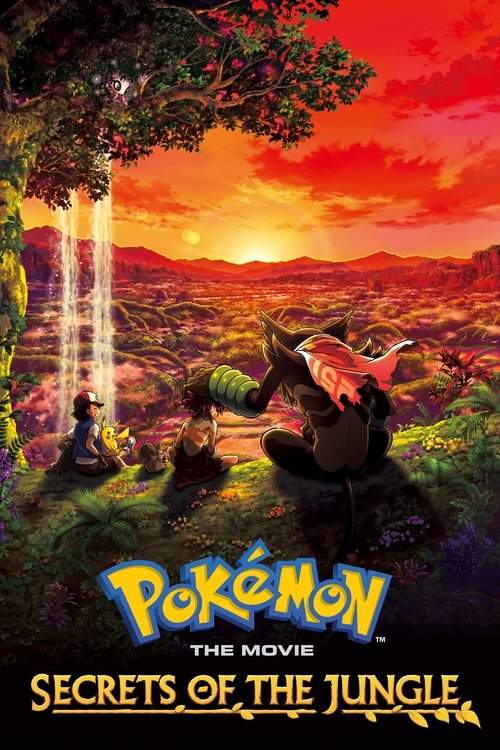
(2020)This animated Pokémon adventure follows Koko, a human boy raised in the jungle by the Pokémon Zarude, as he wrestles with where he belongs. Ash and Pikachu enter the Forest of Okoya and become part of a story about family, loyalty, and protecting the natural world.
Surface content stays fairly mild for a family adventure, with comic peril, tense confrontations, and a little crude humor. The bigger conversation for Christian families is the film's message about identity, belonging, and nature-centered meaning.
Use the content rating for what children will see and hear, and the Christian guidance rating for what the story may lead you to discuss.
Content Indicators

Reviewed 21 February 2026
Rachel focuses on animated films, family viewing habits, and helping parents spot worldview themes quickly.
Pokémon the Movie: Secrets of the Jungle Christian Movie Review (2020)
Guidance: Talk Together
Surface content stays fairly mild for a family adventure, with comic peril, tense confrontations, and a little crude humor. The bigger conversation for Christian families is the film’s message about identity, belonging, and nature-centered meaning.
Why This Guidance Level
This lands in the middle because the movie’s surface content is light, but its themes invite real conversation. The story treats love, sacrifice, and care for creation with warmth, yet it also frames belonging and meaning through jungle law, communal identity, and nature-centered language that Christian parents may want to compare with the hope and identity found in Christ.
Faith & Worldview Perspective
The movie celebrates parental sacrifice, compassion over cold rule-keeping, and care for the created world. Those are meaningful strengths. Its main tension is that the jungle is spoken of with reverence and identity is shaped by belonging to a group and place, rather than by a clear grounding in the God who made creation. Parents may want to discuss how creation is good, but it is not ultimate, and how Jesus Christ gives a firmer answer to who we are and where we belong.
Truths Reflected
- Sacrificial care for a child reflects real love and protection.
- Compassion matters more than harsh tribal loyalty or fear-driven exclusion.
Tensions to Discuss
- Nature is treated with near-sacred reverence, which may blur the line between honoring creation and giving it ultimate meaning.
- Identity is framed mainly through tribe, instinct, and belonging, while Scripture points to identity grounded in truth and, for believers, in Christ.
Content & Discernment Markers
Occult & Spiritual Content
- Occult material does not stand out in a traditional magic-heavy sense, but the film uses reverent language about the jungle and its life-giving order, including songs like “We are the voice of the jungle” and speeches about sacred water and the forest’s bounty. Christian families may want to discuss the difference between honoring creation and treating it as ultimate.
Sexuality & Relationships
- Sexual content is not a feature of this story. Relationships center on parent-child care, friendship, and belonging.
Identity Themes
- A central thread is Koko’s identity as a human child raised among Zarude. Dialogue like “It is human, correct? And a child, too” and the conflict over whether he belongs in their territory drive the story. Parents may want to discuss how our deepest identity is not decided only by group acceptance or personal feeling.
Violence & Intensity
- There are several tense moments with panic, falls, growling, thuds, and chase-style danger, including shrieking, a hard fall, and non-graphic scuffles. The action stays in family-adventure territory rather than becoming graphic.
- One early conflict is emotionally sharper because a crowd reacts aggressively to the discovered child, shouting lines such as “Beat ‘em up!” “Get ‘em!” and “Get it out now!” The threat is not graphic, but the rejection and hostility may trouble sensitive children.
Language & Humour
- Language is mild. The main standout is crude smell humor: “Oh, that stinks! It smells like a Stunky’s rear end!” There are also insults like “traitor” and dismissive put-downs during conflict.
Other Content Notes
- The story includes a painful abandonment theme when Dada chooses to leave his troop to protect and raise the child, with lines like “I will withdraw from the troop” and “You’ll never return again! You’ll lose all of your friends!” This gives the film emotional weight beyond its light tone.
- The film contrasts strict communal law with compassion. “That is the law of the Zarude!” is set against a father’s refusal to leave a helpless child to die. This is one of the movie’s strongest discussion points for families.
Notable Moments
- Jungle anthem: The opening song frames the jungle as a powerful communal identity and source of meaning.
“We are the voice of the jungle.”
- Compassion over law: Dada refuses to abandon a helpless child even when the troop insists the law must be obeyed.
“If I leave it be, it will not survive.”
- Exile for love: Dada accepts separation from his people in order to care for Koko.
“I will withdraw from the troop.”
Discussion Prompts
- Identity and belonging: Koko struggles with where he belongs. What does the Bible say about where we find our truest identity?
- Biblical guidance: Scripture teaches that identity is rooted in being made by God, and for believers, being united to Jesus Christ.
- Scripture: Genesis 1:27, Galatians 2:20, 1 Peter 2:9-10
- Compassion and law: Why was Dada willing to break with the group to protect a child? When should compassion matter more than harsh rule-keeping?
- Biblical guidance: God’s law is good, but Jesus also rebuked hard-hearted legalism and showed mercy to the vulnerable.
- Scripture: Micah 6:8, Mark 2:27, James 1:27
- Creation and worship: The movie speaks about the jungle with deep reverence. What is the difference between loving creation and worshiping the Creator?
- Biblical guidance: Creation displays God’s glory, but it is not itself divine. Christian hope rests in the Creator, not in nature.
- Scripture: Psalm 19:1, Romans 1:25, Colossians 1:16-17
- Parental love and sacrifice: What does Dada’s care for Koko show about sacrificial love, and how does that point us toward an even greater love in Christ?
- Biblical guidance: Protective, self-giving love reflects God’s design for care and can point children to the greater love of Jesus.
- Scripture: John 15:13, Ephesians 5:1-2, Psalm 103:13
Common questions about Pokémon the Movie: Secrets of the Jungle
- What age is Pokémon the Movie: Secrets of the Jungle suitable for?
- Pokémon the Movie: Secrets of the Jungle suits children of about 6 and older in most families. The main reason is violence and peril. There are several tense moments with panic, falls, growling, thuds, and chase-style danger, including shrieking, a hard fall, and non-graphic scuffles.
- Is Pokémon the Movie: Secrets of the Jungle okay for a 4-year-old?
- Pokémon the Movie: Secrets of the Jungle is generally better suited to children of about 6 and up, so a 4-year-old may find parts of it a stretch. There are several tense moments with panic, falls, growling, thuds, and chase-style danger, including shrieking, a hard fall, and non-graphic scuffles. Families whose children handle violence and peril well may still be comfortable watching together.
Age guidance is derived from this review's content findings and the film's official classifications. It is a starting point for your own judgement, not a rule.
Parent comments
Leave a comment on this review
Share a short note on Pokémon the Movie: Secrets of the Jungle, or help other parents with discernment.
Submit will ask you to sign in first.
Weekend family picks
Get the short family movie list before the weekend
Example newsletter: 3 movies to watch this weekend with your family, plus one question to ask after the credits.
Sample: 3 movies to watch this weekend with your family
One cinema pick, one streaming pick, one conversation-starter pick.
Related Articles
A few bigger-picture reads for parents who want more context than a single review page can hold.

How To Talk With Kids About Magic, Fate, And Spiritual Themes In Movies
Many family movies use magic, destiny, spirits, or cosmic balance to drive the story. This article helps Christian parents respond without overreacting, while still drawing clear lines back to biblical truth.
Read article
What Christian Parents Can Discuss After Ruby Gillman, Teenage Kraken
A practical post-movie conversation guide for Christian parents after watching Ruby Gillman, Teenage Kraken.
Read article
Animal Farm And Talking With Kids About Power, Truth, And Sin
Animal Farm can help older children see how slogans, fear, and corrupted authority distort truth, but parents should frame the story with a biblical view of sin.
Read articleMore Reviews




Official regional ratings
Local ratings remain available for reference, but LionLens separates those classifications from Christian family discernment.
Review Method
How this review was prepared
LionLens reviews are written with subtitle and dialogue evidence where available, official regional ratings data, source research, and final human editorial review before publication.