Human Reviewed
Parent feedback
49 families found this review helpful
Christian Movie Review
Pokémon: The First Movie Christian Movie Review
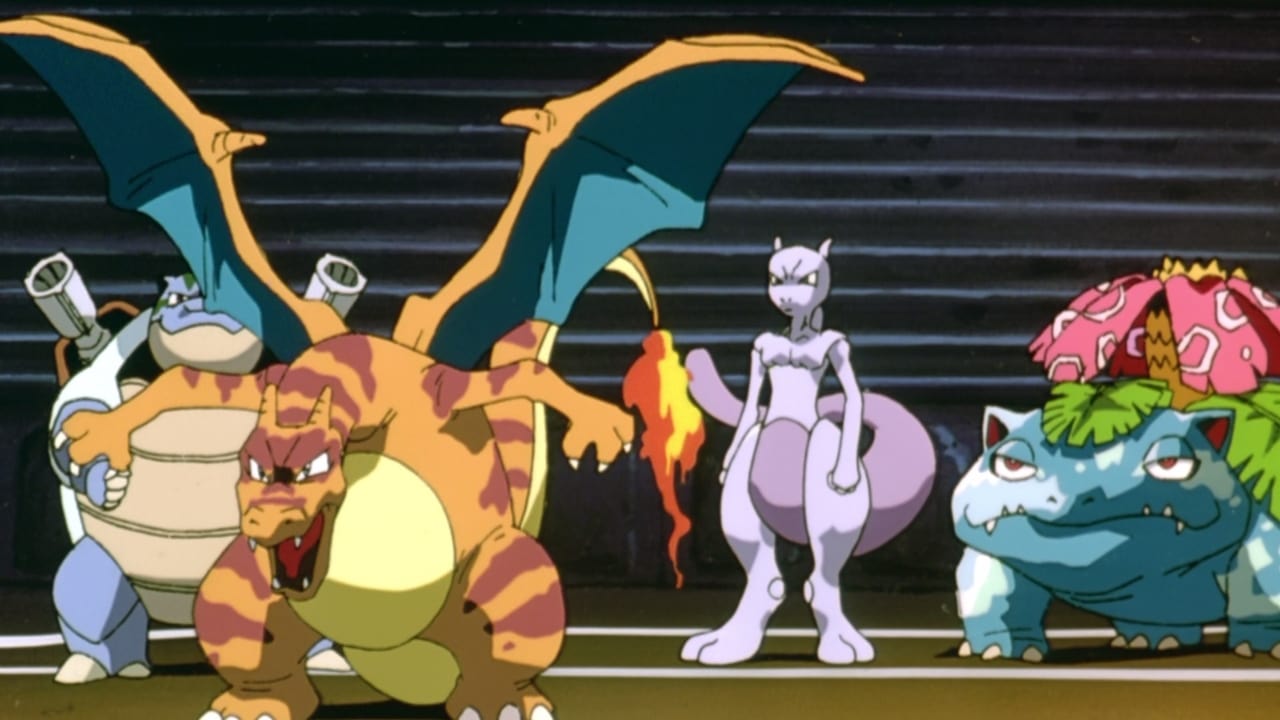
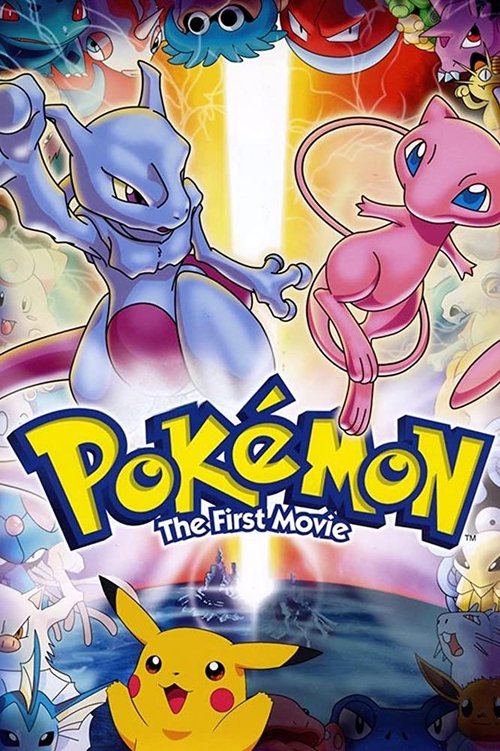
(1998)This animated adventure centers on Mewtwo, a genetically created Pokémon wrestling with questions about identity, purpose, and the meaning of life. As scientists and powerful adults try to control him, the story moves into conflict over power, creation, and what makes life valuable.
Surface content stays fairly mild for a family fantasy, but the movie carries heavier ideas than its rating suggests. Christian families may especially want to talk about cloning, resurrecting life, and the film's questions about personhood and purpose.
Use the content rating for what children will see and hear, and the Christian guidance rating for what the movie may lead them to think about.
Content Indicators

Reviewed 18 April 2026
Micah covers action, fantasy, and franchise releases, with close attention to violence, spiritual themes, and moral framing.
Pokémon: The First Movie Christian Movie Review (1998)
Guidance: Talk Together
Surface content stays fairly mild for a family fantasy, but the movie carries heavier ideas than its rating suggests. Christian families may especially want to talk about cloning, resurrecting life, and the film’s questions about personhood and purpose.
Why This Guidance Level
This lands in the middle guidance range because the movie is gentle in surface content but weighty in message. Its biggest issues are cloning, attempted restoration of the dead, and identity questions tied to human power over life. Those themes are discussable for many families, but they are important enough that parents may want to stay engaged.
Faith & Worldview Perspective
The film reflects real human longings: grief over death, the desire to know who we are, and the pain of being used by others. At the same time, it frames human cloning and the pursuit of recreating life as central dramatic ideas, and it treats identity largely as something discovered through inner experience and origin questions rather than received from a Creator. Christian families may want to discuss how Scripture grounds human worth in being made by God, and how Christian hope rests in Jesus Christ’s resurrection rather than in human attempts to conquer death.
Truths Reflected
- Life has real value and should not be treated as a tool for power.
- Using others for ambition or control is morally wrong.
Tensions to Discuss
- The story explores recreating life and restoring the dead through human science, which may conflict with a biblical view of God as the giver of life.
- Identity is framed around origin, consciousness, and self-understanding more than around being created with purpose by God. Parents may want to discuss where true identity comes from.
Content & Discernment Markers
Occult & Spiritual Content
- Occult material does not stand out here. The supernatural elements are fantasy-based psychic powers and telepathic communication within the Pokémon world rather than occult practice or spiritual instruction.
Sexuality & Relationships
- Sexual content is not a meaningful factor in this film. The emotional focus is on grief, parent-child loss, and scientific ambition rather than romance or sexual material.
Identity Themes
- A major thread follows Mewtwo’s existential questions: “Where am I? Who am I? What am I?” The film also includes a cloned child saying, “They call me Ambertwo but I’m still really Amber,” which raises personhood questions in a way younger viewers may not fully process. Parents may want to discuss how our deepest identity is not self-made but grounded in God’s design.
Violence & Intensity
- The intensity is mostly emotional and situational rather than graphic. The lab setting includes experimentation, confinement, urgent dialogue about subjects fading, and fear over whether a clone will survive, which can feel heavy for sensitive children.
Language & Humour
- Language is very mild in the film. There is no notable profanity, blasphemy, or crude humor that would likely shape the viewing experience for most families.
Other Content Notes
- The opening lab material centers on cloning and scientific control over life. A scientist says he wants “knowledge of how to recreate life” and hopes to “bring her back,” tying grief to a direct attempt to reverse death through human means. This may conflict with a biblical view of life, death, and hope in Christ.
- The film includes a grieving father trying to preserve and restore his dead daughter through cloning, with lines like “I’ve reawakened her consciousness here in this chamber” and “I will do anything to see you again.” The sadness is sincere, but the method invites important moral discussion.
- Scientists speak of Mewtwo as a specimen and prepare containment with lines such as “Now the serious testing begins” and “we’ll have to come up with a cage for it,” reinforcing a dehumanizing view of created life. Parents may want to discuss why power without compassion becomes cruel.
Notable Moments
- Cloning ambition: A scientist explains that cloning research is being funded to create an enhanced replica of Mew and speaks openly about using that work to restore life.
“Perhaps then I can unlock the secret to restoring life itself.”
- Child clone identity: A cloned version of the scientist’s daughter speaks about still being herself despite being a copy, making the personhood theme unusually direct for a family film.
“They call me Ambertwo but I’m still really Amber.”
- Existential questions: Mewtwo’s earliest conscious thoughts are questions about identity and existence.
“Where am I? Who am I? What am I?”
- Human control over life: Scientists describe Mewtwo as the result of human ingenuity and prepare to continue testing and confinement.
“We used the most advanced techniques to develop your awesome psychic powers!”
Discussion Prompts
- Who gives life and identity?: Mewtwo asks who he is and what he is. How does the Bible answer where our identity and worth come from?
- Biblical guidance: Scripture teaches that people are made by God on purpose and in His image, so our value is received from our Creator, not earned by power or origin.
- Scripture: Genesis 1:27, Psalm 139:13-16
- Grief and the desire to bring someone back: Why do you think the father wanted so badly to restore his daughter? What is the difference between human control and Christian hope when we face death?
- Biblical guidance: The film shows real grief, but Christian hope rests in the resurrection power of Jesus Christ, not in human attempts to recreate life.
- Scripture: John 11:25-26, 1 Thessalonians 4:13-14
- Using others as tools: How do the scientists treat Mewtwo and the other clones? Why is it wrong to use living beings only for power, success, or experiments?
- Biblical guidance: God calls us to treat others with dignity, mercy, and love rather than as objects to control.
- Scripture: Micah 6:8, Philippians 2:3-4
- The limits of human power: The movie admires human ingenuity, but where should people stop and remember they are not God?
- Biblical guidance: Wisdom begins with humility before the Lord. Human knowledge can do good, but it becomes dangerous when it tries to take God’s place.
- Scripture: Proverbs 1:7, James 4:13-16
Common questions about Pokémon: The First Movie
- What age is Pokémon: The First Movie suitable for?
- Pokémon: The First Movie suits children of about 6 and older in most families. The main reason is violence and peril. The intensity is mostly emotional and situational rather than graphic. Younger viewers may still enjoy it alongside a parent, and it raises worldview questions worth talking through afterwards.
- Is Pokémon: The First Movie okay for a 4-year-old?
- Pokémon: The First Movie is generally better suited to children of about 6 and up, so a 4-year-old may find parts of it a stretch. The intensity is mostly emotional and situational rather than graphic. Families whose children handle violence and peril well may still be comfortable watching together.
Age guidance is derived from this review's content findings and the film's official classifications. It is a starting point for your own judgement, not a rule.
Parent comments
Leave a comment on this review
Share a short note on Pokémon: The First Movie, or help other parents with discernment.
Submit will ask you to sign in first.
Weekend family picks
Get the short family movie list before the weekend
Example newsletter: 3 movies to watch this weekend with your family, plus one question to ask after the credits.
Sample: 3 movies to watch this weekend with your family
One cinema pick, one streaming pick, one conversation-starter pick.
Related Articles
A few bigger-picture reads for parents who want more context than a single review page can hold.
Animal Farm And Talking With Kids About Power, Truth, And Sin
Animal Farm can help older children see how slogans, fear, and corrupted authority distort truth, but parents should frame the story with a biblical view of sin.
Read article
5 Things To Notice In Kids Movies Before The Message Lands
A child can absorb a movie long before they can explain it. These five checkpoints help Christian parents notice what a film is training the heart to love, fear, excuse, or trust.
Read article
Why A Clean Movie Can Still Need A Christian Conversation
Sometimes the hardest films to evaluate are not the obviously rough ones, but the polished and emotionally appealing movies that carry deeper assumptions quietly. This article explains why.
Read articleMore Reviews



Official regional ratings
Local ratings remain available for reference, but LionLens separates those classifications from Christian family discernment.
Review Method
How this review was prepared
LionLens reviews are written with subtitle and dialogue evidence where available, official regional ratings data, source research, and final human editorial review before publication.