Human Reviewed
Parent feedback
74 families found this review helpful
Christian Movie Review
Pokémon: Arceus and the Jewel of Life Christian Movie Review
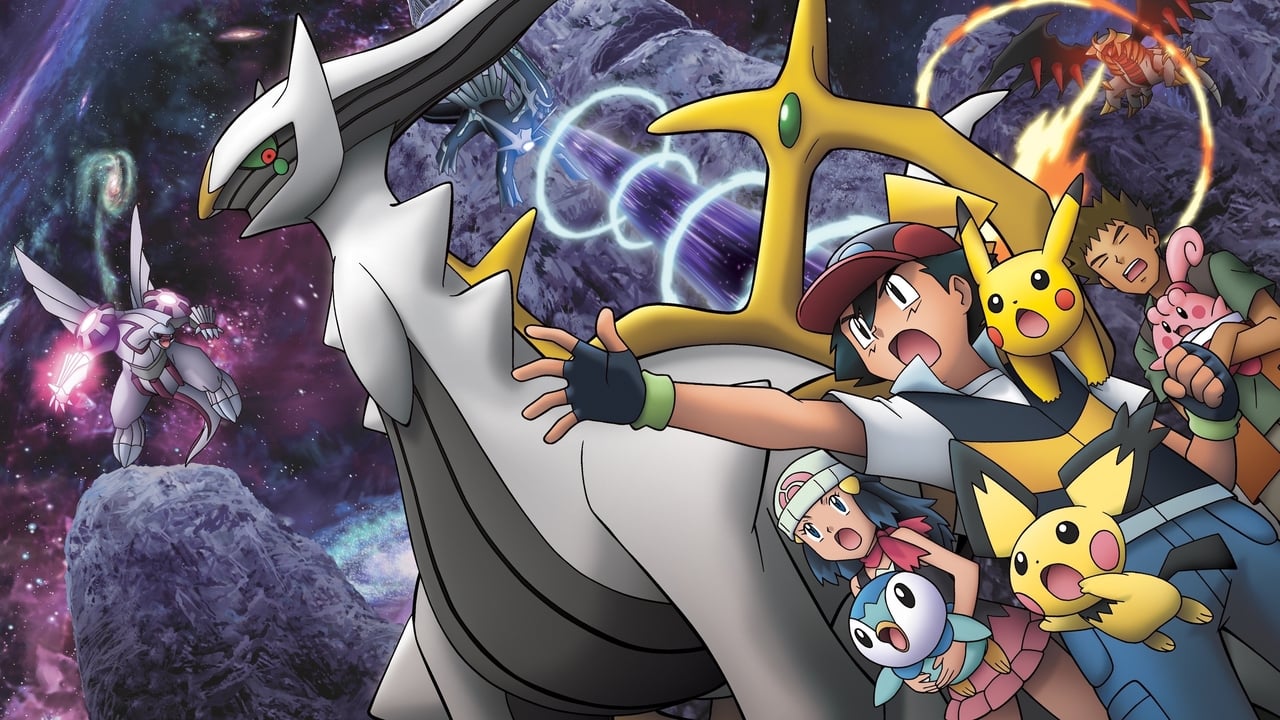
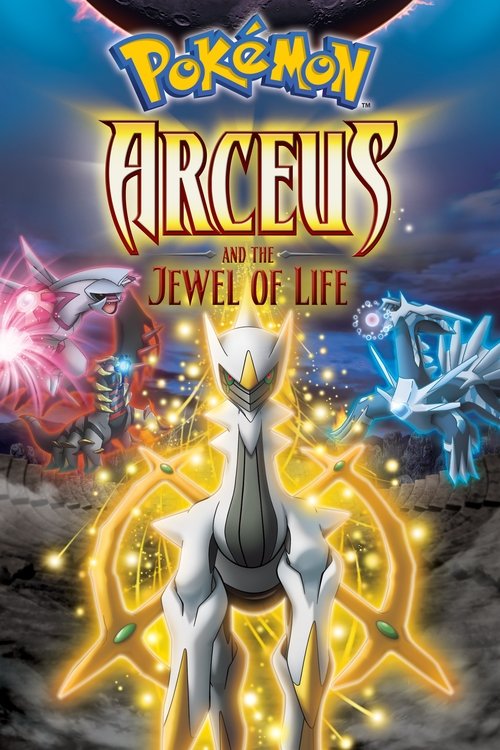
(2009)Ash, Pikachu, Dawn, and Brock arrive in Michina Town and become caught up in a crisis involving ancient ruins, legendary Pokémon, and disruptions in time and space. The story mixes adventure, battles, and cosmic stakes as the group tries to prevent destruction.
Surface content stays in the family-adventure range, but the film leans heavily into mythic creator language, fate, and supernatural power outside a Christian framework. For many families, the main concern is less the action and more the spiritual and worldview messaging woven into the story.
Use the content rating for age-level intensity and the Christian guidance rating for worldview conversation.
Content Indicators

Reviewed 25 July 2026
Micah covers action, fantasy, and franchise releases, with close attention to violence, spiritual themes, and moral framing.
Pokémon: Arceus and the Jewel of Life Christian Movie Review (2009)
Guidance: Talk Together
Surface content stays in the family-adventure range, but the film leans heavily into mythic creator language, fate, and supernatural power outside a Christian framework. For many families, the main concern is less the action and more the spiritual and worldview messaging woven into the story.
Why This Guidance Level
This lands above simple light entertainment because the story repeatedly centers on creator language, cosmic powers, fate, and spiritual-style heart connection, even though the surface content remains mild for a family fantasy. Parents who are comfortable with Pokémon adventure may still want a real conversation about who rules creation, where hope belongs, and how fantasy spirituality differs from Christian truth.
Faith & Worldview Perspective
The film celebrates courage, friendship, and trying to stop destruction, which are positive themes. At the same time, it frames legendary Pokémon in near-divine roles, including one treated as a creator figure and others described as ruling time and space. It also uses language about positive energy, fate, and connecting hearts with powerful beings. That may conflict with a biblical view because Scripture teaches that creation belongs to the one true God, not to created powers, and Christian hope rests in Jesus Christ rather than in cosmic balance or destiny. Parents may want to discuss the difference between fantasy myth and the gospel.
Truths Reflected
- Friendship and loyalty matter in moments of danger.
- Misunderstanding and hatred can be challenged by courage and peacemaking.
Tensions to Discuss
- A creature is treated in creator-like terms, which can blur the uniqueness of God as Creator and Judge.
- The story leans on fate, positive energy, and supernatural heart-connection rather than pointing to truth, prayer, or hope in Christ.
Content & Discernment Markers
Occult & Spiritual Content
- The story is built around legendary beings tied to time, space, and cosmic dimensions, including dialogue such as ‘The legendary Pokemon that rules time’ and ‘The legendary Pokemon that rules space.’ This fantasy mythology is central to the plot, not just background color. Parents may want to discuss how fantasy powers differ from God’s real authority over creation.
- Sheena says, ‘I can feel positive energy flowing through this place’ and later explains, ‘I have the power to connect my heart with the hearts of Pokemon.’ That gives the film a clear mystical and new-age style layer that Christian families may want to name and compare with biblical teaching about spiritual truth.
- The film repeatedly uses fate language: ‘I have a feeling our meeting may have been fated,’ ‘Another fated person,’ and Brock’s comic speech about the ‘fickle finger of fate.’ This may conflict with a biblical view because it treats destiny as an impersonal force rather than God’s providence.
Sexuality & Relationships
- Brock delivers a comic flirtation monologue to Sheena, talking about ‘fated love’ and asking for attention after scraping his elbow. The moment is played for laughs and stays very mild, but parents of younger children may still find it worth noting.
Identity Themes
- The film emphasizes belonging through partnership and friendship between people and Pokémon rather than through self-definition or rebellion. Identity themes do not stand out as a major concern here.
Violence & Intensity
- The central threat is large-scale and verbalized in intense terms when Arceus declares, ‘You have betrayed me and are trying to destroy me! The time has come! Human beings must be brought to justice!’ The scene raises the stakes toward possible destruction of humanity, though the film remains in animated fantasy territory.
- There are repeated danger scenes involving Dialga, Giratina, and Palkia, with lines like ‘It’s Giratina! It’s too dangerous! Get away, quick!’ and ‘Giratina’s rage. It’s just too strong.’ The peril may unsettle younger viewers even without graphic violence. Parents may want to talk about fear and where safety is ultimately found.
- A lighter early conflict involves a tag battle over watermelons, showing the usual Pokémon battle setup without graphic injury.
Language & Humour
- Language is mild overall. The main issue is teasing and comic banter such as ‘You think you’re funny,’ ‘Tough brake,’ ‘control issues,’ and ‘You’re just creeping me out.’ Humour also includes Brock’s exaggerated romantic speech about ‘fated love’ and a ‘lovely silken hand.‘
Other Content Notes
- The film speaks of ancient ruins, a temple from thousands of years ago, and a ‘time-space axis’ used to investigate disruptions in the continuum. This gives the adventure a mythic, quasi-sacred atmosphere that may invite worldview discussion even when it is not overtly dark.
- Arceus is treated as more than a powerful creature; the story frames it in creator-like terms and as a judge of humanity. A Christian parent may want to discuss why only God is Creator and righteous Judge, and why that matters.
Notable Moments
- Arceus judges humanity: A major turning point comes when Arceus speaks in anger and frames humanity as deserving judgment.
“You have betrayed me and are trying to destroy me! The time has come! Human beings must be brought to justice!”
- Mystical heart connection: Sheena describes a supernatural ability to connect with Pokémon at the level of the heart.
“I have the power to connect my heart with the hearts of Pokemon.”
- Fate language: The script repeatedly frames events and relationships as fated rather than chosen or providentially guided.
“I have a feeling our meeting may have been fated.”
- Cosmic ruler language: Legendary Pokémon are described in sweeping terms tied to control over creation-like domains.
“The legendary Pokemon that rules time.”
Discussion Prompts
- Who is the true Creator?: This story talks about powerful beings connected to time, space, and creation. How is that different from what the Bible says about God?
- Biblical guidance: Scripture teaches that the world was created by the one true God, and all things hold together in Jesus Christ, not in created beings.
- Scripture: Genesis 1:1, Colossians 1:16-17, John 1:3
- Fate versus God’s providence: The movie keeps talking about things being ‘fated.’ Do Christians believe life is ruled by fate, or by God?
- Biblical guidance: Christians trust God’s wise rule and care, not an impersonal force called fate.
- Scripture: Proverbs 16:9, Romans 8:28, Matthew 10:29-31
- Power, judgment, and mercy: When Arceus talks about bringing humans to justice, what does the Bible say about judgment and mercy?
- Biblical guidance: Only God judges perfectly, and Christian hope is found in the mercy of God through Jesus Christ.
- Scripture: Psalm 89:14, John 3:17-18, James 2:13
- Spiritual power and discernment: Sheena talks about positive energy and connecting hearts with powerful beings. How should Christians think about spiritual power?
- Biblical guidance: Believers are called to test spiritual ideas carefully and to seek truth from God rather than mystical power.
- Scripture: 1 John 4:1, Deuteronomy 18:10-12, Philippians 4:8
Common questions about Pokémon: Arceus and the Jewel of Life
- What age is Pokémon: Arceus and the Jewel of Life suitable for?
- Pokémon: Arceus and the Jewel of Life suits children of about 6 and older in most families. The main reason is violence and peril. The central threat is large-scale and verbalized in intense terms when Arceus declares, 'You have betrayed me and are trying to destroy me! Younger viewers may still enjoy it alongside a parent, and it raises worldview questions worth talking through afterwards.
- Is Pokémon: Arceus and the Jewel of Life okay for a 4-year-old?
- Pokémon: Arceus and the Jewel of Life is generally better suited to children of about 6 and up, so a 4-year-old may find parts of it a stretch. The central threat is large-scale and verbalized in intense terms when Arceus declares, 'You have betrayed me and are trying to destroy me! Families whose children handle violence and peril well may still be comfortable watching together.
Age guidance is derived from this review's content findings and the film's official classifications. It is a starting point for your own judgement, not a rule.
Parent comments
Leave a comment on this review
Share a short note on Pokémon: Arceus and the Jewel of Life, or help other parents with discernment.
Submit will ask you to sign in first.
Weekend family picks
Get the short family movie list before the weekend
Example newsletter: 3 movies to watch this weekend with your family, plus one question to ask after the credits.
Sample: 3 movies to watch this weekend with your family
One cinema pick, one streaming pick, one conversation-starter pick.
Related Articles
A few bigger-picture reads for parents who want more context than a single review page can hold.

How To Talk With Kids About Magic, Fate, And Spiritual Themes In Movies
Many family movies use magic, destiny, spirits, or cosmic balance to drive the story. This article helps Christian parents respond without overreacting, while still drawing clear lines back to biblical truth.
Read article
How To Talk With Kids About Dragon magic In Family Movies
A parent-friendly guide to discussing dragon magic in family movies through a Christian lens.
Read article
How To Talk With Kids About Mild fantasy peril In Family Movies
A parent-friendly guide to discussing mild fantasy peril in family movies through a Christian lens.
Read articleMore Reviews




Official regional ratings
Local ratings remain available for reference, but LionLens separates those classifications from Christian family discernment.
Review Method
How this review was prepared
LionLens reviews are written with subtitle and dialogue evidence where available, official regional ratings data, source research, and final human editorial review before publication.