

Human Reviewed
Parent feedback
39 families found this review helpful
Christian Movie Review
Pocahontas Christian Movie Review
(1995)Disney’s Pocahontas follows a young Indigenous woman whose life intersects with English colonists arriving in Virginia. The film blends romance, music, and adventure with a story about conflict, misunderstanding, and competing desires for land and power.
This is a family-friendly animated film with mild violence, some insulting language, and a strong romantic and historical-message component. Christian families may want to talk through its treatment of spirituality, colonial history, and the way the story frames truth, authority, and human dignity.
Use the content rating for the mild peril and language, and the Christian guidance rating for the film’s worldview and spiritual framing.
Content Indicators

Reviewed 13 May 2026
Esther handles review quality, clarity, and the practical guidance families need after the credits roll.
Pocahontas Christian Movie Review (1995)
Guidance: Talk Together
This is a family-friendly animated film with mild violence, some insulting language, and a strong romantic and historical-message component. Christian families may want to talk through its treatment of spirituality, colonial history, and the way the story frames truth, authority, and human dignity.
Why This Guidance Level
Pocahontas is mild on the surface compared with many adventure films, but it still includes gunfire, threats, insults, and a tense conflict over land and power. The bigger reason for guidance is the worldview layer: the film uses prophecy, spiritual signs, and a morally simplified colonial conflict to carry its message, so Christian families may want to talk through what the story gets right, what it leaves out, and how human dignity is grounded in God’s image rather than in tribe, status, or power.
Faith & Worldview Perspective
The film strongly favors themes of peace, listening, and respect across cultures, and it rightly condemns greed and dehumanizing prejudice. At the same time, it wraps those ideas in a spiritual framework of prophecy and signs that sits outside Christian teaching, and it presents history through a simplified moral lens that can blur truth and responsibility. Parents may want to discuss how Christians think about land, justice, and human worth in light of Jesus Christ and the image of God.
Truths Reflected
- Greed and prejudice damage people and communities.
- Human beings deserve dignity across cultural lines.
Tensions to Discuss
- The film treats prophecy and spiritual signs as guiding forces apart from biblical revelation in Christ.
- It simplifies moral conflict in ways that can obscure personal sin, repentance, and truthful historical understanding.
Content & Discernment Markers
Occult & Spiritual Content
- The story repeatedly leans on prophecy and signs, with lines like “The ancient prophecy Asun the wolf called for 3 tests” and “Heed the prophecy.” Spiritual meaning is attached to omens, birds, and destiny rather than to biblical truth, so parents may want to discuss the difference between folklore and Christian hope in Christ.
Sexuality & Relationships
- The film centers on the growing attraction between Pocahontas and John Smith, including flirtation, hand-holding, and a kiss. The romance stays gentle, but it is emotionally central and may be worth discussing as a story about affection across cultural lines.
Identity Themes
- The movie contrasts “civilized” English colonists with Indigenous people who are insulted as “heathens” and “savages,” while also pushing back against that prejudice. It raises real questions about identity, dignity, and how people judge one another by culture and appearance; parents may want to talk about the image of God in every person.
Violence & Intensity
- There is repeated gunfire, weapon talk, and war planning, including “Load your weapons!” and “We raise our tomahawks now!” The tension builds around invasion, imprisonment, and a near-execution threat, so the danger is more than background peril even though the film remains animated.
Language & Humour
- The language includes demeaning terms such as “heathen,” “dirty savages,” and “filthy heathens,” along with mocking insults and harsh colonial talk. The words are not profane in a modern sense, but they carry real contempt and can be upsetting in context.
Other Content Notes
- The film’s central conflict is colonial expansion and the search for gold, with characters openly saying “What do you want? Gold.” That greed-driven motive shapes the whole story and gives parents a natural opening to discuss power, exploitation, and justice.
Notable Moments
- Opening prophecy: The film opens by framing the Powhatan people through prophecy and repeated invasions, setting up the story as a spiritual and historical conflict rather than a simple adventure.
“The ancient prophecy Asun the wolf called for 3 tests.”
- Gold and conquest: The English arrive openly seeking wealth, and their motives shape the conflict from the start.
“What do you want? Gold.”
- Insulting language: Colonial characters use contemptuous language that dehumanizes Indigenous people and reveals the film’s prejudice theme.
“Rather bold for a heathen, isn’t he?”
- Romantic meeting: Pocahontas and John Smith share a flirtatious first connection that becomes the emotional center of the film.
“You are beautiful.”
Discussion Prompts
- Human dignity: What does this movie get right and wrong about how people from different cultures should treat one another?
- Biblical guidance: Scripture teaches that every person bears God’s image, so dignity is not based on tribe, power, or education.
- Scripture: Genesis 1:27, James 2:1-9
- Greed and power: Why does the search for gold and control cause so much harm in the story?
- Biblical guidance: The Bible warns that the love of money and power leads people away from wisdom and justice.
- Scripture: 1 Timothy 6:9-10, Micah 6:8
- Spiritual truth: How is the film’s talk about prophecy and signs different from the way Christians understand God’s revelation in Jesus Christ?
- Biblical guidance: Christian hope is anchored in Christ, not in omens or fate.
- Scripture: Hebrews 1:1-2, John 14:6
- Love and wisdom: What makes the romance in the film feel appealing, and where does it stay shallow or unrealistic?
- Biblical guidance: Biblical love is shaped by truth, self-control, and wisdom, not only by emotion.
- Scripture: 1 Corinthians 13:4-7, Proverbs 4:23
Common questions about Pocahontas
- What age is Pocahontas suitable for?
- Pocahontas suits children of about 6 and older in most families. The main reason is language. The language includes demeaning terms such as “heathen,” “dirty savages,” and “filthy heathens,” along with mocking insults and harsh colonial talk. Younger viewers may still enjoy it alongside a parent, and it raises worldview questions worth talking through afterwards.
- Is Pocahontas okay for a 4-year-old?
- Pocahontas is generally better suited to children of about 6 and up, so a 4-year-old may find parts of it a stretch. The language includes demeaning terms such as “heathen,” “dirty savages,” and “filthy heathens,” along with mocking insults and harsh colonial talk. Families whose children handle language well may still be comfortable watching together.
Age guidance is derived from this review's content findings and the film's official classifications. It is a starting point for your own judgement, not a rule.
Parent comments
Leave a comment on this review
Share a short note on Pocahontas, or help other parents with discernment.
Submit will ask you to sign in first.
Weekend family picks
Get the short family movie list before the weekend
Example newsletter: 3 movies to watch this weekend with your family, plus one question to ask after the credits.
Sample: 3 movies to watch this weekend with your family
One cinema pick, one streaming pick, one conversation-starter pick.
Related Articles
A few bigger-picture reads for parents who want more context than a single review page can hold.
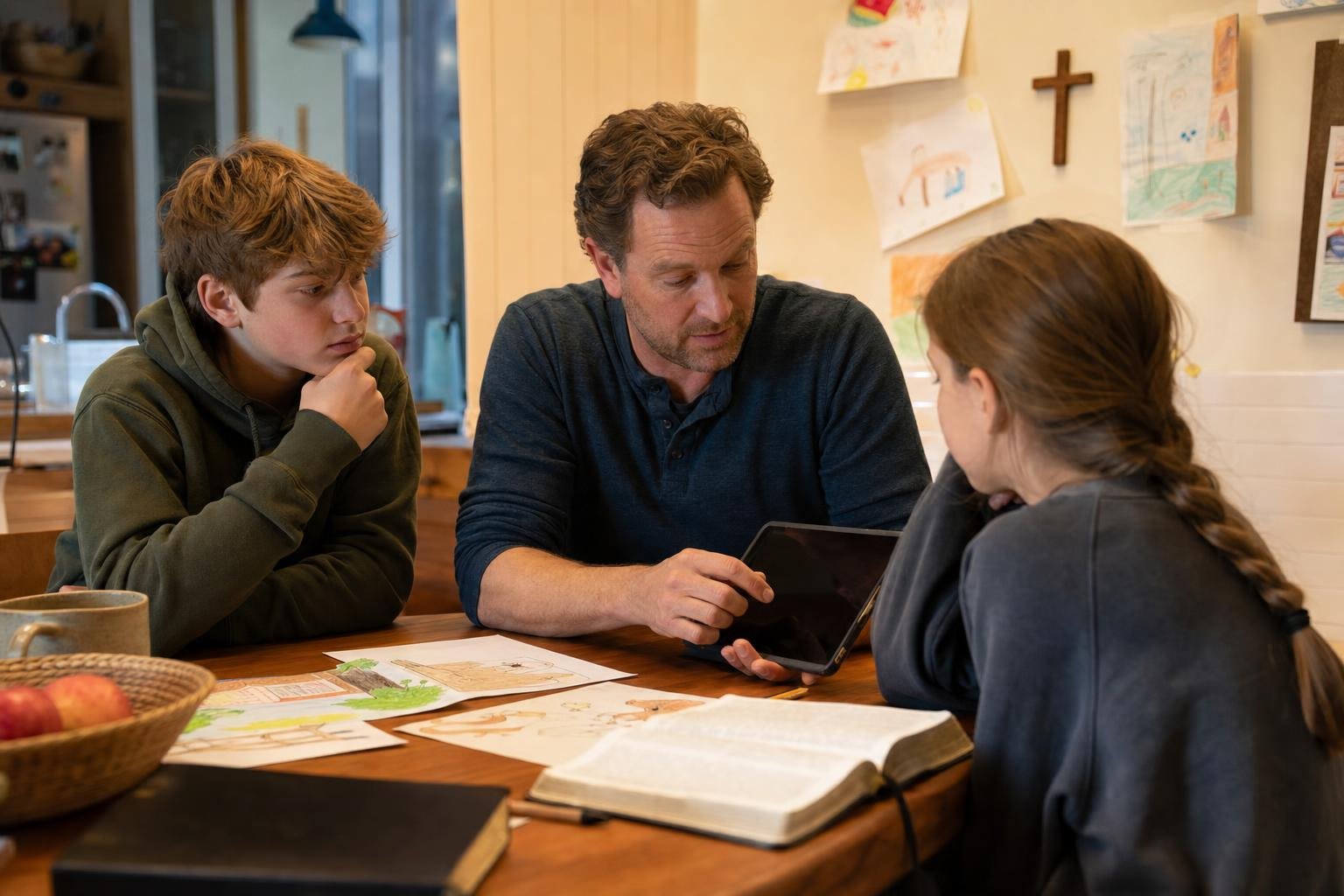
Animal Farm And Talking With Kids About Power, Truth, And Sin
Animal Farm can help older children see how slogans, fear, and corrupted authority distort truth, but parents should frame the story with a biblical view of sin.
Read article
Disney And Pixar Films For Christian Families: Why They Still Need Discernment
Disney and Pixar films often feel safer than they really are. This guide helps Christian parents notice the spiritual assumptions, emotional messages, and identity themes that can slip past a quick first impression.
Read article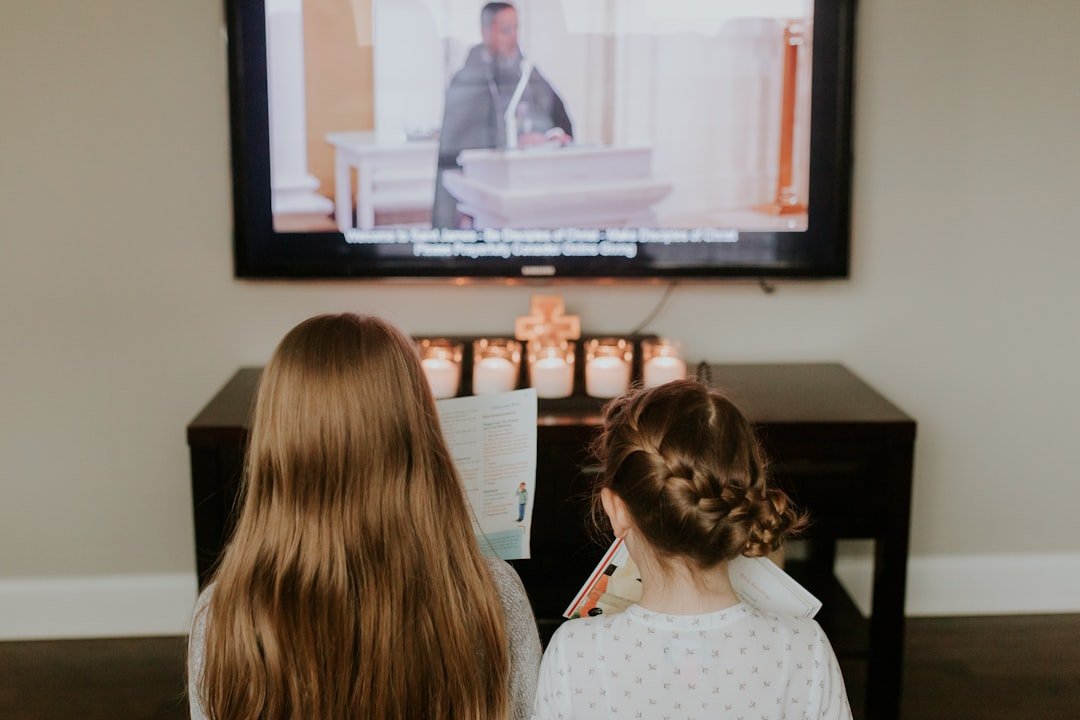
5 Things To Notice In Kids Movies Before The Message Lands
A child can absorb a movie long before they can explain it. These five checkpoints help Christian parents notice what a film is training the heart to love, fear, excuse, or trust.
Read articleMore Reviews


Official regional ratings
Local ratings remain available for reference, but LionLens separates those classifications from Christian family discernment.
Review Method
How this review was prepared
LionLens reviews are written with subtitle and dialogue evidence where available, official regional ratings data, source research, and final human editorial review before publication.