
Human Reviewed
Parent feedback
41 families found this review helpful
Christian Movie Review
Peter Pan Christian Movie Review
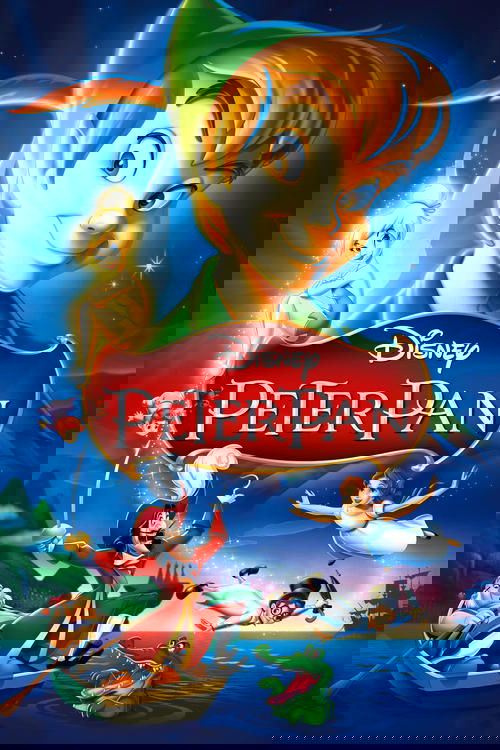
(1953)Disney's animated adaptation follows Wendy, John, and Michael Darling as they leave their London nursery for Never Land with Peter Pan, where pirates, mermaids, fairies, and adventure await. The film mixes playful fantasy, family conflict, and swashbuckling danger in a classic story about childhood and growing up.
This is a light fantasy adventure on the surface, but it carries more discussion points than its age and G rating may suggest. Parents are likely to notice stylized peril, fairy magic, and especially dated racial and sexist attitudes that benefit from clear conversation.
Use the content rating for what children will see and hear, and the Christian guidance rating for what the story may teach or normalize.
Content Indicators

Reviewed 5 May 2026
Esther handles review quality, clarity, and the practical guidance families need after the credits roll.
Peter Pan Christian Movie Review (1953)
Guidance: Talk Together
This is a light fantasy adventure on the surface, but it carries more discussion points than its age and G rating may suggest. Parents are likely to notice stylized peril, fairy magic, and especially dated racial and sexist attitudes that benefit from clear conversation.
Why This Guidance Level
This lands in a middle category because the surface content is still within the range many families expect from older animation, but the worldview and cultural issues are more significant than the G rating suggests. The fantasy magic is mild, yet the dated racial stereotypes, sexist remarks, and mixed message about maturity and authority give parents several worthwhile conversations to have afterward.
Faith & Worldview Perspective
Peter Pan celebrates wonder, courage, and the desire to hold onto joy, and it shows that children need love and care at home. At the same time, it treats perpetual childhood as attractive, frames maturity as something to resist, and uses fantasy magic as part of its charm. The sharpest tension is cultural rather than theological: some groups are portrayed through mocking stereotypes, and girls are sometimes reduced to jealousy or chatter. Parents may want to discuss how Jesus Christ honors truth, maturity, and the full dignity of every person made in God’s image.
Truths Reflected
- Children long for wonder, belonging, and loving care.
- Growing up brings real fears that families should handle with patience and love.
Tensions to Discuss
- The story can make refusing maturity feel noble, while Scripture calls believers to grow in wisdom and responsibility.
- Some portrayals of race and gender deny the equal dignity God gives every human being.
Content & Discernment Markers
Occult & Spiritual Content
- Fantasy magic is woven into the story through Peter Pan, Tinker Bell, flight, and Never Land wonder. This is storybook fantasy rather than explicit occult practice, but it still presents supernatural power outside any Christian frame. Parents may want to discuss the difference between fairy-tale magic and the living hope found in Jesus Christ.
Sexuality & Relationships
- Romantic content is light and mostly tied to jealousy, affection, and brief kissing material. Some female characters are framed around Peter’s attention, which can invite a simple conversation about respect and not building identity around being chosen.
Identity Themes
- The film repeatedly connects identity with staying young and resisting adulthood, including Wendy’s distress over leaving the nursery and the appeal of a place where childhood never ends. This may conflict with a biblical view that growing in wisdom is good, so parents may want to talk about being childlike in trust without refusing maturity.
- The most serious identity concern is the film’s treatment of Native characters through caricature and slurs such as “Red Man,” “savages,” “redskins,” and “Injuns.” Christian parents may want to discuss how this fails to honor people made in God’s image.
Violence & Intensity
- The opening includes pirate threats like “I’ll slash you to ribbons!” and “I’ll cut you to pieces,” but these lines are spoken during the boys’ nursery make-believe games, which lowers the intensity. Even so, the movie continues with pirate danger, weapons, kidnapping threat, and rescue scenes that can feel tense for younger children.
- Captain Hook’s menace includes sword and hook threats, talk of injury, and ongoing pursuit of Peter and the children. The danger is stylized and often theatrical, but it is frequent enough to shape the adventure tone.
Language & Humour
- Language is mostly old-fashioned insults and heated pirate talk rather than modern profanity. Phrases parents may notice include “poppycock,” “bilge rat,” “insolent boy,” “insolent pup,” and “slit your gizzard.” There are also discriminatory terms tied to the film’s racial stereotypes.
Other Content Notes
- Smoking appears in the film, and some scenes include adults or ceremonial smoking imagery. For some families this is minor, but it is still worth noting in a children’s classic.
- Mr. Darling’s treatment of Nana includes anger, humiliation, and sending her outside, which can be upsetting for children who are attached to the family dog. The scene also opens a useful conversation about frustration, authority, and making things right after harsh words.
Notable Moments
- Nursery pirate play: The boys act out pirate battles with dramatic threats, but the scene is clearly framed as imaginative play in the nursery.
“I’ll slash you to ribbons! And I’ll cut you to pieces.”
- Growing up conflict: Wendy’s move out of the nursery becomes a key emotional trigger for the story’s longing to avoid adulthood.
“Young lady, this is your last night in the nursery.”
- Nana sent outside: Mr. Darling angrily removes Nana from the nursery, a scene that may upset younger viewers.
“There’ll be no more dogs for nursemaids in this house! Goodbye, Nana.”
- Belief in Peter Pan: The narration frames the Darling home as a place where belief in Peter Pan and youthful fantasy is welcomed.
“Peter Pan chose this particular house… because there were people here who believed in him.”
Discussion Prompts
- Growing up and maturity: Why do you think Wendy and the boys are drawn to a place where no one has to grow up? What is good about staying childlike, and what is good about growing wiser?
- Biblical guidance: Scripture calls us to childlike trust, but not childish refusal to mature. In Christ, growing up can mean learning wisdom, courage, and love.
- Scripture: 1 Corinthians 13:11, Luke 2:52, Ephesians 4:14-15
- Human dignity and stereotypes: Did you notice any characters being mocked or treated unfairly because of their people group or because they were girls? Why is that wrong?
- Biblical guidance: Every person is made in God’s image, so racist caricatures and belittling language should be named clearly and rejected.
- Scripture: Genesis 1:27, James 3:9-10, Galatians 3:28
- Fantasy magic and Christian hope: What makes Never Land feel exciting? How is fairy magic different from the real hope, power, and rescue we have in Jesus Christ?
- Biblical guidance: Fantasy can stir imagination, but Christian hope is not built on magic or wishful thinking. Our deepest rescue and joy are found in Christ.
- Scripture: Colossians 2:8, Hebrews 12:2, John 14:6
- Authority, anger, and family love: Was Mr. Darling right to speak and act the way he did when he was frustrated? What should we do when we have authority but use it harshly?
- Biblical guidance: Parents are called to lead with love and self-control, and children are called to honor parents. Both authority and correction should reflect God’s kindness and truth.
- Scripture: Ephesians 6:1-4, Colossians 3:21, Proverbs 15:1
Common questions about Peter Pan
- What age is Peter Pan suitable for?
- Peter Pan suits children of about 6 and older in most families. The main reason is violence and peril. The opening includes pirate threats like "I'll slash you to ribbons!" Younger viewers may still enjoy it alongside a parent, and it raises worldview questions worth talking through afterwards.
- Is Peter Pan okay for a 4-year-old?
- Peter Pan is generally better suited to children of about 6 and up, so a 4-year-old may find parts of it a stretch. The opening includes pirate threats like "I'll slash you to ribbons!" Families whose children handle violence and peril well may still be comfortable watching together.
Age guidance is derived from this review's content findings and the film's official classifications. It is a starting point for your own judgement, not a rule.
Parent comments
Leave a comment on this review
Share a short note on Peter Pan, or help other parents with discernment.
Submit will ask you to sign in first.
Weekend family picks
Get the short family movie list before the weekend
Example newsletter: 3 movies to watch this weekend with your family, plus one question to ask after the credits.
Sample: 3 movies to watch this weekend with your family
One cinema pick, one streaming pick, one conversation-starter pick.
Related Articles
A few bigger-picture reads for parents who want more context than a single review page can hold.
Animal Farm And Talking With Kids About Power, Truth, And Sin
Animal Farm can help older children see how slogans, fear, and corrupted authority distort truth, but parents should frame the story with a biblical view of sin.
Read article
Disney And Pixar Films For Christian Families: Why They Still Need Discernment
Disney and Pixar films often feel safer than they really are. This guide helps Christian parents notice the spiritual assumptions, emotional messages, and identity themes that can slip past a quick first impression.
Read article
5 Things To Notice In Kids Movies Before The Message Lands
A child can absorb a movie long before they can explain it. These five checkpoints help Christian parents notice what a film is training the heart to love, fear, excuse, or trust.
Read articleMore Reviews


Official regional ratings
Local ratings remain available for reference, but LionLens separates those classifications from Christian family discernment.
Review Method
How this review was prepared
LionLens reviews are written with subtitle and dialogue evidence where available, official regional ratings data, source research, and final human editorial review before publication.