
Human Reviewed
Parent feedback
70 families found this review helpful
Christian Movie Review
Percy Jackson & the Olympians: The Lightning Thief Christian Movie Review
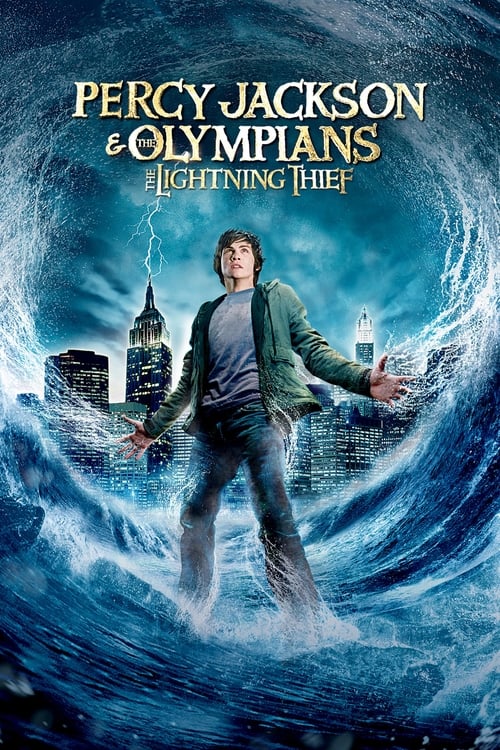
(2010)This fantasy adventure follows teenager Percy Jackson as he learns he is connected to the world of Greek gods and is pulled into a conflict involving Zeus, Poseidon, Hades, and a stolen lightning bolt. The story mixes high-school life, family tension, mythological creatures, and action-driven danger.
This is a fast-moving mythological adventure with monster attacks, threat-heavy peril, and a worldview built around Greek gods and demigod identity. For many Christian families, the bigger issue is not surface content alone but the spiritual framework and identity message that invite conversation.
Use the content rating for what children will see and hear, and the Christian guidance rating for what the story teaches or normalizes.
Content Indicators

Reviewed 15 February 2026
Rachel focuses on animated films, family viewing habits, and helping parents spot worldview themes quickly.
Percy Jackson & the Olympians: The Lightning Thief Christian Movie Review (2010)
Guidance: Parent Preview
This is a fast-moving mythological adventure with monster attacks, threat-heavy peril, and a worldview built around Greek gods and demigod identity. For many Christian families, the bigger issue is not surface content alone but the spiritual framework and identity message that invite conversation.
Why This Guidance Level
This lands in discussion-advised territory because the action and scary moments are noticeable, but the stronger concern is the film’s mythological worldview. Greek gods, demigods, Furies, Tartarus, and supernatural power are not just background fantasy details; they shape the story’s understanding of truth, identity, and destiny. That gives Christian parents several worthwhile conversations to have before or after viewing.
Faith & Worldview Perspective
The film presents Greek mythology as a living spiritual reality, with Zeus, Poseidon, Hades, Furies, and demigods operating as the true frame for Percy’s world. Percy’s personal struggles are tied to discovering who he is within that mythic system, and his value becomes linked to hidden heritage and power. The story does reflect loyalty, courage, and sacrificial protection, but it places ultimate meaning in pagan divine ancestry rather than in the God who made us and the hope Christians have in Jesus Christ. Parents may want to discuss the difference between fantasy mythology as storytelling and the Christian confession that there is one true God, and that our deepest identity is not found in secret power but in belonging to Christ.
Truths Reflected
- A child longs to know who he is and where he belongs.
- Courage and protective friendship are treated as meaningful goods.
Tensions to Discuss
- The film treats false gods and mythic spiritual beings as real authorities, which conflicts with the biblical witness to the one true God.
- Identity is rooted in supernatural ancestry and special status rather than in being made by God and, for believers, made new in Christ.
Content & Discernment Markers
Occult & Spiritual Content
- Greek gods are introduced as active powers in the world, with Zeus and Poseidon arguing over a stolen lightning bolt and threatening war. This matters for Christian families because the story treats pagan deities as real spiritual authorities rather than as false gods or literary symbols.
- Mr. Brunner teaches that gods came to earth and “hook[ed] up” with mortals, producing children who are “half god, half human” and called “demigod.” Parents may want to discuss how the film ties identity to mythological bloodline, while Christian identity is grounded in God’s design and, ultimately, in Jesus Christ.
- A Fury appears in the school setting, and characters speak naturally about creatures, Tartarus, magical weapons, and hidden supernatural danger. Occult material does not function like real-world spellcasting instruction, but the supernatural framework is central to the story.
Sexuality & Relationships
- In class, Mr. Brunner says the gods would come to Earth and “hook up” with mortals, played for humor by the students’ laughter. It is brief, but it introduces casual sexual language in a school scene.
- Gabe crudely tells Percy, “Can’t you see she’s servicing me and my friends?” about Percy’s mother. The line is demeaning rather than explicit, and parents may want to discuss respect for women and the dignity God gives every person.
Identity Themes
- Percy talks with his mother about dyslexia and ADHD, saying, “I think this dyslexia thing is getting worse” and “Maybe it’s the ADHD.” The film then moves toward explaining his life through demigod identity. Parents may want to discuss how struggles do not define a child, and how worth is not based on special powers or hidden ancestry.
- Poseidon’s words, “Everything is about to change, Percy,” and the classroom discussion about Perseus push Percy toward a new self-understanding rooted in mythic heritage. This can open a useful conversation about where children should look for identity and belonging.
Violence & Intensity
- The school confrontation with Mrs. Dodds turns into a frightening supernatural attack. Percy is cornered, the creature roars and hisses, and she threatens, “Give it to me! Now! Or I will bite your heart out!” This is intense family-fantasy peril and may unsettle younger viewers.
- The opening conflict between Zeus and Poseidon includes severe threat language: “If your son is the thief, I will send him to the depths of Tartarus” and “there will be war.” The scene establishes high-stakes danger even before the action begins.
- Mr. Brunner arms Percy with a weapon disguised as a pen and tells him to use it only in “times of severe distress,” reinforcing that the story world expects combat and mortal danger.
Language & Humour
- Language is mostly mild, but there are repeated insults and crude put-downs such as “pig,” “bald-headed freak,” “beast,” and “real charmer.” The humor also includes the line about gods “hook[ing] up” with mortals.
- Family dialogue includes disrespectful shouting like “Woman!” and “Where’s my beer?” from Gabe. The words themselves are not strong profanity, but the tone models contempt inside the home.
Other Content Notes
- Gabe is openly demeaning toward Percy’s mother, barking, “Woman!” and demanding beer while Percy calls him a “pig.” This abusive household dynamic may matter as much as the fantasy content for some families. Parents may want to discuss what godly honor and protection look like in a home.
- Beer is present in the home setting, with Gabe repeatedly demanding it. Substance use is not a major focus, but alcohol is part of the domestic atmosphere.
Notable Moments
- Olympian threat: The film opens with Zeus and Poseidon accusing one another and threatening catastrophic consequences if the bolt is not returned.
“He must return the bolt to me in 14 days, by midnight on the summer solstice, or there will be war.”
- Demigod lesson: A classroom scene explains the film’s mythological framework and names Percy’s category as a demigod.
“The children of these unions were half god, half human. Can anyone tell me what they were called?… Demigod.”
- Fury attack: Mrs. Dodds calls Percy aside, transforms, and threatens him in one of the film’s more frightening early scenes.
“Give it to me! Give it to me! Now! Or I will bite your heart out!”
- Abusive home tone: Gabe’s treatment of Percy’s mother sets a harsh domestic tone before the fantasy plot accelerates.
“Woman!… Where’s my beer?”
Discussion Prompts
- Identity and belonging: Percy is told that who he is comes from being a demigod. Where does God say our identity and worth come from?
- Biblical guidance: Scripture points us to identity rooted in being made by God and, for believers, adopted in Jesus Christ rather than in secret power or ancestry.
- Scripture: Genesis 1:27, Psalm 139:13-14, Galatians 4:4-7
- False gods and the true God: How does the movie present Zeus, Poseidon, and the other gods? How is that different from what the Bible teaches about God?
- Biblical guidance: The Bible teaches that there is one true God, not many competing divine beings, and that our hope is in Him alone.
- Scripture: Exodus 20:3, Isaiah 44:6-8, 1 Corinthians 8:5-6
- Fear, danger, and where help comes from: When Percy is frightened and confused, where does he turn? When we feel afraid, where should we turn?
- Biblical guidance: Christian hope does not rest in magical weapons or hidden protectors but in the Lord’s presence and care, fully revealed in Jesus Christ.
- Scripture: Psalm 46:1, Psalm 121:1-2, John 14:27
- Respect in the home: What stood out to you about the way Gabe speaks to Percy’s mother? What does God call family members to do instead?
- Biblical guidance: The film gives a clear contrast between selfish contempt and the honor, gentleness, and self-control God commands in relationships.
- Scripture: Ephesians 4:29-32, Colossians 3:19-21, 1 Peter 3:7-9
Common questions about Percy Jackson & the Olympians: The Lightning Thief
- What age is Percy Jackson & the Olympians: The Lightning Thief suitable for?
- Percy Jackson & the Olympians: The Lightning Thief suits children of about 9 and older in most families. The main reason is violence and peril. The school confrontation with Mrs. Younger viewers may still enjoy it alongside a parent, and it raises worldview questions worth talking through afterwards.
- Is Percy Jackson & the Olympians: The Lightning Thief okay for a 7-year-old?
- Percy Jackson & the Olympians: The Lightning Thief is generally better suited to children of about 9 and up, so a 7-year-old may find parts of it a stretch. The school confrontation with Mrs. Families whose children handle violence and peril well may still be comfortable watching together.
Age guidance is derived from this review's content findings and the film's official classifications. It is a starting point for your own judgement, not a rule.
Parent comments
Leave a comment on this review
Share a short note on Percy Jackson & the Olympians: The Lightning Thief, or help other parents with discernment.
Submit will ask you to sign in first.
Weekend family picks
Get the short family movie list before the weekend
Example newsletter: 3 movies to watch this weekend with your family, plus one question to ask after the credits.
Sample: 3 movies to watch this weekend with your family
One cinema pick, one streaming pick, one conversation-starter pick.
Related Articles
A few bigger-picture reads for parents who want more context than a single review page can hold.
Animal Farm And Talking With Kids About Power, Truth, And Sin
Animal Farm can help older children see how slogans, fear, and corrupted authority distort truth, but parents should frame the story with a biblical view of sin.
Read article
Disney And Pixar Films For Christian Families: Why They Still Need Discernment
Disney and Pixar films often feel safer than they really are. This guide helps Christian parents notice the spiritual assumptions, emotional messages, and identity themes that can slip past a quick first impression.
Read article
5 Things To Notice In Kids Movies Before The Message Lands
A child can absorb a movie long before they can explain it. These five checkpoints help Christian parents notice what a film is training the heart to love, fear, excuse, or trust.
Read articleMore Reviews




Official regional ratings
Local ratings remain available for reference, but LionLens separates those classifications from Christian family discernment.
Review Method
How this review was prepared
LionLens reviews are written with subtitle and dialogue evidence where available, official regional ratings data, source research, and final human editorial review before publication.