Human Reviewed
Parent feedback
34 families found this review helpful
Christian Movie Review
Percy Jackson: Sea of Monsters Christian Movie Review
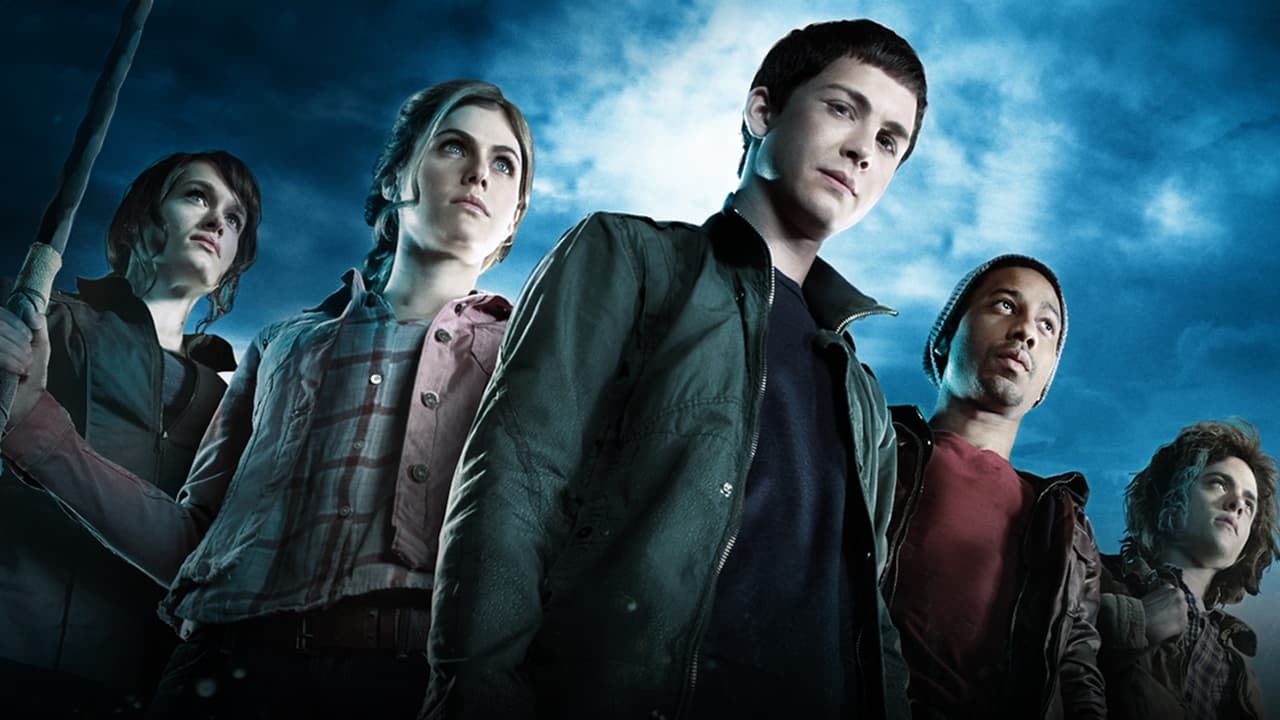
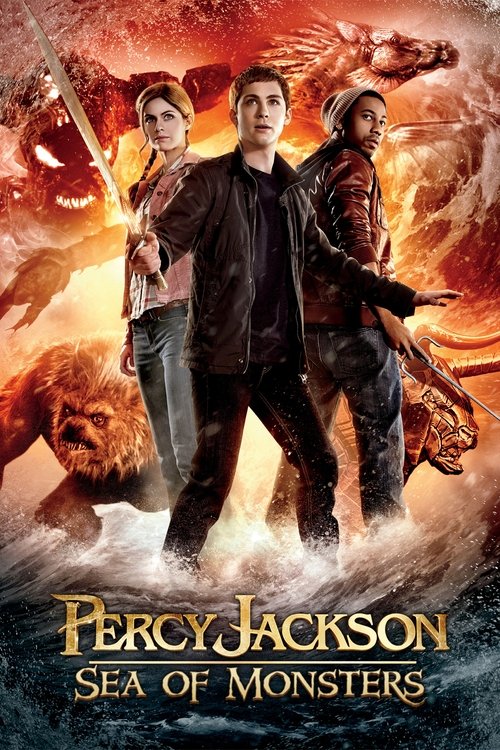
(2013)This fantasy adventure follows Percy Jackson, a teen demigod, as he navigates life at Camp Half-Blood and wrestles with questions about his place among the children of the Greek gods. The story mixes action, humor, mythological creatures, and family tension inside a fast-moving quest setup.
Surface content stays in the PG family-adventure range, but the film’s mythological world is built on pagan gods, demigod identity, and supernatural power outside a Christian framework. For many families, the bigger issue is not the action but the worldview underneath it.
Use the content rating for what children will see and hear, and the Christian guidance rating for what the story teaches or normalizes.
Content Indicators

Reviewed 22 January 2026
Rachel focuses on animated films, family viewing habits, and helping parents spot worldview themes quickly.
Percy Jackson: Sea of Monsters Christian Movie Review (2013)
Guidance: Talk Together
Surface content stays in the PG family-adventure range, but the film’s mythological world is built on pagan gods, demigod identity, and supernatural power outside a Christian framework. For many families, the bigger issue is not the action but the worldview underneath it.
Why This Guidance Level
This lands in the middle guidance range because the surface content is fairly typical for a fantasy PG adventure, but the spiritual framework is much more significant. The story normalizes pagan gods, demigod identity, and supernatural power, and it includes a direct joke that contrasts a pagan god with Jesus Christ. Many families may want conversation before or after viewing rather than treating it as spiritually neutral entertainment.
Faith & Worldview Perspective
The film builds its world around Greek mythology as lived reality: Olympus is real, the gods father children with humans, and a young person’s worth is tied to divine ancestry and heroic achievement. That creates a clear tension with the Christian confession that there is one true God and that identity is received from the Lord, not from mythic bloodline or fate. Still, the story honors bravery, sacrificial love, friendship, and care for the weak. Parents may want to discuss how courage and belonging find their truest meaning in Jesus Christ, not in power, lineage, or the approval of other people.
Truths Reflected
- Sacrifice for others is treated as noble and memorable.
- Friends encourage one another when insecurity and ridicule set in.
Tensions to Discuss
- The film presents pagan gods and their offspring as real and meaningful sources of identity, which conflicts with biblical truth about the one true God.
- A humorous line compares a miracle associated with Jesus Christ to a pagan god, which may blur reverence for Christ and invite discussion.
Content & Discernment Markers
Occult & Spiritual Content
- The story openly presents the gods of Olympus as real: Percy says, “the gods of Olympus are real,” and identifies himself as “Son of Poseidon, god of the sea.” For Christian families, this is not just fantasy scenery but a full spiritual framework built outside biblical truth. Parents may want to discuss the difference between mythological storytelling and worship of the one true God.
- Dionysus jokes, “The Christians have a guy who can do this trick in reverse. Now, that’s a god,” directly invoking Jesus Christ for comic comparison with a pagan deity. That moment may conflict with a biblical view because it treats Christ casually and places Him alongside false gods.
Sexuality & Relationships
- The mythology includes direct discussion of gods having children with humans: “these gods have children with humans… called half-bloods.” The material is not graphic, but it normalizes a pagan sexual framework as part of the story world.
- Dionysus refers to “one transgression” “with a naiad,” using flirtatious mythological humor about sexual misconduct. It is brief, but parents may want to note the casual tone around immoral behavior.
Identity Themes
- Percy’s identity crisis is central. He introduces himself through divine lineage and later questions whether his earlier success was just “luck or something.” The film ties belonging and worth to parentage, power, and achievement. Parents may want to discuss how Scripture grounds identity in being made by God and, for believers, in Christ.
- Tyson’s arrival raises questions about family, belonging, and prejudice when Percy learns he has a Cyclops half-brother. The scene can open a good conversation about treating outsiders with dignity rather than mockery.
Violence & Intensity
- The opening backstory includes a tense attack in which young campers flee danger, Thalia stays behind to protect the others, and she “gave her life to save 3.” The moment carries emotional weight even without graphic detail.
- Camp scenes include combat training, competitive fighting, and rescue peril, with lines like “I’ll hold them off” and “They’ll kill you.” The action fits fantasy adventure more than horror, but the threat is real within the story.
Language & Humour
- Language is mostly mild but includes “damn,” “screw-up,” and an unfinished insult, “mythic bi…” There is also sarcastic teasing and put-down humor between campers and authority figures.
Other Content Notes
- The film uses alcohol imagery for humor around Dionysus, including offering a taste of wine and fussing over bottles such as “Xinomavro,” “Grenache,” and “Gewurztraminer.” It is not a major content issue, but it is present in the comic tone of the camp leadership scenes.
- Mocking banter and social humiliation show up in Percy’s interactions with Clarisse, who questions whether his earlier heroism was just “beginner’s luck.” This matters because the film connects insecurity, status, and identity in ways children may feel personally.
Notable Moments
- Thalia’s sacrifice: The opening story recounts a young girl staying behind to save others and dying in the process, setting a serious tone beneath the adventure.
“Her name was Thalia, and she gave her life to save 3.”
- Jesus comparison: A pagan god makes a joke that references a miracle associated with Christ, which stands out for Christian families.
“The Christians have a guy who can do this trick in reverse. Now, that’s a god.”
- Identity insecurity: Percy openly questions whether his past victories were really his own, giving the film one of its clearest emotional threads.
“Have you ever felt like everything you’ve ever done… maybe you didn’t really do it? It was all just luck or something?”
- Mythic family reveal: The arrival of Tyson expands the film’s mythology and raises questions about family, belonging, and acceptance.
“A Cyclops? Come on.”
Discussion Prompts
- Identity and worth: Percy thinks his value comes from being Poseidon’s son and from proving himself. Where should our identity come from instead?
- Biblical guidance: Scripture teaches that our deepest identity comes from being made by God, and for believers, being united to Jesus Christ rather than earning worth through power or success.
- Scripture: Genesis 1:27, Psalm 139:13-14, Galatians 2:20
- False gods and the true God: How does the movie treat the gods of Olympus, and how is that different from what the Bible says about God?
- Biblical guidance: The Bible is clear that there is one true God, and Jesus Christ is not one powerful being among many but Lord over all.
- Scripture: Exodus 20:3, Isaiah 44:6, John 14:6
- Sacrifice and courage: What made Thalia’s sacrifice moving, and how is that kind of love fulfilled even more fully in Jesus?
- Biblical guidance: The film honors laying down your life for others, which can point to the greater hope of Christ’s sacrificial love.
- Scripture: John 15:13, Romans 5:8
- Mockery and encouragement: When Percy is mocked and starts doubting himself, which voices shape him most? What kind of words does God call us to use with others?
- Biblical guidance: Christians are called to build others up, speak truth, and resist letting ridicule define a person’s worth.
- Scripture: Proverbs 18:21, Ephesians 4:29, 1 Thessalonians 5:11
Common questions about Percy Jackson: Sea of Monsters
- What age is Percy Jackson: Sea of Monsters suitable for?
- Percy Jackson: Sea of Monsters suits children of about 8 and older in most families. That follows its official classification. It is rated PG in Australia, the US, New Zealand, the UK and Canada. Language is mostly mild but includes "damn," "screw-up," and an unfinished insult, "mythic bi..." Younger viewers may still enjoy it alongside a parent, and it raises worldview questions worth talking through afterwards.
- Is Percy Jackson: Sea of Monsters okay for a 6-year-old?
- Percy Jackson: Sea of Monsters is generally better suited to children of about 8 and up, so a 6-year-old may find parts of it a stretch. It is rated PG in Australia, the US, New Zealand, the UK and Canada. Language is mostly mild but includes "damn," "screw-up," and an unfinished insult, "mythic bi..." Families comfortable watching a little above the classification together may still be fine with it.
Age guidance is derived from this review's content findings and the film's official classifications. It is a starting point for your own judgement, not a rule.
Parent comments
Leave a comment on this review
Share a short note on Percy Jackson: Sea of Monsters, or help other parents with discernment.
Submit will ask you to sign in first.
Weekend family picks
Get the short family movie list before the weekend
Example newsletter: 3 movies to watch this weekend with your family, plus one question to ask after the credits.
Sample: 3 movies to watch this weekend with your family
One cinema pick, one streaming pick, one conversation-starter pick.
Related Articles
A few bigger-picture reads for parents who want more context than a single review page can hold.
Animal Farm And Talking With Kids About Power, Truth, And Sin
Animal Farm can help older children see how slogans, fear, and corrupted authority distort truth, but parents should frame the story with a biblical view of sin.
Read article
Disney And Pixar Films For Christian Families: Why They Still Need Discernment
Disney and Pixar films often feel safer than they really are. This guide helps Christian parents notice the spiritual assumptions, emotional messages, and identity themes that can slip past a quick first impression.
Read article
5 Things To Notice In Kids Movies Before The Message Lands
A child can absorb a movie long before they can explain it. These five checkpoints help Christian parents notice what a film is training the heart to love, fear, excuse, or trust.
Read articleMore Reviews


Official regional ratings
Local ratings remain available for reference, but LionLens separates those classifications from Christian family discernment.
Review Method
How this review was prepared
LionLens reviews are written with subtitle and dialogue evidence where available, official regional ratings data, source research, and final human editorial review before publication.