
Human Reviewed
Parent feedback
53 families found this review helpful
Christian Movie Review
ParaNorman Christian Movie Review
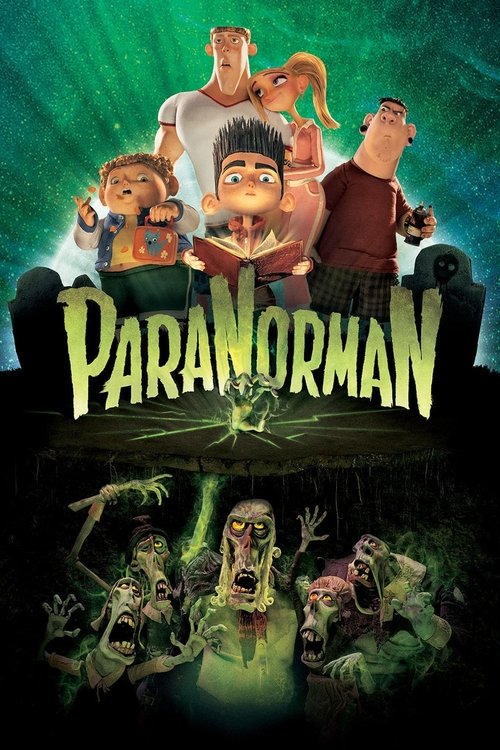
(2012)ParaNorman is a stop-motion animated comedy-horror film about a boy who can see and speak with the dead. When his town faces a centuries-old curse tied to a witch trial, Norman has to confront zombies, frightened adults, and his own isolation to try to set things right.
This is a clever and emotionally pointed family film, but it carries more horror imagery, supernatural material, and worldview tension than many parents expect from animation. Its strongest discussion areas are communication with the dead, fear-driven mob justice, and the film’s call to answer anger with compassion.
Use the content rating for scare-factor and surface issues, and the Christian guidance rating for the film’s supernatural framework and worldview conversations.
Content Indicators

Reviewed 25 July 2026
Rachel focuses on animated films, family viewing habits, and helping parents spot worldview themes quickly.
ParaNorman Christian Movie Review (2012)
Guidance: Parent Preview
This is a clever and emotionally pointed family film, but it carries more horror imagery, supernatural material, and worldview tension than many parents expect from animation. Its strongest discussion areas are communication with the dead, fear-driven mob justice, and the film’s call to answer anger with compassion.
Why This Guidance Level
ParaNorman sits above a simple spooky-kids-movie conversation because the supernatural material is constant and story-defining. Ghost contact, a witch’s curse, zombies, and spiritually charged resolution are paired with scary action and a few coarse or sexualized moments. The film also offers strong openings to talk about mercy, truth, fear, and how Christian hope in Christ differs from the movie’s vision of the dead and the afterlife.
Faith & Worldview Perspective
The film clearly condemns bullying, scapegoating, and panic-driven cruelty, and it urges compassion toward the misunderstood. Those are real moral strengths. The tension is that its spiritual world treats communication with the dead as normal, helpful, and morally central, while the afterlife is framed through ghosts, curses, and unresolved spirits rather than through God’s authority and the hope of Jesus Christ. Parents may want to discuss how a story can reflect mercy and still present spiritual ideas Christians should test carefully.
Truths Reflected
- Fear and mob thinking can lead people to do grave wrong.
- Mercy, listening, and compassion toward outsiders matter.
Tensions to Discuss
- The film normalizes speaking with the dead and builds its solution around that ability, which conflicts with biblical warnings about seeking the dead.
- Its picture of death and spiritual reality is shaped by ghosts and curses rather than by God’s truth and Christian hope in Christ.
Content & Discernment Markers
Occult & Spiritual Content
- Norman regularly speaks with dead people, including his grandmother, and answers his father’s protest with, “Because she talks back.” The film treats this gift as real, useful, and central to saving the town. Parents may want to discuss why Christians do not seek guidance from the dead even when a story presents it sympathetically.
- The plot revolves around a witch’s curse, warnings about bad omens, and the dead rising from their graves. An older relative tells Norman, “The witch’s curse is real!” and says he must use his gift to stop it.
Sexuality & Relationships
- Early dialogue includes a joke about watching “sex and violence” on TV. The line is brief, but it signals a slightly older comic edge than some parents expect from animation.
- There is light sexual humor and attraction-based comedy, including comments about a shirtless teen being “R-I-double-P-E-D” and a few crude references such as “boobs” and “wiener.”
Identity Themes
- Norman is mocked as weird and dishonest because of what he says he sees, and other children call him names like “ghost jerk” and “Goober.” The film strongly sides with the outsider and exposes how quickly a community can shame someone it does not understand. Parents may want to talk about showing Christlike kindness to isolated people without treating every personal claim as true.
- One adult uses dismissive language in a family argument, including “limp-wristed hippie garbage,” as part of a harsh attempt to control Norman’s behavior. The moment reflects ridicule and contempt inside the home rather than healthy authority.
Violence & Intensity
- The movie includes repeated horror-comedy peril with zombies, graveyard tension, chase scenes, and threats tied to a curse on the town. Children and adults flee while frightened, and the danger is sustained enough to shape the viewing experience.
- Some imagery is gross for a PG animated film. Norman casually describes a zombie on TV by saying, “the zombie is eating her head,” and the story includes decayed bodies, dismemberment-style gags, and unsettling undead visuals.
- The town’s history centers on a child accused of witchcraft being put on trial and hanged, with classroom dialogue about a “horrible and gruesome death” and souls doomed to “damnation.”
Language & Humour
- Insults and put-downs are frequent, especially around bullying. Parents will hear words like “stupid,” “loser,” “crazy,” “worst,” “ghost jerk,” and “jackass,” along with mocking lines such as “You stink of illiteracy.”
- There is also mild coarse and irreverent language, including “hell,” “damnation,” and exclamations using “God” and “Jesus,” plus a few crude body and sexual jokes.
Other Content Notes
- The film’s strongest emotional thread is bullying and scapegoating. Norman is dismissed by classmates and family, and the story shows how fear can harden into cruelty. This is one of the most useful areas for family discussion.
- A few family scenes include arguing and parental frustration over Norman’s behavior and grief, including the line, “Your grandmother is dead!… we all have to move on.”
Notable Moments
- Norman talks with Grandma: A family argument makes clear that Norman is actively conversing with his dead grandmother and believes she remains present in the house.
“Because she talks back.”
- Witch-trial classroom scene: A teacher dramatically recounts the town legend of a witch being hanged and cursing her accusers to rise as the living dead.
“They put her on trial and hanged her!… rise from their graves as the living dead!”
- Bullying at school: Norman is mocked in public by peers with taunts tied to his strangeness and supposed ghost-seeing.
“Hey, hey, ghost jerk, you know what?”
- Uncle reveals shared ghost sight: An older relative tells Norman he also sees ghosts and warns him that he must stop the curse.
“I can see ghosts, too!”
Discussion Prompts
- Talking with the dead: Why do you think the movie makes Norman’s conversations with the dead feel helpful and normal? How is that different from what God tells us about spiritual matters?
- Biblical guidance: Scripture warns God’s people not to seek the dead for guidance. Christians look to God’s Word and the hope of Jesus Christ, not to spirits.
- Scripture: Deuteronomy 18:10-12, Isaiah 8:19, Hebrews 9:27
- Bullying and mercy: How did fear and mockery shape the way people treated Norman and others? What would it look like to respond with truth and kindness instead?
- Biblical guidance: God calls us to speak with grace, defend the mistreated, and treat others as people made in His image.
- Scripture: Ephesians 4:29, Proverbs 31:8-9, Luke 6:31
- Fear, anger, and mob thinking: What happens in the story when a whole town acts out of fear? Have you ever seen people become cruel because they were scared or embarrassed?
- Biblical guidance: Human anger and crowd pressure often produce injustice. Christians are called to be slow to anger and steady in truth.
- Scripture: James 1:19-20, Proverbs 14:29, Micah 6:8
- Hope after death: What picture of death and the afterlife does this movie give? How is Christian hope different because of Jesus Christ?
- Biblical guidance: The film imagines ghosts, curses, and unresolved spirits, but the gospel points us to resurrection, judgment, and hope in Christ.
- Scripture: John 11:25-26, 1 Thessalonians 4:13-14, 1 Corinthians 15:20-22
Common questions about ParaNorman
- What age is ParaNorman suitable for?
- ParaNorman suits children of about 9 and older in most families. The main reason is violence and peril. The movie includes repeated horror-comedy peril with zombies, graveyard tension, chase scenes, and threats tied to a curse on the town. Younger viewers may still enjoy it alongside a parent, and it raises worldview questions worth talking through afterwards.
- Is ParaNorman okay for a 7-year-old?
- ParaNorman is generally better suited to children of about 9 and up, so a 7-year-old may find parts of it a stretch. The movie includes repeated horror-comedy peril with zombies, graveyard tension, chase scenes, and threats tied to a curse on the town. Families whose children handle violence and peril well may still be comfortable watching together.
Age guidance is derived from this review's content findings and the film's official classifications. It is a starting point for your own judgement, not a rule.
Parent comments
Leave a comment on this review
Share a short note on ParaNorman, or help other parents with discernment.
Submit will ask you to sign in first.
Weekend family picks
Get the short family movie list before the weekend
Example newsletter: 3 movies to watch this weekend with your family, plus one question to ask after the credits.
Sample: 3 movies to watch this weekend with your family
One cinema pick, one streaming pick, one conversation-starter pick.
Related Articles
A few bigger-picture reads for parents who want more context than a single review page can hold.
Animal Farm And Talking With Kids About Power, Truth, And Sin
Animal Farm can help older children see how slogans, fear, and corrupted authority distort truth, but parents should frame the story with a biblical view of sin.
Read article
Disney And Pixar Films For Christian Families: Why They Still Need Discernment
Disney and Pixar films often feel safer than they really are. This guide helps Christian parents notice the spiritual assumptions, emotional messages, and identity themes that can slip past a quick first impression.
Read article
5 Things To Notice In Kids Movies Before The Message Lands
A child can absorb a movie long before they can explain it. These five checkpoints help Christian parents notice what a film is training the heart to love, fear, excuse, or trust.
Read articleMore Reviews


Official regional ratings
Local ratings remain available for reference, but LionLens separates those classifications from Christian family discernment.
Review Method
How this review was prepared
LionLens reviews are written with subtitle and dialogue evidence where available, official regional ratings data, source research, and final human editorial review before publication.