
Human Reviewed
Parent feedback
19 families found this review helpful
Christian Movie Review
Oz the Great and Powerful Christian Movie Review
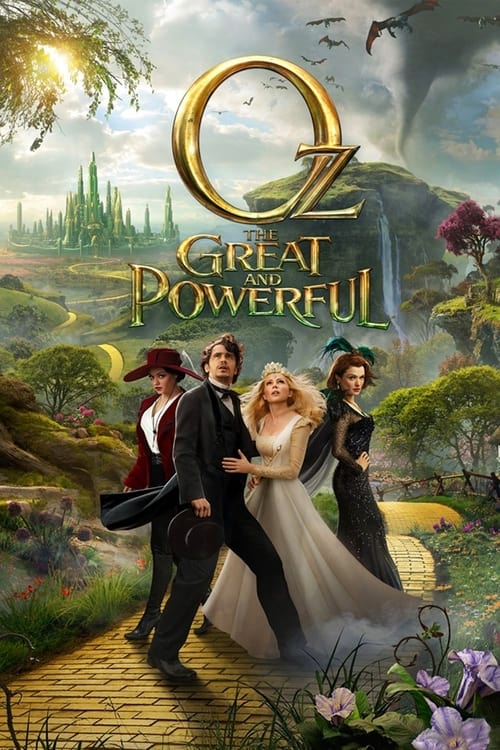
(2013)A carnival magician named Oscar Diggs is swept into the land of Oz, where he gets caught between rival witches and a struggle for the throne. The story mixes bright fantasy adventure with deception, danger, and a journey toward courage and responsibility.
This is a colorful fantasy adventure with moderate peril, some sharp threats, and a few mild language and romance concerns. The bigger issue for Christian families is the film’s emphasis on self-made greatness, belief as a power in itself, and moral change apart from any clear reference to God or Christian hope.
Use the content rating to gauge the fantasy peril, and the Christian guidance rating to weigh the film’s message about truth, identity, and power.
Content Indicators

Reviewed 23 May 2026
Rachel focuses on animated films, family viewing habits, and helping parents spot worldview themes quickly.
Oz the Great and Powerful Christian Movie Review (2013)
Guidance: Talk Together
This is a colorful fantasy adventure with moderate peril, some sharp threats, and a few mild language and romance concerns. The bigger issue for Christian families is the film’s emphasis on self-made greatness, belief as a power in itself, and moral change apart from any clear reference to God or Christian hope.
Why This Guidance Level
This film sits in the middle range for families. The surface content is mostly PG-level fantasy peril, with some scary scenes, threats, mild insults, and light flirtation, but nothing that pushes it into a heavier content category. The larger concern is the message: the story leans hard on self-belief, image management, and personal transformation as the route to greatness, so Christian families may want to talk through truth, humility, and where real identity comes from.
Faith & Worldview Perspective
Oz presents a polished fantasy world where courage, trust, and leadership matter, but it also treats belief and self-invention as powerful forces in themselves. The film has clear good-versus-evil framing, yet it roots moral change in human resolve and emotional transformation rather than in repentance, grace, or hope in Christ.
Truths Reflected
- People can grow in courage and responsibility.
- Jealousy, pride, and deception damage relationships and communities.
Tensions to Discuss
- The film treats belief in oneself and persuasive image-making as a path to greatness, which can sit uneasily beside the biblical call to truth and humility before God.
- It presents moral change as something people can generate on their own, rather than as the fruit of grace and transformation in Christ.
Content & Discernment Markers
Occult & Spiritual Content
- Magic drives the whole story, from the enchanted wall and flying creatures to spells that change Theodora into the Wicked Witch. The film uses fantasy magic as a normal force in the world of Oz, so parents may want to discuss the difference between storybook magic and the Bible’s teaching about spiritual power and trust in God.
Sexuality & Relationships
- Oz flirts openly, kisses multiple women, and treats romance lightly, with lines like “You’re very beautiful” and playful kissing in front of the crowd. The story also frames Theodora’s heartbreak around Oz’s attention, which gives the romance a manipulative edge. Parents may want to discuss honoring others rather than using charm to get what we want.
Identity Themes
- A major thread is Oz admitting, “I’m just a con man. I’m a carnival magician,” while others insist he can become the leader they need. The film keeps returning to the idea that if people believe in him, he is “wizard enough,” which makes identity feel tied to performance and public approval. Parents may want to discuss how a Christian’s identity rests in God’s truth, not in image or applause.
Violence & Intensity
- The film includes a tense ride toward a magical wall, crowd panic, threats of death, and a battle in which Theodora warns that the Yellow Brick Road will be red with blood. The action is fantastical rather than graphic, but the witch transformation and attack scenes are intense enough to unsettle younger viewers.
Language & Humour
- Language stays fairly mild, but parents will notice insults like “weak,” “selfish,” “slightly egotistical,” and “fibber,” along with a few sharper phrases such as “Damn” and “shut up.” The harshest speech comes in threats like “I will tear out your tongue,” which adds to the film’s threatening tone.
Other Content Notes
- The film’s central conflict is built around deception, trust, and leadership under pressure, with Oz trying to convince others he is more than a fraud. That moral setup gives the story some value for discussion, especially around honesty and responsibility.
Notable Moments
- Magic wall peril: Oz and Glinda rush toward a protective wall at high speed, and Oz panics that he is going to die. The scene is exciting and tense, especially for younger children.
“I’m going too fast! I’m gonna die!”
- Oz admits fraud: Oz finally admits that he is not a real wizard, which becomes the emotional center of the story and sets up the film’s theme of image versus truth.
“I’m just a con man. I’m a carnival magician.”
- Theodora’s turn: Theodora’s heartbreak curdles into vengeance as she is manipulated into becoming the Wicked Witch, a disturbing moment that links wounded desire with corruption.
“One bite and your heart will become impenetrable.”
- Battle threat: Theodora’s threat of mass slaughter gives the film its darkest line and raises the intensity of the final conflict.
“the Yellow Brick Road will be red with the blood of every Tinker, farmer and Munchkin in your kingdom”
Discussion Prompts
- Truth and identity: Why do you think Oz wants people to believe in him even when he knows he is pretending?
- Biblical guidance: The Bible calls believers to speak truthfully and to find identity in God rather than in image or applause.
- Scripture: Ephesians 4:25, Colossians 3:3
- Power and humility: What is the difference between looking powerful and actually being trustworthy?
- Biblical guidance: Jesus shows that true greatness is tied to humility, service, and faithfulness, not self-promotion.
- Scripture: Mark 10:43-45, Philippians 2:3-5
- Jealousy and bitterness: How does jealousy change Theodora, and what does that teach us about guarding our hearts?
- Biblical guidance: Scripture warns that envy and bitterness can grow into sin and damage others, while Christ offers a better way of forgiveness and peace.
- Scripture: James 3:14-16, Hebrews 12:15
- Hope and change: The movie says people can change if others trust them. What does real change look like for a Christian?
- Biblical guidance: Christian hope is not just self-improvement; it is transformation through God’s grace in Christ.
- Scripture: 2 Corinthians 5:17, Titus 3:5
Common questions about Oz the Great and Powerful
- What age is Oz the Great and Powerful suitable for?
- Oz the Great and Powerful suits children of about 8 and older in most families. That follows its official classification. It is rated PG in Australia, the US, New Zealand, the UK and Canada. The film includes a tense ride toward a magical wall, crowd panic, threats of death, and a battle in which Theodora warns that the Yellow Brick Road will be red with blood. Younger viewers may still enjoy it alongside a parent, and it raises worldview questions worth talking through afterwards.
- Is Oz the Great and Powerful okay for a 6-year-old?
- Oz the Great and Powerful is generally better suited to children of about 8 and up, so a 6-year-old may find parts of it a stretch. It is rated PG in Australia, the US, New Zealand, the UK and Canada. The film includes a tense ride toward a magical wall, crowd panic, threats of death, and a battle in which Theodora warns that the Yellow Brick Road will be red with blood. Families comfortable watching a little above the classification together may still be fine with it.
Age guidance is derived from this review's content findings and the film's official classifications. It is a starting point for your own judgement, not a rule.
Parent comments
Leave a comment on this review
Share a short note on Oz the Great and Powerful, or help other parents with discernment.
Submit will ask you to sign in first.
Weekend family picks
Get the short family movie list before the weekend
Example newsletter: 3 movies to watch this weekend with your family, plus one question to ask after the credits.
Sample: 3 movies to watch this weekend with your family
One cinema pick, one streaming pick, one conversation-starter pick.
Related Articles
A few bigger-picture reads for parents who want more context than a single review page can hold.
Animal Farm And Talking With Kids About Power, Truth, And Sin
Animal Farm can help older children see how slogans, fear, and corrupted authority distort truth, but parents should frame the story with a biblical view of sin.
Read article
Disney And Pixar Films For Christian Families: Why They Still Need Discernment
Disney and Pixar films often feel safer than they really are. This guide helps Christian parents notice the spiritual assumptions, emotional messages, and identity themes that can slip past a quick first impression.
Read article
5 Things To Notice In Kids Movies Before The Message Lands
A child can absorb a movie long before they can explain it. These five checkpoints help Christian parents notice what a film is training the heart to love, fear, excuse, or trust.
Read articleMore Reviews


Official regional ratings
Local ratings remain available for reference, but LionLens separates those classifications from Christian family discernment.
Review Method
How this review was prepared
LionLens reviews are written with subtitle and dialogue evidence where available, official regional ratings data, source research, and final human editorial review before publication.