Human Reviewed
Parent feedback
45 families found this review helpful
Christian Movie Review
Nanny McPhee Christian Movie Review
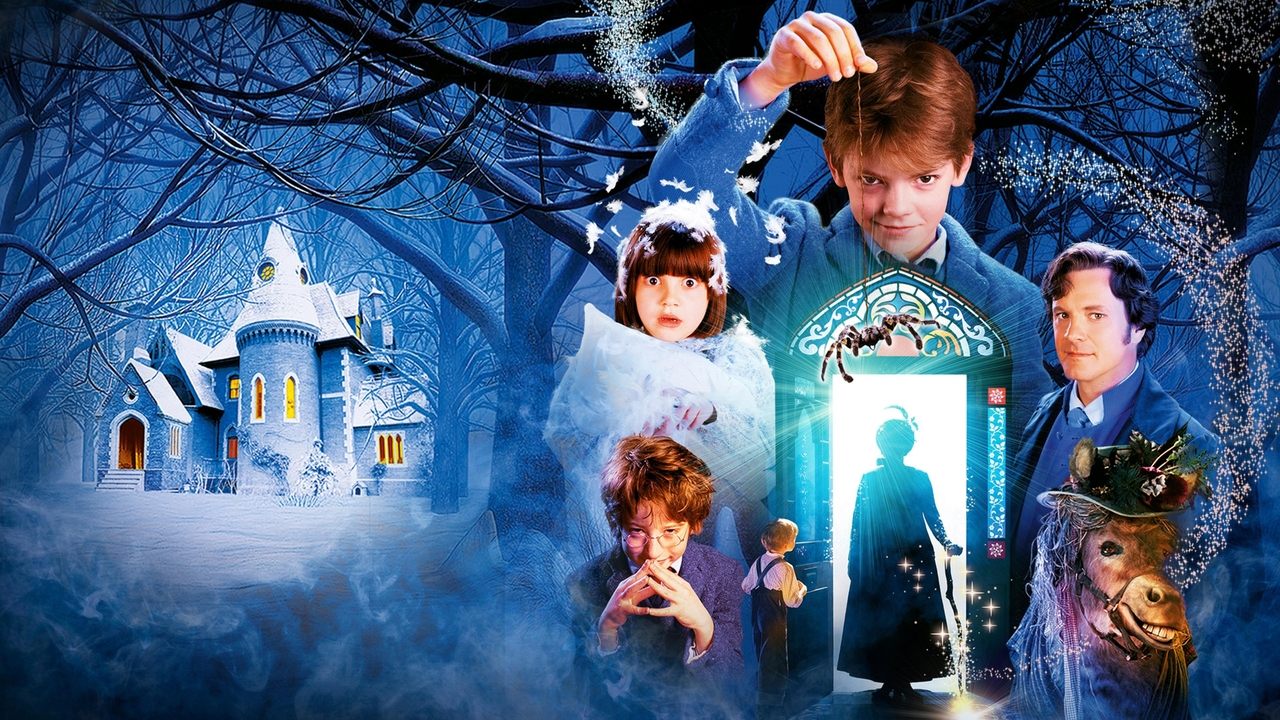
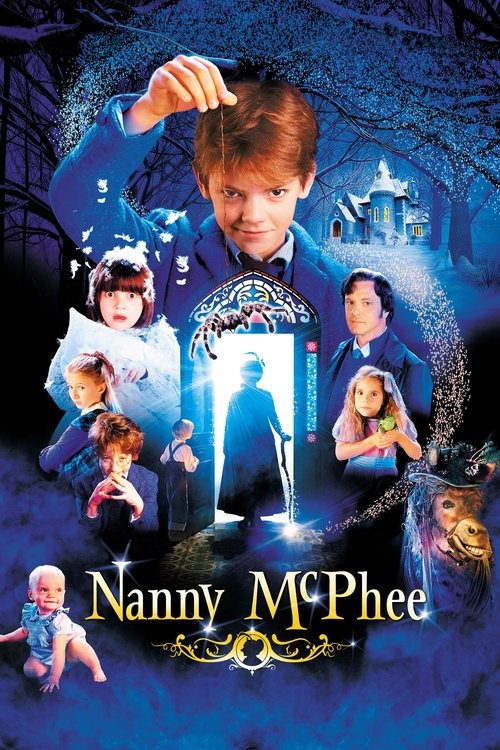
(2005)A widowed father’s household is in chaos while he is away at war and the family farm faces financial collapse. A stern, magical nanny arrives and helps the children learn respect, cooperation, and responsibility.
This is a warm family comedy with mild potty humor, some rude banter, and a little peril. Christian parents may also want to talk about the film’s magical problem-solving and the way authority, discipline, and family responsibility are framed.
The surface content is light, but the story gives a good opening to talk about manners, truth, and where real help comes from.
Content Indicators

Reviewed 15 May 2026
Rachel focuses on animated films, family viewing habits, and helping parents spot worldview themes quickly.
Nanny McPhee Christian Movie Review (2005)
Guidance: Talk Together
This is a warm family comedy with mild potty humor, some rude banter, and a little peril. Christian parents may also want to talk about the film’s magical problem-solving and the way authority, discipline, and family responsibility are framed.
Why This Guidance Level
This is a gentle PG family film, but it is not free of concerns. The humor leans heavily on potty jokes and rude remarks, and there is some comic peril around debt collectors and the family’s financial crisis. The bigger issue for Christian families is the magical framework: the story uses supernatural powers to solve problems and does not point to God’s providence or Christian hope in Christ, so it works best as a conversation starter rather than a simple pass/fail title.
Faith & Worldview Perspective
The film affirms good things: patience, responsibility, honesty, and the need for children to learn self-control. It also presents family care and sacrifice in a sympathetic way. The main tension is that the story normalizes magical intervention as the answer to chaos, which can sit uneasily beside a Christian view that looks to God’s wisdom, prayer, and Christ’s saving help rather than mystical power.
Truths Reflected
- Children need discipline, and love sometimes includes correction.
- Families are strengthened by honesty, responsibility, and cooperation.
Tensions to Discuss
- The film treats supernatural magic as a helpful solution instead of directing attention to God’s providence.
- Its moral order is good-hearted, but it does not connect rescue, hope, or transformation to Jesus Christ.
Content & Discernment Markers
Occult & Spiritual Content
- Nanny McPhee arrives with mystical abilities and uses them to manage the children and restore order. The film treats her powers as charming and effective, which gives the story a fairy-tale feel but also places supernatural help in the center of the solution. Parents may want to discuss the difference between fantasy magic and trusting God for help.
Sexuality & Relationships
- There is a mild chaste romance thread involving the father and a servant girl, while another adult woman is presented with flirtatious behavior and a few mildly suggestive remarks. Nothing explicit develops, but the adult banter may be worth a brief parent-child conversation.
Identity Themes
- The children are defined more by behavior than by identity politics: they begin as unruly, selfish, and loud, then learn to share, obey, and care for one another. The film’s message is straightforwardly about character formation and family order. Parents may want to discuss how Scripture calls children to honor authority and grow in wisdom.
Violence & Intensity
- Violence is mostly comic and mild, with pratfalls, shouting, food-fight style chaos, and a few threatening lines from debt collectors. The tension around the family’s debt and the father’s absence adds stress, but the film does not dwell on graphic harm. Parents may want to discuss how fear and pressure can make people act foolishly.
Language & Humour
- Language is light but includes rude insults and juvenile phrases such as “Bleedin’ hell,” “poo,” “vomming,” and “Land of Poo.” The humor leans hard on toilet jokes and childish gross-out comedy, which may be the main surface concern for some families.
Other Content Notes
- The family farm is under serious financial pressure, and several scenes focus on debt, tractor payments, and the threat of losing the land. That stress gives the story emotional weight and also provides a useful opening to talk about stewardship, trust, and perseverance.
Notable Moments
- Opening family chaos: The mother explains that her husband is away fighting in a war and the children are fighting constantly, setting up the film’s focus on discipline and family strain.
“my husband is away, fighting in a war, so we’re on our own”
- Debt pressure: A relative pushes the family to sell the farm because the tractor payment is due and the harvest depends on it, giving the story real financial tension.
“we need to sell the farm, now”
- Potty humor gag: The children joke about the filthy countryside in a way that makes the film’s gross-out humor very obvious.
“We’re in the Land of Poo.”
- Magical discipline: Nanny McPhee’s powers are used to force the children toward better behavior, which is central to the film’s moral and spiritual framing.
“what I want to be seeing is sharing, sharing, sharing”
Discussion Prompts
- Discipline and respect: Why do the children change when they start listening and sharing instead of fighting?
- Biblical guidance: Scripture teaches that wisdom grows through correction and humility, not stubbornness. Talk about how honoring authority can be an act of love.
- Scripture: Proverbs 12:1, Ephesians 6:1-3
- Trust and rescue: What does the movie suggest about where help comes from when a family is in trouble?
- Biblical guidance: The film points to magical help, but Christians look to God’s providence and to Jesus Christ as the true source of rescue and hope.
- Scripture: Psalm 46:1, Colossians 1:16-17
- Truth and responsibility: How do honesty and responsibility help the family more than hiding problems or acting selfishly?
- Biblical guidance: The Bible connects truthfulness with maturity and peace. Children can learn that responsibility is part of loving others well.
- Scripture: Ephesians 4:25, Luke 16:10
Common questions about Nanny McPhee
- What age is Nanny McPhee suitable for?
- Nanny McPhee suits children of about 8 and older in most families. That follows its official classification. It is rated PG in Australia, the US, New Zealand and Canada, and U in the UK. Language is light but includes rude insults and juvenile phrases such as “Bleedin’ hell,” “poo,” “vomming,” and “Land of Poo.”
- Is Nanny McPhee okay for a 6-year-old?
- Nanny McPhee is generally better suited to children of about 8 and up, so a 6-year-old may find parts of it a stretch. It is rated PG in Australia, the US, New Zealand and Canada, and U in the UK. Language is light but includes rude insults and juvenile phrases such as “Bleedin’ hell,” “poo,” “vomming,” and “Land of Poo.” Families comfortable watching a little above the classification together may still be fine with it.
Age guidance is derived from this review's content findings and the film's official classifications. It is a starting point for your own judgement, not a rule.
Parent comments
Leave a comment on this review
Share a short note on Nanny McPhee, or help other parents with discernment.
Submit will ask you to sign in first.
Weekend family picks
Get the short family movie list before the weekend
Example newsletter: 3 movies to watch this weekend with your family, plus one question to ask after the credits.
Sample: 3 movies to watch this weekend with your family
One cinema pick, one streaming pick, one conversation-starter pick.
Related Articles
A few bigger-picture reads for parents who want more context than a single review page can hold.

How To Talk With Kids About Magic, Fate, And Spiritual Themes In Movies
Many family movies use magic, destiny, spirits, or cosmic balance to drive the story. This article helps Christian parents respond without overreacting, while still drawing clear lines back to biblical truth.
Read article
How To Talk With Kids About Dragon magic In Family Movies
A parent-friendly guide to discussing dragon magic in family movies through a Christian lens.
Read article
How To Talk With Kids About Mild fantasy peril In Family Movies
A parent-friendly guide to discussing mild fantasy peril in family movies through a Christian lens.
Read articleMore Reviews


Official regional ratings
Local ratings remain available for reference, but LionLens separates those classifications from Christian family discernment.
Review Method
How this review was prepared
LionLens reviews are written with subtitle and dialogue evidence where available, official regional ratings data, source research, and final human editorial review before publication.