Human Reviewed
Parent feedback
58 families found this review helpful
Christian Movie Review
My Neighbor Totoro Christian Movie Review
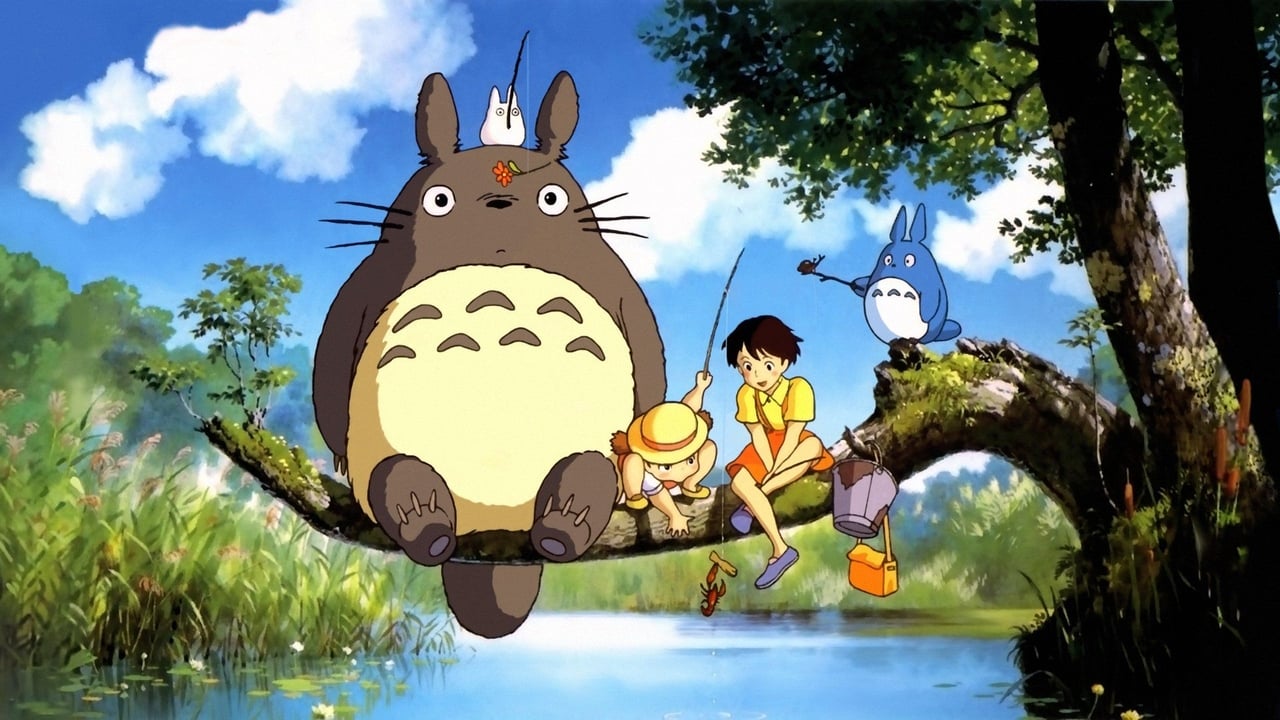
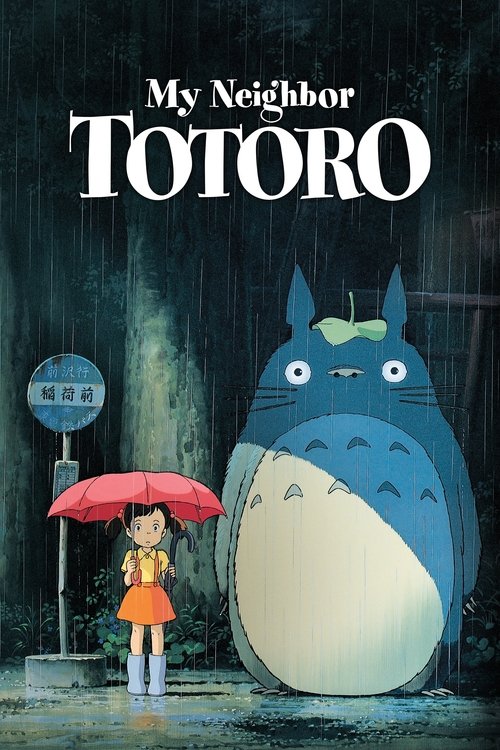
(1988)This gentle animated film follows two young sisters who move to the countryside with their father while their mother recovers in the hospital. As they explore their new home and the surrounding woods, they encounter strange creatures, moments of wonder, and a season of family worry.
Surface content is very light, with mild peril, a few eerie moments, and a tender but sad thread involving a sick mother. The main reason for discussion is the film’s warm treatment of forest spirits, ghosts, and shrine-centered folk spirituality as part of a childlike world of wonder.
Use the content rating for what children will see and hear, and the Christian guidance rating for what the story invites them to believe or admire.
Content Indicators

Reviewed 1 May 2026
Rachel focuses on animated films, family viewing habits, and helping parents spot worldview themes quickly.
My Neighbor Totoro Christian Movie Review (1988)
Guidance: Talk Together
Surface content is very light, with mild peril, a few eerie moments, and a tender but sad thread involving a sick mother. The main reason for discussion is the film’s warm treatment of forest spirits, ghosts, and shrine-centered folk spirituality as part of a childlike world of wonder.
Why This Guidance Level
This lands in a discussion-advised range because the film itself is gentle, but its spiritual imagination is not neutral. Friendly spirits, ghost talk, and shrine-connected folk ideas are woven into an otherwise beautiful family story, so many Christian parents will want a short conversation about the difference between fantasy wonder and spiritual truth centered on Jesus Christ.
Faith & Worldview Perspective
My Neighbor Totoro is full of tenderness toward family, childhood trust, and the beauty of the natural world. It treats unseen beings and folk spirituality with warmth rather than fear, which can feel charming but also blurs the line between imaginative fantasy and spiritual reality. Christian families may appreciate the love, patience, and neighborly care on display while also clarifying that creation is God’s gift and that our hope, safety, and understanding of the unseen belong in Jesus Christ, not in spirits or shrine-shaped reverence. Parents may want to discuss how to enjoy fantasy without absorbing its spiritual assumptions.
Truths Reflected
- Family members care for one another through sickness, fear, and uncertainty.
- Children are right to delight in the beauty and mystery of the created world.
Tensions to Discuss
- The story presents spirits and ghostly beings as friendly companions within a meaningful spiritual order outside biblical revelation.
- Shrine and folk-spiritual ideas can normalize reverence toward spiritual realities that are not rooted in worship of the one true God.
Content & Discernment Markers
Occult & Spiritual Content
- The girls move into a house described as a “haunted house,” talk openly about ghosts, and are told that “dustbunnies” or “soot spreaders” live there. Later, Mei identifies the large creature she meets as Totoro, a forest spirit-like being. For Christian families, the issue is not horror but the film’s affectionate treatment of spirits as part of a good and enchanted world. Parents may want to discuss the difference between fantasy creatures and real spiritual beliefs.
Sexuality & Relationships
- Relational content centers on family affection, sibling closeness, and a child’s longing to see her mother in the hospital. Romance and sexual material do not drive the story.
Identity Themes
- The film emphasizes childlike wonder, family belonging, and the security children find in loving parents and caregivers. Identity themes are rooted in home, family, and growing courage rather than self-definition or rebellion.
Violence & Intensity
- Threat is very mild and mostly emotional. The old house feels eerie, the girls talk about ghosts and bogeymen, and there is tension when Mei wanders off and becomes hard to find. The strongest distress comes from fear that something may have happened to a child and from concern over the mother’s illness.
Language & Humour
- Language is very mild. Children use phrases like “haunted house” and “bogeymen,” and one boy is described with insults such as “dirty kid” and “fool” in the broader story. Parents concerned about teasing language will likely find it light and infrequent.
Other Content Notes
- A major emotional thread involves the girls’ mother being in the hospital. Dialogue such as “To visit Mommy in the hospital!” and “The doctor says she’ll be home soon” keeps the illness present, which may stir anxiety in children who are sensitive to separation or sickness. Parents may want to talk about fear, prayer, and trusting God in uncertain seasons.
- The soot-creature imagery in the dark house can be creepy for very young viewers, especially when the girls first enter empty rooms and imagine what might be hiding there.
Notable Moments
- Haunted house setup: The family arrives at their new home, and the girls react with a mix of excitement and fear as they call it a haunted house.
“Looks like a haunted house!”
- Dustbunny explanation: Dark rooms and soot creatures are framed as part of the house’s mystery rather than a serious threat.
“Ghosts don’t come out on days like this.”
- Hospital visit: The girls visit their mother, and the film gently reminds viewers that the family is carrying real worry beneath the wonder.
“To visit Mommy in the hospital!”
- Totoro encounter: Mei identifies the strange creature she has met, marking the story’s move into open fantasy and spirit-like wonder.
“You’re Totoro.”
Discussion Prompts
- Wonder and creation: What parts of the countryside made the girls feel wonder, and how is enjoying nature different from treating nature or spirits as something to revere?
- Biblical guidance: Christians can delight in the beauty of the world because God made it, but worship belongs to the Creator, not creation or spiritual beings.
- Scripture: Psalm 19:1, Romans 1:25, Colossians 1:16
- Fear and comfort: When the girls felt scared of the house or worried about their mother, where did they look for comfort? Where should we turn when we are afraid?
- Biblical guidance: Scripture teaches us to bring fear to the Lord, who is our refuge, instead of trusting in rituals, luck, or unseen helpers.
- Scripture: Psalm 56:3, Philippians 4:6-7, 2 Timothy 1:7
- Family love in hard seasons: How did the sisters and their father care for one another while the mother was sick?
- Biblical guidance: The film reflects the goodness of patient family love, service, and tenderness during suffering.
- Scripture: Galatians 6:2, Ephesians 4:32, Romans 12:15
- Fantasy and spiritual truth: What is the difference between enjoying a make-believe story with magical creatures and believing real spiritual ideas that do not come from God’s Word?
- Biblical guidance: Christians can enjoy imaginative stories while testing every spiritual message against the truth of God and the hope we have in Jesus Christ.
- Scripture: 1 John 4:1, John 14:6, Acts 4:12
Common questions about My Neighbor Totoro
- What age is My Neighbor Totoro suitable for?
- My Neighbor Totoro suits all ages, including young children. Younger viewers may still enjoy it alongside a parent, and it raises worldview questions worth talking through afterwards.
- Can young children watch My Neighbor Totoro?
- Yes. My Neighbor Totoro is gentle enough for young children, with nothing in the content that needs an older audience. There are still ideas in it worth discussing together afterwards.
Age guidance is derived from this review's content findings and the film's official classifications. It is a starting point for your own judgement, not a rule.
Parent comments
Leave a comment on this review
Share a short note on My Neighbor Totoro, or help other parents with discernment.
Submit will ask you to sign in first.
Weekend family picks
Get the short family movie list before the weekend
Example newsletter: 3 movies to watch this weekend with your family, plus one question to ask after the credits.
Sample: 3 movies to watch this weekend with your family
One cinema pick, one streaming pick, one conversation-starter pick.
Related Articles
A few bigger-picture reads for parents who want more context than a single review page can hold.

How To Talk With Kids About Magic, Fate, And Spiritual Themes In Movies
Many family movies use magic, destiny, spirits, or cosmic balance to drive the story. This article helps Christian parents respond without overreacting, while still drawing clear lines back to biblical truth.
Read article
How To Talk With Kids About Dragon magic In Family Movies
A parent-friendly guide to discussing dragon magic in family movies through a Christian lens.
Read article
How To Talk With Kids About Mild fantasy peril In Family Movies
A parent-friendly guide to discussing mild fantasy peril in family movies through a Christian lens.
Read articleMore Reviews



Official regional ratings
Local ratings remain available for reference, but LionLens separates those classifications from Christian family discernment.
Review Method
How this review was prepared
LionLens reviews are written with subtitle and dialogue evidence where available, official regional ratings data, source research, and final human editorial review before publication.