
Human Reviewed
Parent feedback
53 families found this review helpful
Christian Movie Review
Mulan Christian Movie Review
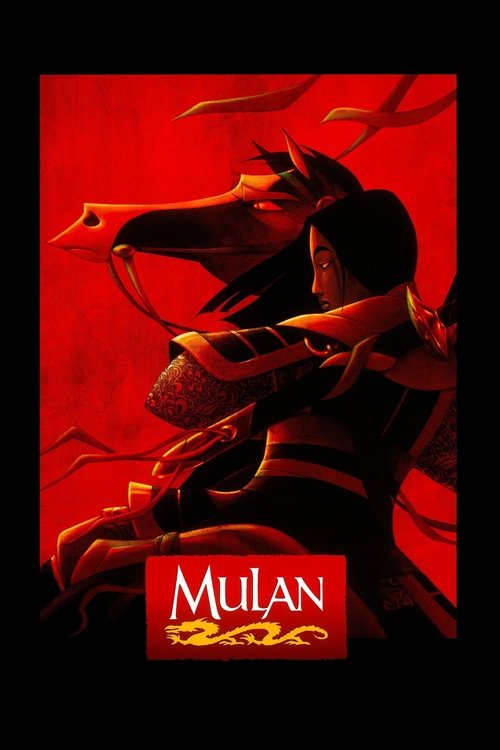
(1998)This animated Disney film follows Mulan, a young woman in ancient China who struggles to fit the role expected of her family and society. When war reaches her home, she steps forward in a way that reshapes how others see her courage, loyalty, and worth.
Mulan is a thoughtful family adventure with strong themes of courage and sacrifice, but it also includes war peril, public shaming, ancestor prayer, and a worldview shaped by honor culture and spiritual ideas outside Christianity. Many families will find it most helpful as a conversation film rather than simple background entertainment.
Use the content rating for surface issues and the Christian guidance rating for the film's deeper messages and spiritual themes.
Content Indicators

Reviewed 21 April 2026
Esther handles review quality, clarity, and the practical guidance families need after the credits roll.
Mulan Christian Movie Review (1998)
Guidance: Talk Together
Mulan is a thoughtful family adventure with strong themes of courage and sacrifice, but it also includes war peril, public shaming, ancestor prayer, and a worldview shaped by honor culture and spiritual ideas outside Christianity. Many families will find it most helpful as a conversation film rather than simple background entertainment.
Why This Guidance Level
This lands in a middle category because the surface content is still within the normal range for family animation, but the film gives real weight to ancestor prayer, guardian-spirit ideas, honor-based worth, and identity themes that benefit from Christian discussion. The main concern is less graphic content and more the worldview children may absorb without conversation.
Faith & Worldview Perspective
Mulan presents bravery, sacrifice, perseverance, and love for family in ways many parents will appreciate. It also places heavy emphasis on honor, social duty, and finding the “real self,” while normalizing prayer to ancestors and spiritual guardians as part of the family’s moral world. A Christian response can affirm Mulan’s courage while also clarifying that our worth comes from being made in God’s image and that guidance, hope, and salvation come from the living God through Jesus Christ, not from ancestors or luck. Parents may want to discuss the difference between honoring family and making family approval the measure of identity.
Truths Reflected
- Courage and self-sacrifice for others are honorable.
- A person’s value is deeper than outward performance or social expectations.
Tensions to Discuss
- The film treats ancestor prayer and guardian spirits as normal sources of help, which conflicts with seeking God alone.
- It leans toward grounding identity in inner self-expression and family honor rather than in God’s design and truth.
Content & Discernment Markers
Occult & Spiritual Content
- The family openly prays to ancestors for help: “Honourable ancestors, please help Mulan impress the Matchmaker today” and later “Ancestors, hear my plea.” The story also speaks of luck and family guardians. This matters for Christian families because the film treats spiritual help outside the worship of the true God as normal and even comforting. Parents may want to explain why Christians pray to God alone through Jesus Christ.
Sexuality & Relationships
- Sexual content is light, but the film includes repeated talk about marriageability and childbearing. In the song, a girl’s honor is tied to “striking a good match,” and one lyric says, “A girl by bearing sons.” The matchmaker scene also includes body-based criticism. These moments are not explicit, but they do frame female worth around appearance, marriage, and fertility.
Identity Themes
- Mulan’s inner conflict is central in “Reflection,” with lines like “Who is that girl I see” and “When will my reflection show who I am inside?” The film sympathetically explores the pain of not fitting expectations. This can be a helpful discussion point, but Christian families may want to talk about identity as received from God, not discovered only by looking within.
Violence & Intensity
- The story begins with invasion and military threat: “We’re under attack!” and “The Huns have invaded China.” Conscription follows, and Mulan’s elderly father is called to serve. The war setting creates steady peril, even when the tone remains family-friendly.
- The emotional weight rises when Mulan says, “I will serve the Emperor in my father’s place,” showing that military service is tied to real danger and sacrifice. Parents of younger children may want to prepare for battle tension and fear around losing family members.
Language & Humour
- Language is mild and mostly comes through insults and ridicule rather than profanity. Notable lines include “You are a disgrace!” and “Who spit in her bean curd?” The humor in the matchmaker scene often depends on embarrassment and put-downs.
Other Content Notes
- The matchmaker sequence is built around public shame. Mulan is told to be “quiet,” “obedient,” and “silent,” then is humiliated with, “You may look like a bride, but you will never bring your family honour!” This matters because the film strongly portrays worth as tied to performance and family reputation. Parents may want to discuss grace, dignity, and how Christ meets us when we fail.
Notable Moments
- Ancestor prayer: Mulan’s family asks ancestors to help her succeed with the matchmaker, establishing the film’s spiritual framework early.
“Honourable ancestors, please help Mulan impress the Matchmaker today.”
- Honor pressure song: The opening song ties a girl’s value to marriage, obedience, appearance, and family reputation.
“A girl can bring her family great honour in one way / By striking a good match.”
- Public shaming: The matchmaker scene ends with direct humiliation after Mulan fails to meet expectations.
“You are a disgrace! You may look like a bride, but you will never bring your family honour!”
- War call: The emperor’s order makes the war personal for every household, including Mulan’s aging father.
“By order of the Emperor, one man from every family must serve in the Imperial Army.”
Discussion Prompts
- Where identity comes from: Mulan asks who she really is. How is that different from what the Bible says about who we are?
- Biblical guidance: Help children see that identity is not built only from feelings or social success. We are created by God and find our deepest identity in belonging to Him through Christ.
- Scripture: Genesis 1:27, Psalm 139:13-14, Galatians 2:20
- Honor, shame, and grace: How did Mulan respond when she was shamed? What does God offer us when we fail or disappoint others?
- Biblical guidance: The film shows how crushing shame can be. Scripture points us to grace, repentance, and dignity before God rather than living only for human approval.
- Scripture: Romans 8:1, 1 Samuel 16:7, Ephesians 2:8-10
- Courage and sacrifice: What made Mulan brave, and how can courage be used for good without becoming pride or deception?
- Biblical guidance: Her willingness to protect her father reflects sacrificial love. Parents can connect that to courage shaped by truth, wisdom, and love of neighbor.
- Scripture: John 15:13, Joshua 1:9, Micah 6:8
- Prayer and spiritual help: The family prays to ancestors for help. Why do Christians pray differently?
- Biblical guidance: This is a clear chance to explain that Christians seek the living God alone and come to the Father through Jesus Christ, not through ancestors, luck, or guardian spirits.
- Scripture: Exodus 20:3-4, Deuteronomy 18:10-12, John 14:6, 1 Timothy 2:5
Common questions about Mulan
- What age is Mulan suitable for?
- Mulan suits children of about 6 and older in most families. The main reason is violence and peril. The story begins with invasion and military threat: "We're under attack!" Younger viewers may still enjoy it alongside a parent, and it raises worldview questions worth talking through afterwards.
- Is Mulan okay for a 4-year-old?
- Mulan is generally better suited to children of about 6 and up, so a 4-year-old may find parts of it a stretch. The story begins with invasion and military threat: "We're under attack!" Families whose children handle violence and peril well may still be comfortable watching together.
Age guidance is derived from this review's content findings and the film's official classifications. It is a starting point for your own judgement, not a rule.
Parent comments
Leave a comment on this review
Share a short note on Mulan, or help other parents with discernment.
Submit will ask you to sign in first.
Weekend family picks
Get the short family movie list before the weekend
Example newsletter: 3 movies to watch this weekend with your family, plus one question to ask after the credits.
Sample: 3 movies to watch this weekend with your family
One cinema pick, one streaming pick, one conversation-starter pick.
Related Articles
A few bigger-picture reads for parents who want more context than a single review page can hold.

How To Talk With Kids About Magic, Fate, And Spiritual Themes In Movies
Many family movies use magic, destiny, spirits, or cosmic balance to drive the story. This article helps Christian parents respond without overreacting, while still drawing clear lines back to biblical truth.
Read article
What Christian Parents Can Discuss After Ruby Gillman, Teenage Kraken
A practical post-movie conversation guide for Christian parents after watching Ruby Gillman, Teenage Kraken.
Read article
Animal Farm And Talking With Kids About Power, Truth, And Sin
Animal Farm can help older children see how slogans, fear, and corrupted authority distort truth, but parents should frame the story with a biblical view of sin.
Read articleMore Reviews



Official regional ratings
Local ratings remain available for reference, but LionLens separates those classifications from Christian family discernment.
Review Method
How this review was prepared
LionLens reviews are written with subtitle and dialogue evidence where available, official regional ratings data, source research, and final human editorial review before publication.