Human Reviewed
Parent feedback
20 families found this review helpful
Christian Movie Review
Monsters, Inc. Christian Movie Review
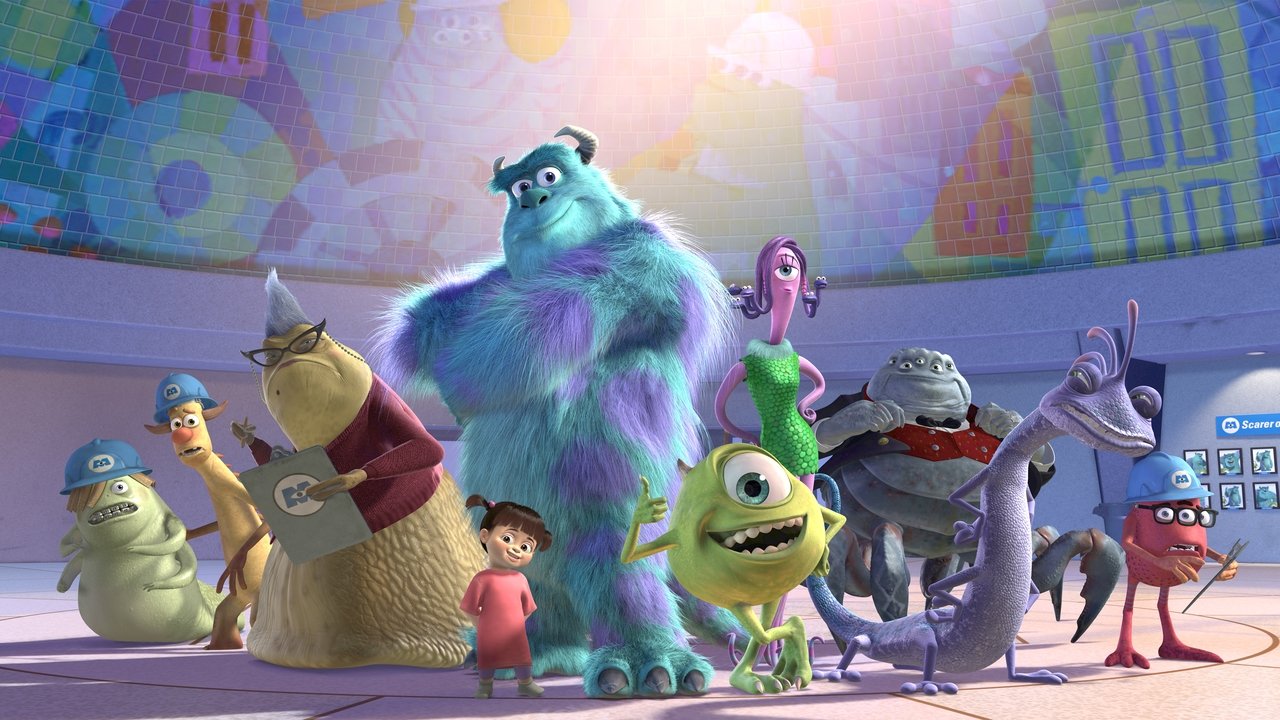
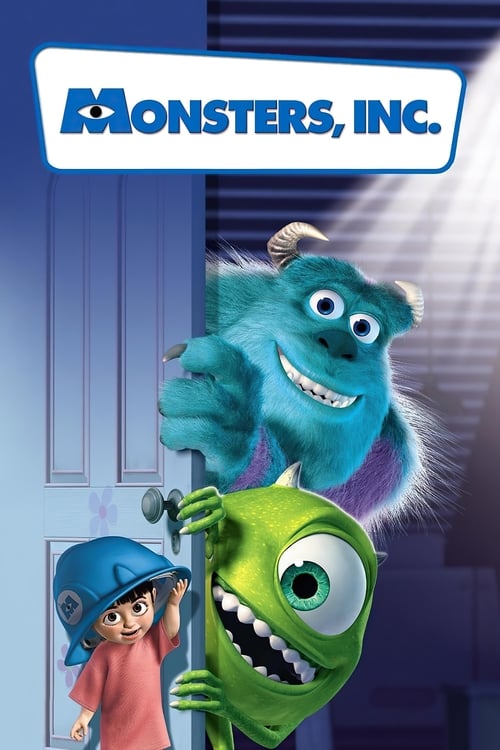
(2001)This animated comedy follows top scarer Sulley and his fast-talking friend Mike in a monster city powered by children's screams. Their routine is disrupted when a little girl enters their world, turning a workplace adventure into a story about friendship, fear, and doing what is right.
Monsters, Inc. is a warm, funny family film with mild comic peril and a few rude lines, but its monster-under-the-bed premise and child-in-danger moments may unsettle sensitive viewers. It also gives parents a good opening to talk about fear, compassion, truth, and how doing right matters more than success.
Use the content rating for surface issues and the Christian guidance rating for the film's deeper messages and discussion needs.
Content Indicators

Reviewed 14 April 2026
Micah covers action, fantasy, and franchise releases, with close attention to violence, spiritual themes, and moral framing.
Monsters, Inc. Christian Movie Review (2001)
Guidance: Talk Together
Monsters, Inc. is a warm, funny family film with mild comic peril and a few rude lines, but its monster-under-the-bed premise and child-in-danger moments may unsettle sensitive viewers. It also gives parents a good opening to talk about fear, compassion, truth, and how doing right matters more than success.
Why This Guidance Level
This lands in the middle because the surface content is mild, but the film’s fear-based setup, child-endangerment tension, and moral themes invite conversation. The story ultimately points toward compassion and truth, yet parents may still want to help children process the scary premise and the way fear is used, challenged, and replaced by care.
Faith & Worldview Perspective
The story begins in a world built on fear, deception, and using children as a resource, then steadily exposes that system as broken. Its strongest moral thread is that compassion is better than exploitation and that courage includes telling the truth even when it costs you. That fits well with Christian convictions about protecting the vulnerable and rejecting lies, though the film’s moral frame stays general rather than pointing to sin, redemption, or hope in Jesus Christ. Parents may want to discuss how perfect love drives out fear and how Christian hope in Christ gives a deeper answer than simply replacing fear with good feelings.
Truths Reflected
- Compassion for the vulnerable is better than using others for personal or social gain.
- Friendship, courage, and honesty matter when authority becomes corrupt.
Tensions to Discuss
- The film’s moral vision is positive but largely human-centered, without reference to God as the source of truth and love.
- Its world is built around fear as a practical system, which can open discussion about how fear distorts people until truth confronts it.
Content & Discernment Markers
Occult & Spiritual Content
- Occult material does not stand out here. The monsters, portals, and fantasy world function as comic story elements rather than spiritual instruction. Parents may still want to remind younger children that fantasy creatures are make-believe and different from real spiritual truth in Christ.
Sexuality & Relationships
- Relationship content is light and playful. There is brief flirting and affectionate pet-name banter such as “Schmoopsie-poo,” “Googley Bear,” and “Celia-weelia,” but nothing sexual or suggestive beyond cartoon romance.
Identity Themes
- The film centers more on character and moral choice than on modern identity messaging. Its main identity question is whether Sulley will keep living as the company’s star scarer or become someone shaped by compassion and truth. Parents may want to discuss how our choices should be guided by what is right, not just by reputation or success.
Violence & Intensity
- The opening training material and workplace warnings frame children as dangerous, with lines like “There’s nothing more toxic or deadly than a human child” and “A single touch could kill you.” This creates tension early, even though the tone is comic.
- Scare-floor scenes include frantic shouting such as “Don’t let the kid touch you!” and monster-under-the-bed humor that could unsettle very young or sensitive children. The premise matters for Christian families because it trades on bedtime fear before the story turns that fear on its head.
- Later conflict includes chase-and-rescue style peril and a frightened child in danger, though the overall presentation stays within family-animation bounds rather than graphic violence.
Language & Humour
- Language is mostly mild banter and teasing. Notable lines include “marshmallow boy,” “butterball,” “nuts,” and “shut up,” along with sarcastic put-downs between friends. This is the kind of speech younger children may repeat, so parents may want to talk about joking without being unkind.
Other Content Notes
- The story’s central system depends on frightening children to harvest screams for power, with lines like “Our city is counting on you to collect those children’s screams. Without scream, we have no power.” That setup creates a useful moral contrast when the film later shows a better way. Parents may want to discuss whether success ever justifies harming or using others.
Notable Moments
- Training scare setup: A training simulation shows how seriously the monster world treats children, setting up the film’s fear-based premise.
“There’s nothing more toxic or deadly than a human child. A single touch could kill you.”
- Fear-driven workplace: The company frames scaring children as necessary civic duty because the city depends on scream energy.
“Our city is counting on you to collect those children’s screams. Without scream, we have no power.”
- Comic scare-floor tension: A fast, playful training moment still leans on fear of child contact and may be intense for sensitive viewers.
“Don’t let the kid touch you! Don’t let it touch you!”
- Corporate slogan irony: The company anthem presents the scare business as cheerful public service, which sharpens the film’s later moral critique.
“We scare because we care.”
Discussion Prompts
- Fear and love: How does the movie show fear controlling the monsters at first, and what changes when they begin to care for Boo instead?
- Biblical guidance: Scripture teaches that fear does not have the final word. In Jesus Christ, love and truth push back fear and help us protect others instead of using them.
- Scripture: 1 John 4:18, 2 Timothy 1:7
- Using people versus serving them: Why is it wrong that the city depends on frightening children for power, even if everyone says it is necessary?
- Biblical guidance: People are not tools to be used. God calls us to treat others with dignity, especially the vulnerable.
- Scripture: Genesis 1:27, Philippians 2:3-4
- Truth and courage: What does Sulley risk when he stops going along with the system and chooses what is right?
- Biblical guidance: Doing right often requires courage, especially when authority is wrong. Christians are called to speak truth and act justly.
- Scripture: Micah 6:8, Ephesians 4:25
- Care for children: How does the movie change when Boo is treated as a person to protect instead of a problem to manage?
- Biblical guidance: Jesus welcomed children and treated them as precious, not inconvenient. That gives families a clear contrast with the film’s fear-based system.
- Scripture: Mark 10:13-16, Psalm 127:3
Common questions about Monsters, Inc.
- What age is Monsters, Inc. suitable for?
- Monsters, Inc. suits children of about 6 and older in most families. The main reason is violence and peril. The opening training material and workplace warnings frame children as dangerous, with lines like "There's nothing more toxic or deadly than a human child" and "A single touch could kill you."
- Is Monsters, Inc. okay for a 4-year-old?
- Monsters, Inc. is generally better suited to children of about 6 and up, so a 4-year-old may find parts of it a stretch. The opening training material and workplace warnings frame children as dangerous, with lines like "There's nothing more toxic or deadly than a human child" and "A single touch could kill you." Families whose children handle violence and peril well may still be comfortable watching together.
Age guidance is derived from this review's content findings and the film's official classifications. It is a starting point for your own judgement, not a rule.
Parent comments
Leave a comment on this review
Share a short note on Monsters, Inc., or help other parents with discernment.
Submit will ask you to sign in first.
Weekend family picks
Get the short family movie list before the weekend
Example newsletter: 3 movies to watch this weekend with your family, plus one question to ask after the credits.
Sample: 3 movies to watch this weekend with your family
One cinema pick, one streaming pick, one conversation-starter pick.
Related Articles
A few bigger-picture reads for parents who want more context than a single review page can hold.

How To Talk With Kids About Magic, Fate, And Spiritual Themes In Movies
Many family movies use magic, destiny, spirits, or cosmic balance to drive the story. This article helps Christian parents respond without overreacting, while still drawing clear lines back to biblical truth.
Read article
Animal Farm And Talking With Kids About Power, Truth, And Sin
Animal Farm can help older children see how slogans, fear, and corrupted authority distort truth, but parents should frame the story with a biblical view of sin.
Read article
How To Talk After A Scary Scene Without Overreacting
Children do not always process fear while the movie is still playing. This guide helps parents respond calmly after intense or unsettling scenes and turn the moment into wise reassurance instead of panic.
Read articleMore Reviews


Official regional ratings
Local ratings remain available for reference, but LionLens separates those classifications from Christian family discernment.
Review Method
How this review was prepared
LionLens reviews are written with subtitle and dialogue evidence where available, official regional ratings data, source research, and final human editorial review before publication.