Human Reviewed
Parent feedback
48 families found this review helpful
Christian Movie Review
Moana Christian Movie Review
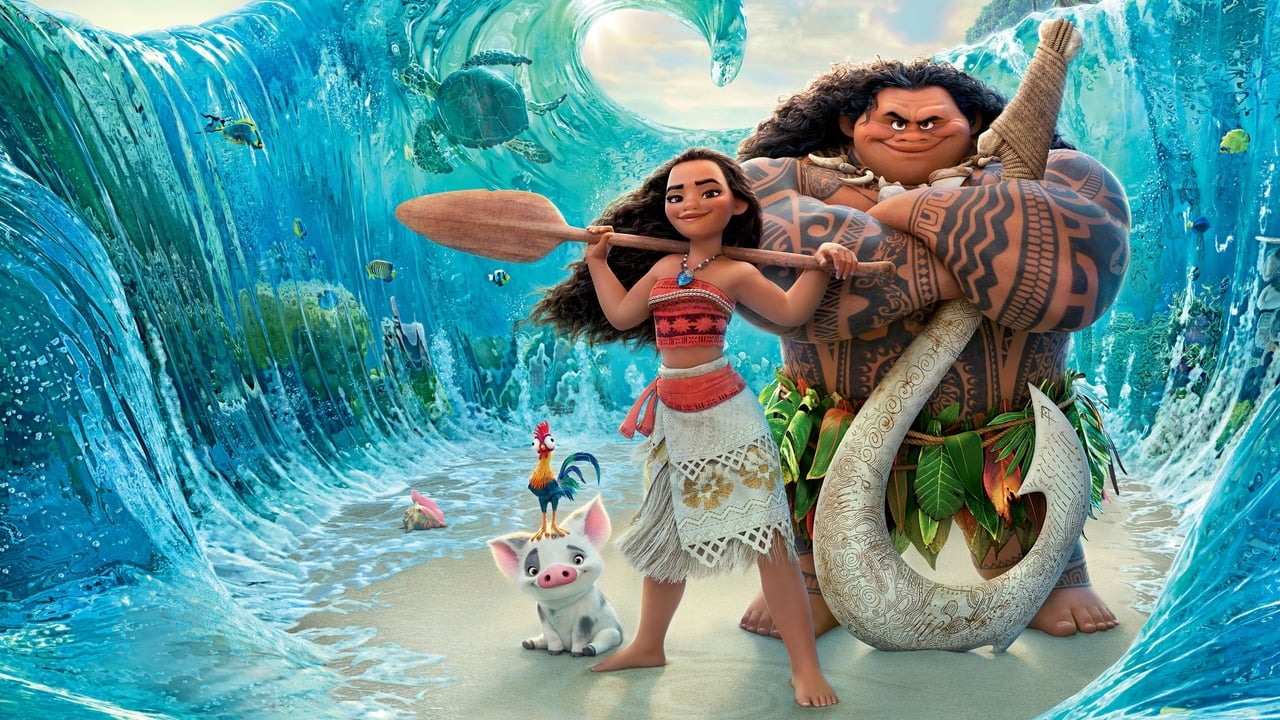
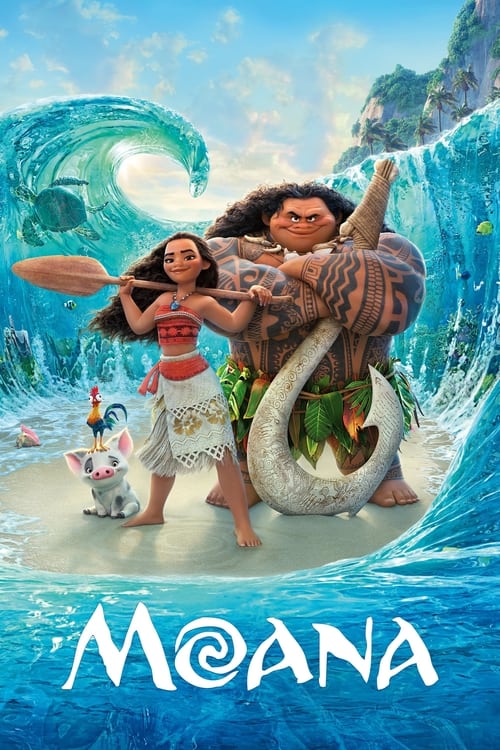
(2016)In Ancient Polynesia, when a terrible curse incurred by Maui reaches an impetuous Chieftain's daughter's island, she answers the Ocean's call to seek out the demigod to set things right.
Moana is an adventurous, visually engaging family film with courage, sacrifice, and service at its center. The main discernment issue for Christian families is not sexual content or harsh language, but the story’s animistic and polytheistic spiritual world, where creation power, chosen destiny, spirits, and demigods operate outside the hope and truth revealed in Jesus Christ.
Start with the content rating, then use the Christian guidance rating to decide how much conversation your family may need.
Content Indicators

Reviewed 19 March 2026
Esther handles review quality, clarity, and the practical guidance families need after the credits roll.
Moana Christian Movie Review (2016)
Guidance: Talk Together
Moana is an adventurous, visually engaging family film with courage, sacrifice, and service at its center. The main discernment issue for Christian families is not sexual content or harsh language, but the story’s animistic and polytheistic spiritual world, where creation power, chosen destiny, spirits, and demigods operate outside the hope and truth revealed in Jesus Christ.
Why This Guidance Level
This film stays fairly light in language and sexual content, and its danger is presented in a family-adventure style. The stronger concern is worldview: the story treats the ocean as a choosing force, presents a demigod and spirit-world powers as real helpers, and frames identity around an inner voice and destiny language rather than truth grounded in God. Many families will mainly want conversation, not alarm, but the spiritual themes are significant enough to merit active discussion.
Faith & Worldview Perspective
Moana honors bravery, responsibility, and sacrificial love for one’s people, which can open good conversations about servant leadership. At the same time, its spiritual framework is built around a living ocean, a creator-like island goddess, a demigod, and guidance through inner voice and ancestral spirituality. That may conflict with a biblical view because Scripture points children to the one true God, not to spirits, created powers, or self-discovery apart from Him. Parents may want to discuss how courage and care for others can reflect God’s design while hope, identity, and salvation are found in Jesus Christ, not in destiny or spiritual forces.
Truths Reflected
- Courage and self-sacrifice for the good of others are treated as honorable.
- Leadership is shown as service and responsibility, not just personal freedom.
Tensions to Discuss
- The film presents animistic and polytheistic spiritual powers as real and benevolent parts of the world, which may conflict with worship of the one true God.
- Identity is often framed through an inner voice and chosen destiny, which may lead children away from grounding identity in God’s truth and in Christ.
Content & Discernment Markers
Occult & Spiritual Content
- The story world is openly spiritual in a non-biblical way: Te Fiti is described as a mother island whose heart ‘could create life itself,’ Maui is called a ‘Demigod of the wind and sea,’ and Te Ka is a ‘demon of earth and fire.’ The ocean also appears to choose and guide Moana. For Christian families, this matters because supernatural power is treated as normal and helpful outside the lordship of Jesus Christ. Parents may want to discuss the difference between fantasy mythology and the truth that creation belongs to God alone.
- Identity and direction are tied to inward and spiritual language such as ‘the voice inside is all you are.’ That may conflict with a biblical view because children need to hear that identity is not discovered by listening to an inner spiritual force, but received from God. Parents may want to compare this with who we are in Christ.
Sexuality & Relationships
- Romantic and sexual material does not stand out here. The story focuses on family, duty, and adventure rather than romance.
Identity Themes
- Moana is pulled between family expectations, leadership, and a deeper sense of calling. The film treats this sympathetically, but it often frames purpose through destiny and inner voice rather than through God’s calling. Christian parents may want to discuss how gifts, desires, and responsibility should be tested by truth, wisdom, and obedience to God.
Violence & Intensity
- There are repeated family-adventure threats: a spreading darkness drains life from islands, Maui is ‘struck from the sky,’ storms and rough seas create danger, and monsters and demons are spoken of with real menace. The lava creature Te Ka and other sea threats may be intense for younger viewers, though the tone remains within mainstream animated adventure.
- The story also includes loss and grief, including an elderly character’s death and later spiritual return, which may raise questions for children about death and the afterlife. Parents may want to discuss Christian hope in Christ rather than spirit-return imagery.
Language & Humour
- Language is generally mild. The film includes light insults and comic put-downs such as ‘dumb,’ ‘butt,’ ‘heiney,’ ‘sharkhead,’ ‘beady-eyed bottom feeder,’ and a cut-off ‘lying son of a…’ There is also a crude joke about fish peeing in the ocean. This is more silly than harsh, but parents of younger children may still notice it.
Other Content Notes
- The film includes tension between safety and exploration, with a father strongly forbidding travel beyond the reef after a traumatic loss. This can be a helpful conversation point about authority, fear, and when caution becomes controlling.
- Food shortage and environmental decay drive the plot as fish disappear and trees become diseased. The hardship is not graphic, but it adds urgency and emotional weight.
Notable Moments
- Creation power myth: The opening legend describes Te Fiti’s heart as holding life-giving power and sets the spiritual framework for the whole story.
“Her heart held the greatest power ever known It could create life itself.”
- Demigod introduction: Maui is introduced with explicit mythic status and magical power.
“He was a Demigod of the wind and sea.”
- Inner voice identity: A song lyric ties identity to an inward voice, which is one of the film’s clearest worldview pressure points.
“the voice inside is all you are.”
- Danger beyond the reef: The father’s warning frames the ocean as both alluring and dangerous, setting up the conflict between safety and calling.
“No one goes out side the reef. we are safe here.”
Discussion Prompts
- Where identity comes from: The film says to listen to the voice inside. How is that different from seeking God’s wisdom and truth about who we are?
- Biblical guidance: Scripture teaches that the heart can mislead us, and our identity is best understood in relationship to the God who made us and, for believers, in Jesus Christ.
- Scripture: Jeremiah 17:9, Psalm 139:13-16, 2 Corinthians 5:17
- False gods and spiritual power: What spiritual beings or powers does the movie treat as real and good? How is that different from what the Bible teaches about God and worship?
- Biblical guidance: The Bible points us to the one true God as Creator and warns against giving spiritual honor to other beings or created things.
- Scripture: Exodus 20:3-4, Isaiah 45:5, Romans 1:25
- Courage and service: Moana risks herself to help her people. What makes courage good, and how can courage be used in a way that honors God?
- Biblical guidance: Biblical courage is not just following feelings; it is trusting God and serving others faithfully.
- Scripture: Joshua 1:9, Mark 10:45, Philippians 2:3-4
- Death, grief, and hope: How did the movie talk about death and spirits? What hope does Jesus Christ give that is different from vague spiritual return?
- Biblical guidance: Christians grieve with hope because our future rests in the resurrection and the promises of Christ, not in becoming a spirit in nature.
- Scripture: John 11:25-26, 1 Thessalonians 4:13-14, Hebrews 9:27
Common questions about Moana
- What age is Moana suitable for?
- Moana suits children of about 8 and older in most families. That follows its official classification. It is rated PG in Australia, the US, New Zealand and the UK, and G in Canada. There are repeated family-adventure threats: a spreading darkness drains life from islands, Maui is 'struck from the sky,' storms and rough seas create danger, and monsters and demons are spoken of with real menace. Younger viewers may still enjoy it alongside a parent, and it raises worldview questions worth talking through afterwards.
- Is Moana okay for a 6-year-old?
- Moana is generally better suited to children of about 8 and up, so a 6-year-old may find parts of it a stretch. It is rated PG in Australia, the US, New Zealand and the UK, and G in Canada. There are repeated family-adventure threats: a spreading darkness drains life from islands, Maui is 'struck from the sky,' storms and rough seas create danger, and monsters and demons are spoken of with real menace. Families comfortable watching a little above the classification together may still be fine with it.
Age guidance is derived from this review's content findings and the film's official classifications. It is a starting point for your own judgement, not a rule.
Parent comments
Leave a comment on this review
Share a short note on Moana, or help other parents with discernment.
Submit will ask you to sign in first.
Weekend family picks
Get the short family movie list before the weekend
Example newsletter: 3 movies to watch this weekend with your family, plus one question to ask after the credits.
Sample: 3 movies to watch this weekend with your family
One cinema pick, one streaming pick, one conversation-starter pick.
Related Articles
A few bigger-picture reads for parents who want more context than a single review page can hold.
Animal Farm And Talking With Kids About Power, Truth, And Sin
Animal Farm can help older children see how slogans, fear, and corrupted authority distort truth, but parents should frame the story with a biblical view of sin.
Read article
Disney And Pixar Films For Christian Families: Why They Still Need Discernment
Disney and Pixar films often feel safer than they really are. This guide helps Christian parents notice the spiritual assumptions, emotional messages, and identity themes that can slip past a quick first impression.
Read article
5 Things To Notice In Kids Movies Before The Message Lands
A child can absorb a movie long before they can explain it. These five checkpoints help Christian parents notice what a film is training the heart to love, fear, excuse, or trust.
Read articleMore Reviews



Official regional ratings
Local ratings remain available for reference, but LionLens separates those classifications from Christian family discernment.
Review Method
How this review was prepared
LionLens reviews are written with subtitle and dialogue evidence where available, official regional ratings data, source research, and final human editorial review before publication.