Human Reviewed
Parent feedback
38 families found this review helpful
Christian Movie Review
Mirai Christian Movie Review
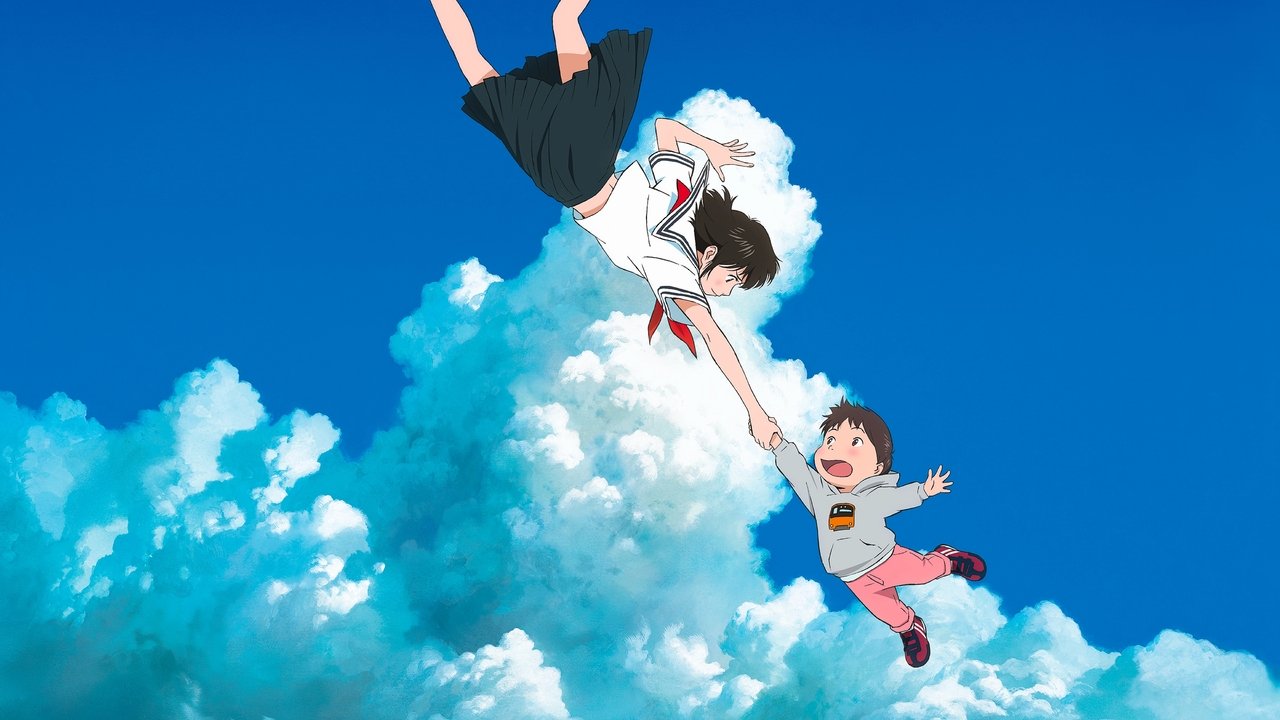
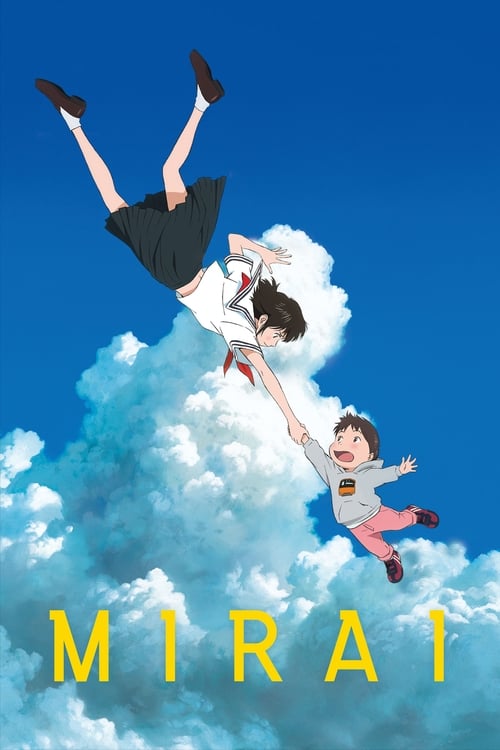
(2018)Unhappy after his new baby sister displaces him, four-year-old Kun begins meeting people and pets from his family's history in their unique house in order to help him become the big brother he was meant to be.
Mirai is a gentle but emotionally intense family fantasy about a young boy struggling with jealousy, fear, and his place in the family. Most concerns are mild, but the film’s imaginative time-bending fantasy, a few frightening images, and strong discussion themes around family, identity, and empathy make it a better fit for parents who want conversation afterward.
Start with the content rating, then use the Christian guidance rating to decide how much conversation your family may need.
Content Indicators

Reviewed 7 April 2026
Micah covers action, fantasy, and franchise releases, with close attention to violence, spiritual themes, and moral framing.
Mirai Christian Movie Review (2018)
Guidance: Talk Together
Mirai is a gentle but emotionally intense family fantasy about a young boy struggling with jealousy, fear, and his place in the family. Most concerns are mild, but the film’s imaginative time-bending fantasy, a few frightening images, and strong discussion themes around family, identity, and empathy make it a better fit for parents who want conversation afterward.
Why This Guidance Level
This film stays fairly light in surface content, with mild language, brief family bathing, and child-level aggression rather than heavy violence. The main reason for added discernment is the emotional and worldview layer: the story uses fantasy encounters across time and a few unsettling images to explore family identity, belonging, and personal growth. That can open meaningful conversations, but some children may find parts confusing or frightening, and Christian parents may want to talk through the film’s supernatural framework in light of hope and truth in Jesus Christ.
Faith & Worldview Perspective
Mirai strongly values family bonds, empathy, humility, and learning to see other people’s struggles. Those are real strengths, and parents may appreciate how the story exposes selfishness in a child’s heart without excusing it. At the same time, the film’s imaginative encounters with family members across time operate through a fantasy framework rather than a Christian understanding of reality, history, or spiritual hope. The story leans toward emotional insight and family connection as the path to peace; Christians may want to affirm those gifts while also pointing children to the deeper hope, identity, and reconciliation found in Jesus Christ. Parents may want to discuss the difference between imaginative storytelling and what Christians believe about life, time, and spiritual reality.
Truths Reflected
- Family members need patience, sacrifice, and love toward one another.
- A child’s selfishness and jealousy can hurt others and need correction.
Tensions to Discuss
- The film uses a supernatural fantasy framework for guidance and self-understanding that does not come from a Christian view of spiritual reality.
- Emotional healing is centered mainly in family connection and self-discovery, which may need discussion alongside Christian hope in Christ.
Content & Discernment Markers
Occult & Spiritual Content
- The story revolves around fantastical encounters with family members from the past and future, using time-bending and supernatural imagery to help the boy process his emotions. This is presented as imaginative fantasy rather than occult practice, but it still places guidance and insight inside a supernatural framework outside Christian teaching. Parents may want to discuss how fantasy differs from truth and where wisdom ultimately comes from.
Sexuality & Relationships
- There is brief nonsexual family bathing imagery, with partial nudity shown in a domestic context rather than for sensuality. For most families this will likely register as mild, though some parents may still want to be prepared for it.
Identity Themes
- The film centers on a young child asking where he fits in now that a new baby has changed family life. It encourages empathy and belonging through family history and relationships, which can be helpful, though the answers remain rooted mainly in personal and family connection rather than identity in Christ. Parents may want to discuss where our deepest identity comes from.
Violence & Intensity
- A jealous young boy acts out against his baby sister by pinching her cheeks, poking her, and hitting her with a toy train. These moments matter because they show real sinful anger in a child’s heart, even though the film treats them within a family drama rather than as severe violence. Parents may want to discuss repentance, self-control, and gentleness.
- Several scenes create fear rather than injury, including a frightening train station and train associated with ‘lost kids,’ along with moments where the mother appears demon-like from the child’s perspective. Younger or sensitive children may find these sequences upsetting.
- There is also brief peril tied to a bike fall and a wartime memory involving an injured leg. These moments are not graphic, but they add tension.
Language & Humour
- Language is mild and mostly comes from childish anger, including lines like “Witch” and “I don’t like you!” There is no standout profanity, but the harsh tone reflects the boy’s resentment toward family members.
Other Content Notes
- Parents are shown drinking beer with dinner in a brief, matter-of-fact way, without drunkenness or major emphasis.
- The emotional intensity can be significant for a family film because the story stays close to a small child’s fear, jealousy, and confusion. That may be more affecting than the actual content level suggests.
Notable Moments
- Sibling outburst: Kun’s jealousy over the new baby comes out in direct words and rough behavior, setting up the film’s central moral struggle.
“I don’t like you!”
- Lost kids train: A tense fantasy sequence places the child in a frightening train setting connected to being lost, which may unsettle younger viewers.
“lost kids.”
- Mother as monster: At points, the child’s fear and frustration are visualized through an exaggerated, frightening image of his mother.
Discussion Prompts
- Jealousy and selfishness: Why do you think Kun reacts so strongly when he no longer feels like the center of attention? What should we do when jealousy shows up in our hearts?
- Biblical guidance: Scripture warns against selfish ambition and calls us to humility and love for others.
- Scripture: James 3:16, Philippians 2:3-4
- Family love and patience: What does this story show about how hard family life can be? How can we love brothers, sisters, and parents when we feel frustrated?
- Biblical guidance: God calls families to patience, kindness, and bearing with one another in love.
- Scripture: Colossians 3:12-14, 1 Corinthians 13:4-5
- Identity and belonging: Kun wants to know where he fits in his family. Where does our deepest worth and identity come from?
- Biblical guidance: Family is a gift, but our truest identity is received from God and secured in Jesus Christ.
- Scripture: Psalm 139:13-14, Galatians 4:4-7
- Fantasy and truth: This movie uses magical and time-bending scenes to help tell its story. How is imaginative storytelling different from what Christians believe is really true about the world?
- Biblical guidance: Christians can recognize fiction as fiction while testing every message against God’s truth and the hope we have in Christ.
- Scripture: 1 Thessalonians 5:21, John 14:6
Common questions about Mirai
- What age is Mirai suitable for?
- Mirai suits children of about 8 and older in most families. That follows its official classification. It is rated PG in Australia, the US, New Zealand and the UK, and G in Canada. A jealous young boy acts out against his baby sister by pinching her cheeks, poking her, and hitting her with a toy train. Younger viewers may still enjoy it alongside a parent, and it raises worldview questions worth talking through afterwards.
- Is Mirai okay for a 6-year-old?
- Mirai is generally better suited to children of about 8 and up, so a 6-year-old may find parts of it a stretch. It is rated PG in Australia, the US, New Zealand and the UK, and G in Canada. A jealous young boy acts out against his baby sister by pinching her cheeks, poking her, and hitting her with a toy train. Families comfortable watching a little above the classification together may still be fine with it.
Age guidance is derived from this review's content findings and the film's official classifications. It is a starting point for your own judgement, not a rule.
Parent comments
Leave a comment on this review
Share a short note on Mirai, or help other parents with discernment.
Submit will ask you to sign in first.
Weekend family picks
Get the short family movie list before the weekend
Example newsletter: 3 movies to watch this weekend with your family, plus one question to ask after the credits.
Sample: 3 movies to watch this weekend with your family
One cinema pick, one streaming pick, one conversation-starter pick.
Related Articles
A few bigger-picture reads for parents who want more context than a single review page can hold.

How To Talk With Kids About Magic, Fate, And Spiritual Themes In Movies
Many family movies use magic, destiny, spirits, or cosmic balance to drive the story. This article helps Christian parents respond without overreacting, while still drawing clear lines back to biblical truth.
Read article
How To Talk With Kids About Dragon magic In Family Movies
A parent-friendly guide to discussing dragon magic in family movies through a Christian lens.
Read article
How To Talk With Kids About Mild fantasy peril In Family Movies
A parent-friendly guide to discussing mild fantasy peril in family movies through a Christian lens.
Read articleMore Reviews



Official regional ratings
Local ratings remain available for reference, but LionLens separates those classifications from Christian family discernment.
Review Method
How this review was prepared
LionLens reviews are written with subtitle and dialogue evidence where available, official regional ratings data, source research, and final human editorial review before publication.