Human Reviewed
Parent feedback
30 families found this review helpful
Christian Movie Review
Miraculous World: Tokyo, Stellar Force Christian Movie Review
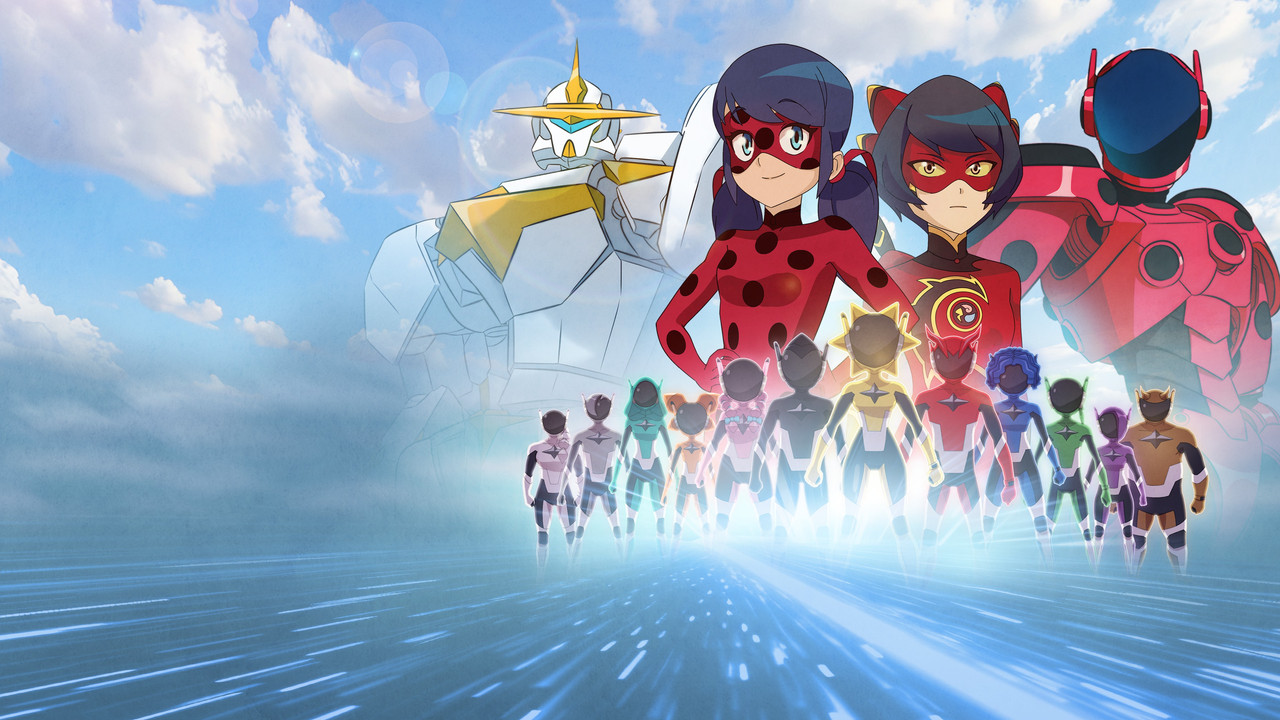
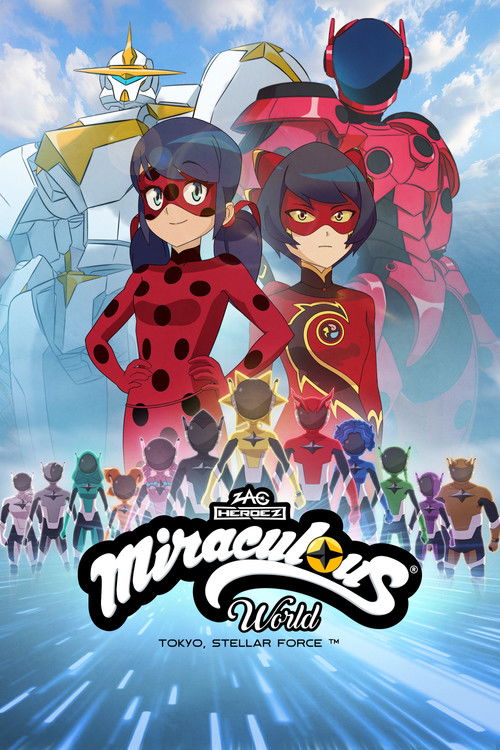
(2025)This animated Miraculous adventure sends Marinette and Kagami to Tokyo after a giant monster attack and introduces a divided Japanese superhero team. The story mixes long-distance romance, friendship tensions, superhero action, and Japanese festival and folklore elements.
Surface content stays in the family-adventure range, but the film carries enough fantasy spirituality, deception toward parents, and mixed messages about leadership and truth to merit a conversation afterward. Parents may especially want to talk about where real hope and wisdom come from in Jesus Christ rather than in magical power or ritual.
Use the content rating for what children will see and hear, and the Christian guidance rating for what the story may invite you to discuss.
Content Indicators

Reviewed 19 March 2026
Esther handles review quality, clarity, and the practical guidance families need after the credits roll.
Miraculous World: Tokyo, Stellar Force Christian Movie Review (2025)
Guidance: Talk Together
Surface content stays in the family-adventure range, but the film carries enough fantasy spirituality, deception toward parents, and mixed messages about leadership and truth to merit a conversation afterward. Parents may especially want to talk about where real hope and wisdom come from in Jesus Christ rather than in magical power or ritual.
Why This Guidance Level
This lands in the middle guidance range because the movie’s surface content is mild for a family superhero adventure, but its fantasy spirituality, folklore language, magical summonings, and casual deception toward parents create worthwhile discussion points. Many families will not be most concerned by what is shown so much as by what the story treats as normal or admirable.
Faith & Worldview Perspective
The film values courage, friendship, sacrifice, and protecting others, which can reflect real moral good. At the same time, it places power and problem-solving inside a fantasy world of magical transformations, summonings, and folklore creatures, and it treats dishonesty toward parents as a convenient shortcut rather than a serious wrong. Christian families may want to discuss how truthfulness honors God, and how Jesus Christ is our source of wisdom, rescue, and hope rather than mystical power or ritual.
Truths Reflected
- Protecting others and serving people in danger is treated as a real good.
- Friendship and reconciliation matter, even when relationships are strained.
Tensions to Discuss
- Magical powers, invocation language, and folklore spirituality can blur the line between imaginative fantasy and spiritual ideas Christians would not want children to treat as a source of real power.
- A main character leaves for Tokyo first and asks her parents afterward, which may conflict with a biblical view of honesty and honoring father and mother; parents may want to discuss why truth matters.
Content & Discernment Markers
Occult & Spiritual Content
- Fantasy power language is woven into the story through lines like “Wind Dragon!” and “Storm Subsides,” and the Tokyo team argues about taking part in “the invocation” and “the Ultimate Summoning.” This is framed as superhero fantasy, but it still centers power in mystical practices rather than in God. Parents may want to discuss the difference between make-believe powers and the Christian hope we have in Jesus Christ.
- Japanese folklore is presented warmly through festival talk about “fantastical creatures like yokai” and the legend of lovers separated by distance. The tone is cultural and story-driven, not horror-focused, but it still introduces spiritualized folklore categories families may want to explain carefully.
Sexuality & Relationships
- Romantic attachment is a recurring thread, with direct lines such as “I love you, Kagami” and “I miss you so much, Adrien.” The material stays innocent and emotional, focused on longing and connection rather than sexual behavior.
- The story includes boyfriend-girlfriend language and emotional dependence in long-distance relationships. That may be worth discussing with younger viewers who are still learning the difference between affection, commitment, and wise emotional boundaries.
Identity Themes
- The film touches identity through friendship history, belonging, and team roles, especially when Kagami’s past with the Tokyo heroes comes up and the group debates whether it needs a leader. The emphasis is more on social belonging than on ideology, but parents may want to discuss identity rooted in Christ rather than in peer approval or team status.
Violence & Intensity
- A news report says, “A giant monster destroyed Tokyo’s city hall in Japan,” though heroes stop it before more damage is done. The threat is serious in premise but still presented in animated superhero style.
- Characters argue during crisis moments about how to defeat the monster faster and protect civilians, including lines like “We have to protect the people!” and “The faster we beat the bad guy, the sooner people will be out of harm’s way.” The focus is rescue and strategy more than graphic harm.
Language & Humour
- Language is mostly mild, but there are put-downs and insults such as “you stupid…” and “You’re no use to me at all.” The tone fits animated bickering rather than harsh profanity.
- Some humor leans on ridicule, including the joke name “The Super Rainbow Cockroaches!” and the incredulous response “Cockroaches?” It is silly rather than crude, but it adds to the teasing tone.
Other Content Notes
- Marinette asks her parents for permission to go to Tokyo only after she has already left: “Well, actually, um… I already have?” The moment is played lightly and resolved quickly, but Christian families may want to discuss honesty, trust, and honoring parents.
- The film includes warm cultural details about Tokyo, food, language, and hospitality, including removing shoes at the door and sharing a meal. These moments can be a positive opening for talking about respect, gratitude, and loving people from different cultures.
Notable Moments
- Permission after leaving: Marinette contacts her parents to ask permission for a Tokyo trip only after she is already gone, and the scene treats it as a comic rush decision.
“Well, actually, um… I already have?”
- Monster attack setup: The story’s central danger is introduced through a report about major destruction in Tokyo and the need for superhero help.
“A giant monster destroyed Tokyo’s city hall in Japan, but fortunately, a new hero team whose name remains unknown managed to stop it before it could do any more damage.”
- Summoning conflict: The Tokyo team debates whether everyone should participate in a supernatural-style group action to defeat the monster.
“If we all take part in the Ultimate Summoning, who will protect the people?”
- Folklore festival: A traditional festival is explained with references to yokai and a legend about separated lovers, adding a spiritual-folklore layer to the setting.
“In Japan, we have a very rich folklore filled with fantastical creatures like yokai for example.”
Discussion Prompts
- Honesty and honoring parents: Was it right for Marinette to leave first and ask permission later? Why does God care about truth even when we feel rushed?
- Biblical guidance: Scripture calls children to honor parents and all believers to put away falsehood and speak truth.
- Scripture: Exodus 20:12, Ephesians 6:1-3, Ephesians 4:25
- Power, magic, and true spiritual hope: How is the movie’s use of summonings and magical powers different from where Christians look for help and hope?
- Biblical guidance: Christians do not seek spiritual power through mystical practices; our help and salvation are found in the Lord and our hope is in Jesus Christ.
- Scripture: Deuteronomy 18:10-12, Psalm 121:1-2, Colossians 2:8
- Leadership, teamwork, and serving others: What kind of leader does the film admire, and how is that similar to or different from Jesus’ way of leading?
- Biblical guidance: Jesus teaches that leadership is not about pride or control but humble service for the good of others.
- Scripture: Mark 10:42-45, Philippians 2:3-4
- Love, longing, and wise relationships: What does the movie say love feels like, and how does God’s Word teach us to think about love with wisdom and patience?
- Biblical guidance: Biblical love is more than strong feelings; it is patient, truthful, and shaped by self-giving care.
- Scripture: 1 Corinthians 13:4-7, Proverbs 4:23
Common questions about Miraculous World: Tokyo, Stellar Force
- What age is Miraculous World: Tokyo, Stellar Force suitable for?
- Miraculous World: Tokyo, Stellar Force suits children of about 6 and older in most families. The main reason is violence and peril. A news report says, "A giant monster destroyed Tokyo's city hall in Japan," though heroes stop it before more damage is done. Younger viewers may still enjoy it alongside a parent, and it raises worldview questions worth talking through afterwards.
- Is Miraculous World: Tokyo, Stellar Force okay for a 4-year-old?
- Miraculous World: Tokyo, Stellar Force is generally better suited to children of about 6 and up, so a 4-year-old may find parts of it a stretch. A news report says, "A giant monster destroyed Tokyo's city hall in Japan," though heroes stop it before more damage is done. Families whose children handle violence and peril well may still be comfortable watching together.
Age guidance is derived from this review's content findings and the film's official classifications. It is a starting point for your own judgement, not a rule.
Parent comments
Leave a comment on this review
Share a short note on Miraculous World: Tokyo, Stellar Force, or help other parents with discernment.
Submit will ask you to sign in first.
Weekend family picks
Get the short family movie list before the weekend
Example newsletter: 3 movies to watch this weekend with your family, plus one question to ask after the credits.
Sample: 3 movies to watch this weekend with your family
One cinema pick, one streaming pick, one conversation-starter pick.
Related Articles
A few bigger-picture reads for parents who want more context than a single review page can hold.
Animal Farm And Talking With Kids About Power, Truth, And Sin
Animal Farm can help older children see how slogans, fear, and corrupted authority distort truth, but parents should frame the story with a biblical view of sin.
Read article
Disney And Pixar Films For Christian Families: Why They Still Need Discernment
Disney and Pixar films often feel safer than they really are. This guide helps Christian parents notice the spiritual assumptions, emotional messages, and identity themes that can slip past a quick first impression.
Read article
5 Things To Notice In Kids Movies Before The Message Lands
A child can absorb a movie long before they can explain it. These five checkpoints help Christian parents notice what a film is training the heart to love, fear, excuse, or trust.
Read articleMore Reviews




Review Method
How this review was prepared
LionLens reviews are written with subtitle and dialogue evidence where available, official regional ratings data, source research, and final human editorial review before publication.