Human Reviewed
Parent feedback
68 families found this review helpful
Christian Movie Review
Minions Christian Movie Review
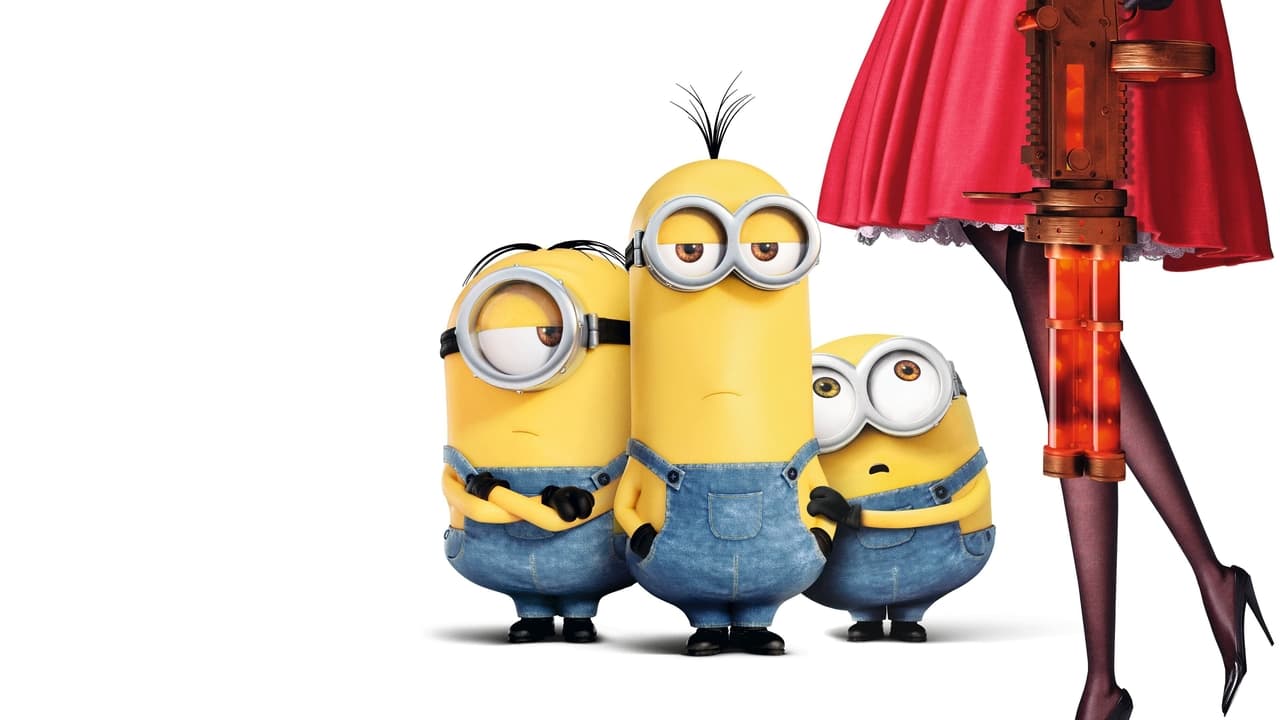
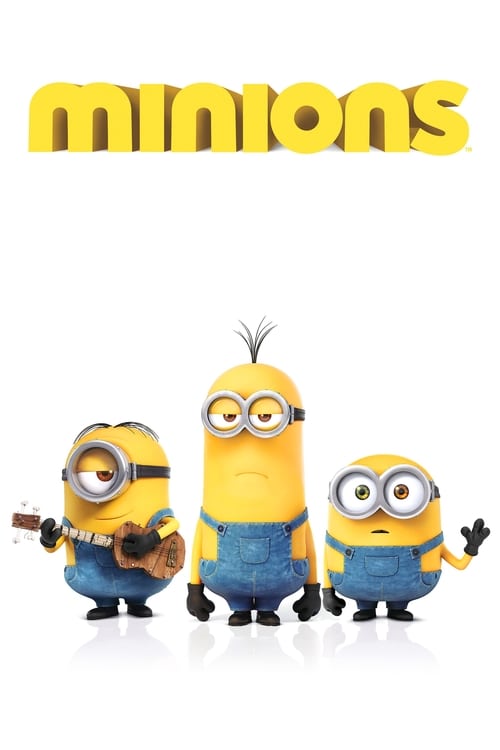
(2015)This animated prequel follows Kevin, Stuart, and Bob as they leave their hidden community and head into the wider world to find a new master to serve. The story leans on fast-paced slapstick, silly misunderstandings, and a villain-centered adventure.
Surface content is generally light for a family comedy, with mild comic violence and a little rude language. The bigger issue for Christian families is the film’s playful celebration of serving the “most despicable master,” which can be worth discussing even though the tone stays goofy.
The content rating reflects what children will see and hear, while the Christian guidance rating reflects what the story celebrates and what may need conversation.
Content Indicators

Reviewed 7 January 2026
Esther handles review quality, clarity, and the practical guidance families need after the credits roll.
Minions Christian Movie Review (2015)
Guidance: Talk Together
Surface content is generally light for a family comedy, with mild comic violence and a little rude language. The bigger issue for Christian families is the film’s playful celebration of serving the “most despicable master,” which can be worth discussing even though the tone stays goofy.
Why This Guidance Level
This lands in the middle guidance range because the movie’s surface content is light, but its central joke is that the Minions long to serve evil. That does not make the film spiritually heavy, yet it does give parents a clear opportunity to talk about purpose, loyalty, and why Christian hope in Christ is different from living to please the wrong master.
Faith & Worldview Perspective
Minions is cheerful and silly, but its core premise is that these characters feel empty without a master and go searching for the “biggest baddest villain” to give them purpose. The film reflects real longings for belonging, mission, and friendship, yet it attaches those longings to serving evil for comic effect. Christian families may want to discuss how Scripture teaches that people are made to serve God, not wickedness, and that true purpose is found in Jesus Christ rather than in power, popularity, or destructive leaders.
Truths Reflected
- People do long for purpose, belonging, and a mission bigger than themselves.
- Friendship, loyalty, and courage can help people persevere through uncertainty.
Tensions to Discuss
- The film treats devotion to evil masters as funny and exciting, which may conflict with a biblical view because sin is not harmless entertainment.
- It suggests purpose comes from attaching yourself to a powerful leader, while Christian hope teaches that identity and purpose are rightly grounded in God through Jesus Christ.
Content & Discernment Markers
Occult & Spiritual Content
- Occult material does not stand out here. The spiritual concern is moral rather than mystical: the story centers on finding and serving evil masters, not on magic or spiritual practice.
Sexuality & Relationships
- Sexual content is not a major feature of the film. The humor is mostly broad and childish rather than romantic or sensual.
Identity Themes
- A major theme is that the Minions feel “empty inside” and believe “Without a master, they had no purpose.” That creates a useful conversation about where identity comes from and why children should not look to the wrong people for meaning. Parents may want to discuss how our deepest purpose is found in God, not in pleasing a crowd or a powerful leader.
Violence & Intensity
- Violence is mostly slapstick and comic. The opening montage includes pratfalls, impacts, and cries like “Ow. Ow. Owww,” with harm played for laughs rather than realism.
- The villain-centered adventure includes danger, destructive gadgets, and peril, but the tone stays exaggerated and cartoonish rather than graphic. For most families, this fits the normal range of animated action.
Language & Humour
- Language is mild. The clearest insult in the early narration is “He’s an idiot,” and the humor leans more on nonsense talk and goofy banter than on profanity.
Other Content Notes
- The film repeatedly frames villainy as exciting and desirable. Early narration says the Minions exist “To serve the most despicable master they could find,” and later they set out to find the “biggest baddest villain.” Christian parents may want to discuss why evil can look fun in stories but still leads away from what is good and true.
- There is a darkly comic line about humans being “so-so delicious.” It is played as absurd humor, but some younger children may find that joke odd or unsettling.
Notable Moments
- Purpose without a master: The film states directly that the Minions feel empty and purposeless when they are not serving someone, which drives the whole plot.
“Without a master, they had no purpose.”
- Villainy as a goal: The opening premise defines the Minions by their desire to serve evil leaders, setting the moral tone of the comedy.
“To serve the most despicable master they could find.”
- Comic harm montage: The early historical montage uses repeated bumps and injuries for laughs.
“Ow. Ow. Owww.”
- Dark joke about humans: A brief line turns human vulnerability into a silly but dark food joke.
“Poor man. So trusting, so fragile, so-so delicious.”
Discussion Prompts
- Purpose and identity: The Minions think they need a master to have purpose. Where does God say our purpose and identity should come from?
- Biblical guidance: Scripture teaches that we are created by God and for God, not to give ourselves to the wrong master. In Christ, our purpose is rooted in belonging to Him.
- Scripture: Colossians 1:16, Ephesians 2:10, Romans 6:16
- When evil looks funny: Why do you think the movie makes villainy look exciting or silly? How can something funny still point us toward the wrong thing?
- Biblical guidance: The Bible warns against celebrating evil and calls believers to love what is good and hate what is evil.
- Scripture: Romans 12:9, Isaiah 5:20, Philippians 4:8
- Loyalty and friendship: The Minions are loyal to each other, but they also want to be loyal to bad leaders. What makes loyalty good or bad?
- Biblical guidance: Loyalty is a gift when it is directed toward truth, love, and obedience to God. Jesus Christ calls His followers to faithfulness shaped by righteousness, not by wrongdoing.
- Scripture: Micah 6:8, John 14:15, 1 Corinthians 15:33
- Hope in the right leader: What kind of leader is worth following, and how is Jesus different from the masters the Minions look for?
- Biblical guidance: Earthly power can be selfish or destructive, but Jesus is the good Shepherd who leads with truth, sacrifice, and life.
- Scripture: John 10:11, Mark 10:42-45, Psalm 23:1
Common questions about Minions
- What age is Minions suitable for?
- Minions suits children of about 8 and older in most families. That follows its official classification. It is rated PG in Australia, the US and New Zealand, and U in the UK. Violence is mostly slapstick and comic. Younger viewers may still enjoy it alongside a parent, and it raises worldview questions worth talking through afterwards.
- Is Minions okay for a 6-year-old?
- Minions is generally better suited to children of about 8 and up, so a 6-year-old may find parts of it a stretch. It is rated PG in Australia, the US and New Zealand, and U in the UK. Violence is mostly slapstick and comic. Families comfortable watching a little above the classification together may still be fine with it.
Age guidance is derived from this review's content findings and the film's official classifications. It is a starting point for your own judgement, not a rule.
Parent comments
Leave a comment on this review
Share a short note on Minions, or help other parents with discernment.
Submit will ask you to sign in first.
Weekend family picks
Get the short family movie list before the weekend
Example newsletter: 3 movies to watch this weekend with your family, plus one question to ask after the credits.
Sample: 3 movies to watch this weekend with your family
One cinema pick, one streaming pick, one conversation-starter pick.
Related Articles
A few bigger-picture reads for parents who want more context than a single review page can hold.
Animal Farm And Talking With Kids About Power, Truth, And Sin
Animal Farm can help older children see how slogans, fear, and corrupted authority distort truth, but parents should frame the story with a biblical view of sin.
Read article
5 Things To Notice In Kids Movies Before The Message Lands
A child can absorb a movie long before they can explain it. These five checkpoints help Christian parents notice what a film is training the heart to love, fear, excuse, or trust.
Read article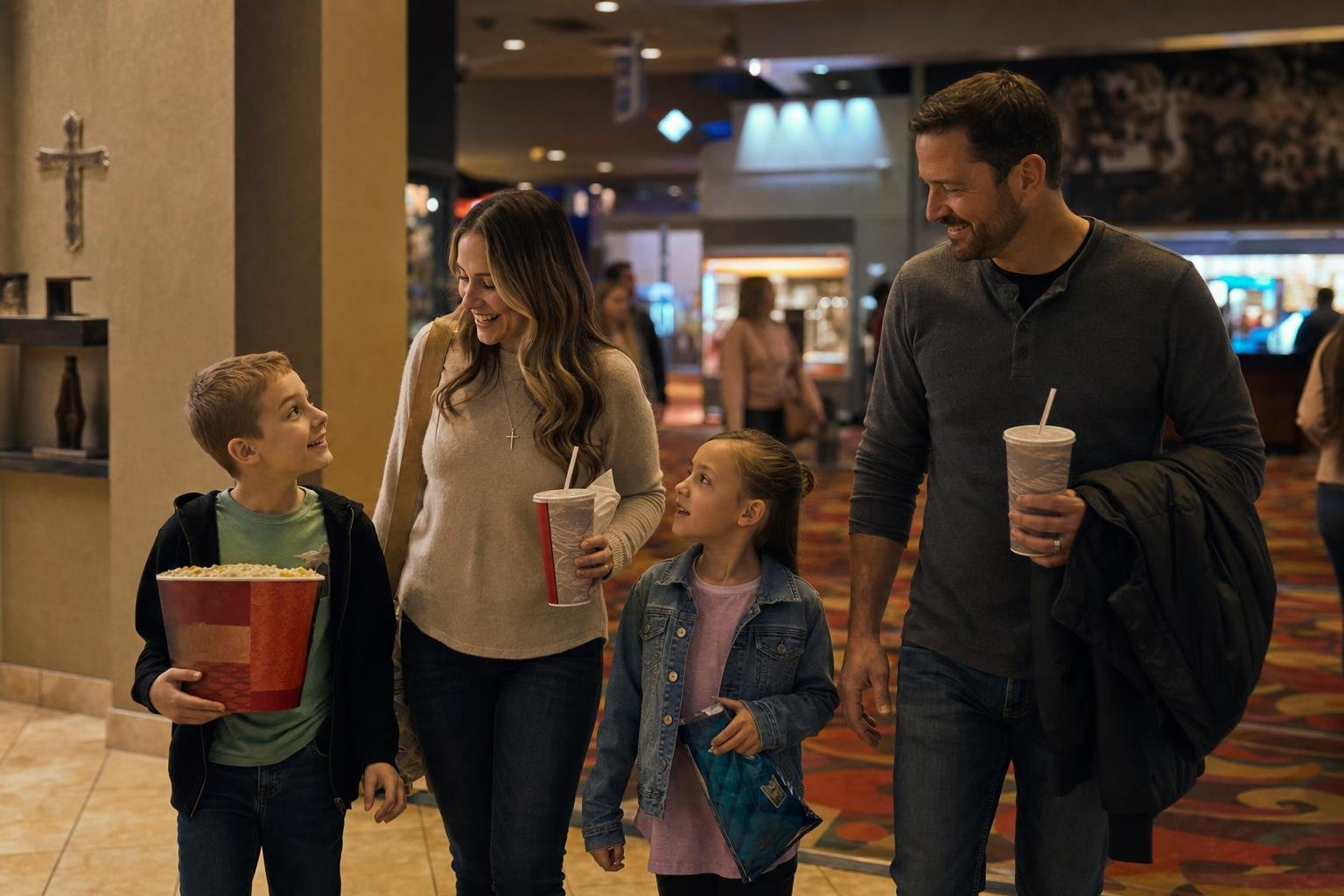
3 Family Movies To Watch With The Kids This Weekend
Three family movie options with quick Christian discernment notes, review links, and simple conversation prompts for parents.
Read articleMore Reviews


Official regional ratings
Local ratings remain available for reference, but LionLens separates those classifications from Christian family discernment.
Review Method
How this review was prepared
LionLens reviews are written with subtitle and dialogue evidence where available, official regional ratings data, source research, and final human editorial review before publication.