Human Reviewed
Parent feedback
24 families found this review helpful
Christian Movie Review
Megamind Christian Movie Review
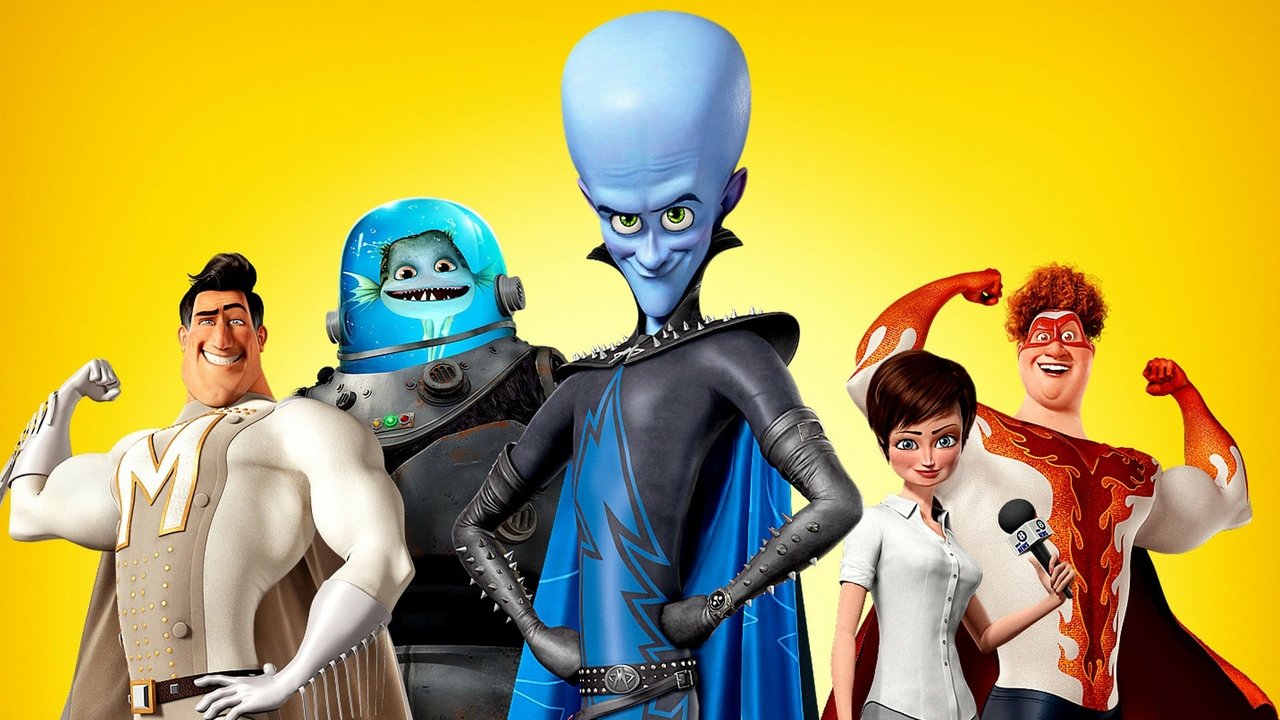
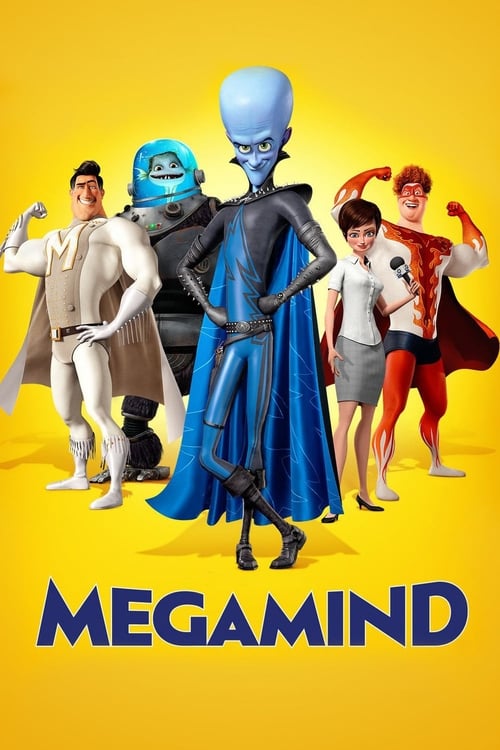
(2010)Megamind is an animated superhero comedy that flips the usual hero-villain setup by following a longtime supervillain after he finally defeats his rival. The story mixes action, comedy, and identity questions as he tries to figure out who he is without the role he has always played.
Surface content stays in the family-PG range, with comic peril, mild insults, and a little coarse language. The bigger discernment issue is the film’s message about identity, destiny, and whether people are defined by labels or can truly change.
Use the content rating for what children will hear and see, and the Christian guidance rating for what the story may lead you to discuss.
Content Indicators

Reviewed 21 November 2025
Rachel focuses on animated films, family viewing habits, and helping parents spot worldview themes quickly.
Megamind Christian Movie Review (2010)
Guidance: Talk Together
Surface content stays in the family-PG range, with comic peril, mild insults, and a little coarse language. The bigger discernment issue is the film’s message about identity, destiny, and whether people are defined by labels or can truly change.
Why This Guidance Level
Megamind stays fairly light in surface content, but it gives families more to talk through than a simple action comedy. The main reason for this guidance level is the film’s repeated focus on destiny, labels, rivalry, and self-made identity, alongside a meaningful but incomplete picture of redemption.
Faith & Worldview Perspective
The story rightly recognizes that people are not locked forever into the worst thing they have done, and that chosen actions matter. It also shows how ridicule, praise, and public labels can shape a person’s sense of self. Where the film is thinner is in its moral foundation: change is treated mainly as personal choice and role reversal, not as reconciliation to truth or hope in Jesus Christ. Parents may want to discuss the difference between reinventing yourself and being truly transformed by Christ.
Truths Reflected
- A person should not be defined only by past failure or by the labels others give.
- Choices have moral weight, and selfish ambition harms both self and others.
Tensions to Discuss
- The film leans toward identity as self-definition and social role rather than identity grounded in being made by God.
- Redemption is presented as behavioral change and personal decision, which may need discussion because Christian hope centers on repentance and new life in Jesus Christ.
Content & Discernment Markers
Occult & Spiritual Content
- Occult material does not stand out here. The film uses comic sci-fi inventions and superhero fantasy rather than spells, spiritual rituals, or supernatural teaching.
Sexuality & Relationships
- Romantic content is light and mostly comedic. There is flirtation around Roxanne, and Hal awkwardly blurts out, “Hey, I love you. Whatever. But I’m not saying like I’m in love with you,” which plays as uncomfortable humor rather than mature romance.
Identity Themes
- Identity is one of the film’s central ideas. Megamind says he was “the odd man out, the last one picked, the screw-up, the black sheep,” then embraces the role of villain because “Being bad is the one thing I’m good at.” This matters for Christian families because the story shows how shame and labels can become a false identity. Parents may want to discuss where our truest identity comes from.
- The movie also pushes against fixed labels when a prison authority tells him, “You’re a villain, and you’ll always be a villain.” That line sets up a useful conversation about whether people can really change, and how Christian hope answers that in Christ.
Violence & Intensity
- Animated action includes comic peril, falls, fights, explosions, and repeated hero-versus-villain battles. The opening includes, “I’m falling to my death,” but the tone stays exaggerated and humorous rather than graphic.
- Kidnapping and threat are part of the superhero spoof setup, especially around Roxanne being targeted by villains. This is a recurring plot device, though it is handled in a broad, comedic style rather than with intense realism.
Language & Humour
- Language is mild but noticeable for younger viewers. It includes insults such as “freak,” “weirdo,” “screw-up,” and “black sheep,” along with “butt” and the phrase “un-freaking-believable.” Much of it is tied to school bullying, banter, or comic frustration.
Other Content Notes
- The film satirizes celebrity culture and public hero worship, with a city celebration built around Metro Man and exaggerated praise like, “His heart is an ocean that’s inside a bigger ocean.” This can open a helpful talk about admiration, idolatry, and giving ultimate praise to God alone.
Notable Moments
- Falling opening gag: The film opens with Megamind narrating a crisis while dropping through the air, setting the comic-peril tone.
“I’m falling to my death.”
- Bullying shapes identity: A childhood sequence shows rejection and name-calling feeding Megamind’s embrace of the villain role.
“Freak! Weirdo!”
- Fixed-label challenge: A direct statement that he can never change becomes one of the story’s key moral tensions.
“You’re a villain, and you’ll always be a villain.”
- Awkward love confession: Hal’s rambling confession is played for cringe comedy and mild romantic tension.
“Hey, I love you. Whatever. But I’m not saying like I’m in love with you.”
Discussion Prompts
- Identity and labels: When Megamind starts believing he is just “the bad boy,” how does that shape his choices? What labels do people sometimes believe about themselves that are not true?
- Biblical guidance: Scripture teaches that our deepest identity is not set by insults, popularity, or failure, but by the God who made us. In Christ, people are not trapped by old names.
- Scripture: Genesis 1:27, 2 Corinthians 5:17, 1 Peter 2:9-10
- Can people really change?: Why do you think the line “You’ll always be a villain” matters so much in the story? What is the difference between acting different for a while and being truly changed?
- Biblical guidance: The gospel offers more than image management or self-reinvention. Jesus Christ changes hearts and calls people to repentance, forgiveness, and new life.
- Scripture: Ezekiel 36:26, Luke 19:8-10, Romans 12:2
- Good, evil, and responsibility: Does being mistreated excuse Megamind’s bad choices? How should we respond when we are hurt or left out?
- Biblical guidance: Being wounded by others is real, but Scripture still calls us to reject evil and pursue what is right. Our pain does not remove our responsibility before God.
- Scripture: Romans 12:17-21, 1 Peter 3:9, Micah 6:8
- Praise, fame, and idolatry: What does the movie show about how people treat Metro Man like a celebrity? When can admiration become a kind of idol?
- Biblical guidance: People often give glory to human strength, beauty, or fame, but Christians are called to reserve worship and ultimate trust for God alone.
- Scripture: Exodus 20:3, Psalm 115:1, Colossians 3:17
Common questions about Megamind
- What age is Megamind suitable for?
- Megamind suits children of about 8 and older in most families. That follows its official classification. It is rated PG in Australia, the US, New Zealand, the UK and Canada. Animated action includes comic peril, falls, fights, explosions, and repeated hero-versus-villain battles.
- Is Megamind okay for a 6-year-old?
- Megamind is generally better suited to children of about 8 and up, so a 6-year-old may find parts of it a stretch. It is rated PG in Australia, the US, New Zealand, the UK and Canada. Animated action includes comic peril, falls, fights, explosions, and repeated hero-versus-villain battles. Families comfortable watching a little above the classification together may still be fine with it.
Age guidance is derived from this review's content findings and the film's official classifications. It is a starting point for your own judgement, not a rule.
Parent comments
Leave a comment on this review
Share a short note on Megamind, or help other parents with discernment.
Submit will ask you to sign in first.
Weekend family picks
Get the short family movie list before the weekend
Example newsletter: 3 movies to watch this weekend with your family, plus one question to ask after the credits.
Sample: 3 movies to watch this weekend with your family
One cinema pick, one streaming pick, one conversation-starter pick.
Related Articles
A few bigger-picture reads for parents who want more context than a single review page can hold.
Animal Farm And Talking With Kids About Power, Truth, And Sin
Animal Farm can help older children see how slogans, fear, and corrupted authority distort truth, but parents should frame the story with a biblical view of sin.
Read article
5 Things To Notice In Kids Movies Before The Message Lands
A child can absorb a movie long before they can explain it. These five checkpoints help Christian parents notice what a film is training the heart to love, fear, excuse, or trust.
Read article
How To Talk With Kids About Magic, Fate, And Spiritual Themes In Movies
Many family movies use magic, destiny, spirits, or cosmic balance to drive the story. This article helps Christian parents respond without overreacting, while still drawing clear lines back to biblical truth.
Read articleMore Reviews



Official regional ratings
Local ratings remain available for reference, but LionLens separates those classifications from Christian family discernment.
Review Method
How this review was prepared
LionLens reviews are written with subtitle and dialogue evidence where available, official regional ratings data, source research, and final human editorial review before publication.