Human Reviewed
Parent feedback
68 families found this review helpful
Christian Movie Review
Matilda Christian Movie Review
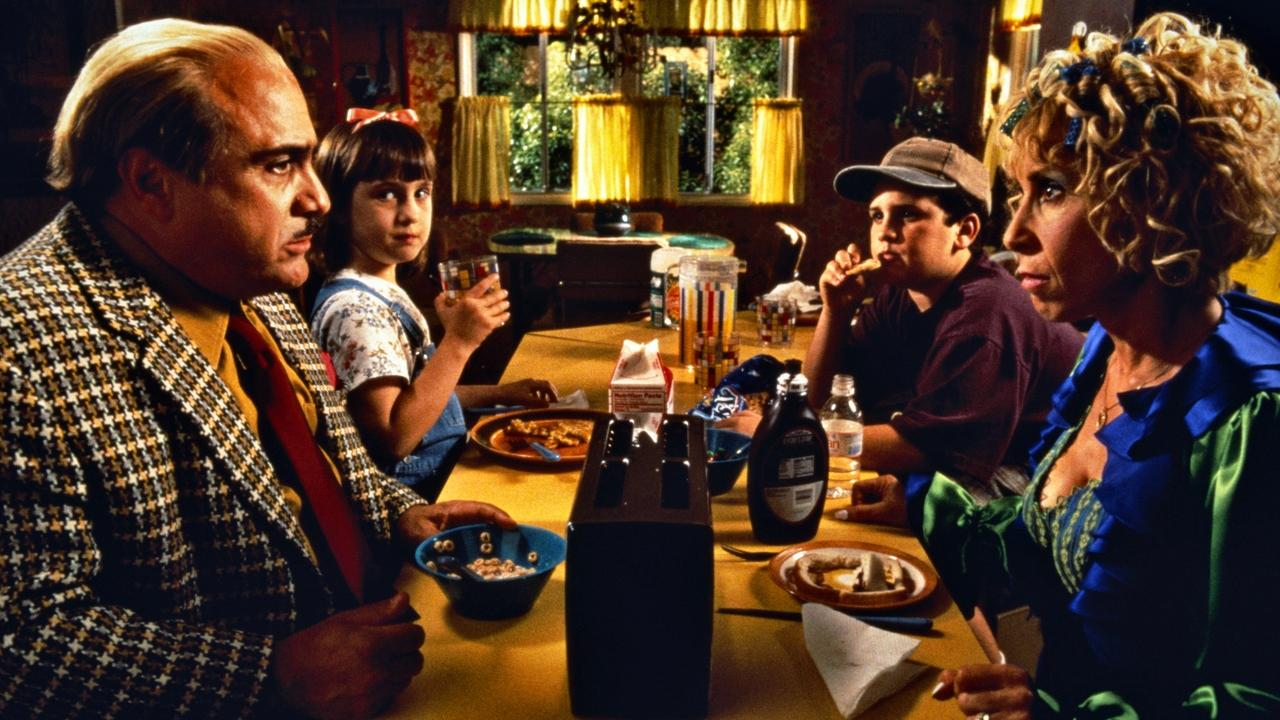
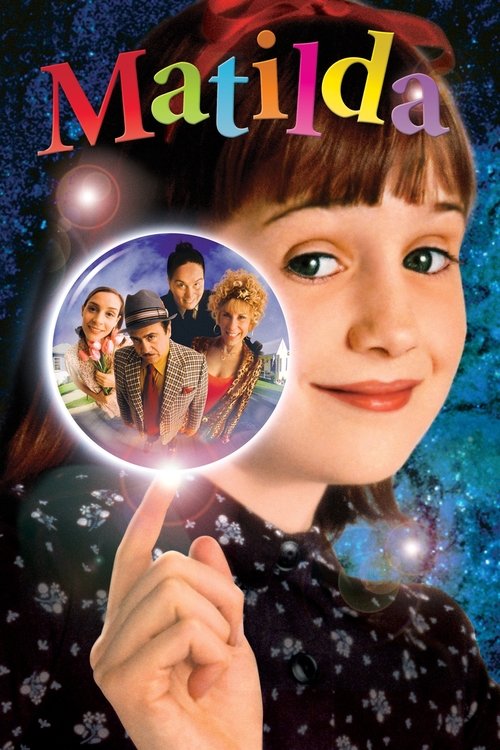
(1996)Matilda is a darkly comic family fantasy about a brilliant young girl who is neglected at home and mistreated at school. As she discovers unusual powers, she begins pushing back against cruel adults and protecting those who are weaker.
This is a clever, memorable family film, but its child-focused humor sits alongside bullying, frightening authority figures, and fantasy powers used to solve real problems. Many families will mainly want to weigh the intensity and talk through how justice, authority, and power are handled.
Use the content rating for surface issues and the Christian guidance rating for the film’s deeper messages and discussion needs.
Content Indicators

Reviewed 17 January 2026
Rachel focuses on animated films, family viewing habits, and helping parents spot worldview themes quickly.
Matilda Christian Movie Review (1996)
Guidance: Talk Together
This is a clever, memorable family film, but its child-focused humor sits alongside bullying, frightening authority figures, and fantasy powers used to solve real problems. Many families will mainly want to weigh the intensity and talk through how justice, authority, and power are handled.
Why This Guidance Level
This lands in the middle range because the surface content is still within family-movie territory, but the bullying, scary authority figure, and fantasy use of supernatural power give parents real material to talk through. The strongest concern is worldview rather than explicit content.
Faith & Worldview Perspective
Matilda strongly affirms that cruelty is wrong, vulnerable people matter, and courage can confront injustice. Those are meaningful truths. At the same time, the story presents telekinetic power as the key tool for setting things right, and its comic retribution can blur the line between justice and payback. Parents may want to discuss how Christians resist evil through truth, courage, prayer, wise action, and hope in Jesus Christ rather than through fantasy power or personal vengeance.
Truths Reflected
- Cruelty toward children is evil and should not be ignored.
- Using gifts to help the weak reflects care for others.
Tensions to Discuss
- The film treats supernatural power outside any Christian frame as a satisfying answer to oppression.
- Its revenge-tinged justice can need discussion about mercy, authority, and leaving vengeance to God.
Content & Discernment Markers
Occult & Spiritual Content
- Matilda develops telekinetic abilities and uses them to confront abusive adults and change her circumstances. The film treats this supernatural power as empowering and exciting rather than spiritually dangerous. Parents may want to discuss the difference between fantasy powers and the Christian hope and wisdom found in Jesus Christ.
Sexuality & Relationships
- Sexual content is not a meaningful part of the film. Relationships are framed around family neglect, care, and protection rather than romance.
Identity Themes
- The story centers on a gifted child whose worth is ignored by foolish, selfish adults. That can open a healthy conversation about finding identity in being known and loved, not merely in intelligence or special ability.
Violence & Intensity
- The film includes cartoonish but harsh bullying by a terrifying headmistress. Children are physically humiliated and threatened, including a girl being swung by her pigtails, a boy hurled “like a javelin,” and students being sent to “the chokey,” a dark punishment closet lined with nails and broken glass. These scenes matter for Christian families because the tone is comic, but the cruelty can still be upsetting for younger children.
- One memorable punishment scene forces a boy to eat an enormous chocolate cake in front of the school, ending with the principal smashing the cake plate on his head. The moment is played broadly, yet it still models public humiliation by an adult in authority. Parents may want to discuss how godly authority protects rather than terrorizes.
- There is also a reference to suicide. It is not the film’s focus, but some families may want to be aware of it.
Language & Humour
- Language is mild overall, with “hell” and “oh my God” used as exclamations. The movie also uses comic insult-style phrases such as “dog slime!” in place of stronger profanity.
Other Content Notes
- Adults occasionally drink beer. The larger nonviolent concern is the film’s repeated pattern of parental neglect and mean-spirited adult behavior toward children.
Notable Moments
- The chokey: A feared school punishment is described as “the chokey,” a dark closet lined with nails and broken glass, reinforcing the headmistress’s cruelty.
“the chokey,”
- Mild profanity: A brief use of mild profanity appears in otherwise family-level dialogue.
“hell,”
- Religious exclamation: A casual use of God’s name appears as an exclamation.
“oh my God”
- Work and planning: The film includes a line that values effort and preparation rather than raw talent alone.
“most ideas come from hard work and careful planning.”
Discussion Prompts
- Responding to cruelty and injustice: When someone in authority is cruel, what is the difference between brave action and personal revenge?
- Biblical guidance: Scripture calls us to defend the vulnerable while refusing to repay evil for evil.
- Scripture: Romans 12:17-21, Micah 6:8
- Where our help comes from: Matilda uses special powers to solve problems. As Christians, where do we turn when life feels unfair or frightening?
- Biblical guidance: Our deepest help is not hidden power in ourselves but the Lord’s wisdom, strength, and hope in Jesus Christ.
- Scripture: Psalm 121:1-2, Philippians 4:13
- Authority and care: What should good authority look like at home, school, or church?
- Biblical guidance: Biblical authority is meant to protect, nurture, and serve, not humiliate or dominate.
- Scripture: Ephesians 6:4, Mark 10:42-45
- Identity and giftedness: Is Matilda valuable because she is unusually smart and powerful, or because she has worth as a person?
- Biblical guidance: Children are precious because they are made by God, and gifts should be used in love rather than as the source of identity.
- Scripture: Psalm 139:13-14, 1 Corinthians 13:1-2
Common questions about Matilda
- What age is Matilda suitable for?
- Matilda suits children of about 8 and older in most families. That follows its official classification. It is rated PG in the US, New Zealand, the UK and Canada, and G in Australia. The film includes cartoonish but harsh bullying by a terrifying headmistress. Younger viewers may still enjoy it alongside a parent, and it raises worldview questions worth talking through afterwards.
- Is Matilda okay for a 6-year-old?
- Matilda is generally better suited to children of about 8 and up, so a 6-year-old may find parts of it a stretch. It is rated PG in the US, New Zealand, the UK and Canada, and G in Australia. The film includes cartoonish but harsh bullying by a terrifying headmistress. Families comfortable watching a little above the classification together may still be fine with it.
Age guidance is derived from this review's content findings and the film's official classifications. It is a starting point for your own judgement, not a rule.
Parent comments
Leave a comment on this review
Share a short note on Matilda, or help other parents with discernment.
Submit will ask you to sign in first.
Weekend family picks
Get the short family movie list before the weekend
Example newsletter: 3 movies to watch this weekend with your family, plus one question to ask after the credits.
Sample: 3 movies to watch this weekend with your family
One cinema pick, one streaming pick, one conversation-starter pick.
Related Articles
A few bigger-picture reads for parents who want more context than a single review page can hold.

How To Talk With Kids About Magic, Fate, And Spiritual Themes In Movies
Many family movies use magic, destiny, spirits, or cosmic balance to drive the story. This article helps Christian parents respond without overreacting, while still drawing clear lines back to biblical truth.
Read article
What Christian Parents Can Discuss After Ruby Gillman, Teenage Kraken
A practical post-movie conversation guide for Christian parents after watching Ruby Gillman, Teenage Kraken.
Read article
Animal Farm And Talking With Kids About Power, Truth, And Sin
Animal Farm can help older children see how slogans, fear, and corrupted authority distort truth, but parents should frame the story with a biblical view of sin.
Read articleMore Reviews


Official regional ratings
Local ratings remain available for reference, but LionLens separates those classifications from Christian family discernment.
Review Method
How this review was prepared
LionLens reviews are written with subtitle and dialogue evidence where available, official regional ratings data, source research, and final human editorial review before publication.