Human Reviewed
Parent feedback
35 families found this review helpful
Christian Movie Review
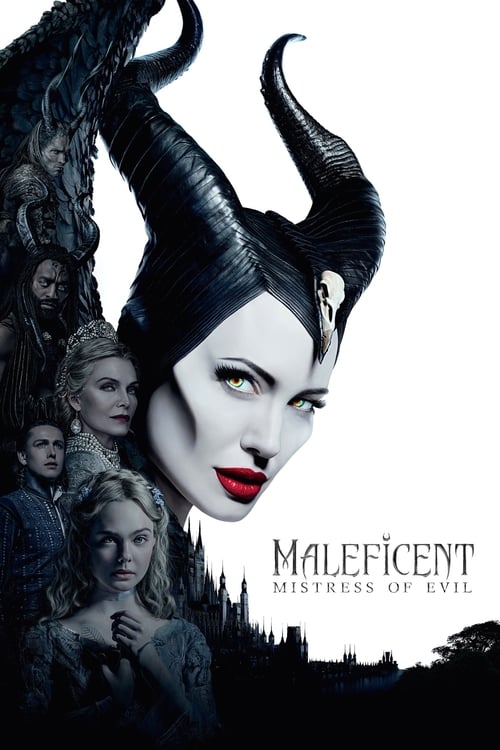
Maleficent: Mistress of Evil Christian Movie Review
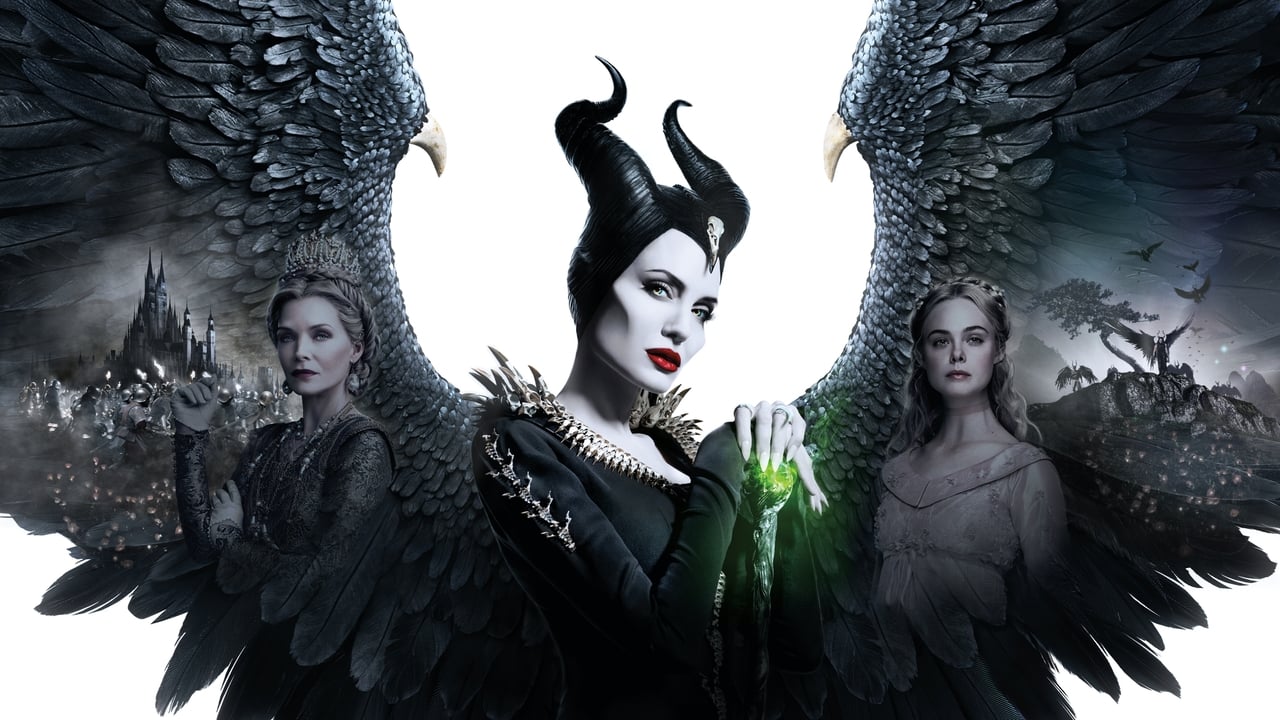
(2019)This fantasy sequel follows Maleficent, Aurora, and the human kingdom as a planned marriage turns into a larger conflict between fae and humans. The story mixes court intrigue, magical creatures, and a war-driven plot centered on fear, loyalty, and reconciliation.
The surface content is in the mild-to-moderate range for a PG fantasy, with peril, scary tension, and some sharp insults. The bigger concern for Christian families is the film’s worldview around fear, prejudice, and power, which can open useful conversations about truth, reconciliation, and how people are judged.
Use the content rating to gauge the scary fantasy action, and the Christian guidance rating to weigh the film’s message about fear, power, and identity.
Content Indicators

Reviewed 31 May 2026
Rachel focuses on animated films, family viewing habits, and helping parents spot worldview themes quickly.
Maleficent: Mistress of Evil Christian Movie Review (2019)
Guidance: Talk Together
The surface content is in the mild-to-moderate range for a PG fantasy, with peril, scary tension, and some sharp insults. The bigger concern for Christian families is the film’s worldview around fear, prejudice, and power, which can open useful conversations about truth, reconciliation, and how people are judged.
Why This Guidance Level
This is a PG fantasy sequel with moderate peril rather than a harsh action film, so the surface content sits in a manageable range for many families. The stronger reason for discernment is the story’s message: fear, prejudice, and power politics drive the conflict, and the film repeatedly shows how public narratives can distort the truth about a person. That makes it a good candidate for family discussion rather than a simple yes-or-no reaction.
Faith & Worldview Perspective
The film treats peace as desirable but fragile, and it gives real weight to family loyalty, reconciliation, and the possibility that people can change. At the same time, it frames conflict through suspicion, tribal identity, and reputation, so Christian families may want to talk about how Christ calls people beyond fear-driven labels and into truth, mercy, and peacemaking.
Truths Reflected
- Love and family bonds matter across boundaries.
- Reputation can differ from reality.
Tensions to Discuss
- Fear and prejudice are allowed to shape how groups treat one another instead of being checked by truth and love.
- The story leans on power and retaliation more than on forgiveness, humility, and the peace of Christ.
Content & Discernment Markers
Occult & Spiritual Content
- Magic is part of the world throughout the film, with fae powers, curses, and supernatural creatures driving the plot. The film treats these elements as normal fantasy rather than as spiritual practice, but families may still want to discuss how this differs from biblical faith and the hope found in Christ.
Sexuality & Relationships
- Romance stays mild, with Philip proposing to Aurora, the couple kissing and embracing, and the story building toward a wedding. The relationship content is affectionate and brief, so parents mainly need to note the romantic focus rather than any explicit material.
Identity Themes
- The film repeatedly contrasts who characters are with how others describe them. Maleficent is called a villain and “killer of men,” yet the narration reminds viewers that she loved Aurora and broke the curse through love; parents may want to discuss how Christians should resist judging people by rumors or group labels.
Violence & Intensity
- War and fantasy violence shape the film’s second half, with weapons, captures, screams, injuries, and characters in grave danger. The story includes talk of armies, poisonous dust-like destruction, and a beloved character’s sacrifice, so the tension is heavier than a light family adventure.
Language & Humour
- Language is mostly made up of sharp put-downs and hostile phrases such as “You reek of humans,” “humans are hilarious,” and “show them no mercy.” The speech is not profane, but the tone is often contemptuous and combative.
Other Content Notes
- A tense royal dinner and political meeting set up the conflict, with adults drinking wine and speaking suspiciously about the other side. The atmosphere matters because it shows how quickly fear and pride can poison a room before the war even begins.
Notable Moments
- Proposal and union: Philip proposes to Aurora and speaks about a bridge between kingdoms, turning the romance into a political hope for peace.
“I’ve loved you since the moment I met you and every day since.”
- Villain label: The opening narration explains that Maleficent is still hated and remembered as a villain, even though she once broke the curse through love.
“Maleficent became the villain once more.”
- War talk at dinner: A royal exchange turns tense as weapons arrive and the king insists the kingdom needs no arms, while others distrust the fae.
“Our days of war are over.”
Discussion Prompts
- Prejudice and fear: Why do the humans and fae keep assuming the worst about each other, and what would it look like to respond differently?
- Biblical guidance: Scripture calls believers to be quick to hear, slow to speak, and slow to anger, and to love our neighbors rather than fear them.
- Scripture: James 1:19, Matthew 22:39
- Truth and reputation: How does the film show the difference between a person’s reputation and who they really are?
- Biblical guidance: God looks at the heart, not just the story people repeat about someone.
- Scripture: 1 Samuel 16:7, Proverbs 18:13
- Peace and reconciliation: What makes peace fragile in this story, and what helps real reconciliation last?
- Biblical guidance: Christ teaches peacemaking, forgiveness, and humility rather than retaliation and suspicion.
- Scripture: Matthew 5:9, Romans 12:18
- Power and leadership: Which leaders in the movie use power wisely, and which ones use fear to control others?
- Biblical guidance: Biblical leadership serves others with truth and justice instead of pride or manipulation.
- Scripture: Mark 10:42-45, Micah 6:8
Common questions about Maleficent: Mistress of Evil
- What age is Maleficent: Mistress of Evil suitable for?
- Maleficent: Mistress of Evil suits children of about 8 and older in most families. That follows its official classification. It is rated PG in Australia, the US, New Zealand, the UK and Canada. Language is mostly made up of sharp put-downs and hostile phrases such as "You reek of humans," "humans are hilarious," and "show them no mercy." Younger viewers may still enjoy it alongside a parent, and it raises worldview questions worth talking through afterwards.
- Is Maleficent: Mistress of Evil okay for a 6-year-old?
- Maleficent: Mistress of Evil is generally better suited to children of about 8 and up, so a 6-year-old may find parts of it a stretch. It is rated PG in Australia, the US, New Zealand, the UK and Canada. Language is mostly made up of sharp put-downs and hostile phrases such as "You reek of humans," "humans are hilarious," and "show them no mercy." Families comfortable watching a little above the classification together may still be fine with it.
Age guidance is derived from this review's content findings and the film's official classifications. It is a starting point for your own judgement, not a rule.
Parent comments
Leave a comment on this review
Share a short note on Maleficent: Mistress of Evil, or help other parents with discernment.
Submit will ask you to sign in first.
Weekend family picks
Get the short family movie list before the weekend
Example newsletter: 3 movies to watch this weekend with your family, plus one question to ask after the credits.
Sample: 3 movies to watch this weekend with your family
One cinema pick, one streaming pick, one conversation-starter pick.
Related Articles
A few bigger-picture reads for parents who want more context than a single review page can hold.
Animal Farm And Talking With Kids About Power, Truth, And Sin
Animal Farm can help older children see how slogans, fear, and corrupted authority distort truth, but parents should frame the story with a biblical view of sin.
Read article
Disney And Pixar Films For Christian Families: Why They Still Need Discernment
Disney and Pixar films often feel safer than they really are. This guide helps Christian parents notice the spiritual assumptions, emotional messages, and identity themes that can slip past a quick first impression.
Read article
5 Things To Notice In Kids Movies Before The Message Lands
A child can absorb a movie long before they can explain it. These five checkpoints help Christian parents notice what a film is training the heart to love, fear, excuse, or trust.
Read articleMore Reviews



Official regional ratings
Local ratings remain available for reference, but LionLens separates those classifications from Christian family discernment.
Review Method
How this review was prepared
LionLens reviews are written with subtitle and dialogue evidence where available, official regional ratings data, source research, and final human editorial review before publication.