Human Reviewed
Parent feedback
40 families found this review helpful
Christian Movie Review
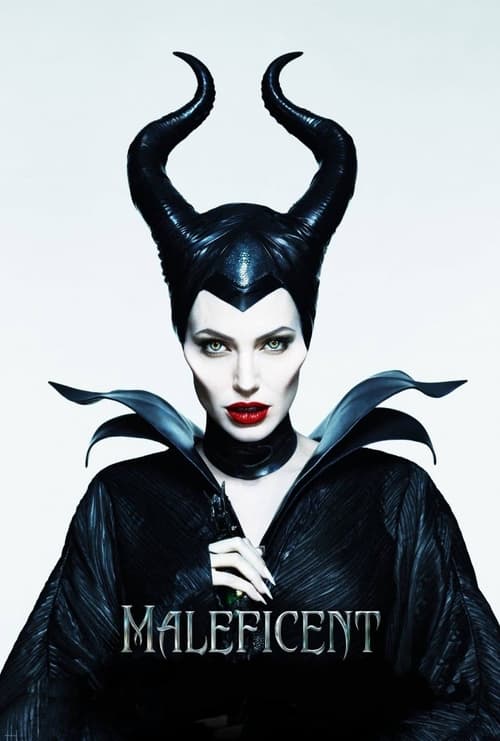
Maleficent Christian Movie Review
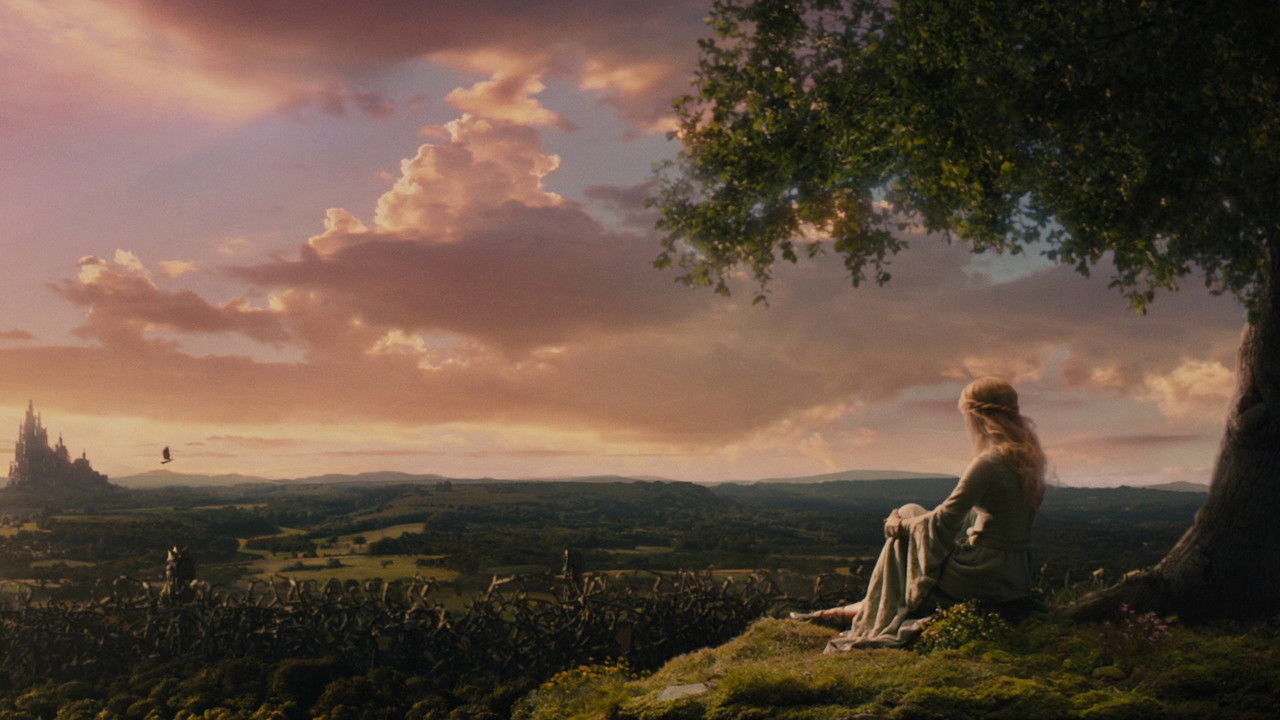
(2014)This fantasy retelling of Sleeping Beauty follows Maleficent from protector of the Moors to wounded avenger after a deep betrayal. The story moves between magical wonder, kingdom conflict, and a later search for forgiveness and reconciliation.
The film has moderate peril, battle violence, and a dark emotional tone, along with a strong revenge-to-redemption arc. Christian families may also want to talk through its moral framing of betrayal, power, and forgiveness.
Use the content rating to gauge the dark fantasy action, and the Christian guidance rating to weigh the film’s message about revenge, mercy, and moral truth.
Content Indicators

Reviewed 15 May 2026
Esther handles review quality, clarity, and the practical guidance families need after the credits roll.
Maleficent Christian Movie Review (2014)
Guidance: Talk Together
The film has moderate peril, battle violence, and a dark emotional tone, along with a strong revenge-to-redemption arc. Christian families may also want to talk through its moral framing of betrayal, power, and forgiveness.
Why This Guidance Level
This film is not driven by graphic content, but it does carry a darker emotional weight than a typical family fantasy. The violence and peril are moderate, while the bigger concern for many Christian families is the story’s moral framing: betrayal fuels revenge, magic shapes the world, and the film invites sympathy for a character who is both protector and avenger. That makes it a good candidate for guided discussion rather than a simple yes-or-no reaction.
Faith & Worldview Perspective
Maleficent presents a world where hurt, power, and forgiveness shape destiny. It reflects real truths about betrayal, greed, and the healing power of mercy, but it also blurs moral lines by making revenge feel understandable and by placing spiritual weight on magic and personal self-definition.
Truths Reflected
- Betrayal can harden the heart and damage relationships.
- Forgiveness and reconciliation can break cycles of hatred.
Tensions to Discuss
- Revenge is treated as emotionally satisfying before it is challenged, while Scripture calls believers to leave vengeance to God.
- The film’s moral center leans on magic and personal feeling rather than the authority, justice, and hope found in Jesus Christ.
Content & Discernment Markers
Occult & Spiritual Content
- The Moors are filled with fairies, winged creatures, curses, and enchanted power, and Maleficent’s identity is tied to supernatural ability from the start. The film treats magic as normal and morally flexible rather than as something to be tested carefully; parents may want to discuss how biblical faith views spiritual power differently from fantasy enchantment.
Sexuality & Relationships
- A friendship slowly turns into romance, and the story includes a kiss and a “true love’s kiss” idea, but there is little explicit material. The relationship thread matters mainly because it drives the emotional betrayal that shapes the plot.
Identity Themes
- The narration asks whether a “great hero” or a “terrible villain” will bring the kingdoms together, and the film spends much of its time re-framing Maleficent as both wounded victim and protector. Parents may want to discuss how a person’s pain can explain behavior without excusing sin.
Violence & Intensity
- The opening battle, the attack on the Moors, and later kingdom clashes include cries like “Bring me her head” and “Kill the winged creature,” along with soldiers being overwhelmed by roaring creatures. The violence is stylized, but the threats and combat are intense enough to feel dark and frightening at times.
Language & Humour
- Language stays light overall, with insults such as “idiot,” “imbecile,” and “hideous,” plus sharp battle commands like “Bring me her head.” The speech is more rude and hostile than profane, but parents may still want to note the repeated contempt in the dialogue.
Other Content Notes
- The story is built around a ruthless betrayal that “begins to turn her heart into stone,” and that emotional wound drives the curse and much of the film’s tension. This is one of the main places to pause and talk about anger, trust, and what forgiveness really means.
Notable Moments
- Opening kingdom conflict: The narration sets up two hostile kingdoms and a greedy king, then the story quickly moves into threats and battle as the Moors are attacked.
““only a great hero or a terrible villain might bring them together””
- First meeting with Stefan: Maleficent meets Stefan as a boy thief, and their friendship begins with curiosity and cautious kindness before later turning tragic.
““I’m called Stefan. Who are you? I’m Maleficent.””
- Betrayal and curse: Stefan’s ambition destroys trust and drives Maleficent toward revenge, making the emotional wound the engine of the film.
““suffered a ruthless betrayal””
- Battle for the Moors: Soldiers and magical creatures clash in a loud, frightening assault that includes threats of death and cries from both sides.
““Bring me her head.””
Discussion Prompts
- Betrayal and forgiveness: Why does Maleficent’s hurt turn into revenge, and what would it look like to respond differently when someone deeply wrongs us?
- Biblical guidance: Scripture calls believers to forgive as the Lord forgave us and to leave vengeance to God, not to our own anger.
- Scripture: Ephesians 4:31-32, Romans 12:19
- Power and moral truth: The movie treats magic and personal feeling as major sources of power and identity. What does it mean to look to Jesus Christ for truth, hope, and identity instead?
- Biblical guidance: Christian hope is not built on spells or self-definition, but on God’s truth, Christ’s lordship, and the new life he gives.
- Scripture: John 14:6, Colossians 3:1-3
- Greed and envy: How do greed and envy damage both kingdoms in the story, and where do you see those same temptations in everyday life?
- Biblical guidance: The Bible warns that envy and greed distort the heart, while contentment and generosity reflect trust in God.
- Scripture: James 3:16, 1 Timothy 6:6-10
- Justice and mercy: When a story makes a villain sympathetic, how can we still tell the difference between understanding pain and excusing sin?
- Biblical guidance: Biblical mercy does not deny truth; it names wrong honestly and points to the grace and justice found together in Christ.
- Scripture: Micah 6:8, John 1:14
Common questions about Maleficent
- What age is Maleficent suitable for?
- Maleficent suits children of about 8 and older in most families. That follows its official classification. It is rated PG in the US, the UK and Canada, and M in Australia and New Zealand. The opening battle, the attack on the Moors, and later kingdom clashes include cries like “Bring me her head” and “Kill the winged creature,” along with soldiers being overwhelmed by roaring creatures. Younger viewers may still enjoy it alongside a parent, and it raises worldview questions worth talking through afterwards.
- Is Maleficent okay for a 6-year-old?
- Maleficent is generally better suited to children of about 8 and up, so a 6-year-old may find parts of it a stretch. It is rated PG in the US, the UK and Canada, and M in Australia and New Zealand. The opening battle, the attack on the Moors, and later kingdom clashes include cries like “Bring me her head” and “Kill the winged creature,” along with soldiers being overwhelmed by roaring creatures. Families comfortable watching a little above the classification together may still be fine with it.
Age guidance is derived from this review's content findings and the film's official classifications. It is a starting point for your own judgement, not a rule.
Parent comments
Leave a comment on this review
Share a short note on Maleficent, or help other parents with discernment.
Submit will ask you to sign in first.
Weekend family picks
Get the short family movie list before the weekend
Example newsletter: 3 movies to watch this weekend with your family, plus one question to ask after the credits.
Sample: 3 movies to watch this weekend with your family
One cinema pick, one streaming pick, one conversation-starter pick.
Related Articles
A few bigger-picture reads for parents who want more context than a single review page can hold.
Animal Farm And Talking With Kids About Power, Truth, And Sin
Animal Farm can help older children see how slogans, fear, and corrupted authority distort truth, but parents should frame the story with a biblical view of sin.
Read article
Disney And Pixar Films For Christian Families: Why They Still Need Discernment
Disney and Pixar films often feel safer than they really are. This guide helps Christian parents notice the spiritual assumptions, emotional messages, and identity themes that can slip past a quick first impression.
Read article
5 Things To Notice In Kids Movies Before The Message Lands
A child can absorb a movie long before they can explain it. These five checkpoints help Christian parents notice what a film is training the heart to love, fear, excuse, or trust.
Read articleMore Reviews


Official regional ratings
Local ratings remain available for reference, but LionLens separates those classifications from Christian family discernment.
Review Method
How this review was prepared
LionLens reviews are written with subtitle and dialogue evidence where available, official regional ratings data, source research, and final human editorial review before publication.