
Human Reviewed
Parent feedback
58 families found this review helpful
Christian Movie Review
Love Don't Co$t a Thing Christian Movie Review
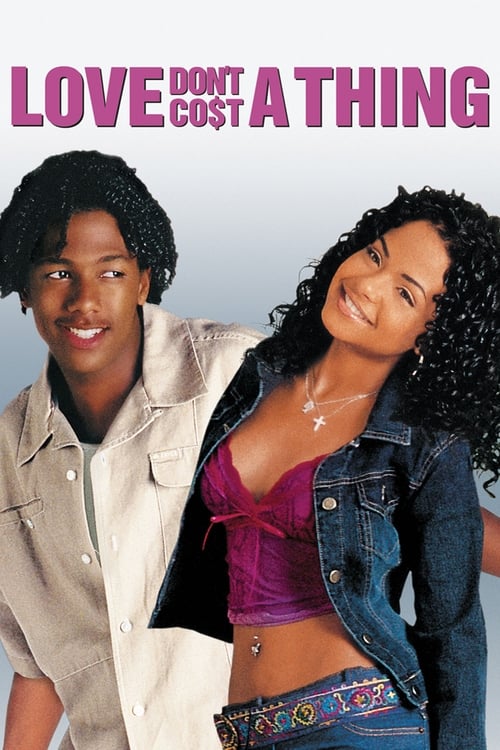
(2003)This teen comedy follows a high-achieving high school student who is tired of being overlooked and drawn to the social rewards of popularity. The story centers on status, dating, image, and the pressure to fit into a school hierarchy.
This is a light teen comedy on the surface, but it carries clear PG-13 material through sexual jokes, coarse insults, and a worldview shaped heavily by popularity, image, and romantic status. For Christian families, the bigger issue is not spiritual content but the film's repeated message that personal worth rises or falls with social approval.
Use the content rating for what is shown and said, and the Christian guidance rating for the deeper messages worth discussing.
Content Indicators

Reviewed 25 July 2026
Esther handles review quality, clarity, and the practical guidance families need after the credits roll.
Love Don’t Co$t a Thing Christian Movie Review (2003)
Guidance: Talk Together
This is a light teen comedy on the surface, but it carries clear PG-13 material through sexual jokes, coarse insults, and a worldview shaped heavily by popularity, image, and romantic status. For Christian families, the bigger issue is not spiritual content but the film’s repeated message that personal worth rises or falls with social approval.
Why This Guidance Level
This lands in the middle range because the surface content is moderate for a teen comedy, but the stronger concern is the film’s steady focus on popularity, sexualized humor, and identity built on peer approval. That does not make it extreme, but it does make it a film many families would want to process rather than leave uninterpreted.
Faith & Worldview Perspective
The movie understands that social hierarchies can be cruel and that family support matters, which reflects real truth. At the same time, it spends much of its energy inside a world where being noticed, desired, and accepted feels like the path to value. Christian parents may want to discuss how Jesus Christ offers a firmer identity than status, romance, or image, and how love should not be reduced to social leverage.
Truths Reflected
- The film recognizes the pain of exclusion and the human desire to belong.
- Family care and parental concern are presented as meaningful anchors in a status-driven environment.
Tensions to Discuss
- The story gives significant weight to popularity and romantic attention as measures of worth, which can conflict with a biblical view of identity rooted in God’s image.
- Sexual joking, objectifying comments, and degrading speech treat other people lightly in ways that Christian parents may want to challenge.
Content & Discernment Markers
Occult & Spiritual Content
- Occult material does not stand out here. The film’s concerns are social and moral rather than spiritual or supernatural.
Sexuality & Relationships
- Teen relationships are tied closely to status and desirability. A party scene and school conversations frame dating as social currency, and one line makes a direct masturbation joke: “Clearly, Alvin’s not masturbating enough. Thank God I don’t have that problem.” Parents may want to discuss how the film links romance with popularity rather than covenant love.
- Characters use objectifying language about girls, including “She’s like a Frappuccino with hips,” which reduces a person to appearance and fantasy. This matters because the humor trains viewers to laugh at objectification.
Identity Themes
- The film repeatedly frames social invisibility as a crisis: “We’re invisible” and “In that community, we’re immigrants without green cards.” The pressure to be seen by the popular crowd drives major choices. Parents may want to discuss where true worth comes from when peers ignore or mock someone.
- Several lines show how deeply the characters equate success with dating and status: “We never go on dates. Never go to any dances. We have no memories.” This may conflict with a biblical view because it treats romantic access as a key measure of a meaningful life.
Violence & Intensity
- Violence is limited to bullying, intimidation, and threat language rather than injury. Characters say things like “kick your ass” and “I ought to kick your ass,” and a teen is publicly humiliated at a party after falling into a pool.
Language & Humour
- Language includes “hell,” “ass,” “kick your ass,” “stupid,” “punk,” and repeated mocking put-downs. The film also uses sexuality-based insults such as “gay surrender” and “homo thug,” which many families will find more concerning than the general teen banter.
- Humor often depends on ridicule between friends and classmates, including lines like “Bride of Chucky-looking extraterrestrial” and “healthy, heterosexual dork.” Parents may want to discuss how joking can become cruelty when it targets identity or dignity.
Other Content Notes
- A pool party setting raises the usual teen-party concerns, including social pressure and humiliation. Visual details such as immodest swimwear or party behavior are not confirmed here, so the clearer concern is the atmosphere of peer approval and embarrassment.
- A father makes a racially insensitive joke about China and love songs, using exaggerated stereotypes for humor. Christian families may want to discuss loving neighbors without mocking whole groups of people.
Notable Moments
- Pool party humiliation: A teen is mocked after falling into the pool while trying to enter a social scene where he does not belong.
“Next time you wanna crash a party… don’t fall in the pool.”
- Popularity as identity: Friends describe themselves as socially unseen and excluded from the spaces that matter at school.
“We’re invisible.”
- Crude sexual joke: A conversation about attraction turns into explicit sexual humor.
“Clearly, Alvin’s not masturbating enough. Thank God I don’t have that problem.”
- Sexuality-based taunt: A hallway confrontation includes mocking language tied to sexuality.
“Is that the gay surrender? You a homo thug?”
Discussion Prompts
- Identity and popularity: Why do the characters feel like being popular will fix their lives, and what does God say gives a person real worth?
- Biblical guidance: Scripture teaches that our value comes from being made by God, not from social rank. In Christ, identity is received, not performed.
- Scripture: Genesis 1:27, 1 Samuel 16:7, Galatians 2:20
- Speech and joking: When does teasing stop being funny and start tearing someone down?
- Biblical guidance: Jesus calls His people to speak in ways that give grace, not shame. Crude jokes and identity-based insults can train the heart toward contempt.
- Scripture: Ephesians 4:29, Colossians 4:6, James 3:9-10
- Dating, desire, and dignity: How does the movie treat dating and attractiveness, and how is that different from God’s design for love and honor?
- Biblical guidance: Biblical love values people as image-bearers, not as status symbols or objects for attention. Christian hope in Christ reshapes how we see romance and self-worth.
- Scripture: 1 Thessalonians 4:3-5, 1 Corinthians 13:4-7, Philippians 2:3-4
- Belonging and peer pressure: What pressures in school or friend groups can make someone act against wisdom just to be accepted?
- Biblical guidance: The fear of people can control us, but God calls believers to seek His approval first. Parents may want to talk about courage, friendship, and belonging in Jesus Christ.
- Scripture: Proverbs 29:25, Romans 12:2, John 15:18-19
Common questions about Love Don't Co$t a Thing
- What age is Love Don't Co$t a Thing suitable for?
- Love Don't Co$t a Thing suits children of about 13 and older in most families. That follows its official classification. It is rated PG-13 in the US and Canada. Language includes "hell," "ass," "kick your ass," "stupid," "punk," and repeated mocking put-downs.
- Is Love Don't Co$t a Thing okay for an 11-year-old?
- Love Don't Co$t a Thing is generally better suited to children of about 13 and up, so an 11-year-old may find parts of it a stretch. It is rated PG-13 in the US and Canada. Language includes "hell," "ass," "kick your ass," "stupid," "punk," and repeated mocking put-downs. Families comfortable watching a little above the classification together may still be fine with it.
Age guidance is derived from this review's content findings and the film's official classifications. It is a starting point for your own judgement, not a rule.
Parent comments
Leave a comment on this review
Share a short note on Love Don't Co$t a Thing, or help other parents with discernment.
Submit will ask you to sign in first.
Weekend family picks
Get the short family movie list before the weekend
Example newsletter: 3 movies to watch this weekend with your family, plus one question to ask after the credits.
Sample: 3 movies to watch this weekend with your family
One cinema pick, one streaming pick, one conversation-starter pick.
Related Articles
A few bigger-picture reads for parents who want more context than a single review page can hold.

Animal Farm And Talking With Kids About Power, Truth, And Sin
Animal Farm can help older children see how slogans, fear, and corrupted authority distort truth, but parents should frame the story with a biblical view of sin.
Read article
Hoppers And Talking With Kids About Bodies, Identity, And Creation Care
Hoppers gives families a chance to talk about creation care, embodied identity, and whether good causes justify reckless choices.
Read article
Spotting Identity Messages In Family Films
A large number of modern family stories revolve around identity, self-expression, and becoming who you already are inside. Christian parents need a simple way to notice those messages and talk about them clearly.
Read articleMore Reviews




Official regional ratings
Local ratings remain available for reference, but LionLens separates those classifications from Christian family discernment.
Review Method
How this review was prepared
LionLens reviews are written with subtitle and dialogue evidence where available, official regional ratings data, source research, and final human editorial review before publication.