
Human Reviewed
Parent feedback
33 families found this review helpful
Christian Movie Review
Lilo & Stitch Christian Movie Review
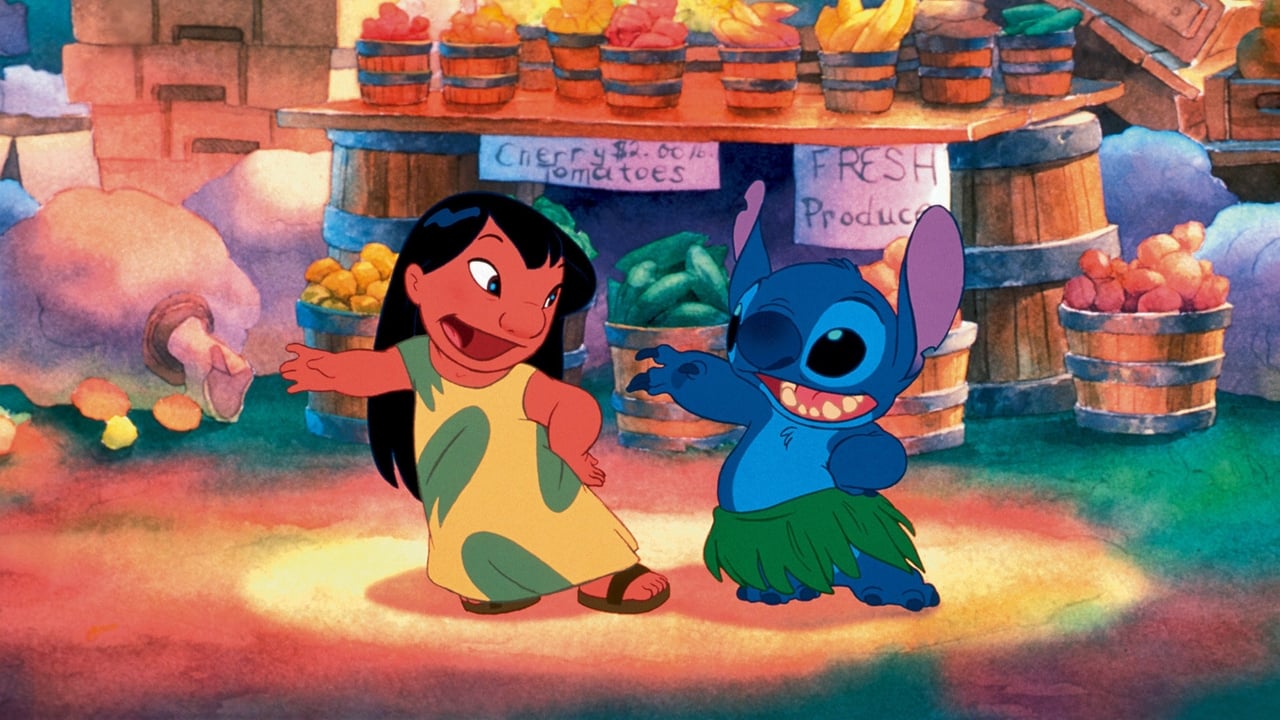
(2002)A lonely Hawaiian girl named Lilo befriends Stitch, a chaotic alien experiment who crashes into her life while being hunted by intergalactic authorities. The story mixes slapstick destruction, family strain, and a warm emphasis on belonging and care.
This is a lively family adventure with mild-to-moderate peril, some rude language, and a strong emotional focus on family and redemption. Christian families may want to talk through the film’s view of identity, belonging, and moral change.
The content is fairly light, while the worldview conversation is more important than the surface intensity.
Content Indicators

Reviewed 10 May 2026
Rachel focuses on animated films, family viewing habits, and helping parents spot worldview themes quickly.
Lilo & Stitch Christian Movie Review (2002)
Guidance: Talk Together
This is a lively family adventure with mild-to-moderate peril, some rude language, and a strong emotional focus on family and redemption. Christian families may want to talk through the film’s view of identity, belonging, and moral change.
Why This Guidance Level
This film is not heavy in a surface-content sense, but it does have enough peril, destruction, and rude language to merit a conversation for younger viewers. The bigger issue for Christian families is the movie’s moral framing: it celebrates family loyalty, but it also treats belonging and self-definition in a very human-centered way, so parents may want to help children think about identity, repentance, and hope in Christ.
Faith & Worldview Perspective
Lilo & Stitch is built around a warm and appealing vision of family, mercy, and second chances. It treats love as protective and restorative, which reflects something true, but it stops short of grounding identity and redemption in God’s design. Parents may want to discuss how the film’s idea of belonging compares with the Christian truth that we are known, loved, and made new in Christ.
Truths Reflected
- Family should protect, defend, and care for one another.
- People can grow and change after doing wrong.
Tensions to Discuss
- The film presents belonging as the main source of identity rather than rooting it in God’s creation and Christ’s redemption.
- Moral change is framed as self-improvement and acceptance, rather than repentance and new life in Christ.
Content & Discernment Markers
Occult & Spiritual Content
- Occult material does not stand out here. The film uses science-fiction aliens and comic fantasy rather than spiritual practice, though the strange powers and intergalactic council give it a playful supernatural feel.
Sexuality & Relationships
- Romantic content stays light. There is a small hint of adult attraction between David and Nani, but the film does not dwell on it, and the focus remains on family and friendship.
Identity Themes
- The film repeatedly centers “ohana” and the idea that family is chosen, protective, and worth fighting for. That message is moving, but parents may want to discuss how Christian identity is deeper than belonging to a group and is ultimately found in Christ.
Violence & Intensity
- The opening sequence is the most intense part of the movie, with Stitch causing a prison break, alarms blaring, weapons firing, and a cruiser chase ending in a thunderous explosion. The danger is mostly cartoonish, but the chaos is constant and may unsettle younger children. Parents may want to talk about how the film turns destruction into comedy.
Language & Humour
- Language is mild but includes words and phrases parents may want to notice, such as “hell,” “oh my God,” “stupid,” “garbage girl,” “butt,” and alien insults like “so naughty.” The humor leans on teasing, rude remarks, and gross-out moments more than strong profanity.
Other Content Notes
- The film’s emotional center is Lilo’s loneliness and the way Stitch becomes part of a broken but loving household. That gives the story warmth, but it also makes the family theme the main lens for everything else.
Notable Moments
- Council judges Stitch: The film opens with Stitch on trial before an alien council, where he is called a monster and a destructive experiment. The scene quickly establishes the movie’s mix of danger, comedy, and moral judgment.
“Show us that there is something inside you that is good.”
- Prison break chaos: Stitch escapes custody, alarms sound, and guards authorize deadly force as he steals a cruiser and blasts into a chase through space. It is exciting, but the destruction is loud and frantic.
“Deadly force authorized. Fire on sight!”
- Earth landing threat: The alien pursuit turns toward Earth, and the dialogue jokes about whether the planet should be destroyed or gassed, which adds to the film’s comic peril. Parents may want to discuss how the movie uses danger for humor.
“We have projected his landing at three hours, 42 minutes.”
- Family as ohana: The heart of the movie is the repeated insistence that family protects and rescues one another, even when relationships are messy. This is the film’s clearest positive message.
“Ohana means family.”
Discussion Prompts
- Family and belonging: What makes a family strong in this movie, and how is that similar to or different from what God says about family?
- Biblical guidance: Scripture teaches that love is patient, protective, and self-giving, and that God places people in families and communities for care. Christian hope is deeper than being accepted by others; it is being adopted into God’s family through Christ.
- Scripture: 1 Corinthians 13:4-7, Ephesians 1:5, Romans 8:15-17
- Change and redemption: Why do you think Stitch changes, and what is the difference between trying to improve yourself and truly turning to God?
- Biblical guidance: The Bible connects real change with repentance and new life in Christ, not just better behavior. A Christian parent can help a child see that mercy and transformation are gifts from God.
- Scripture: 2 Corinthians 5:17, Acts 3:19, Titus 3:5
- Identity and worth: What does the movie say gives a person value, and what does God say gives you value?
- Biblical guidance: The film ties worth to being loved and included, which is good but incomplete. The Bible says our worth comes from being made in God’s image and redeemed by Jesus Christ.
- Scripture: Genesis 1:27, Psalm 139:13-14, 1 Peter 1:18-19
Common questions about Lilo & Stitch
- What age is Lilo & Stitch suitable for?
- Lilo & Stitch suits children of about 8 and older in most families. That follows its official classification. It is rated PG in the US, New Zealand and Canada, and G in Australia. Language is mild but includes words and phrases parents may want to notice, such as “hell,” “oh my God,” “stupid,” “garbage girl,” “butt,” and alien insults like “so naughty.”
- Is Lilo & Stitch okay for a 6-year-old?
- Lilo & Stitch is generally better suited to children of about 8 and up, so a 6-year-old may find parts of it a stretch. It is rated PG in the US, New Zealand and Canada, and G in Australia. Language is mild but includes words and phrases parents may want to notice, such as “hell,” “oh my God,” “stupid,” “garbage girl,” “butt,” and alien insults like “so naughty.” Families comfortable watching a little above the classification together may still be fine with it.
Age guidance is derived from this review's content findings and the film's official classifications. It is a starting point for your own judgement, not a rule.
Parent comments
Leave a comment on this review
Share a short note on Lilo & Stitch, or help other parents with discernment.
Submit will ask you to sign in first.
Weekend family picks
Get the short family movie list before the weekend
Example newsletter: 3 movies to watch this weekend with your family, plus one question to ask after the credits.
Sample: 3 movies to watch this weekend with your family
One cinema pick, one streaming pick, one conversation-starter pick.
Related Articles
A few bigger-picture reads for parents who want more context than a single review page can hold.

Animal Farm And Talking With Kids About Power, Truth, And Sin
Animal Farm can help older children see how slogans, fear, and corrupted authority distort truth, but parents should frame the story with a biblical view of sin.
Read article
5 Things To Notice In Kids Movies Before The Message Lands
A child can absorb a movie long before they can explain it. These five checkpoints help Christian parents notice what a film is training the heart to love, fear, excuse, or trust.
Read article
How To Talk With Kids About Magic, Fate, And Spiritual Themes In Movies
Many family movies use magic, destiny, spirits, or cosmic balance to drive the story. This article helps Christian parents respond without overreacting, while still drawing clear lines back to biblical truth.
Read articleMore Reviews



Official regional ratings
Local ratings remain available for reference, but LionLens separates those classifications from Christian family discernment.
Review Method
How this review was prepared
LionLens reviews are written with subtitle and dialogue evidence where available, official regional ratings data, source research, and final human editorial review before publication.