

Human Reviewed
Parent feedback
40 families found this review helpful
Christian Movie Review
Leo Christian Movie Review
(2023)Leo is an animated musical comedy about a longtime classroom lizard who begins speaking to fifth graders and helping them face fears about school, family, and growing up. The story mixes broad humor, school chaos, and heartfelt lessons about empathy, anxiety, and friendship.
This is a warm, funny family film with a kindhearted core, but it also includes rude humor, mild language, bullying, and several moments built around kids' fears about death, divorce, and growing up. For many families, the bigger issue is not harsh content but the emotional and worldview conversations it opens.
Use the content rating for what is in the film, and the Christian guidance rating for what the film may lead you to discuss.
Content Indicators

Reviewed 5 August 2026
Rachel focuses on animated films, family viewing habits, and helping parents spot worldview themes quickly.
Leo Christian Movie Review (2023)
Guidance: Talk Together
This is a warm, funny family film with a kindhearted core, but it also includes rude humor, mild language, bullying, and several moments built around kids’ fears about death, divorce, and growing up. For many families, the bigger issue is not harsh content but the emotional and worldview conversations it opens.
Why This Guidance Level
This lands in a middle category because the film is fairly gentle on surface content, yet it repeatedly raises issues many families will want to process together: fear of death, anxiety about growing up, family pain, peer cruelty, and where children should look for comfort and identity. The movie offers empathy and encouragement, but Christian parents may want to connect those needs more clearly to truth and hope in Christ.
Faith & Worldview Perspective
The film strongly values compassion, honesty, inclusion, and patient listening. Those are meaningful virtues, and the story understands that children carry real fears about death, divorce, rejection, and change. Its main limitation is that healing is framed mostly through supportive relationships and self-confidence rather than through reconciliation, prayer, or hope in Jesus Christ. Parents may want to talk with children about how kindness matters, but lasting peace is not found in self-help alone.
Truths Reflected
- Children need caring adults and truthful conversation when they are afraid.
- Cruel words and exclusion can deeply wound others, while empathy can help restore relationships.
Tensions to Discuss
- The film points children mainly toward emotional support and self-acceptance rather than toward God as the source of wisdom, comfort, and identity.
- Fear of death and loss is treated as something to manage emotionally, but Christian hope rests more fully in Jesus Christ and His promises.
Content & Discernment Markers
Occult & Spiritual Content
- Occult material does not stand out here. The fantasy element is a talking classroom lizard and turtle used for comedy and emotional storytelling, not spiritual practice or supernatural teaching. Parents may simply want to remind younger children that the film uses make-believe to tell its story.
Sexuality & Relationships
- A few jokes touch lightly on bodies and puberty, including a child saying he thought babies came from his mother’s “butt,” some comments about boys, body changes, and a suggestive joke when the turtle says he would have liked dinner first. These moments are brief and played for laughs rather than sensuality.
Identity Themes
- Several children wrestle with fitting in, appearance, social status, and growing up, including worries about bangs, body image, and being “the talk” of others. The film encourages self-acceptance and inclusion, which can be helpful, though parents may want to discuss finding identity in being made by God rather than in peer approval.
Violence & Intensity
- Animated peril includes references to animals being mistreated, including a lizard’s tail being sucked into a vacuum and cut off, plus comic danger involving a moving bus and a teacher nearly falling. The tone stays mostly exaggerated and family-friendly, but younger children may still notice the animal injury details.
- Children talk about wanting to “destroy” a substitute teacher as part of a prank plan, and there are a few chaotic threat beats played for comedy. The film does not dwell on graphic harm, but the hostility is worth noting in a school setting.
Language & Humour
- Language is mostly mild but noticeable for a family title. It includes “Oh my God,” “jeez,” “suck,” and insults such as “dorks,” “weirdos,” “stupid,” “brat,” and “shut up.” Parents who are sensitive to casual irreverence or repeated put-downs may want to discuss how words shape the way we treat people.
- Rude humor is frequent in places, with lines like “I poo where he sleeps,” jokes about pee and butts, and a classroom vomiting scene played for gross-out laughs. This is one of the main content issues families are likely to notice.
Other Content Notes
- The story repeatedly raises fears about aging and death, including the lizard fixating on lifespan and children worrying that “Mom’ll be gone someday.” These moments are not horror-driven, but they can stir real questions in children about mortality. Parents may want to discuss Christian hope in Christ when fear of death comes up.
- Bullying and exclusion are common in the school environment, with kids saying things like “I own all you dorks,” “no weirdos,” and “Oh my God, I hate her.” The film ultimately pushes back against this behavior, which creates a useful opening to talk about loving neighbors with our words.
Notable Moments
- Mortality anxiety: Leo becomes preoccupied with how long lizards live, setting up a recurring thread about aging and death.
“They live a long time. Till about 75.”
- Peer cruelty: The opening school number includes exclusion and cutting remarks among children.
“Yes, with no weirdos on it.”
- Gross-out classroom gag: A classroom moment turns into a vomiting joke that other characters react to loudly.
“Sorry, guys.”
- Fear of loss: One child voices a fear about a parent dying someday, showing the film’s emotional weight beneath the comedy.
“Mom’ll be gone someday.”
Discussion Prompts
- Fear, anxiety, and where comfort comes from: When the kids feel scared about growing up or losing people they love, where do they go for help? Where should we take our fears first?
- Biblical guidance: The film values honest conversation, which is good, but Christian hope also teaches children to bring fears to God and rest in His care through Jesus Christ.
- Scripture: Philippians 4:6-7, Psalm 56:3, 1 Peter 5:7
- Words that wound or heal: How did the teasing, name-calling, and exclusion affect the kids in class? What would loving speech have sounded like instead?
- Biblical guidance: Scripture calls believers to use words that build up rather than tear down, even when joking or trying to fit in.
- Scripture: Ephesians 4:29, Proverbs 18:21, Colossians 4:6
- Identity and peer approval: What were the kids most worried other people would think about them? How is that different from seeing yourself the way God sees you?
- Biblical guidance: The movie encourages self-acceptance, but children also need to know their deepest worth comes from being created and known by God.
- Scripture: Psalm 139:13-14, Genesis 1:27, Galatians 1:10
- Death, loss, and Christian hope: Why do people feel afraid when they think about death or losing someone? What hope does Jesus give that the movie does not fully name?
- Biblical guidance: The film treats death as a source of anxiety to manage, while the gospel points to a deeper hope in Christ’s victory over death.
- Scripture: John 11:25-26, 1 Thessalonians 4:13-14, 1 Corinthians 15:54-57
Common questions about Leo
- What age is Leo suitable for?
- Leo suits children of about 8 and older in most families. That follows its official classification. It is rated PG in the US, New Zealand, the UK and Canada, and MA 15+ in Australia. Language is mostly mild but noticeable for a family title.
- Is Leo okay for a 6-year-old?
- Leo is generally better suited to children of about 8 and up, so a 6-year-old may find parts of it a stretch. It is rated PG in the US, New Zealand, the UK and Canada, and MA 15+ in Australia. Language is mostly mild but noticeable for a family title. Families comfortable watching a little above the classification together may still be fine with it.
Age guidance is derived from this review's content findings and the film's official classifications. It is a starting point for your own judgement, not a rule.
Parent comments
Leave a comment on this review
Share a short note on Leo, or help other parents with discernment.
Submit will ask you to sign in first.
Weekend family picks
Get the short family movie list before the weekend
Example newsletter: 3 movies to watch this weekend with your family, plus one question to ask after the credits.
Sample: 3 movies to watch this weekend with your family
One cinema pick, one streaming pick, one conversation-starter pick.
Related Articles
A few bigger-picture reads for parents who want more context than a single review page can hold.

How To Talk With Kids About Magic, Fate, And Spiritual Themes In Movies
Many family movies use magic, destiny, spirits, or cosmic balance to drive the story. This article helps Christian parents respond without overreacting, while still drawing clear lines back to biblical truth.
Read article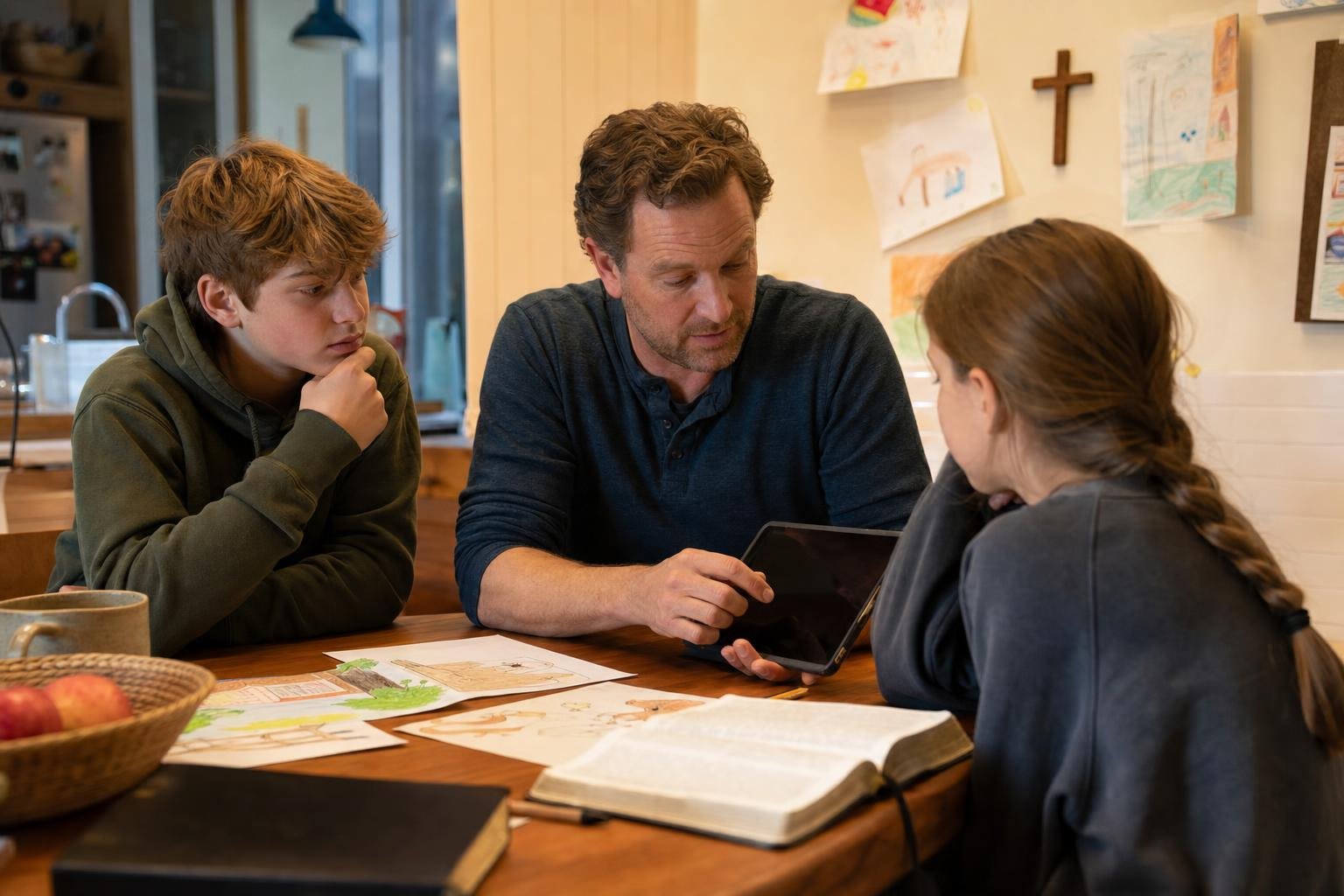
Animal Farm And Talking With Kids About Power, Truth, And Sin
Animal Farm can help older children see how slogans, fear, and corrupted authority distort truth, but parents should frame the story with a biblical view of sin.
Read article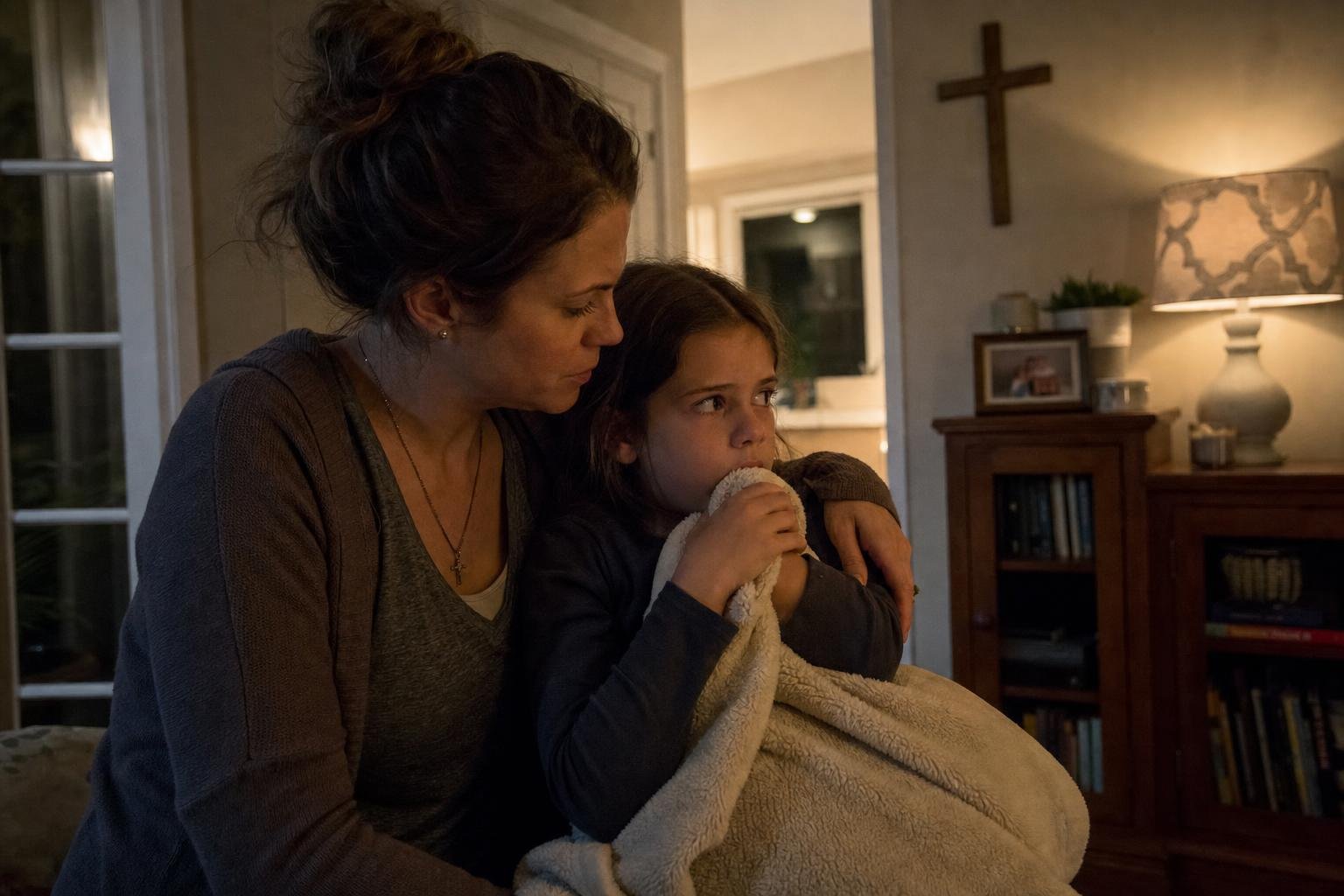
How To Talk After A Scary Scene Without Overreacting
Children do not always process fear while the movie is still playing. This guide helps parents respond calmly after intense or unsettling scenes and turn the moment into wise reassurance instead of panic.
Read articleMore Reviews


Official regional ratings
Local ratings remain available for reference, but LionLens separates those classifications from Christian family discernment.
Review Method
How this review was prepared
LionLens reviews are written with subtitle and dialogue evidence where available, official regional ratings data, source research, and final human editorial review before publication.