Human Reviewed
Parent feedback
54 families found this review helpful
Christian Movie Review
Lady and the Tramp Christian Movie Review
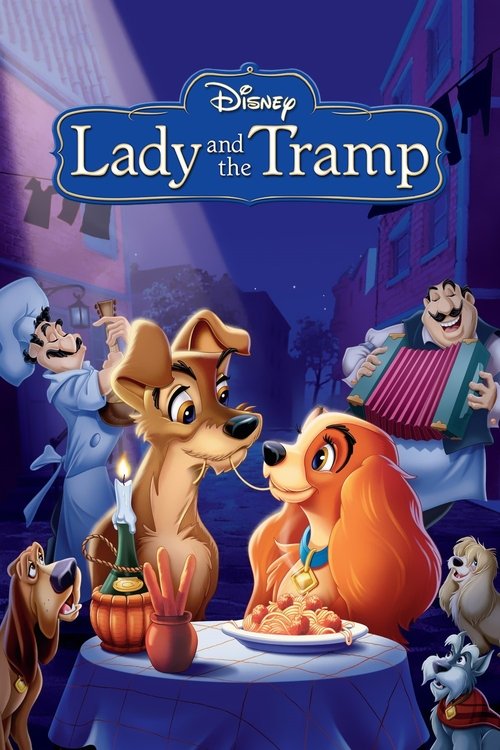
(1955)This Disney classic follows Lady, a pampered c***** spaniel, and the Tramp, a streetwise stray, as their worlds overlap through friendship, romance, and a growing family. The story moves from cozy domestic life to a few tense adventures, including a dog pound, a chase, and a baby in danger.
A gentle family film with mild peril, a little romance, and a few older stereotypes to talk through. Christian families may appreciate its themes of loyalty and care while still noting the film’s class-based assumptions and the way it treats marriage and family life.
The two ratings point to a mostly mild classic with a few scenes and ideas worth discussing afterward.
Content Indicators

Reviewed 9 May 2026
Esther handles review quality, clarity, and the practical guidance families need after the credits roll.
Lady and the Tramp Christian Movie Review (1955)
Guidance: Talk Together
A gentle family film with mild peril, a little romance, and a few older stereotypes to talk through. Christian families may appreciate its themes of loyalty and care while still noting the film’s class-based assumptions and the way it treats marriage and family life.
Why This Guidance Level
This is a gentle classic, but it is not free of things families may want to process together. The movie includes a few tense scenes, a memorable romantic sequence, and some older social attitudes about class and respectability. Its strongest value is the warm picture it gives of loyalty, care, and family life, while its main cautions are mild peril and a worldview that benefits from parent-guided discussion.
Faith & Worldview Perspective
The film celebrates loyalty, hospitality, and protecting the vulnerable, which are easy to affirm. It also leans on status, manners, and romantic idealization in ways that can be discussed in light of humility and the steadier love and hope found in Christ.
Truths Reflected
- Care for the vulnerable is good and beautiful.
- Loyalty and sacrificial friendship matter in family life.
Tensions to Discuss
- The film’s class pride and status language can undercut humility.
- Its romance and family changes are treated lightly, so parents may want to discuss covenant love and wise commitment.
Content & Discernment Markers
Occult & Spiritual Content
- Occult material does not stand out here. The film’s emotional and moral focus stays on home, friendship, and family rather than supernatural practice.
Sexuality & Relationships
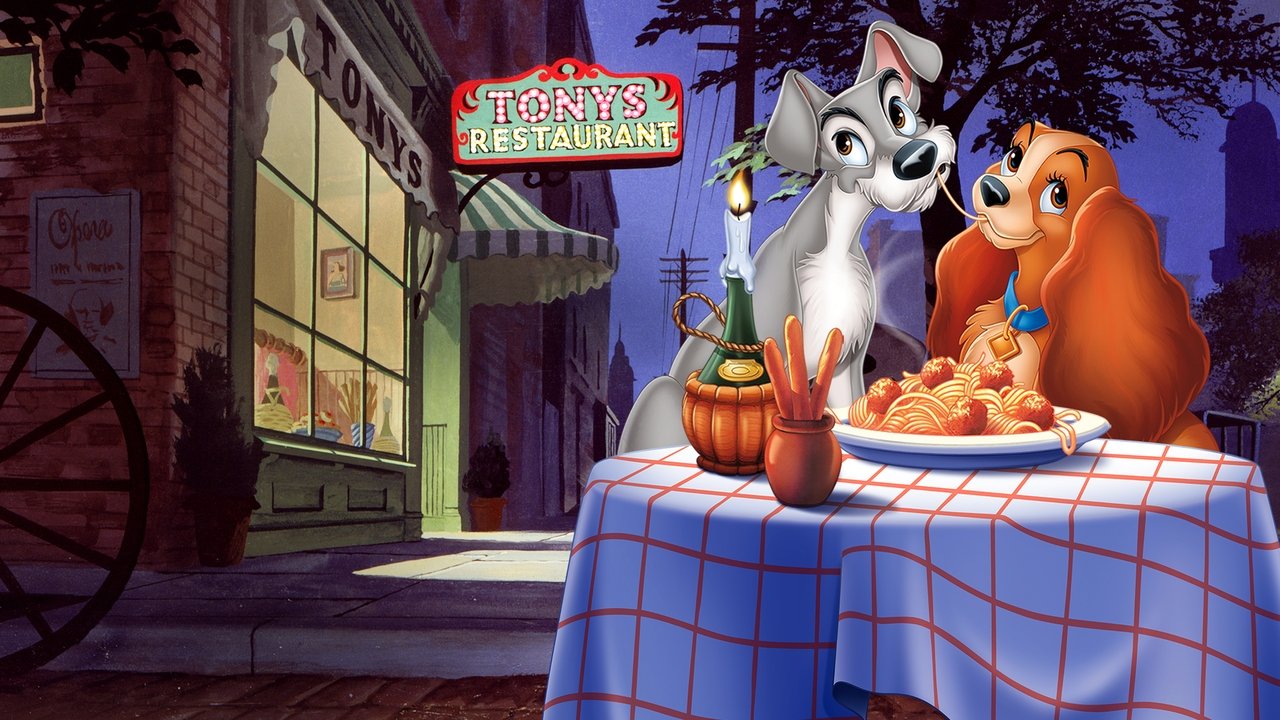
- The romance is mild but central, especially the famous spaghetti scene where Lady and the Tramp unexpectedly kiss. There is also talk of marriage and puppies, which gives the relationship a family frame, though parents may still want to discuss how affection and commitment are portrayed.
Identity Themes
- Lady’s identity is tied to being a proper, licensed house dog, while the Tramp is praised for being free and streetwise. The film also plays up class language like “Snob hill” and “the badge of faith and respectability,” which can be a good opening to talk about humility and where true worth comes from.
Violence & Intensity
- The film includes a few tense moments: Lady is muzzled by a mean human, chased by fierce-looking dogs, and briefly ends up in the dog pound. The climax turns more urgent when a rat threatens a baby, creating a frantic chase that may feel intense for younger children. Parents may want to discuss courage and protection of the vulnerable.
Language & Humour
- Language is mostly playful, but parents may notice sharper phrases like “Snob hill,” “mangy mutt,” and the teasing dog banter around collars, licenses, and status. It is not coarse, but the put-downs and class jokes are worth a quick conversation about kindness.
Other Content Notes
- The film’s warmest moments center on home life, including the Christmas gift scene, the dogs’ affection for Lady, and the growing anticipation around a baby. Those scenes make the story feel tender, but they also create a natural opening to discuss family change and trust in God’s care.
Notable Moments
- Spaghetti kiss: Lady and the Tramp share the film’s famous romantic moment over a plate of spaghetti, turning a simple dinner into a playful courtship scene.
“And they call it bella notte”
- Baby danger climax: The story becomes much more urgent when a rat threatens the baby and the dogs rush into a frantic rescue sequence.
“a beady-eyed rat threatening a baby”
- Christmas welcome: Jim and Darling warmly bring Lady into the home, showing the film’s affectionate view of family care and belonging.
“Good night, Lady.”
Discussion Prompts
- Loyalty and protection: What did Lady and the other dogs do that showed loyalty and care for someone vulnerable?
- Biblical guidance: Scripture praises protecting the weak and doing good to others, not just those who can repay us.
- Scripture: Proverbs 31:8-9, Galatians 6:2
- Humility and status: Why do you think the movie cares so much about collars, licenses, and being from the “right” neighborhood?
- Biblical guidance: Jesus teaches that true greatness is found in humility, not status or appearance.
- Scripture: Philippians 2:3-4, James 2:1-5
- Love and commitment: How does the movie treat romance, and how is that different from the kind of faithful love God calls people to?
- Biblical guidance: Christian love is patient, committed, and shaped by covenant faithfulness, not just attraction.
- Scripture: 1 Corinthians 13:4-7, Ephesians 5:1-2
- Family change and trust: How do the characters respond when the family is changing and a baby is coming?
- Biblical guidance: When life changes, believers can trust God’s care and respond with patience instead of fear.
- Scripture: Psalm 46:1, Matthew 6:25-34
Common questions about Lady and the Tramp
- What age is Lady and the Tramp suitable for?
- Lady and the Tramp suits children of about 6 and older in most families. The main reason is violence and peril. The film includes a few tense moments: Lady is muzzled by a mean human, chased by fierce-looking dogs, and briefly ends up in the dog pound.
- Is Lady and the Tramp okay for a 4-year-old?
- Lady and the Tramp is generally better suited to children of about 6 and up, so a 4-year-old may find parts of it a stretch. The film includes a few tense moments: Lady is muzzled by a mean human, chased by fierce-looking dogs, and briefly ends up in the dog pound. Families whose children handle violence and peril well may still be comfortable watching together.
Age guidance is derived from this review's content findings and the film's official classifications. It is a starting point for your own judgement, not a rule.
Parent comments
Leave a comment on this review
Share a short note on Lady and the Tramp, or help other parents with discernment.
Submit will ask you to sign in first.
Weekend family picks
Get the short family movie list before the weekend
Example newsletter: 3 movies to watch this weekend with your family, plus one question to ask after the credits.
Sample: 3 movies to watch this weekend with your family
One cinema pick, one streaming pick, one conversation-starter pick.
Related Articles
A few bigger-picture reads for parents who want more context than a single review page can hold.
Animal Farm And Talking With Kids About Power, Truth, And Sin
Animal Farm can help older children see how slogans, fear, and corrupted authority distort truth, but parents should frame the story with a biblical view of sin.
Read article
5 Things To Notice In Kids Movies Before The Message Lands
A child can absorb a movie long before they can explain it. These five checkpoints help Christian parents notice what a film is training the heart to love, fear, excuse, or trust.
Read article
Why A Clean Movie Can Still Need A Christian Conversation
Sometimes the hardest films to evaluate are not the obviously rough ones, but the polished and emotionally appealing movies that carry deeper assumptions quietly. This article explains why.
Read articleMore Reviews

Official regional ratings
Local ratings remain available for reference, but LionLens separates those classifications from Christian family discernment.
Review Method
How this review was prepared
LionLens reviews are written with subtitle and dialogue evidence where available, official regional ratings data, source research, and final human editorial review before publication.