Human Reviewed
Parent feedback
70 families found this review helpful
Christian Movie Review
Labyrinth Christian Movie Review
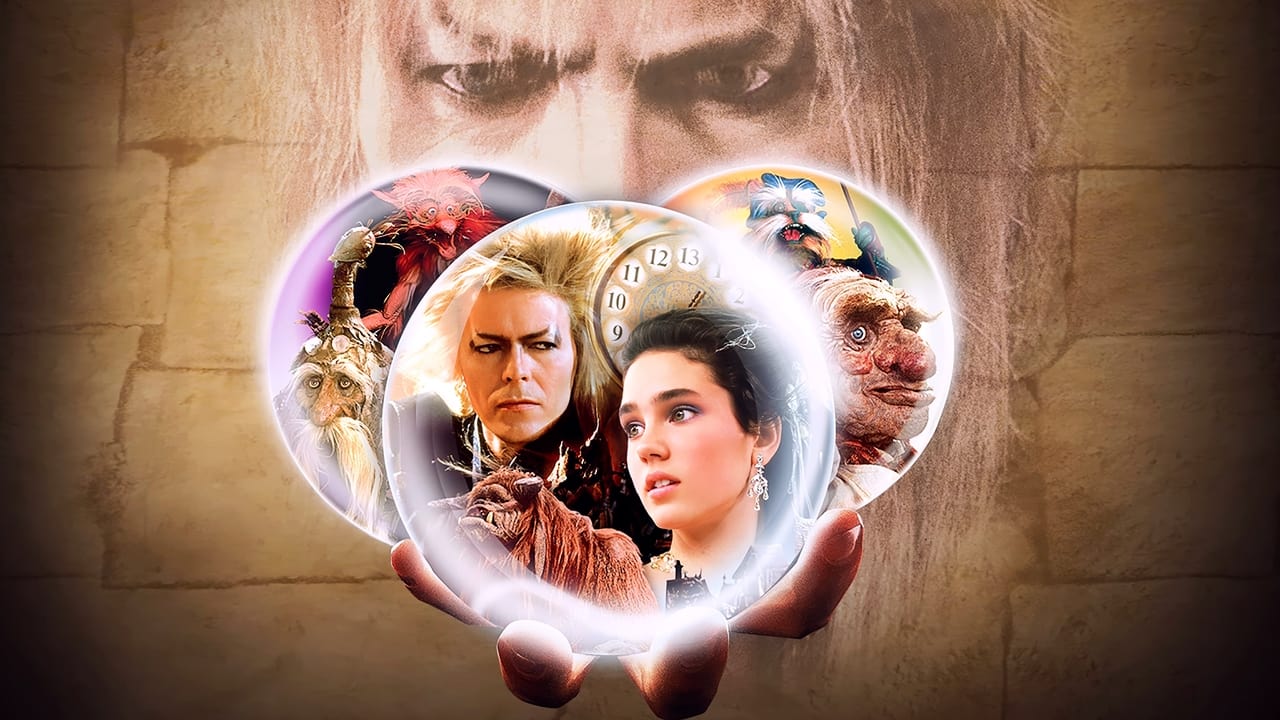
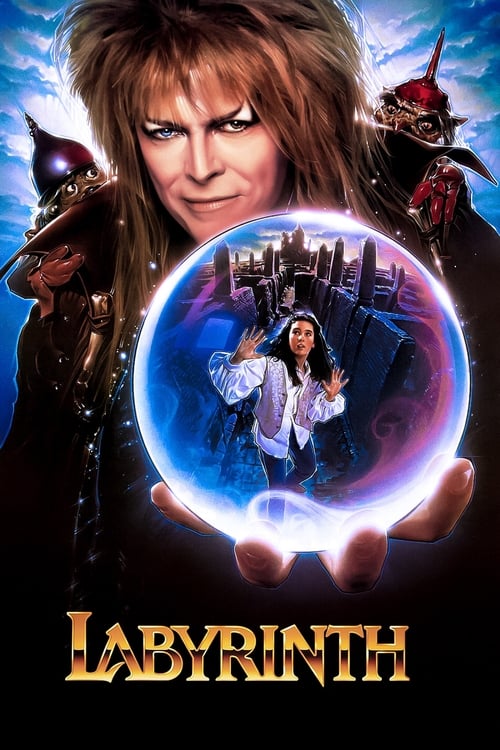
(1986)A teenage girl named Sarah enters a strange labyrinth to rescue her baby brother from the Goblin King. The film blends puppetry, fantasy creatures, songs, and surreal adventure as she faces riddles, traps, and shifting loyalties.
This is a creative fantasy with mild language, scary moments, and a strong rescue storyline. Christian families may want to talk through its magical framework, its romanticized villainy, and the way it treats wishes, authority, and self-control.
Use the PG-level content and the fantasy worldview as two separate questions when deciding together.
Content Indicators

Reviewed 10 May 2026
Rachel focuses on animated films, family viewing habits, and helping parents spot worldview themes quickly.
Labyrinth Christian Movie Review (1986)
Guidance: Talk Together
This is a creative fantasy with mild language, scary moments, and a strong rescue storyline. Christian families may want to talk through its magical framework, its romanticized villainy, and the way it treats wishes, authority, and self-control.
Why This Guidance Level
Labyrinth is not a harsh film on the surface, but it does carry enough peril, coercion, and mild language to merit a conversation with younger viewers. The larger reason for guidance is its fantasy worldview: magic drives the plot, the Goblin King uses manipulation and false promises, and Sarah’s growth happens inside a world where truth is constantly distorted. That makes it a good fit for families who want to talk about temptation, responsibility, and the difference between fantasy power and the hope found in Christ.
Faith & Worldview Perspective
The film rewards responsibility, perseverance, and love for family, and it treats selfish wishes as costly. Its deeper framework is built on enchantment, deception, and a seductive false ruler, so parents may want to help children separate imaginative fantasy from trust in God’s truth and the security of Jesus Christ.
Truths Reflected
- Selfish choices have consequences.
- Love and perseverance matter in hard trials.
Tensions to Discuss
- The story normalizes magic and supernatural control outside a biblical framework.
- The Goblin King’s seductive manipulation and false promises can blur moral clarity if left unexamined.
Content & Discernment Markers
Occult & Spiritual Content
- The whole story runs on goblins, spells, wishes, and a magical labyrinth, with the Goblin King telling Sarah, “Time is short. You have 13 hours in which to solve the labyrinth… before your baby brother… becomes one of us… forever.” The fantasy is imaginative rather than ritualistic, but it still places supernatural power at the center of the story. Parents may want to discuss how this differs from trusting God rather than magical control.
Sexuality & Relationships
- The Goblin King’s interest in teenage Sarah is unsettling and coercive, especially when he says, “Do you want it? Then forget the baby,” and tries to pull her away from her brother with gifts and flattery. It is not explicit sexuality, but the dynamic carries a predatory tone that families may want to talk through.
Identity Themes
- Sarah begins in anger and self-pity, shouting, “I hate you. I hate you!” and wishing her brother away, then grows into someone who says, “I want my brother back” and refuses to surrender to manipulation. The film frames maturity as choosing responsibility over impulse. Parents may want to discuss repentance, self-control, and what real strength looks like.
Violence & Intensity
- The danger is constant rather than graphic: Sarah is chased through the maze, warned about traps, and threatened by creatures and machines, including sword fighting and rough fantasy combat. The tension is lively and sometimes frightening, but it stays within family-adventure territory.
Language & Humour
- Language is light but includes a few words parents will notice, especially “damn” and the line “it hurts like hell.” There are also sharp insults and frustrated outbursts in the family scenes, though the film does not lean on coarse profanity.
Other Content Notes
- The opening family conflict is emotionally harsh, with Sarah feeling dismissed by her parents and crying, “I can’t do anything right, can I?” The film uses that tension to launch the fantasy plot, and it gives the story a wounded, lonely tone.
Notable Moments
- Wish gone wrong: Sarah angrily wishes her baby brother away, and the story immediately turns that impulse into the central conflict. The moment matters because the film treats careless words as morally serious.
“I wish the goblins would come and take you away. Right now.”
- Goblin King pressure: Jareth tries to lure Sarah into forgetting her brother and accepting his gift, turning temptation into a test of loyalty and truth.
“Do you want it? Then forget the baby.”
- Time limit threat: The Goblin King sets a deadline that raises the stakes and keeps the fantasy peril intense throughout the film.
“You have 13 hours in which to solve the labyrinth… before your baby brother… becomes one of us… forever.”
- Repentant resolve: Sarah’s turning point comes when she rejects the false power offered to her and commits herself to rescuing Toby.
“I want my brother back, please.”
Discussion Prompts
- Words and consequences: Why do Sarah’s words matter so much in the story, and what does that teach about careless speech?
- Biblical guidance: Scripture treats words as powerful and calls us to speak with wisdom, not anger. Talk about how James warns us about the tongue and how Proverbs connects speech with self-control.
- Scripture: James 3:5-10, Proverbs 18:21
- Temptation and false promises: What makes the Goblin King’s offers tempting, and how does Sarah resist them?
- Biblical guidance: The film gives a clear picture of temptation that looks attractive but leads away from what is right. Compare that with Jesus resisting Satan’s lies and standing on God’s truth.
- Scripture: Matthew 4:1-11, John 8:44
- Family loyalty and sacrifice: What changes in Sarah when she decides to rescue Toby instead of focusing on herself?
- Biblical guidance: The story points toward sacrificial love, which Christians see most clearly in Christ. Talk about how love serves others instead of demanding its own way.
- Scripture: 1 Corinthians 13:4-7, Philippians 2:3-5
- Fantasy and truth: How is the movie’s magical world different from the way the Bible talks about real spiritual truth and hope?
- Biblical guidance: Fantasy can be imaginative, but Christians still test every story by God’s truth. Help children see that our hope is not in hidden powers or enchantment, but in Jesus Christ.
- Scripture: Colossians 2:8, John 14:6
Common questions about Labyrinth
- What age is Labyrinth suitable for?
- Labyrinth suits children of about 6 and older in most families. The main reason is language. Language is light but includes a few words parents will notice, especially "damn" and the line "it hurts like hell." Younger viewers may still enjoy it alongside a parent, and it raises worldview questions worth talking through afterwards.
- Is Labyrinth okay for a 4-year-old?
- Labyrinth is generally better suited to children of about 6 and up, so a 4-year-old may find parts of it a stretch. Language is light but includes a few words parents will notice, especially "damn" and the line "it hurts like hell." Families whose children handle language well may still be comfortable watching together.
Age guidance is derived from this review's content findings and the film's official classifications. It is a starting point for your own judgement, not a rule.
Parent comments
Leave a comment on this review
Share a short note on Labyrinth, or help other parents with discernment.
Submit will ask you to sign in first.
Weekend family picks
Get the short family movie list before the weekend
Example newsletter: 3 movies to watch this weekend with your family, plus one question to ask after the credits.
Sample: 3 movies to watch this weekend with your family
One cinema pick, one streaming pick, one conversation-starter pick.
Related Articles
A few bigger-picture reads for parents who want more context than a single review page can hold.

How To Talk With Kids About Magic, Fate, And Spiritual Themes In Movies
Many family movies use magic, destiny, spirits, or cosmic balance to drive the story. This article helps Christian parents respond without overreacting, while still drawing clear lines back to biblical truth.
Read article
How To Talk With Kids About Dragon magic In Family Movies
A parent-friendly guide to discussing dragon magic in family movies through a Christian lens.
Read article
How To Talk With Kids About Mild fantasy peril In Family Movies
A parent-friendly guide to discussing mild fantasy peril in family movies through a Christian lens.
Read articleMore Reviews



Official regional ratings
Local ratings remain available for reference, but LionLens separates those classifications from Christian family discernment.
Review Method
How this review was prepared
LionLens reviews are written with subtitle and dialogue evidence where available, official regional ratings data, source research, and final human editorial review before publication.